
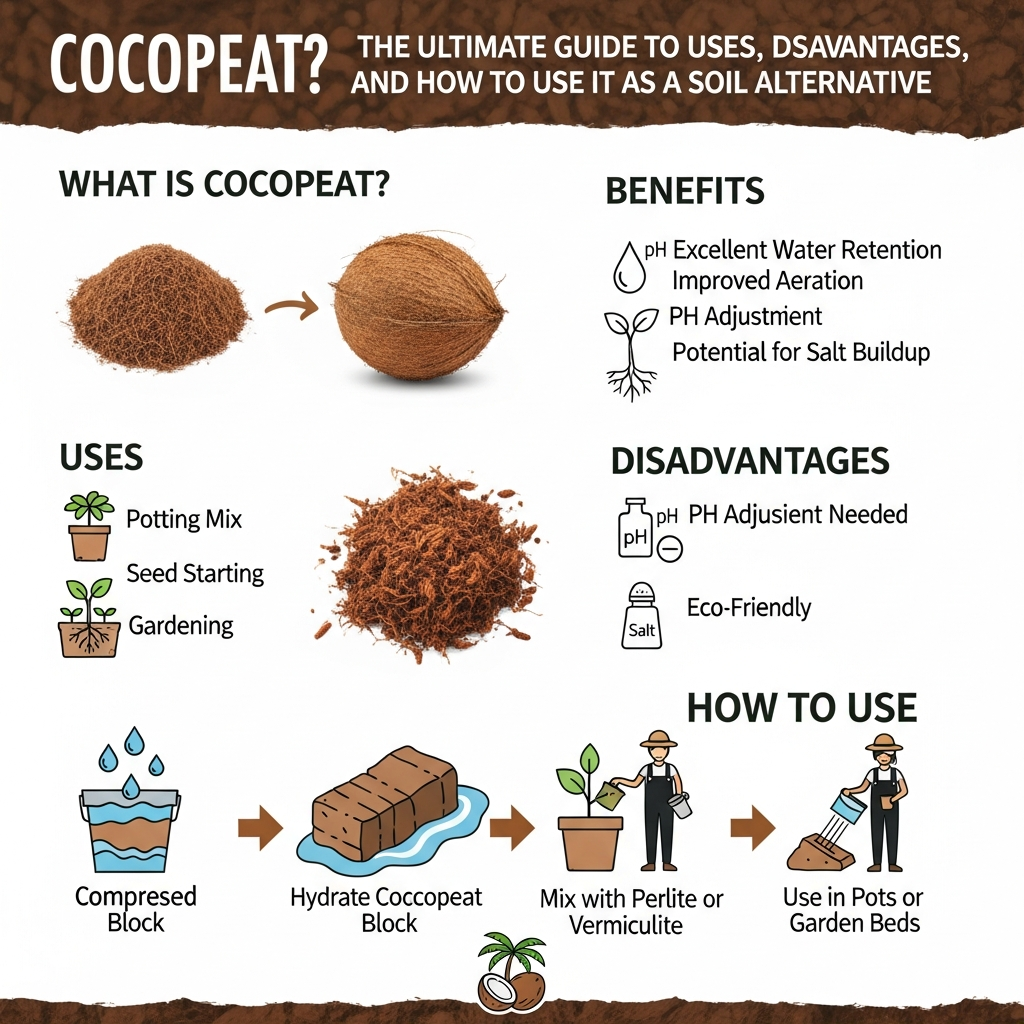
椰糠:2026年用途与益处终极指南
椰糠 is a revolutionary, sustainable growing medium derived from coconut husks that has transformed modern agriculture and gardening. As we move through 2026, gardeners and commercial growers alike are seeking eco-friendly alternatives to traditional soils, and this versatile “coir dust” is leading the charge. If you have struggled with poor soil drainage, root rot, or the environmental guilt of using peat moss, this guide reveals the definitive solution.
In this comprehensive analysis, we will explore exactly why 椰糠 has become the gold standard for hydroponics and organic farming. From its incredible water retention capabilities to its role in reducing carbon footprints, you will discover everything you need to know to maximize your yields this year.
What is Cocopeat? A Complete Overview

To truly understand its value, we must first define the material. 椰糠, often referred to as coir pith or coir dust, is the spongy, peat-like residue extracted from the husk of a coconut. It is a natural byproduct of the coconut fiber industry. For decades, this material was discarded as waste, but recent agricultural science has identified it as one of the most effective growing media available.
Unlike mineral soil, 椰糠 is 100% organic, biodegradable, and renewable. It acts as a multi-purpose soil conditioner and growing medium. When you buy it, it typically comes in compressed blocks or briquettes that expand significantly—often up to 5 times their volume—when water is added.
According to research highlighted by Wikipedia on Coir, coir-based substrates can improve root mass by up to 30% compared to standard potting mixes. This makes it an invaluable resource for anyone serious about plant health.
The Science: Cation Exchange Capacity (CEC)
One of the technical reasons 椰糠 is superior involves its Cation Exchange Capacity (CEC). While it has a slightly lower CEC than peat moss initially, once buffered, it holds onto nutrients like Calcium and Magnesium effectively, releasing them exactly when the plant roots need them. This buffering capacity prevents rapid changes in soil pH, providing a stable environment for root development.
Why Choose Cocopeat? 7 Amazing Benefits for 2026
Growers are switching to this medium for several compelling reasons. Here are the top benefits that make it a superior choice:
- 卓越的保水性能: It acts like a sponge, holding 8–9 times its weight in water while still allowing excess water to drain away. This prevents overwatering while keeping roots hydrated.
- 卓越的透气性: The porous structure ensures that plant roots receive plenty of oxygen, which is crucial for preventing root rot and promoting vigorous growth.
- Neutral pH Balance: Unlike acidic peat moss, standard 椰糠 has a near-neutral pH (typically 5.8–6.8), making it ideal for a wide variety of plants without heavy amendment.
- Fungal and Bacterial Resistance: It naturally contains trichoderma, a beneficial fungus that works in symbiosis with plant roots to protect them from pathogenic fungi.
- 可持续性: Coconuts are harvested every two months, making coir a highly renewable resource compared to peat bogs, which take centuries to regenerate.
- 可重复使用: You can reuse the medium for up to 4–5 years. Afterward, it makes an excellent compost agent or soil conditioner.
- 分解缓慢: It decomposes slowly due to its high lignin content, providing long-term structural stability to your soil mix.
Cocopeat vs. Peat Moss: The 2026 Showdown
Many gardeners confuse these two substrates. While they share similarities, the environmental and functional differences are stark. Below is a comparison to help you choose the right medium.
| 特征 | 椰糠(Coir) | 泥炭藓 |
|---|---|---|
| 来源 | Coconut Husks (Renewable) | Sphagnum Bogs (Non-Renewable) |
| pH值 | 中性(5.8 – 6.8) | 酸性(3.5 – 4.5) |
| 水分保留 | High (Holds 8-9x weight) | Moderate (Can repel water when dry) |
| 通风 | 极佳 | Good, but compacts over time |
| 可持续性 | Eco-friendly byproduct | Environmentally taxing extraction |
| 营养成分 | Trace Potassium & Phosphorus | 微不足道 |
Furthermore, while peat moss can become hydrophobic (water-repelling) when it dries out completely, coir rehydrates instantly. This property alone saves significant labor and water in commercial operations. For a deeper dive into sustainable gardening alternatives, reputable sources like the 英国皇家园艺学会(Royal Horticultural Society) advocate for peat-free growing media to protect our wetlands.
Types of Coir Products Available
Not all coir is created equal. Depending on your crop, you might choose different forms:
- Coir Pith (Peat): The fine dust, perfect for water retention and seed starting.
- 椰纤维: Stringy fibers that add air pockets to the mix, improving drainage.
- 椰壳块: Large chunks that function similarly to clay pellets or bark, ideal for orchids and mulching.
Often, a mix of these three—known as a “mix ratio”—is used to create the perfect balance of air and water for specific crops. Commercial growers often utilize custom blends to maximize yield.
How to Prepare and Buffer Cocopeat

Using this medium requires proper preparation. Raw coir often contains high levels of sodium and potassium, which can lock out Calcium and Magnesium—essential nutrients for plant growth. This process is known as “buffering.”
Step-by-Step Cocopeat Rehydration Guide
Follow this proven method to ensure your medium is safe for plants:
- 泡发水化: Place your compressed block in a large container. Add warm water (approx. 4–5 liters per 1kg block). Let it sit for 15–20 minutes until it expands into a fluffy texture.
- Rinsing: Rinse the expanded material with fresh water to flush out excess salts (sodium chloride). High-quality commercial products often come pre-washed, but verifying is always safer.
- 缓冲处理(关键步骤): Soak the rinsed coir in a solution of Calcium Nitrate and Magnesium Sulfate (Cal-Mag) for 8–12 hours. This displaces the sodium and potassium on the cation exchange sites with calcium, ensuring your plants can access nutrients later.
- 混配基质: Once buffered, mix it with perlite (for extra drainage) or compost (for nutrients). A common ratio is 70% coir to 30% perlite.
For large-scale agricultural operations, sourcing pre-buffered material is often more efficient. Similar to how you might select specific grades of 棕榈仁壳 for energy biomass, selecting the right grade of coir is vital for horticultural success.
Common Disadvantages & How to Overcome Them
Despite its “superfood” status for plants, 椰糠 is not without challenges. Being aware of these will prevent rookie mistakes.
- 养分锁死: As mentioned, unbuffered coir can steal calcium from your plants. 解决方案: Always buffer your coir or buy “buffered” products.
- High Salinity: Low-quality coir is sometimes processed in sea water. 解决方案: Purchase from reputable suppliers like Makmur Amanah Sejahtera who guarantee low EC (Electrical Conductivity) levels.
- Lack of Indigenous Nutrients: It is practically inert. 解决方案: You must provide a complete fertilizer regimen. Unlike rich potting soil, coir does not feed the plant; you do.
Innovative Uses Beyond Gardening
While primarily known for horticulture, the versatility of coconut fiber extends into other industries.
动物垫料
Its high absorbency makes it excellent for animal bedding (similar to straw or wood shavings). It absorbs odors and moisture effectively, reducing fly breeding risks in stables and farms. It acts somewhat like 椰干粉 in that it is a coconut derivative useful in livestock management contexts, albeit for bedding rather than feed.
Oil Absorption & Industrial Cleanup
In industrial settings, the dry dust is used to absorb oil spills on factory floors. Its sponge-like nature traps hazardous liquids quickly. Other palm byproducts, such as RBD CP8 (refined palm oil), are the liquids moved in these industries, and having an effective absorbent like coir on hand is a standard safety protocol.
Soil Amendment for Palm Plantations
Interestingly, some agricultural sectors use byproducts like 棕榈仁压榨机 to supplement soil organic matter, but coir remains the king of texture and water management for nurseries.
结论
总之,, 椰糠 represents the future of sustainable agriculture in 2026. Its ability to retain water, promote root aeration, and serve as an eco-friendly replacement for peat moss makes it indispensable. Whether you are a home gardener growing tomatoes or a commercial entity cultivating orchids, integrating this medium into your strategy is a proven way to boost plant health.
Remember to rinse, buffer, and fertilize appropriately. By doing so, you unlock the full potential of this incredible coconut byproduct. As we strive for greener cultivation methods, 椰糠 stands out as a champion of both efficiency and ecology.
Makmur Amanah Sejahtera 我们提供高品质的棕榈产品,例如棕榈仁粕、棕榈仁壳、原棕榈油、棕榈仁油等。请通过 WhatsApp 联系我们。 +6282140002198 或发送电子邮件至 admin@makmuramanah.co.id.
常见问题解答
椰糠适合所有类型的植物吗?
Yes, it is excellent for most plants, including vegetables, flowers, and ornamental plants. However, succulents and cacti may require a mix with more perlite or sand (50/50 ratio) because they prefer drier conditions, and coir retains significant moisture.
Can I use Cocopeat directly from the block?
No, you must hydrate it first. Place the block in water until it expands and breaks apart. It is also highly recommended to buffer it with Calcium and Magnesium if you are growing sensitive crops to prevent nutrient deficiencies.
How often should I water plants in Cocopeat?
Because it holds moisture so well, you generally need to water less frequently than with sandy soils. The best method is the “lift test”—lift the pot; if it feels light, it’s time to water. The surface may look dry while the root zone is still moist.
椰糠比普通土壤更好吗?
For container gardening and hydroponics, yes. It offers better aeration and disease resistance than standard garden soil. However, it contains no inherent nutrients, so it requires you to add fertilizers, whereas good soil may already contain organic nutrients.
Where can I buy high-quality bulk Cocopeat?
You can source premium coir and related agricultural products from trusted suppliers like Makmur Amanah Sejahtera, who ensure the product is properly washed and low in salinity.



