
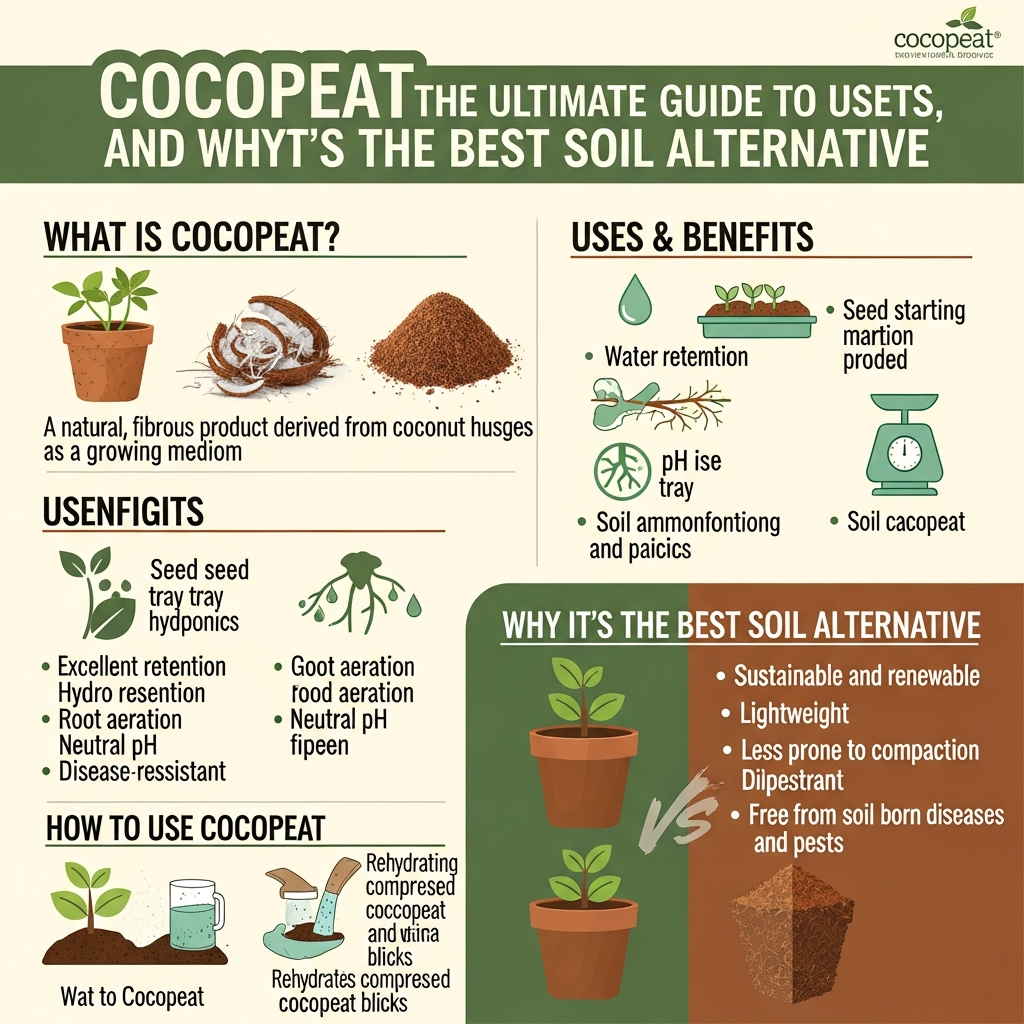
椰糠:实现植物惊人长势的终极权威指南(2026)
椰糠 is the multi-purpose growing medium that is transforming ordinary gardens into high-yield powerhouses in 2026. Struggling with poor soil drainage, root rot, or unsustainable gardening practices is a common nightmare for modern growers. Fortunately, this eco-friendly byproduct offers the perfect, high-performance solution.
In this ultimate guide, we reveal why cocopeat is the superior substrate for the future of agriculture and how it drastically outperforms traditional soil.
As modern agriculture shifts towards sustainability, the demand for effective soil alternatives has skyrocketed. In fact, recent agricultural data suggests a 40% increase in hydroponic farming using coir-based substrates over the last three years. Whether you are a home gardener or a commercial farmer, understanding the mechanics of this material is crucial for success.
什么是椰糠?
椰糠, also known as coir pith, coir dust, or simply coir, is a natural, fibrous byproduct derived from coconut husks. During the extraction of long coconut fibers (used for ropes, mats, and brushes), this spongy material falls away as waste. Once considered a nuisance in the coconut industry, it is now processed, washed, and compressed into blocks to serve as a premium growing medium.
It acts as a microscopic sponge, holding significant amounts of water while releasing it slowly to plant roots. This unique capability makes it an exceptional soil conditioner and a staple in hydroponic systems worldwide. Unlike peat moss, which takes centuries to form, coir is a renewable resource harvested from the 优质 Cocopeat supply chain annually.
The Chemical Composition
Understanding the science behind the substrate helps in managing plant nutrition. Coir is primarily composed of:
- Lignin: Provides structural stability and resistance to decomposition.
- Cellulose: Helps in water absorption.
- Trace Elements: It naturally contains Potassium (K) but is generally low in other macro-nutrients, giving growers complete control over their feeding regimen.
The Manufacturing Process: From Husk to Harvest
The journey from a raw coconut husk to a sterile growing medium is fascinating and critical for quality. High-quality coir undergoes a rigorous process to ensure it is safe for plants.
- Retting: Coconut husks are soaked in water (often for months) to soften the fibers.
- Defibering: Machines extract the long fibers, leaving behind the pith (dust).
- Washing and Buffering: This is the most critical step. The pith is washed to lower electrical conductivity (EC) salts. It is often “buffered” with calcium nitrate to displace sodium and potassium, preventing nutrient lockout later.
- Drying and Compressing: The material is dried under the sun and compressed into 5kg blocks or briquettes for efficient shipping.
For industrial applications, other byproducts like 棕榈仁壳 undergo similar biomass processing to serve as sustainable fuel or agricultural mulch.
Types of Coir Substrates
Not all coir is the same. Depending on the plant’s needs, growers use different textures:
- 椰糠粉(Peat): The finest texture, similar to soil. It holds the most water but has the least aeration.
- 椰丝 (Coco Fibers): Stringy strands that improve structural integrity and allow oxygen to reach roots.
- 椰壳粒 (Coco Chips): Large chunks that function like clay pellets or bark, providing massive drainage and air pockets. These are often used for orchids or mixed into potting soils.
7 Incredible Benefits of Using Cocopeat
Why are experts switching to coir? Here are the top benefits that make it the best soil alternative in 2026.
1. 卓越的保水性能
Coir pith can hold 8–10 times its weight in water. This property drastically reduces the frequency of irrigation required, saving water and labor costs. For growers in arid climates, this is a game-changer.
2. 极佳的透气性与排水性
Unlike clay soils that compact and suffocate roots, coir remains loose and airy. This porosity allows roots to breathe and prevents waterlogging, which is the primary cause of root rot and fungal diseases.
3. 100% Organic and Eco-Friendly
Peat moss harvesting destroys wetlands and releases stored carbon into the atmosphere. In contrast, coir is a renewable resource utilizing waste from the coconut industry. It repurposes material that would otherwise clog landfills.
4. 中性pH平衡
Most coir products have a pH between 5.5 and 6.8, which is the sweet spot for most vegetables, berries, and ornamental plants. It requires less amendment (liming) than acidic peat moss.
5. Antifungal Properties
It is naturally resistant to bacterial and fungal growth, providing a sterile environment for seed starting. This reduces the incidence of “damping off,” a common issue where seedlings die suddenly.
6. High Cation Exchange Capacity (CEC)
Coir has a high CEC, meaning it can absorb positively charged ions (nutrients like calcium, magnesium, and potassium) and release them when the plant roots need them. This prevents nutrient leaching during watering.
7. Reusable and Durable
High-quality coir is tough. Due to its high lignin content, it resists decomposition and can be reused for up to 4–5 years. Afterward, it can be composted or used as a soil conditioner for flower beds.
Cocopeat vs. Peat Moss: The 2026 Showdown
Many growers ask: how does it stack up against traditional peat moss? The data clearly favors coir for modern, sustainable gardening.
| 特征 | 椰糠 | 泥炭藓 |
|---|---|---|
| 可持续性 | High (Renewable waste product) | Low (Destroys peat bogs) |
| pH值 | 中性(5.5 – 6.8) | 酸性(3.5 – 4.5) |
| 水分保留 | Excellent (Retains & drains) | Good (Can become hydrophobic) |
| 使用寿命 | 4–5 Years | 1–2 Years |
| 润湿性 | Instantly rehydrates | Repels water when dry |
Furthermore, while peat moss can turn hydrophobic (repelling water) when dry, coir rehydrates instantly. For a deeper dive into the botanical properties, you can read more from Wikipedia’s entry on Coir.
如何有效使用椰糠
Using this medium requires specific preparation to ensure optimal results. It typically comes in compressed bricks or blocks that must be expanded.
Step-by-Step Rehydration
- Place the compressed block in a large container (at least 5 gallons).
- Add warm water to speed up expansion. A 5kg block can expand to over 70 liters of substrate.
- Allow it to sit for 15–30 minutes until it absorbs the water.
- Fluff the material with a trowel or your hands to aerate it.
- 专业建议: If you bought unbuffered coir, add a Calcium-Magnesium (CalMag) supplement to the water during this stage to prepare the cation exchange sites.
Best Mixing Ratios
While you can use it 100% for hydroponics, soil mixes benefit from a blend:
- The Classic Potting Mix: 40% Coir, 40% Compost, 20% Perlite. This provides nutrients, retention, and drainage.
- 育苗配方: 70% Coir, 30% Perlite. The sterile nature protects delicate seedlings.
- Sandy Soil Amendment: Mix 2–3 inches into the topsoil to drastically improve water retention in dry gardens.
应避免的常见错误
The most common issue new growers face is nutrient lockout. Because coir naturally contains potassium, it can compete with calcium and magnesium. Always use a fertilizer specifically designed for coco coir or supplement with CalMag regularly. Additionally, monitor the salt levels; if you notice tip burn on leaves, flush the medium with fresh water.
Applications in Modern Agriculture
Hydroponics and Vertical Farming
In 2026, vertical farming relies heavily on lightweight substrates. Coir provides the perfect anchorage for roots without the heavy weight of soil. Studies from major agricultural universities, such as the University of Florida IFAS, have highlighted coir’s efficiency in nutrient uptake systems, noting improved root mass in tomato and pepper crops.
Animal Bedding and Biosafety
Interestingly, the high absorbency makes it excellent for animal bedding. It absorbs odors and moisture better than wood shavings and is less dusty. While livestock feed often utilizes 棕榈仁压榨机 或者 椰干粉 for nutrition, coir ensures the environment remains dry and hygienic, reducing hoof rot and respiratory issues in poultry and horses.
Sustainability & Environmental Impact
The global push for “green” gardening puts coir in the spotlight. Unlike peat mining, which releases centuries of stored carbon, processing coconut husks utilizes a waste product. It is a prime example of the circular economy.
Additionally, using coir reduces landfill waste. According to reports by the 联合国粮食及农业组织(粮农组织), utilizing agricultural byproducts is key to sustainable global food systems. By choosing coir, you are actively participating in reducing the carbon footprint of agriculture.
However, buyers must ensure they source washed or buffered coir. Unwashed coir can have high salt content from the coastal environments where coconuts grow, which can damage sensitive plants.
Makmur Amanah Sejahtera 我们提供高品质的棕榈产品,例如棕榈仁粕、棕榈仁壳、原棕榈油、棕榈仁油等。请通过 WhatsApp 联系我们。 +6282140002198 或发送电子邮件至 admin@makmuramanah.co.id.
常见问题解答
椰糠适合所有类型的植物吗?
Yes, it is excellent for most plants, including vegetables, flowers, and tropicals. However, for succulents and cacti, which require dry conditions, mix it with 50% perlite or pumice to ensure rapid drainage and prevent root rot.
椰糠含有营养成分吗?
It is essentially inert, meaning it contains very few nutrients naturally other than small amounts of potassium. You must add fertilizer or mix it with compost to provide food for your plants.
用椰糠种植植物应该多久浇一次水?
Check the top inch of the medium. If it feels dry, it is time to water. Because of its high retention, you will likely water less frequently than with standard soil. The color also turns a lighter brown when dry.
椰糠可以重复使用吗?
Absolutely. You can reuse it for up to 4–5 years. Rinse it thoroughly to remove old salts and roots, treat it with enzymes or beneficial bacteria if possible, and it is ready for the next crop.
它比土壤更便宜吗?
Initially, premium coir may seem slightly more expensive than cheap topsoil, but its reusability (up to 5 years), water-saving properties, and increased crop yields make it significantly more cost-effective in the long run.
结论
总之,, 椰糠 stands as the ultimate growing medium for the conscious gardener in 2026. Its ability to retain water, improve aeration, and support sustainable farming practices makes it unrivaled in the horticultural world.
By switching to this eco-friendly alternative, you not only improve your plant health but also contribute to a greener planet. Whether you are setting up a high-tech hydroponic system or simply amending your backyard garden, coir is the future of cultivation.
Start your journey with premium substrates today and watch your garden thrive like never before.



