
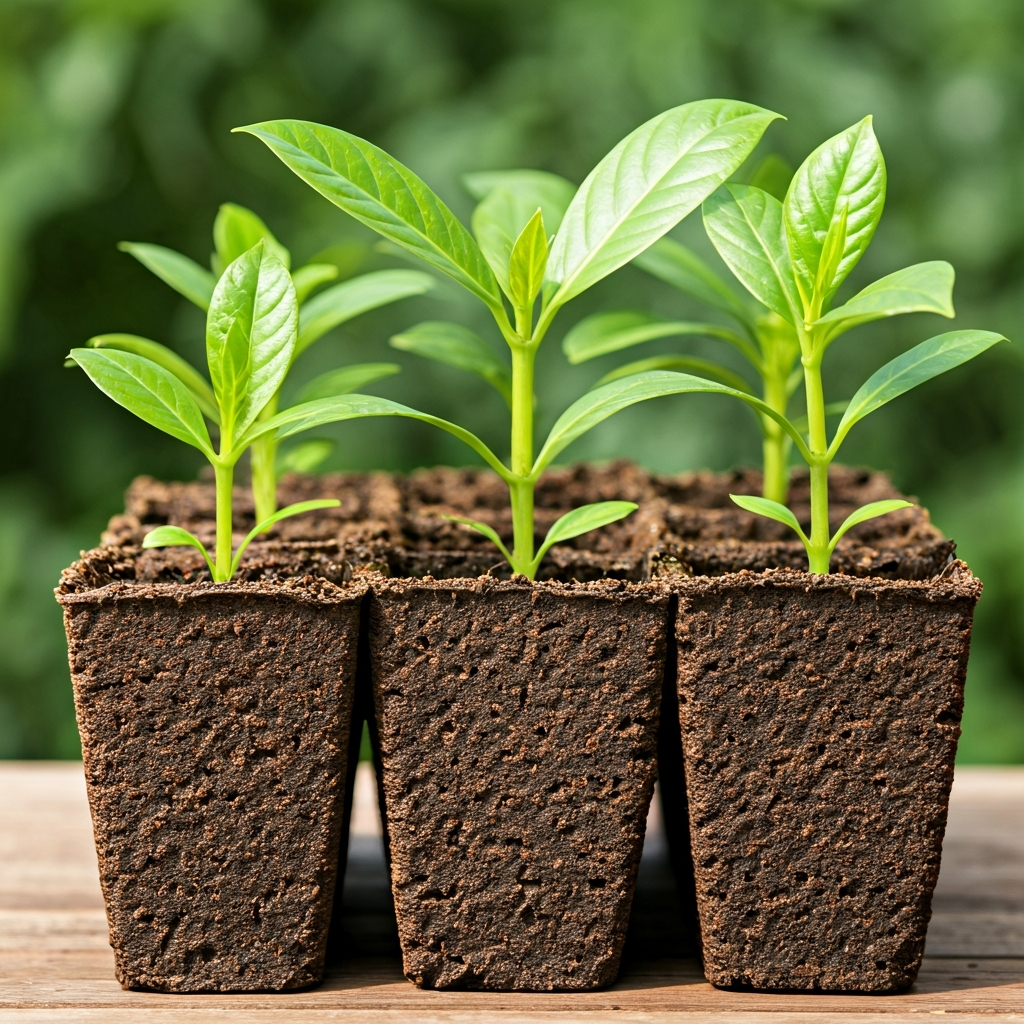
Cocopeat: A Complete Guide to Uses, Benefits, and the Best Plants to Grow
椰糠 is revolutionizing the way we approach gardening and agriculture, offering a powerful, sustainable alternative to traditional soils. If you’ve struggled with poor soil drainage, compaction, or the environmental guilt of using peat moss, this guide will introduce you to your new secret weapon for a thriving, vibrant garden.
For decades, gardeners relied on peat moss, but its harvest from delicate bog ecosystems is highly unsustainable, taking thousands of years to regenerate. According to a study in the Journal of Environmental Management, the demand for sustainable growing media is at an all-time high. This is where cocopeat steps in, providing a superior, eco-friendly solution derived from the humble coconut.
What is Cocopeat? A Revolution in Gardening
Cocopeat is a 100% natural, multi-purpose growing medium made from the fibrous pith found between the hard, internal shell and the outer coat of a coconut. Also known as ‘coco coir’ or ‘coconut fiber,’ this material was once considered a waste product of the coconut industry. Today, it is celebrated as one of the most effective and sustainable soilless growing media available.
From Coconut Waste to Cocopeat Wonder
The transformation process begins by aging and processing coconut husks. The husks are soaked to soften them, then the long fibers are separated from the pith (the cocopeat). This dusty, spongy material is then dried and compressed into various forms, most commonly bricks or blocks.
Before use, it needs to be rehydrated. During this process, it expands up to six times its compressed volume, creating a fluffy, soil-like texture perfect for plant roots.
The Environmental Edge: Cocopeat vs. Peat Moss
The primary advantage of 椰糠 over peat moss is sustainability. Coconuts are a continuously harvested resource, with millions of tons of husks available annually. In contrast, peat bogs are fragile, non-renewable ecosystems that act as significant carbon sinks.
Harvesting peat moss releases vast amounts of CO2 into the atmosphere and destroys vital habitats. By choosing cocopeat, you are actively supporting a more circular and environmentally responsible agricultural practice.
[Image: A side-by-side comparison shot showing a dry compressed cocopeat brick next to a large pile of fluffy, hydrated cocopeat, with a watering can to illustrate the expansion. alt=”A compressed cocopeat brick next to a large pile of expanded, fluffy cocopeat ready for use.” title=”Cocopeat brick expansion”]
7 Proven Benefits of Using Cocopeat for Amazing Plant Growth
The advantages of incorporating this medium into your gardening are extensive. It’s not just an eco-friendly choice; it delivers tangible results for your plants.
- 卓越的保水性能: Cocopeat can hold up to 8-10 times its weight in water, ensuring your plant roots have a consistent supply of moisture. This reduces watering frequency and prevents the soil from drying out too quickly, which is crucial in hot climates.
- Superior Aeration and Drainage: Despite its high water retention, the fibrous structure of cocopeat prevents it from compacting. This creates essential air pockets in the root zone, promoting healthy root development and preventing waterlogging and root rot.
- 中性 pH 值: Most cocopeat has a pH range of 5.5 to 6.8, which is ideal for a vast majority of plants. Unlike peat moss, which is highly acidic, cocopeat provides a stable, neutral foundation, making nutrients more accessible to the plants.
- Anti-Fungal and Pest-Resistant: Cocopeat naturally contains properties that discourage soil-borne pathogens and common garden pests. This creates a healthier environment for your plants to grow, reducing the need for chemical pesticides.
- 促进强健的根系生长: The unique combination of aeration and moisture encourages vigorous root branching. Stronger, healthier root systems lead to more robust plants, better nutrient uptake, and higher yields.
- 可重复使用且经久耐用: This durable material breaks down very slowly over several years. After a crop cycle, you can rinse and reuse your 椰糠 for 2-3 years, making it an incredibly cost-effective growing medium.
- 100% Sustainable and Organic: As a byproduct of the coconut industry, it is a completely renewable resource. When you’re done with it, it can be added to your compost pile or used as a soil conditioner, leaving zero environmental waste.
How to Prepare Cocopeat Bricks: A Simple Guide
Using compressed cocopeat is easy. Just follow these simple steps to prepare it for your plants:
- 选择一个大容器: Select a wheelbarrow, large bucket, or plastic tub. Remember, the brick will expand significantly. A 5kg (11 lb) brick can produce up to 70 liters of medium.
- 加入温水: Place the compressed brick in the container and add warm water. Warm water speeds up the hydration process. Follow the manufacturer’s instructions, but a general rule is to add about 20-25 liters of water for a 5kg brick.
- 静置并打散: Allow the brick to soak for 15-30 minutes. It will start to break apart and absorb the water. Use a small spade or your hands to fluff up the material, breaking apart any remaining compressed chunks.
- Check for Salinity (If Necessary): High-quality cocopeat is washed to remove excess salts. If you are using a lower-grade product, it’s wise to rinse it thoroughly with fresh water until the runoff is clear. Investing in pre-washed, high-quality 椰糠 can save you this step and protect your plants.
- 添加养分: Cocopeat is a sterile medium, meaning it contains very few nutrients on its own. Once hydrated, you must mix in compost, worm castings, or a balanced slow-release fertilizer before planting.
[Video: A time-lapse video showing a compressed cocopeat brick expanding as it soaks in water, with text overlays explaining each step.]
[Image: A close-up, high-quality photo of healthy plant roots growing through fluffy, dark brown cocopeat, showcasing the excellent aeration. alt=”Healthy white plant roots growing through dark brown, airy cocopeat.” title=”Strong root growth in cocopeat”]
The Ultimate Comparison: Cocopeat vs. Soil vs. Other Media
To fully appreciate its value, it helps to see how 椰糠 stacks up against other common growing materials. This table offers a clear comparison for gardeners and commercial growers.
| 特征 | 椰糠 | 花园土壤 | 泥炭藓 |
|---|---|---|---|
| 可持续性 | 高(可再生资源) | Medium (Prone to erosion) | Very Low (Non-renewable) |
| 水分保留 | 极佳 | Variable (Often poor) | 极佳 |
| pH值 | 中性(5.5-6.8) | 不固定 | 酸性(3.5-4.5) |
| 通风 | 极佳 | Poor (Compacts easily) | 良好 |
| Pest/Disease Risk | 极低 | 高 | 低 |
What are the Best Plants to Grow in Cocopeat?
While almost any plant can benefit from cocopeat as a soil amendment, some truly excel when grown in a pure or high-cocopeat mix. It is a cornerstone of modern 水培 and soilless cultivation for this reason.
Vegetables Thriving in Cocopeat
The consistent moisture and aeration make it a perfect medium for vegetables that demand water but hate ‘wet feet’.
- 番茄与辣椒: These fruiting plants require consistent moisture to prevent blossom end rot, which cocopeat provides flawlessly.
- Cucumbers & Melons: High water needs are easily met without the risk of root diseases.
- Leafy Greens: Lettuce, spinach, and kale thrive due to the excellent aeration and water availability.
- Root Vegetables: The light, non-compacting texture allows carrots, radishes, and potatoes to grow large and uniform without obstruction.
Flowers and Ornamentals
The neutral pH and airy structure are perfect for growing vibrant flowers.
- Orchids & Anthuriums: These epiphytes need a medium that is airy and holds moisture without being soggy, making cocopeat an ideal choice.
- 月季/玫瑰: Roses benefit from the excellent drainage and root aeration, which helps prevent common fungal diseases.
- Gerberas & Carnations: Widely grown commercially in 椰糠 for higher yields and healthier blooms.
Expert Tips for Maximizing Your Cocopeat Success
To get the most out of this wonder medium, keep a few expert tips in mind. As a sterile medium, cocopeat is a blank slate, so the responsibility for nutrition falls to you. We recommend amending it with a 30% ratio of high-quality compost or worm castings to start.
For heavy-feeding plants, you should supplement with a balanced liquid fertilizer (like Cal-Mag) every 2-4 weeks during the growing season. This combination of a perfect physical structure from the 椰糠 and rich organic nutrients will produce incredible results.
Furthermore, consider mixing in perlite or vermiculite to further customize the drainage and aeration for specific plants like succulents.
In large-scale agricultural operations, cocopeat is often used alongside other palm-derived products. For instance, 棕榈仁壳 can be used as a biomass fuel source for processing facilities, showcasing the full-circle sustainability of the palm industry. Similarly, materials like 椰干粉 are valuable as animal feed, ensuring no part of the coconut goes to waste.
[Image: An infographic showing the lifecycle of cocopeat, from a coconut on a tree to a husk, to a compressed brick, to a pot with a healthy plant, and finally composting back into the earth. alt=”Infographic showing the sustainable lifecycle of cocopeat from coconut to garden to compost.” title=”The lifecycle of cocopeat”]
Makmur Amanah Sejahtera 提供高质量的棕榈产品,例如: 棕榈仁压榨机、Palm Kernel Shell、Crude Palm Oil、Palm Kernel Oil 等。欢迎联系我们: WhatsApp +6282140002198 或发送电子邮件至 admin@makmuramanah.co.id.
关于椰糠的常见问题解答
椰糠比土壤更好吗?
For container gardening and hydroponics, 椰糠 is often superior to soil because it’s sterile, has better aeration, and provides excellent water retention without compaction. For in-ground gardens, it’s best used as a powerful amendment to improve the structure of native soil.
How long does cocopeat last? Can you reuse it?
Cocopeat breaks down very slowly. You can typically reuse it for 2 to 3 years before it begins to lose its ideal structure. To reuse, simply rinse it thoroughly to wash out old roots and any accumulated salts, then add fresh compost or fertilizer for the next crop.
椰糠需要添加肥料吗?
Yes. Cocopeat is an inert medium with very few nutrients. It is essential to mix in compost, worm castings, or a balanced slow-release fertilizer before planting. You will also need to supplement with liquid fertilizer throughout the growing season for heavy-feeding plants.
Can cocopeat be used for seed starting?
Absolutely. Cocopeat is one of the best mediums for starting seeds. Its fine texture, moisture-holding capacity, and sterile nature provide the perfect environment for germination and prevent ‘damping-off’ disease, which can kill young seedlings. This is a core practice confirmed by horticultural research from leading universities.
[Image: A clean, studio shot of various gardening tools (trowel, gloves) next to bags of cocopeat, perlite, and a healthy potted tomato plant, representing a complete gardening setup. alt=”A complete gardening setup with a bag of cocopeat, a trowel, and a healthy tomato plant.” title=”Gardening with cocopeat”]
Your Partner in Sustainable Growth
In conclusion, the shift towards sustainable and effective gardening practices makes a compelling case for this versatile medium. With its outstanding water retention, superior aeration, and neutral pH, it provides an ideal environment for robust root development and overall plant health. From hobbyist gardeners to large-scale commercial growers, the benefits are undeniable.
通过选择 椰糠, you are not only ensuring a healthier, more productive garden but also making a conscious decision to protect our planet’s fragile ecosystems. As you plan your garden for 2024 and beyond, integrating this powerful, renewable resource is one of the most impactful upgrades you can make for incredible results. Embrace the future of gardening with 椰糠.



