
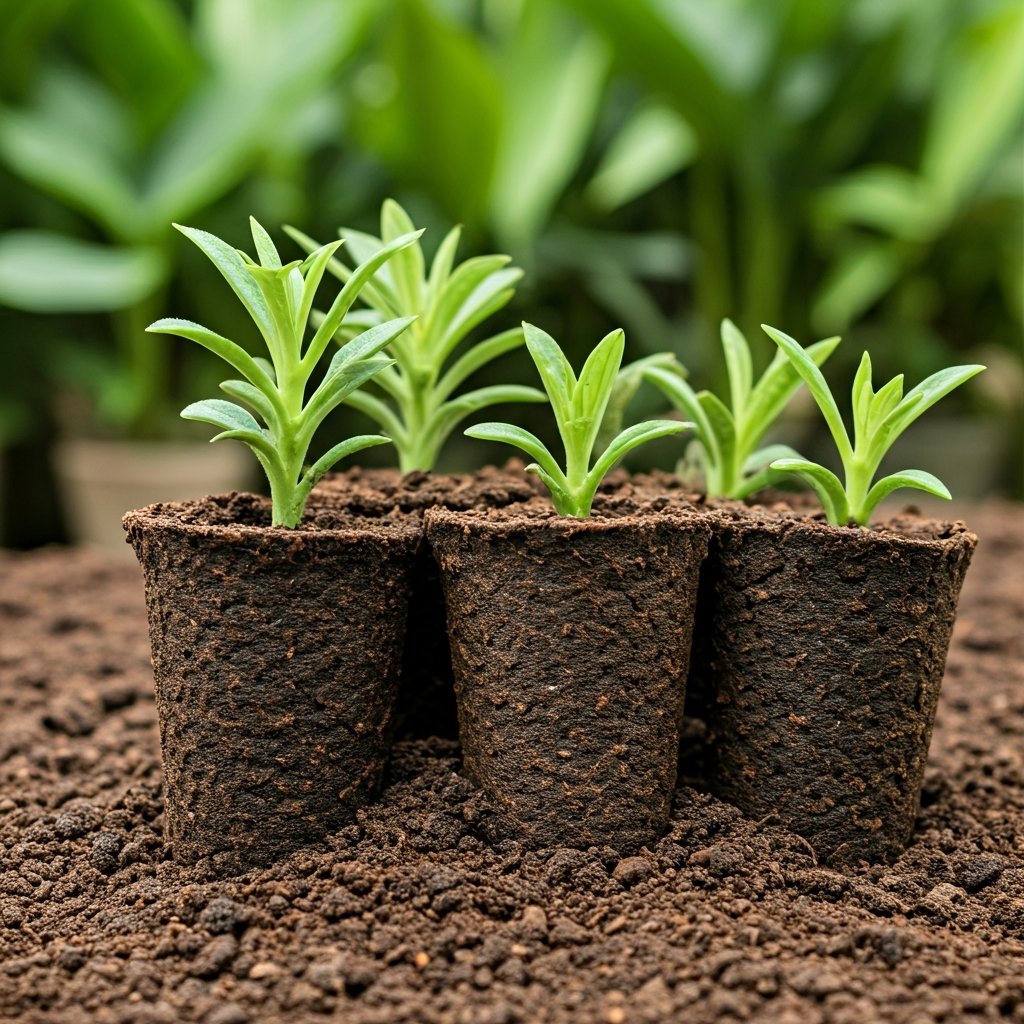
What is Cocopeat? Your Ultimate Guide to a Thriving Garden
What is Cocopeat is a question revolutionizing modern gardening. The answer could be the secret to your most vibrant plants yet. If you’re tired of compacted soil, inconsistent watering, and non-renewable resources, you’ve found the powerful, sustainable solution you need. This guide will transform your understanding of this incredible growing medium.
The global shift towards sustainable cultivation has put natural materials in the spotlight. Traditional peat moss is now under scrutiny for its environmental impact, as its harvesting destroys sensitive peat bog ecosystems. As a result, gardeners and commercial growers are seeking superior, eco-friendly alternatives.
Coco coir emerges as the leading contender, utilizing a byproduct of the coconut industry that would otherwise be waste. In 2026, using materials like 椰糠 is not just a trend; it’s a responsible and highly effective gardening strategy.
What Exactly is Cocopeat and Where Does It Come From?
At its core, cocopeat (also widely known as coco coir) is a natural fibrous medium derived from coconut husks. It is the ‘pith’ or spongy material that binds the coconut fibers together within the husk. For centuries, this material was considered waste. Today, it’s celebrated as a premier soilless growing substrate used in horticulture, hydroponics, and home gardening. Its journey from a tropical byproduct to a garden essential is a masterclass in agricultural innovation.

The Journey from Coconut Husk to Garden Gold
The transformation begins after the coconut is harvested. The remaining husk is stored and aged, allowing it to cure. Afterwards, a mechanical process separates the long fibers from the pith. These components are then washed, dried, and processed into various forms, from compressed bricks to loose potting mixes.
High-quality coco coir is also buffered. This process uses a calcium nitrate solution to displace excess sodium and potassium, creating a stable and inert medium for optimal plant growth.
The 3 Types of Cocopeat: Pith, Fiber, and Chips
Understanding the different forms of coco coir is key to using it effectively. Each has unique properties:
- Coco Pith/Peat: Has a fine, peat moss-like texture. It has excellent water retention, holding up to 8-10 times its weight in water. This is the most common form.
- 椰纤维: These are the longer fibers that provide structure and increase aeration. They prevent the pith from compacting and allow oxygen to reach the plant’s roots.
- 椰子片: Small chunks of the coconut husk that act like bark or perlite. They create large air pockets, significantly improving drainage and aeration, making them ideal for orchids.
Washed vs. Unwashed: A Critical Distinction for Plant Health
Not all coir is created equal. Coconuts from coastal areas can absorb high levels of salt. Unwashed cocopeat can carry this salt, leading to a high Electrical Conductivity (EC) that is toxic to plants. Reputable manufacturers thoroughly wash the coir to lower the EC.
Furthermore, the best products are “buffered.” This crucial step addresses the coir’s natural cation exchange capacity—its tendency to hold onto certain nutrients. By soaking the coir in calcium, it prevents the medium from trapping calcium and magnesium from your fertilizer later, avoiding nutrient lockout and ensuring they remain available to your plants.
The Science-Backed Benefits: Why Choose Cocopeat?
The advantages of incorporating this coconut-based medium into your gardening regimen are numerous and supported by horticultural science. It is a versatile amendment that improves soil structure and an excellent standalone medium for hydroponics.
- 无与伦比的保水能力: The sponge-like structure absorbs a significant amount of water, releasing it slowly to the roots. This means less frequent watering and more consistent moisture.
- Superior Aeration: Unlike heavy soils, the fibrous nature ensures air pockets exist even when wet, preventing root rot and promoting vigorous growth.
- Neutral pH & Sterile: It has an ideal pH range (5.5-6.8) for most plants. It’s also sterile, free from the weed seeds and pathogens often found in garden soil.
- 100% Sustainable & Renewable: It utilizes a byproduct that would otherwise be waste, protecting fragile peat bog ecosystems from destruction.
A study in the International Journal of Recycling of Organic Waste in Agriculture confirms coir provides a fantastic balance of air-filled porosity and water-holding capacity, crucial for healthy plants.
An Eco-Friendly Choice
Perhaps the most significant benefit is sustainability. It is a 100% natural and renewable resource. In contrast, peat moss is harvested from peat bogs, fragile ecosystems that take thousands of years to form. As noted by agencies like the 美国环保署, protecting these wetlands is a global priority, making coco coir the responsible choice.

Cocopeat vs. Peat Moss vs. Soil: A Head-to-Head Comparison
When deciding on a growing medium, it’s helpful to see a direct comparison. Coco coir offers a unique combination of benefits that often make it the superior choice, especially for container gardening.
| 特征 | 椰糠 | 泥炭藓 | 园土 |
|---|---|---|---|
| 可持续性 | 高(可再生副产品) | Low (Non-renewable resource) | Variable (Can be depleted) |
| 水分保留 | 出色的 | 出色的 | Variable (Poor in sandy/clay soil) |
| pH值 | Neutral (5.5 – 6.8) | Acidic (3.5 – 4.5) | 多变的 |
| Re-Wetting | Easy | 困难(干燥时疏水) | Easy to Moderate |
| 营养成分 | Inert (Contains few nutrients) | 非常低 | Variable (Can be rich or poor) |
How to Prepare and Use Cocopeat Like a Pro (Step-by-Step)
This substrate is most often sold in compressed, dehydrated bricks. Before you can use it, you must rehydrate it. Following these steps will ensure your medium is perfectly prepared.
- Rehydrating Your Brick: Place your compressed brick in a large container. Add the amount of warm water specified by the manufacturer (usually 3-5 gallons for a 5kg brick). The brick will expand to 5-7 times its original volume in about 15-30 minutes.
- Rinsing and Buffering (The Most Important Step!): Even pre-washed coir can benefit from a final rinse. Flood the expanded material with water and drain it to remove dust. For buffering (essential for heavy-feeding plants), soak the coir for 12-24 hours in a Cal-Mag solution.
- Mixing Your Perfect Potting Blend: While some plants grow in 100% coir, most thrive in a mix. A classic recipe is 60% cocopeat and 40% perlite for drainage. For a high-quality base, consider using a professionally processed 椰糠 that is already buffered and ready to use.
Advanced Applications for Your Growing Medium
Beyond a simple potting mix, its unique properties make it a star performer in several advanced applications. From large-scale agriculture to specialized hobbies, this coconut-based medium delivers exceptional results.

Hydroponic Systems
In hydroponics, coco coir is a top-tier substrate. Its inert nature won’t interfere with nutrient solutions. Its water retention and aeration are perfect for drip irrigation, ebb-and-flow, and Dutch bucket systems. Leading publications like Scientia Horticulturae confirm its effectiveness for growing tomatoes, peppers, and leafy greens.
Seed Starting and Propagation
The fine, sterile nature of coco pith makes it ideal for starting seeds. It holds perfect moisture for germination while its airy texture allows delicate roots to grow. For cuttings, its sterile properties minimize the risk of “damping off” and other fungal diseases.
Amending Garden Beds
Don’t limit this material to just pots! It’s a fantastic soil amendment for in-ground gardens. If you have heavy clay soil, mixing in coir will improve drainage and aeration. If you have sandy soil, it will dramatically increase water retention. As recommended by horticultural experts at institutions like 宾夕法尼亚州立大学推广部, improving soil structure is key to a healthy garden.
Agricultural and Industrial Uses
The versatility of palm and coconut byproducts extends beyond gardening. Materials like 椰干粉 和 棕榈仁压榨机 are used as nutritious animal feed. In a similar vein, specialized products like 棕榈油脂肪酸钙盐 serve as energy supplements for livestock. Meanwhile, hardier materials like 棕榈仁壳 are used as biofuel, demonstrating a full-circle, zero-waste approach.
Frequently Asked Questions about Cocopeat
What are the disadvantages of cocopeat?
The main drawbacks are its lack of innate nutrients, requiring you to provide all nutrition. Low-quality, unwashed coir can have high salt levels toxic to plants. It also requires buffering with Cal-Mag for optimal performance to prevent calcium and magnesium deficiencies in your plants.
Can I grow plants in 100% cocopeat?
Yes, especially in hydroponics where you add all nutrients. For most potted plants, however, it’s best to mix it with an aeration element like perlite (e.g., a 70/30 blend). This improves drainage and prevents the medium from compacting over time, ensuring healthy root aeration.
椰糠基质的植物应该多久浇一次水?
You’ll water less often than with potting soil. Coco coir retains water exceptionally well. The best method is to water thoroughly, then wait until the top 1-2 inches feel dry. The weight of the pot is also a great indicator; water when it feels light.
Does cocopeat contain any nutrients?
No, for practical purposes, it is inert and contains negligible nutrients. This is a key benefit, as it gives you complete control over your plant’s diet. You must add all required nutrients through liquid or slow-release fertilizers for your plants to thrive and grow strong.
椰糠可以保存多久?
High-quality cocopeat decomposes very slowly due to its high lignin content. In a container, a good mix can be reused for 2-3 years before it begins to break down. To reuse it, simply rinse out old roots and re-buffer it with Cal-Mag for the next season.
Conclusion: Embrace the Future of Gardening
We’ve explored every facet of this remarkable material, from its origins to its advanced applications. It’s clear that cocopeat is a sustainable, efficient, and powerful tool for any gardener. Its superior water retention, aeration, and neutral pH make it an ideal choice for growing healthier plants. By choosing to use a high-quality 椰糠, you’re not only setting your garden up for success but also making a positive choice for the planet. Make the switch in 2026 and watch your plants thrive.

 Chinese
  English
  Indonesian
  Arabic