
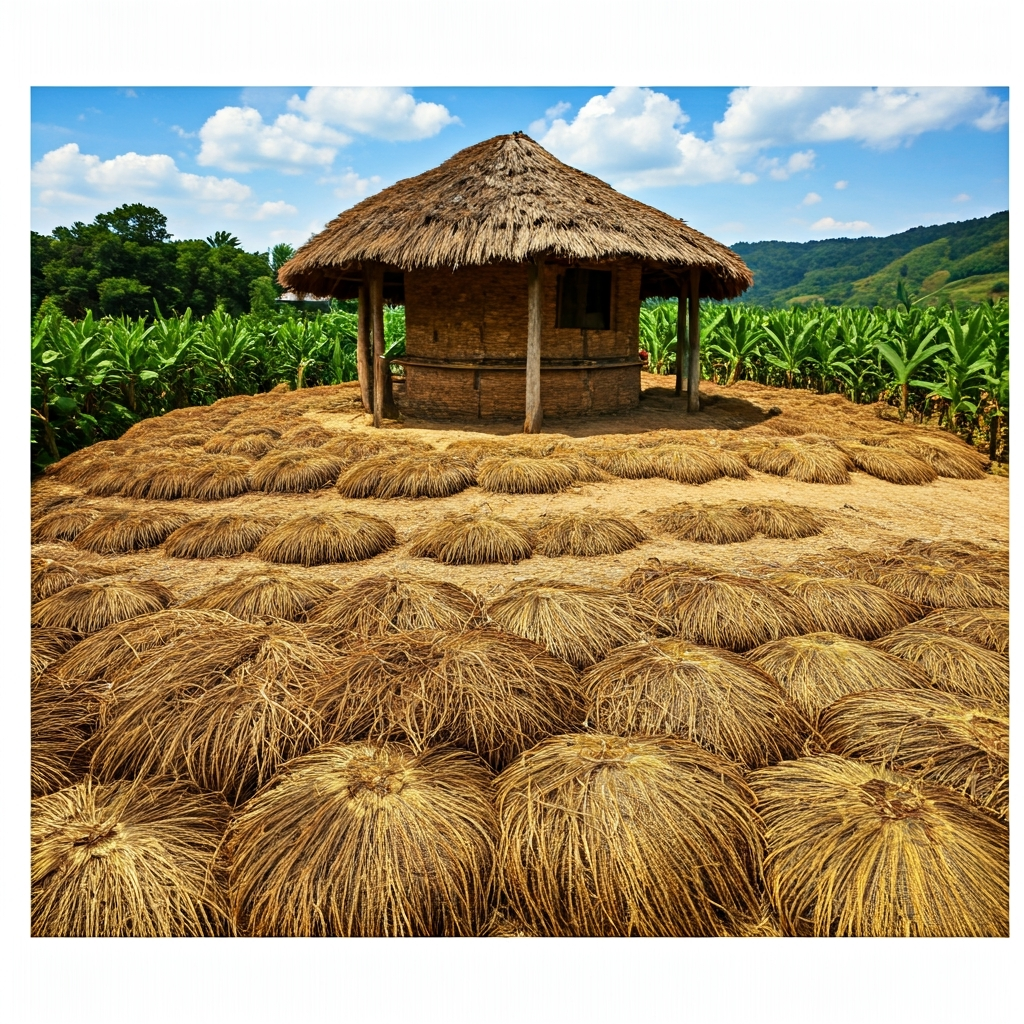
Copra Meal: A Complete Guide to Its Benefits, Uses, and Production
椰干粉 is one of the most underrated yet powerful ingredients in the animal feed industry, offering a sustainable solution to rising operational costs. For farm owners and livestock managers, the challenge of finding cost-effective, high-protein feed sources is a constant battle against market volatility.
This comprehensive guide delivers the definitive solution. We will explore the incredible benefits of this coconut byproduct that can revolutionize your feeding strategy. According to a 2022 report by the Food and Agriculture Organization (FAO), the livestock sector’s sustainability is a global imperative, making efficient and alternative ingredients like this more critical than ever.
What Exactly Is Copra Meal?
Copra meal, also known as coconut meal or copra cake, is the byproduct that remains after the extraction of oil from dried coconut kernels (copra). It is a highly valuable protein-rich feed ingredient used primarily for livestock. This isn’t a new discovery; for generations, agricultural communities in tropical regions have leveraged its nutritional power.
Essentially, after the oil is pressed from the copra, the leftover solid material is ground to create a palatable, digestible meal. Its value lies in its balanced nutritional profile, providing not just protein but also essential fiber, fats, and minerals, making it a cornerstone for formulating high-performance animal diets.
[Image: A close-up shot of light-brown, granular copra meal in a large pile, showing its texture. Alt: A pile of high-quality copra meal for animal feed. Title: Granular Copra Meal]
The Science Behind Its Nutritional Profile
Understanding the nutritional composition of coconut meal is key to unlocking its full potential. While values can vary slightly based on the oil extraction method (expeller-pressed vs. solvent-extracted), it consistently delivers a powerful nutritional punch.
The expeller method, which is more common, yields a meal with a higher residual oil content, providing more energy and making it more palatable for animals.
主要营养成分
The true strength of this feedstuff lies in its balanced array of nutrients. It serves as an excellent source of medium-chain fatty acids (MCFAs), which are known for their antimicrobial properties and rapid energy conversion. Furthermore, the amino acid profile, although deficient in lysine and methionine, perfectly complements other feedstuffs like soy or fish meal.
- 粗蛋白: Typically ranges from 18% to 25%, crucial for muscle development and overall growth.
- 粗纤维: High levels (10-18%) aid in digestive health, particularly for ruminants.
- 脂肪/油脂含量: Varies from 2% to 10%, providing a dense source of energy.
- 矿物质: A good source of phosphorus, potassium, and iron.
These components make it a versatile ingredient, but proper formulation is essential. For instance, supplementing with lysine can easily overcome its natural deficiency, creating a near-perfect feed base.
The Production Process of High-Quality Copra Meal
The journey from a coconut on a tree to nutritious feed in a trough is a multi-step process that demands precision. The quality of the final product is directly influenced by the care taken at each stage.
- De-husking and Splitting: Coconuts are manually or mechanically de-husked. The hard shell is then split open to expose the kernel.
- 干燥(椰干生产): The fresh kernels are dried to reduce moisture content from over 50% to below 6%. This can be done via sun-drying, smoke-drying, or kiln-drying. Quality drying is critical to prevent mold and aflatoxin contamination.
- 采油: The dried copra is sent for oil extraction. The most common method is the ‘expeller press’, which mechanically squeezes the oil out. The solid cake that remains is the primary component of copra meal.
- Grinding and Cooling: This leftover cake is then ground into a consistent, meal-like texture. It’s cooled to ensure stability and longevity before being bagged for distribution.
[Image: A mechanical expeller press in action, with golden-colored oil being separated from the solid copra cake. Alt: Oil extraction from copra, leaving the copra meal byproduct. Title: Expeller Press for Copra Meal Production]
7 Ultimate Benefits in Animal Feed
Integrating copra meal into livestock diets offers a remarkable range of advantages that impact everything from animal health to your bottom line. As experienced feed strategists, we’ve seen these benefits firsthand across various operations.
- 成本效益: It is often more affordable than soybean meal or fish meal, significantly lowering feed costs without sacrificing quality.
- High Palatability: Most animals find the sweet, nutty aroma of coconut appealing, which can lead to increased feed intake and faster growth rates.
- Improved Gut Health: The high fiber content promotes healthy digestion, particularly in ruminants like cattle and goats, reducing the risk of metabolic disorders.
- Antimicrobial Properties: The presence of lauric acid provides natural antimicrobial effects, helping to protect animals from common pathogens. For more on agricultural byproducts with similar benefits, consider researching 棕榈仁压榨机.
- Energy Boost: The residual coconut oil is a fantastic source of energy, improving the performance of dairy cattle and poultry.
- Sustainable and Natural: As a byproduct of coconut oil production, it’s a sustainable ingredient that makes excellent use of available resources.
- 多功能性: It can be successfully incorporated into the diets of a wide range of animals, from cattle and pigs to chickens and even fish.
[Image: Infographic showcasing the 7 benefits of copra meal with icons for each (e.g., a piggy bank for cost, a happy cow for palatability). Alt: An infographic detailing the 7 key benefits of copra meal for livestock. Title: Benefits of Copra Meal]
Practical Applications for Livestock
The inclusion rate of coconut meal varies depending on the species, age, and production goals. It’s crucial to introduce it gradually and as part of a balanced ration to maximize its potential.
For Ruminants (Cattle, Goats)
Ruminants benefit greatly from the high fiber and protein content. It’s an excellent “bypass protein” source, meaning it escapes digestion in the rumen and is absorbed in the small intestine, providing higher quality protein to the animal. Inclusion rates can be up to 30% of the total diet concentrate.
For Poultry
In broiler and layer diets, this ingredient can be included at 5-20%. As confirmed by studies in the Journal of Applied Poultry Research, its fiber can be a limiting factor for young birds, but it’s excellent for older hens, showing no negative impact on egg production at moderate levels.
For Swine
For pigs, inclusion rates are typically kept below 25%. While beneficial, its lower lysine content means it must be balanced with other protein sources. The high fiber is particularly useful for gestating sows to promote satiety and gut health.
Risks and Mitigation Strategies
While highly beneficial, awareness of potential issues is key to successful implementation. Proper management ensures you only get the upside.
- Aflatoxin Contamination: Poorly dried copra can develop molds that produce aflatoxins. Mitigation: Always source from a reputable supplier who provides a Certificate of Analysis (COA) showing it is tested and free from contaminants.
- 高纤维含量: For monogastric animals like poultry and swine, the high fiber can limit digestibility if used in excessive amounts. Mitigation: Adhere to recommended inclusion rates and consider using feed enzymes to improve fiber breakdown.
- 氨基酸失衡: The meal is naturally low in the essential amino acids lysine and methionine. Mitigation: Formulate rations with a nutritionist, balancing the diet with other protein sources (like soybean meal) or synthetic amino acids to cover any deficiencies.
Copra Meal vs. Other Ingredients: A Comparative Analysis
Choosing the right protein source is a complex decision. Here’s how copra meal stacks up against two other common alternatives: Soybean Meal and Palm Kernel Expeller. While we supply high-quality 椰干粉, understanding its place among alternatives is key to smart formulation.
| 属性 | 椰干粉 | 豆粕 | 棕榈仁压榨机 |
|---|---|---|---|
| 粗蛋白 | 18-25% | 44-48% | 14-21% |
| 粗纤维 | 10-18% | 3-5% | 15-20% |
| 主要优势 | Palatability, MCFAs | High Protein, Balanced Amino Acids | Cost-Effective, High Fiber |
| Limiting Factor | Lower Lysine | Higher Cost, Anti-nutritional factors | Lower Palatability, Grittiness |
This table highlights that there is no single “best” ingredient. For total farm efficiency, some operations even pair feed strategies using coconut byproducts with energy strategies using other materials like 棕榈仁壳 for biomass boilers.
Makmur Amanah Sejahtera 我们提供优质的棕榈产品,例如棕榈仁粕、棕榈仁壳、原棕榈油、棕榈仁油等。请联系我们。 WhatsApp +6282140002198 或发送电子邮件至 admin@makmuramanah.co.id.
常见问题解答 (FAQ)
Is copra meal good for dairy cattle?
Yes, it is excellent for dairy cattle. The bypass protein contributes to milk protein levels, and the residual fat provides energy for milk production. Its high fiber content also helps maintain good rumen function, which is critical for high-yielding cows.
Can this feed contain aflatoxins?
Yes, if the original copra is not dried or stored properly, it can be susceptible to mold growth, which produces aflatoxins. It is crucial to source your meal from a reputable supplier who performs strict quality control and can provide a COA for each batch.
What is the difference between copra meal and coconut flour?
While both come from coconuts, they are different. Copra meal is produced specifically for animal feed from the cake left after oil extraction. Coconut flour is processed further to a finer degree and handled to meet human-food grade standards.
椰干粉应该如何储存?
It should be stored in a cool, dry, and well-ventilated area away from direct sunlight. Use pallets to keep bags off the floor to prevent moisture absorption and deter pests. Proper storage is key to preserving its nutritional value and preventing spoilage.
Conclusion: The Future is Sustainable Feed
In a world grappling with resource scarcity and the need for sustainable agriculture, 椰干粉 stands out as an exemplary solution. It’s more than just a byproduct; it’s a valuable resource that can lower feed costs, improve animal health, and support a more circular economy.
The key takeaway is that strategic formulation is everything. By integrating high-quality feed into a balanced diet, you’re not just feeding your animals—you’re investing in their health, productivity, and the profitability of your farm. Don’t miss the opportunity to leverage this powerful ingredient in 2026 and beyond.
[Image: A healthy, robust-looking dairy cow eating from a trough that contains a mixed feed, subtly implying the inclusion of copra meal. Alt: A healthy dairy cow benefiting from a diet including copra meal. Title: Copra Meal for Dairy Cattle]
[Video Suggestion: An embedded YouTube video titled “How Copra Meal is Made: From Coconut to Livestock Feed” showing the entire production process from harvesting coconuts to bagging the final meal.]
 Chinese
  English
  Indonesian
  Arabic