
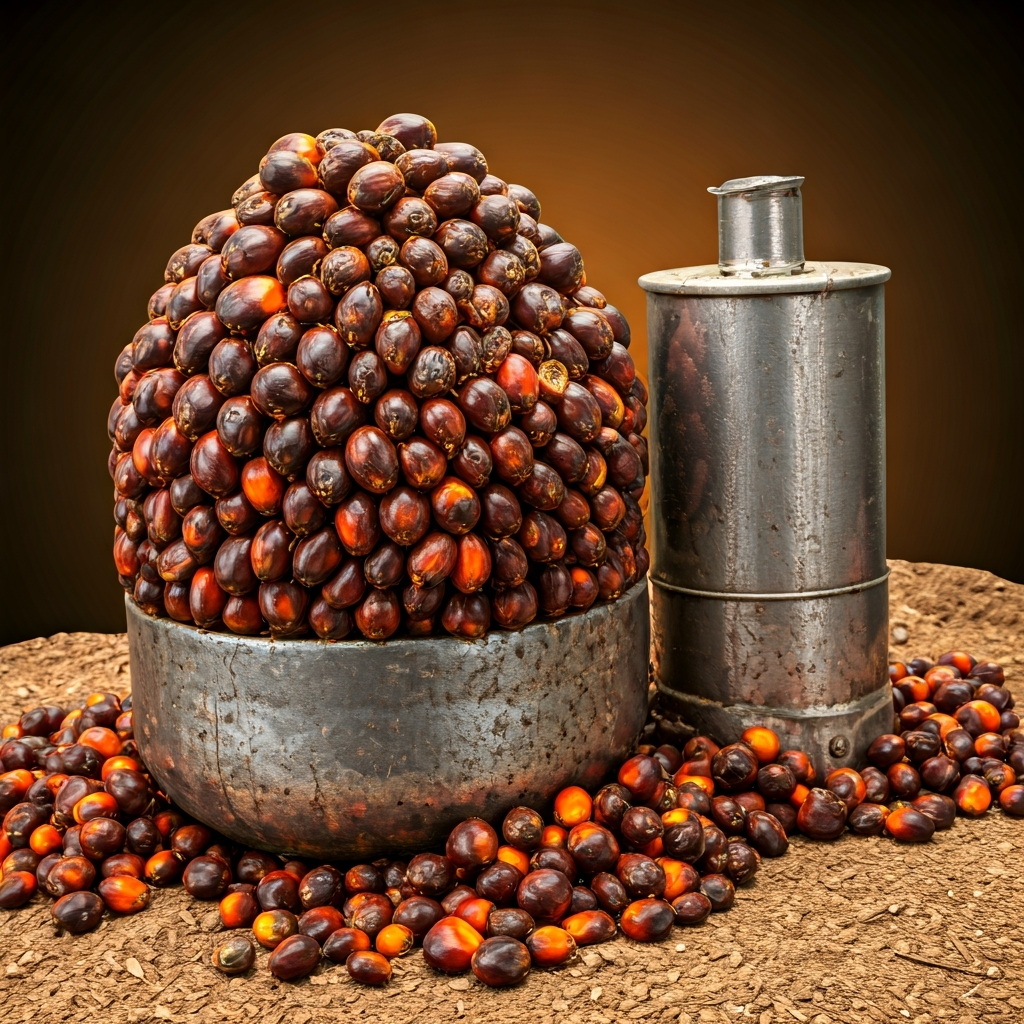
Palm Kernel Expeller in Egypt: Ultimate 2026 Price & Supplier Guide
The demand for high-quality, cost-effective Palm Kernel Expeller in Egypt is surging. As the nation’s livestock and poultry sectors aim for greater feed efficiency and sustainability, this ingredient has become essential. For farm owners and feed mill operators, understanding the market dynamics, pricing, and supplier landscape is critical for maintaining a competitive edge and ensuring herd health.
This guide provides the definitive 2026 outlook on securing this vital feed ingredient. As Egypt continues to bolster its food security initiatives, the reliance on imported components like PKE becomes a crucial economic factor. Our comprehensive resource cuts through the noise, offering a clear, actionable roadmap to navigating the complexities of the PKE market in Egypt. We will explore everything from nutritional benefits to identifying trustworthy suppliers, empowering you to make the most informed purchasing decisions.

什么是棕榈仁压榨机(PKE)?
Palm Kernel Expeller (PKE) is a co-product derived from the mechanical extraction of oil from the kernel of the oil palm fruit. After the crude palm kernel oil is pressed out, the remaining fibrous, protein-rich material is the expeller. It is a globally recognized feed ingredient, valued for its balanced nutritional profile and cost-effectiveness.
PKE vs. Palm Kernel Meal (PKM)
Often, the terms PKE and Palm Kernel Meal (PKM) are used interchangeably, but a slight distinction exists. PKE is produced via mechanical pressing, which leaves a residual oil content of around 5-12%. In contrast, PKM is typically produced using solvent extraction, resulting in a lower oil content (1-5%). For many feed applications in Egypt, the higher energy value of PKE is preferred for its metabolic benefits.
Why is PKE a Staple in Animal Feed?
PKE’s popularity stems from its economic and nutritional advantages. It provides a potent combination of protein, fiber, energy, and key minerals. This makes it an excellent partial substitute for more expensive feed ingredients like soybean meal or maize. Ultimately, it helps reduce overall feed costs without significantly compromising animal performance, a key goal for any profitable farm.
Current Price Trends for Palm Kernel Expeller in Egypt (2026 Analysis)
Analyzing the price of PKE in Egypt requires a multifaceted approach, as costs are influenced by global supply, shipping rates, and local demand. As of early 2026, the market is showing signs of stabilization after previous volatility, but staying informed on key indicators is crucial.
影响棕榈仁油价格的因素
Several key variables directly impact the landed cost of PKE in Egyptian ports like Alexandria or Port Said. Understanding these factors will help you anticipate market shifts:
- Global CPO Prices: The price of Crude Palm Oil (CPO) has a direct correlation with PKE, as they are produced from the same plant. When CPO prices rise, PKE often follows.
- 运输和物流成本: Freight charges from major producers like Indonesia and Malaysia are a significant component of the final price. According to the 世界银行, maritime transport costs remain a key variable in global commodity pricing.
- Egyptian Import Policies: Government tariffs, import duties, and foreign exchange rates can cause sharp price fluctuations. Staying updated on local trade policies is essential.
- Seasonal Demand: Demand for animal feed, particularly in the poultry sector, often peaks during certain times of the year, which can drive up short-term PKE prices.
Average Price Range in 2026
While prices are dynamic, the current 2026 market indicates an average CIF (Cost, Insurance, and Freight) price for PKE to major Egyptian ports ranging from $160 to $210 per metric ton. This price can vary based on the supplier, quality specifications (e.g., protein, oil content), and order volume. For a deeper analysis of related products, exploring ingredients like 椰干粉 can provide alternative cost comparisons.

Key Uses of PKE in Egypt’s Animal Feed Industry
The versatility of palm kernel expeller makes it a valuable asset in various animal nutrition applications across Egypt. Its primary use is in formulating compound feeds for different types of livestock, helping to optimize both cost and nutritional value.
反刍动物(牛、羊、山羊)饲料
PKE is highly favored in feed for dairy and beef cattle. Its high fiber content is beneficial for rumen function, and it provides a good source of bypass protein. Research from the 联合国粮食及农业组织(粮农组织) highlights its role in sustainable livestock production. Typical inclusion rates are between 15-30% of the total feed ration.
Poultry Feed Formulation
In poultry, PKE is used more cautiously. Its high fiber content can be challenging for monogastric animals like chickens to digest. However, at lower inclusion rates (3-7%), it serves as a cost-effective source of protein and energy in layer and broiler feeds. It often complements other ingredients in a well-balanced diet to manage costs effectively.
Aquaculture and Other Uses
The aquaculture industry in Egypt is also exploring PKE as a feed component for species like tilapia. Furthermore, its binding properties make it useful in the production of feed pellets, improving their durability and reducing waste during transport and feeding.
Nutritional Profile & Benefits of PKE for Livestock
Understanding the nutritional composition of Palm Kernel Expeller in Egypt is crucial for accurate feed formulation and maximizing animal performance. While the exact composition varies by source, a typical analysis provides a solid baseline.
- 粗蛋白: 14-18%
- 粗脂肪/油脂: 5-12%
- 粗纤维: 12-18%
- 代谢能: 1,700-2,200 kcal/kg (for poultry)
PKE vs. Soybean Meal (SBM): A Cost-Benefit Analysis
Here’s a comparative look at PKE and the more expensive Soybean Meal (SBM) to help you make strategic formulation decisions. This comparison is vital for any feed miller in the Egyptian market.
| 养分 | 棕榈仁压榨机(PKE) | Soybean Meal (SBM) |
|---|---|---|
| 粗蛋白 | 14-18% | 44-48% |
| 粗纤维 | 12-18% (High) | 5-7% (Low) |
| Amino Acid Profile | Lower in Lysine & Methionine | Excellent, balanced profile |
| 成本 | 降低 | 更高 |
The key takeaway is that PKE is not a direct replacement but an effective partial substitute. When balanced correctly with other ingredients, such as 棕榈油脂肪酸钙盐 to boost energy, it can significantly lower costs.

How to Source High-Quality Palm Kernel Expeller in Egypt
Sourcing reliable and high-quality PKE is paramount. The quality can affect everything from animal health to feed conversion ratios. Here’s a step-by-step guide to sourcing Palm Kernel Expeller in Egypt effectively.
Step 1: Identify Reputable Suppliers
Look for established international suppliers with a history of exporting to the Middle East. Companies like Makmur Amanah Sejahtera are direct producers and exporters from Indonesia, ensuring a direct line from the source. Verify their credentials, export licenses, and quality certifications (e.g., GMP, HACCP). Check industry resources like FeedNavigator for market news and supplier trends.
Step 2: Request a Certificate of Analysis (COA)
Never commit to a purchase without reviewing a recent COA. This document is non-negotiable and details the product’s exact specifications:
- Protein and Fat Content (to ensure it meets your formulation needs)
- Moisture Level (must be below 12% to prevent mold growth)
- Fiber and Ash Content
- Absence of contaminants like aflatoxins (request a separate test report)
Step 3: Understand Incoterms and Logistics
Be clear on the terms of sale—CIF (Cost, Insurance, Freight) is common for Egyptian importers. This means the seller is responsible for the cost and freight to the destination port. However, you are responsible for import clearance, port fees, and any associated duties. Work with an experienced local customs broker to ensure a smooth process.
Potential Challenges and Considerations When Using PKE
While PKE offers significant advantages, users must be aware of potential challenges to use it effectively and safely in their feed formulations.
Palatability and Digestibility
PKE can have a slightly gritty texture and a distinct smell, which may initially affect palatability for some animals. It’s recommended to introduce it gradually into the feed over several days. As mentioned, its high fiber content limits its inclusion rate in poultry and swine diets, a factor confirmed by numerous animal science studies.
Quality and Consistency of Supply
The quality of PKE available on the market can vary between suppliers. Sourcing from a single, trusted producer is crucial for maintaining consistent feed quality and predictable animal performance. This is where building a strong, long-term relationship with your supplier pays dividends. Additionally, consider related products like 棕榈仁壳 for biomass energy, often available from the same suppliers.
Risk of Mycotoxin Contamination
Like many feed ingredients shipped from tropical climates, PKE can be at risk of mycotoxin contamination if not dried and stored properly. Always insist on a recent aflatoxin test report from your supplier and practice good storage hygiene upon arrival at your facility. Keep storage areas dry and well-ventilated.
Makmur Amanah Sejahtera 我们提供优质的棕榈产品,例如棕榈仁粕、棕榈仁壳、原棕榈油、棕榈仁油等。请联系我们。 WhatsApp +6282140002198 或发送电子邮件至 admin@makmuramanah.co.id.

常见问题解答 (FAQ)
What is the main driver of PKE price in Egypt?
The primary driver is the global price of palm oil and international shipping costs. Local demand and Egyptian import regulations also play a significant role in the final landed cost of Palm Kernel Expeller in Egypt.
What is the ideal inclusion rate for PKE in dairy cow feed?
For dairy cows, an inclusion rate of 15-30% of the total dry matter intake is generally considered safe and effective. It’s best to consult a nutritionist to formulate the perfect ration for your specific herd and production goals.
Is PKE a good source of protein for poultry?
PKE provides a moderate level of protein. However, its amino acid profile is not as balanced as soybean meal. It is used effectively as a partial protein source, typically up to 7% in poultry diets, to manage feed costs without harming performance.
How can I ensure the PKE I buy is free from contaminants?
Always demand a recent Certificate of Analysis (COA) and a specific mycotoxin (especially aflatoxin) test report from your supplier. Sourcing from reputable, certified producers is your best defense against contamination and ensures feed safety.
Conclusion: Your Strategic Advantage in 2026
In conclusion, integrating PKE into your feed strategy can provide a significant competitive advantage. It helps lower costs and ensures a steady supply of key nutrients for your livestock. Success in 2026 hinges on understanding market trends, verifying quality through documentation, and partnering with reliable international suppliers.
By leveraging the insights in this guide, you are now better equipped to navigate the procurement process. The strategic use of Palm Kernel Expeller in Egypt is a key component for building a more profitable and sustainable livestock, poultry, or aquaculture operation for the future.

 Chinese
  English
  Indonesian
  Arabic