

椰糠 is an eco-friendly growing medium derived from processed coconut husks that offers unprecedented moisture retention and aeration for indoor and outdoor plants. As global agricultural practices shift toward sustainable alternatives, traditional potting soil is rapidly being replaced by high-performance organic substrates. Whether you manage a commercial greenhouse or maintain an urban apartment garden, understanding how to utilize this organic byproduct will transform your cultivation success.
According to research published by the 联合国粮食及农业组织(粮农组织), sustainable soil management and soilless substrates are crucial for preserving topsoil ecosystems while enhancing agricultural yields. Topsoil depletion, fungal contamination, and poor drainage continue to plague conventional agricultural setups.
By transitioning to premium coconut coir products, commercial growers achieve superior root structure development, reduced water usage, and complete protection against soil-borne pathogens. Using a high-grade soilless growing medium allows complete control over plant nutrition and root zone hydration.
What Is Cocopeat? Origin and Composition
[Image: High-quality compressed cocopeat block expanding in water | Alt text: Hydrating a compressed brick of organic cocopeat for gardening | Title: Compressed Cocopeat Block Hydration Process]
椰糠, commonly referred to in horticulture as coconut coir dust 或者 coco coir, is the natural cellular dust extracted during the processing of coconut husks. When fresh coconuts are processed for food and industrial manufacturing, the fibrous outer shell yields long structural fibers alongside a spongy binder material.
This spongy binder is thoroughly washed, dried, cured, and graded into the light growing substrate used worldwide today. As a versatile coconut husk fiber derivative, it provides a stable environment for delicate root networks across diverse agricultural sectors.
Chemically, this material is rich in lignin and cellulose, which prevents rapid biodegradation. Unlike traditional peat moss—which takes thousands of years to form in vulnerable wetland bogs—coconut coir is a sustainable peat moss alternative harvested annually from renewable palm crops. A thorough overview of processing methods can be explored via Wikipedia’s detailed coir overview.
Physical and Chemical Specifications of Cocopeat
To maximize growth efficiency, professional horticulturists evaluate substrates based on physical structure and cation exchange capability. Standard raw coir offers a natural pH range between 5.8 and 6.8, making it ideal for almost all plant varieties without aggressive chemical buffering.
- Porosity: Up to 95% total pore space, allowing exceptional oxygen circulation around root zones.
- Water Holding Capacity: Functions as a superior moisture retention medium, retaining 8 to 10 times its dry weight.
- Electrical Conductivity (EC): Premium washed grades maintain an EC of less than 0.5 mS/cm.
- Cation Exchange Capacity (CEC): Ranging from 60 to 130 meq/100g, holding key nutrients like potassium and magnesium efficiently.
Why Cocopeat Is Better Than Soil for Plants: Key Differences
理解 why cocopeat is better than soil for plants begins with analyzing root respiration and moisture kinetics. Traditional topsoil frequently suffers from structural compaction, erratic drainage, weed seeds, and harmful fungal pathogens such as 腐霉 和 疫霉属.
In contrast, sterile coconut coir creates a highly stable subterranean microenvironment that encourages continuous root expansion without standard soil liabilities. Scientific evaluations from the 美国农业部(USDA) confirm that soilless media significantly reduce pest pressure while improving irrigation efficiency in greenhouse environments.
Below is a detailed cocopeat vs topsoil water retention comparison and structural breakdown highlighting key physical attributes:
| Property / Feature | Cocopeat Substrate | Traditional Topsoil / Potting Soil |
|---|---|---|
| 水分保留 | Extremely High (Retains 8–10x dry weight) | Moderate to Low (Compacts easily over time) |
| Aeration & Oxygenation | Excellent (30% air space when fully saturated) | Poor (Prone to root suffocation when wet) |
| Pathogen & Weed Risk | Naturally Sterile (Zero weed seeds or fungi) | High Risk (Fungi, weed seeds, pest larvae) |
| pH Stability | Slightly Acidic to Neutral (5.8 – 6.8) | Highly Variable (Requires frequent adjustments) |
| 可重复使用性 | Reusable up to 3–5 growing seasons | Single-season (Nutrient depleted, compacts) |
| Weight Factor | Lightweight (Reduces shipping & handling costs) | Heavy and dense when wet |
Because topsoil compacts over multiple irrigation cycles, plant roots struggle to penetrate hardened dirt. The resilient fibrous texture of natural coconut dust remains loose, ensuring root tips expand freely throughout the container.
7 Essential Benefits of Using Cocopeat in Modern Agriculture
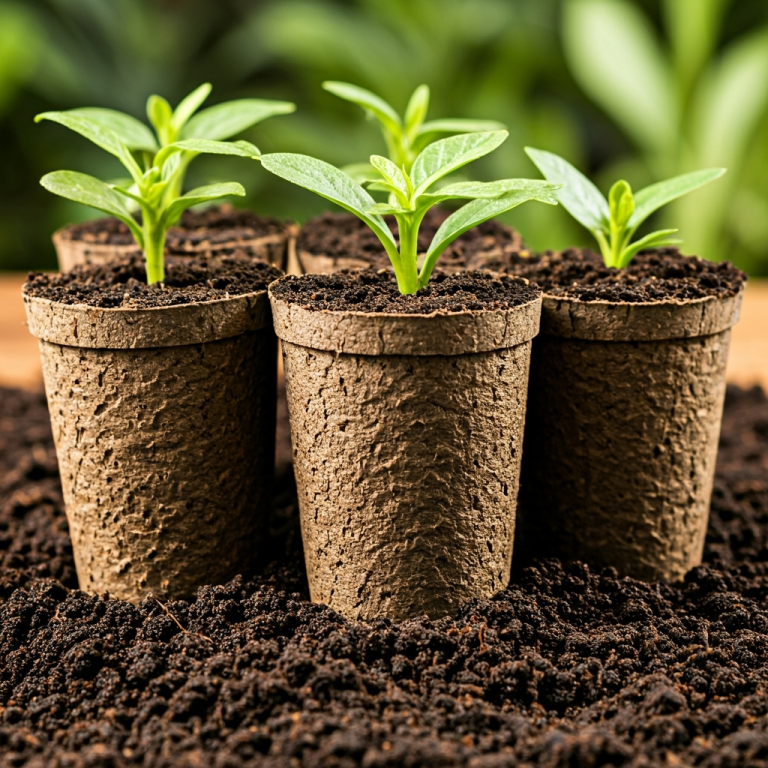
[Image: Healthy green plant seedling growing in a dark brown cocopeat substrate | Alt text: Nursery seedling thriving in rich organic cocopeat potting mix | Title: Young Seedling Rooted in Cocopeat Substrate]
Switching your operational media to high-quality cocopeat delivers direct biological and financial advantages. Below are seven proven benefits explaining why commercial growers prefer coir over traditional dirt.
1. Unmatched Moisture Retention and Water Conservation
Because coir cells operate like micro-sponges, they hold water far longer than topsoil or sphagnum peat. Irrigation frequency can be reduced by 30% to 50%, saving significant labor, energy, and water resources in hot climates.
2. Superior Root Zone Aeration
Even when fully saturated, coconut coir preserves adequate air pockets around the root capillary network. This constant oxygen presence accelerates nutrient uptake and prevents anaerobic root rot diseases.
3. Neutral and Adaptable pH Balance
Unlike sphagnum peat moss—which is highly acidic (pH 3.5 to 4.5) and requires heavy agricultural lime additions—coir naturally sits near optimal pH levels. This minimizes chemical amendments and stabilizes nutrient availability.
4. Eco-Friendly and Renewable Sustainability
Peat mining destroys critical carbon-sink wetlands that take thousands of years to form. Coconut coir is a fully renewable organic byproduct harvested continuously from palm plantations, making it the most environmentally responsible option available.
5. High Resistance to Pests and Diseases
Pathogens struggle to establish colonies within clean coir media. Its naturally sterile state discourages fungus gnats, root rot diseases, and unwanted weed growth right out of the packaging bag.
6. Exceptional Cation Exchange Capacity (CEC)
Coir absorbs and slowly releases plant nutrients over time. According to research on ScienceDirect regarding soilless substrates, optimized CEC values prevent fertilizer leaching, ensuring your crops receive steady, uninterrupted nourishment.
7. Long Operational Lifespan and Reusability
Due to high structural lignin content, coir breaks down very slowly. Commercial growers can re-wash, buffer, and sterilize used coir, reusing the exact same growing substrate for multiple harvest cycles over 3 to 5 years.
Common Uses of Cocopeat in Horticulture and Farming
The versatility of coconut coir extends across dozens of commercial and home gardening applications. Depending on crop requirements, growers adjust particle sizes from fine dust to coarse coconut chips.
- Hydroponic Crop Production: Functions as a high-performing hydroponic substrate for tomatoes, cucumbers, strawberries, and leafy greens.
- Seed Germination and Nursery Plugs: Fine-grade coir supports fast germination rates and healthy taproot establishment.
- 盆栽土改良剂: Acts as an effective natural soil conditioner when mixed with perlite, compost, and topsoil to improve structure.
- Microgreen and Mushroom Cultivation: Serves as an ideal sterile casing layer for rapid fungal mycelium and microgreen development.
- Bedding for Worm Farms (Vermiculture): Provides an odorless, non-toxic, moisture-rich environment for earthworms.
To further enhance total agricultural output and livestock nutrition, commercial operations frequently integrate coir growing setups alongside high-grade agricultural derivatives such as 棕榈仁压榨机 或者 椰干粉 for livestock feeding, as well as 棕榈油脂肪酸钙盐 to maximize farm efficiency.
How to Prepare Cocopeat for Indoor Plants: Step-by-Step
[Image: Infographic showing 4 steps to buffer and prepare cocopeat bricks | Alt text: Infographic illustration of hydrating rinsing and buffering cocopeat | Title: Step by Step Cocopeat Preparation Guide]
Knowing how to prepare cocopeat for indoor plants ensures optimal root expansion and prevents nutrient lockout. Follow this simple 4-step process to prepare your growing medium:
- Hydrate the Block: Place the compressed coir block in a large container. Add warm water gradually (roughly 4–5 liters of water per 1 kg block). Allow it to expand for 10–15 minutes.
- Fluff the Material: Break up any remaining dense chunks using your hands or a garden fork until the substrate texture is uniform and light.
- Execute the Best Cocopeat Block Buffering Process: Flush your expanded coir with a calcium nitrate and magnesium sulfate solution. This replaces naturally occurring sodium and potassium ions with essential calcium and magnesium.
- Mix and Fertilize: Combine the prepared coir with perlite (70% coir to 30% perlite ratio) and introduce your preferred liquid or slow-release fertilizer.
Video Guide: Hydrating and Buffering Coir Blocks
[Video Embed Suggestion: YouTube video titled ‘How to Hydrate and Calcium-Buffer Coco Coir Bricks for Maximum Root Growth’ | Description: A visual walkthrough showing brick expansion, EC testing, and calcium buffering.]
Potential Drawbacks of Cocopeat and How to Overcome Them
While coir offers massive benefits, unrefined products present minor challenges if handled incorrectly. Low-grade suppliers often wash raw coir in ocean water, resulting in elevated electrical conductivity (EC) and high sodium levels.
However, purchasing triple-washed, calcium-buffered products eliminates salt toxicity entirely. Additionally, because raw coir contains no inherent macronutrients like nitrogen or phosphorus, growers must implement a balanced hydroponic liquid nutrient program from day one.
常见问题解答
Can I plant directly in 100% cocopeat?
Yes, you can plant directly into coir, but because it contains zero natural nutrients, you must provide water-soluble fertilizers continuously. For best results, mix 70% coir with 30% perlite or organic compost to improve drainage and microbial activity.
Does cocopeat attract bugs or fungus gnats?
No, pure coir is naturally sterile and inert, meaning it does not attract gnats or soil insects. Gnat infestations typically occur only if you overwater your plants or introduce unsterilized organic compost into your container mix.
How long does cocopeat last before degrading?
Due to its high structural lignin content, coir decomposes very slowly. It retains its physical structure and water-retention properties for 3 to 5 years, allowing growers to re-sterilize and reuse it across multiple planting seasons.
Do I need to wash cocopeat before using it?
If you purchase unwashed or unbuffered coir bricks, you must flush them thoroughly with clean water to remove excess sodium salts. Premium pre-washed coir products can be hydrated and used immediately without risk of salt burn.
Is cocopeat safe for all types of indoor plants?
Virtually all indoor foliage, succulents, tropicals, and vegetables thrive in coir mixtures. Succulents and cacti simply require additional coarse drainage material like pumice or perlite added to the medium to prevent excess moisture retention.
Conclusion: Why You Should Switch to Cocopeat Today
[Image: Commercial greenhouse rows utilizing high density cocopeat grow bags | Alt text: Modern agricultural greenhouse using cocopeat substrate grow bags | Title: Commercial Greenhouse Farming with Cocopeat]
Transitioning from dense traditional dirt to organic coconut fiber is one of the most effective upgrades any grower can make. By optimizing water management, expanding root zone aeration, and eliminating soil-borne pathogens, this sustainable medium consistently yields faster growth rates and healthier plants.
Investing in high-grade 椰糠 ensures your garden or commercial farm operates cleanly, efficiently, and sustainably. Explore high-performance organic growing solutions today to maximize your agricultural yields!
 Chinese
  English
  Indonesian
  Arabic