
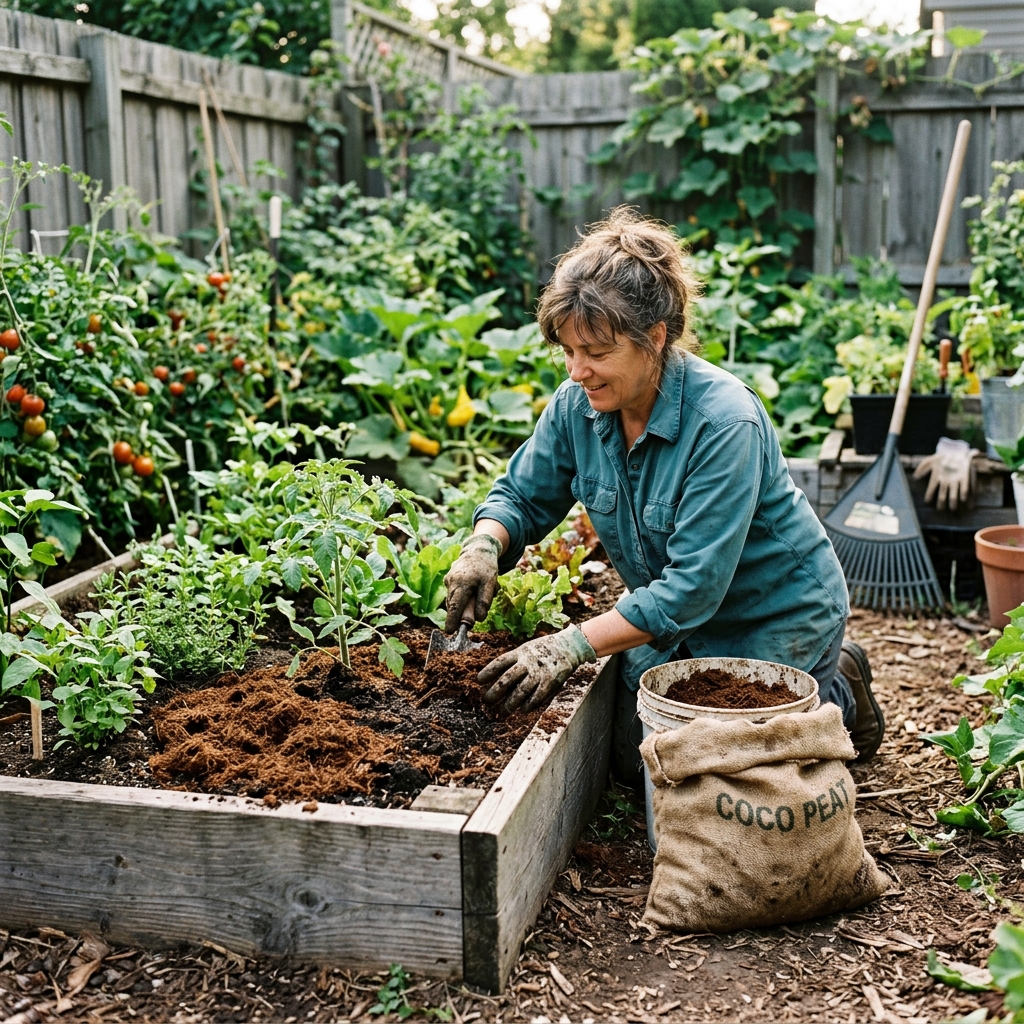
Are you struggling with waterlogged roots, soil compaction, or stubborn weeds in your garden? Switching to coco peat can completely transform your gardening success by providing superior moisture retention and aeration for healthier plant development.
Traditional garden soil often harbors pests, weed seeds, and fungal pathogens that threaten delicate root systems. As professional horticulturists and urban gardeners seek cleaner, more efficient growing methods, coco peat has emerged as the definitive gold standard for sustainable plant cultivation.
根据 ScienceDirect Agricultural Research Database, organic coir substrates significantly enhance root zone oxygenation compared to heavy clay soils. Furthermore, transitioning to high-grade 椰糠 ensures your plants receive optimal structural support without the risk of soil-borne diseases.
What is Coco Peat and How is it Produced?
Coco peat, frequently known as coir pith or coconut fiber dust, is a natural byproduct generated during the extraction of coconut fiber. Manufacturers process the spongy husk tissue found between the hard internal shell and the outer coat of coconuts.
This renewable resource was historically discarded as agricultural waste. Today, advanced processing transforms it into a premier eco-friendly growing medium for commercial greenhouses and residential container gardening alike.
The Natural Manufacturing Process
Raw coconut husks undergo a lengthy aging and washing process to reduce naturally high sodium and potassium levels. Specialized machinery then compresses the washed pith into convenient bricks, blocks, or loose-fill bags ready for hydration.
Physical Structure and Composition
Microscopically, coco peat particles feature millions of tiny capillary micro-sponges that absorb water rapidly. This unique physical architecture prevents compaction while maintaining an ideal balance of air and moisture around delicate root structures.
[Image: Close-up macro photograph of hydrated organic coco peat showing porous texture, Alt text: coco peat texture and structure, Title: High-grade coco peat macro shot]
Top 7 Benefits of Using Coco Peat Instead of Soil
Replacing traditional earth with a specialized organic substrate unlocks remarkable agronomic advantages. Let us explore the primary reasons why modern growers prefer this material.
1. Superior Water Retention and Drainage
Unlike heavy clay soils that retain excess water and suffocate roots, coco peat holds up to eight to ten times its dry weight in water. Simultaneously, its fibrous nature guarantees rapid drainage of surplus moisture, virtually eliminating root rot risks.
2. Exceptional Aeration for Root Health
Oxygen availability within the root zone dictates overall plant vigor. The porous nature of coir guarantees ample airflow, stimulating robust root branching and beneficial microbial colonization.
3. Perfect Neutral pH Balance
Soil acidity often fluctuates wildly, requiring continuous amendments. Conversely, coco peat naturally maintains a stable pH range between 5.5 and 6.8, which optimizes essential nutrient uptake for most ornamental and edible crops.
- Pest and weed-free environment right out of the bag
- Reusable for multiple growing seasons with proper sterilization
- Lightweight profile ideal for hanging baskets and rooftop gardens
- Environmentally sustainable byproduct of the coconut industry
Coco Peat vs Traditional Soil: Comprehensive Comparison
To fully appreciate why horticulturists make the switch, examining a direct performance metric comparison is invaluable. The table below outlines key differences across crucial growing parameters.
| Growing Parameter | Traditional Soil | Coco Peat |
|---|---|---|
| 水分保留 | 中等至差 | Exceptional (8-10x weight) |
| Aeration Level | Prone to Compaction | High / Excellent |
| pH Stability | Variable (Requires testing) | Stable (5.5 – 6.8 range) |
| Weeds & Pathogens | Frequently Present | Sterile / Weed-Free |
| Weight | Heavy | Ultra-Lightweight |
[Image: Side-by-side comparison of potted plant in heavy garden soil versus flourishing plant in light coco peat, Alt text: coco peat versus soil comparison, Title: Soil vs coco peat plant growth performance]
How to Prepare and Use Coco Peat Effectively
Utilizing compressed coir bricks requires proper hydration and conditioning before planting. Skipping these preparatory steps can lead to stunted growth due to natural salt retention.
Step-by-Step Hydration Guide
- Place the compressed brick inside a large wheelbarrow or plastic storage container.
- Pour warm water over the block (typically 4 to 5 liters per kilogram of dry coir).
- Allow the material to sit undisturbed for 15 to 20 minutes as it expands dramatically.
- Fluff the expanded medium thoroughly using a garden trowel or gloved hands.
Buffering and Nutrient Integration
Because raw coir contains naturally bound potassium and sodium ions, rinsing and buffering with calcium nitrate is recommended for optimal results. Additionally, since pure coir is inert, you must mix in organic fertilizers or utilize liquid nutrient solutions during watering cycles.
Ideal Applications for Coco Peat in Modern Horticulture
Versatility remains one of the greatest strengths of this substrate. Growers apply it across diverse agricultural niches with phenomenal success.
Seed Starting and Propagation
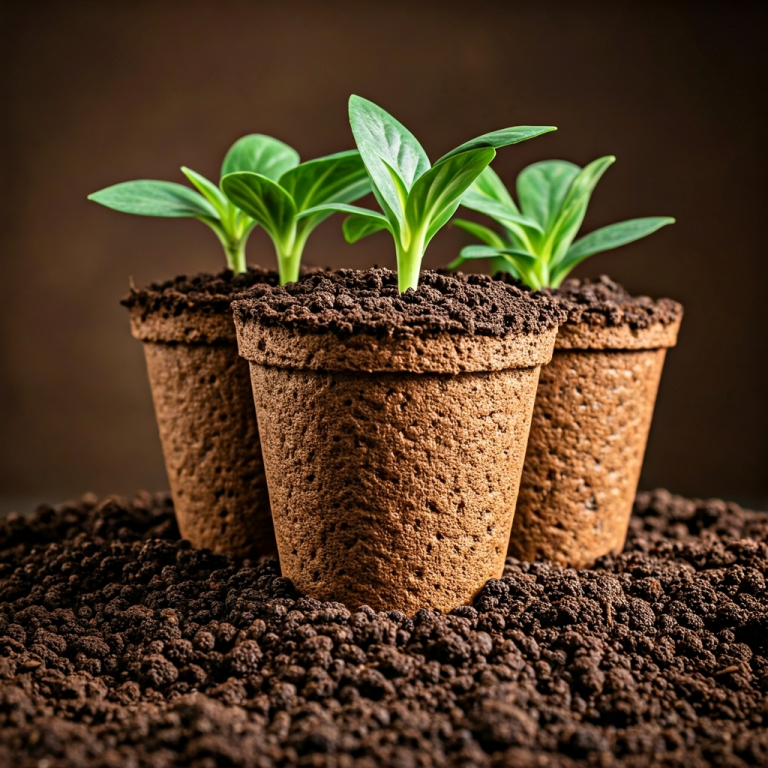
Germinating delicate seeds requires a fine-textured, sterile medium that maintains constant moisture without crusting over. Coir dust provides a uniform germination bed that protects vulnerable seedlings from damping-off diseases.
Hydroponics and Container Gardening
Commercial greenhouse operators utilize pure coir or blends incorporating 棕榈仁压榨机 derivatives and perlite for soilless crop production. This guarantees maximum nutrient control and accelerated harvest cycles.
[Image: Professional greenhouse setup utilizing soilless coir substrates for commercial crop cultivation, Alt text: commercial greenhouse using coco peat, Title: Modern greenhouse coco peat farming]
Common Mistakes to Avoid When Growing with Coco Peat
Even experienced gardeners can commit errors when transitioning away from native earth. Avoiding these common pitfalls ensures long-term cultivation success.
Ignoring Nutrient Management
Remember that coir is completely inert upon purchase. Failing to supplement with balanced micro and macronutrients will quickly lead to nutrient deficiency symptoms such as yellowing leaves.
Overwatering the Substrate
Because coir holds moisture so efficiently, enthusiastic gardeners often water too frequently. Always check moisture levels a few inches below the surface before applying additional water.
Makmur Amanah Sejahtera 我们提供高品质的棕榈产品,例如棕榈仁粕、棕榈仁壳、原棕榈油、棕榈仁油等。请通过 WhatsApp 联系我们。 +6282140002198 或发送电子邮件至 admin@makmuramanah.co.id.
常见问题解答
Can I use coco peat straight out of the bag without washing?
While most pre-washed commercial blocks are safe, rinsing and buffering raw coir eliminates excess salts that can otherwise cause nutrient lockout in sensitive plants.
How long does coco peat last before needing replacement?
High-quality coir retains its structural integrity for up to three to four years. You can easily sterilize and reuse it across multiple successive planting seasons.
Does coco peat require special fertilizers?
Yes, because it lacks natural mineral content, you should use a balanced hydroponic or water-soluble fertilizer containing calcium and magnesium supplements.
Can I mix coco peat with normal garden soil?
Absolutely. Blending coir into heavy clay or sandy earth significantly improves overall soil texture, aeration, and moisture retention capabilities.
Is coco peat considered environmentally sustainable?
Yes, coco peat is an exceptional renewable resource derived from waste husks of the coconut industry, making it an eco-friendly alternative to peat moss.
[Image: Infographic outlining the step-by-step hydration and nutrient mixing process for coir bricks, Alt text: coco peat preparation infographic, Title: Ultimate coco peat usage guide infographic]
结论
Transitioning from traditional dirt to an advanced organic substrate represents one of the most impactful upgrades you can make for your plants. By offering unmatched water retention, stellar aeration, and a sterile growing environment, it solves the most common gardening frustrations. Embrace the future of sustainable cultivation and elevate your harvest by integrating premium coco peat into your gardening routine today.

 Chinese
  English
  Indonesian
  Arabic