
GACC Approved Palm Kernel Expeller: #1 Best 2026 Guide
GACC approved palm kernel expeller is mechanically extracted, protein-rich tropical oilseed cake certified by China Customs for biosecure animal feed imports. Sourced from certified Indonesian palm crushing mills, this livestock ingredient guarantees compliance with Chinese safety standards while preventing border rejection and customs delays.
Securing authentic GACC approved palm kernel expeller directly from verified Indonesian crushing plants prevents costly customs seizures at Chinese entry ports. Navigating evolving cross-border feed hygiene mandates requires strict technical compliance, authentic mill registrations, and absolute transparency in product specifications. This definitive guide delivers critical intelligence on international customs codes, benchmark export pricing, quality metrics, and proven vetting strategies for global commodity procurement teams.
International livestock feed supply chains increasingly depend on high-energy tropical oilseed by-products to sustain industrial beef and dairy herd expansion. According to global agricultural trade reports by the 联合国粮食及农业组织(粮农组织), protein-rich agro-industrial residues represent over 30% of supplementary commercial feed formulations worldwide. However, regulatory oversight has tightened exponentially, leaving buyers vulnerable if suppliers lack certified administrative clearance.

Understanding GACC Regulations for Palm Kernel Expeller Imports
The General Administration of Customs of the People’s Republic of China enforces stringent biosecurity protocols across all incoming botanical feedstocks. Any overseas enterprise attempting to discharge livestock meal into mainland ports must hold formal facility accreditation under administrative decrees. Purchasing uncertified agricultural by-products inevitably leads to immediate container rejection, cargo re-exportation, or mandatory portside incineration.
Procuring certified feed ensures consignments bypass unexpected border impoundments and administrative documentation penalties. Compliance safeguards the entire supply chain, protecting capital allocations and maintaining feeding schedules across Chinese livestock facilities. Importers must therefore scrutinize regulatory documentation prior to opening commercial letters of credit.
The primary regulatory obstacle facing buyers involves securing verified supply chains that trace back to accredited Indonesian processing facilities. Every production lot requires valid phytosanitary declarations and mill registration codes before ocean freighters depart origin terminals.
What are GACC Decrees 248 and 249?
Under the General Administration of Customs China decree 248 and Decree 249, overseas manufacturing facilities must complete official facility registration to ensure feed hygiene administration. These regulatory frameworks demand rigorous end-to-end traceability, from raw fruit processing through warehousing and container loading. The official customs directory maintains public lists of approved foreign facilities permitted to export feed materials to Chinese destinations.
Every overseas mill processing commercial animal nutrition components must renew its credentials periodically and undergo audit reviews. Facilities exporting GACC approved palm kernel expeller demonstrate full compliance with plant quarantine provisions, processing hygiene mandates, and physical contaminant prevention protocols. Failing to update registration records invalidates trade documents, regardless of contract status.
Key Registration Criteria for Indonesian Processing Mills
Indonesian crushing plants must pass bilateral scrutiny conducted jointly by Indonesia’s Agricultural Quarantine Agency (Badan Karantina Indonesia) and Chinese inspectors. The evaluation protocol audits pest control, chemical residues, processing temperatures, and automated magnetic metal-separation stations. Verified mills must maintain clean, pest-free flat-stores equipped with active aeration systems.
Furthermore, reliable mills partner with trusted international inspection agencies like SGS or Sucofindo to perform pre-shipment phytosanitary sampling. When sourcing GACC approved palm kernel expeller, always require the supplier’s valid enterprise registration number before finalizing sales contracts. Documentation transparency guarantees compliance across both exporting and importing border jurisdictions.
HS Code Classification for GACC Approved Palm Kernel Expeller
Accurate tariff classification remains essential for preventing delays, penalties, and unexpected customs surcharges during clearance. Palm kernel residues fall under specific commodity codes that separate mechanical expeller pressings from solvent-extracted meals. Correct paperwork ensures frictionless declaration through Chinese automated customs windows.
The Harmonized System strictly categorizes oilcake and other solid residues resulting from palm nut and kernel extraction. Commercial traders handling palm meal must accurately identify the exact trade code to secure favorable import tariff treatments under regional trade agreements.
Global 6-Digit HS Code vs. China 10-Digit Tariffs
On an international level, the World Customs Organization designates oilcake residues derived from palm nut extraction under palm kernel expeller hs code 230660. However, customs declarations entering Chinese maritime ports require an extended 10-digit national tariff code:
- International Standard: HS 2306.60.00 (Oilcake and other solid residues of palm nuts or kernels)
- China Import Declaration Code: HS 2306.60.00.00 (Imported feed-grade palm nut or kernel cake)
- Export Declaration (Indonesia): HS 2306.60.10 or 2306.60.90 depending on specific oil concentration and processing profile
Misclassifying shipments under general vegetable oil residues creates regulatory friction and triggers administrative customs audits. Importers must cross-reference bill of lading entries with origin certificates to ensure identical code synchronization across all transport records.
Import Tariffs and Custom Clearance Protocol
Under the ASEAN–China Free Trade Area (ACFTA) agreements, importers benefit from preferential tariff regimes. When importers submit a valid Certificate of Origin Form E alongside documentation for GACC approved palm kernel expeller, the basic import tariff drops to 0%. Importers must still budget for domestic value-added tax (VAT), which standardly applies to commercial agricultural feedstuffs.
Customs clearance packages require five foundational documents to complete automated port clearance protocols:
- Commercial Invoice and Detailed Packing List stating the manufacturer’s GACC establishment registration number.
- Clean on Board Ocean Bill of Lading matching inbound port manifests.
- Official phytosanitary certificate livestock feed endorsement issued by Indonesian quarantine authorities.
- Certificate of Origin (Form E) endorsed by authorized Indonesian government trade agencies.
- Pre-shipment Certificate of Weight and Quality issued by accredited international testing agencies.

2026 Price Trends and Market Dynamics for GACC Approved Palm Kernel Expeller
The benchmark pricing for exported tropical feed ingredients experiences seasonal and macroeconomic adjustments throughout the trading year. In 2026, the bulk palm kernel expeller price per ton 2026 stabilizes around $145 to $185 per metric ton FOB Indonesia for breakbulk shipments. Containerized orders packed in woven polypropylene bags generally command an additional $18 to $28 per metric ton due to bagging overhead and container handling costs.
Procuring certified GACC approved palm kernel expeller typically incurs a slight premium over uncertified domestic stock, ranging between $5 and $10 per ton. This differential reflects the rigorous laboratory testing, warehouse sterilization, and administrative auditing required to retain Chinese customs clearance approvals.
FOB Indonesia vs. CIF China Pricing Factors
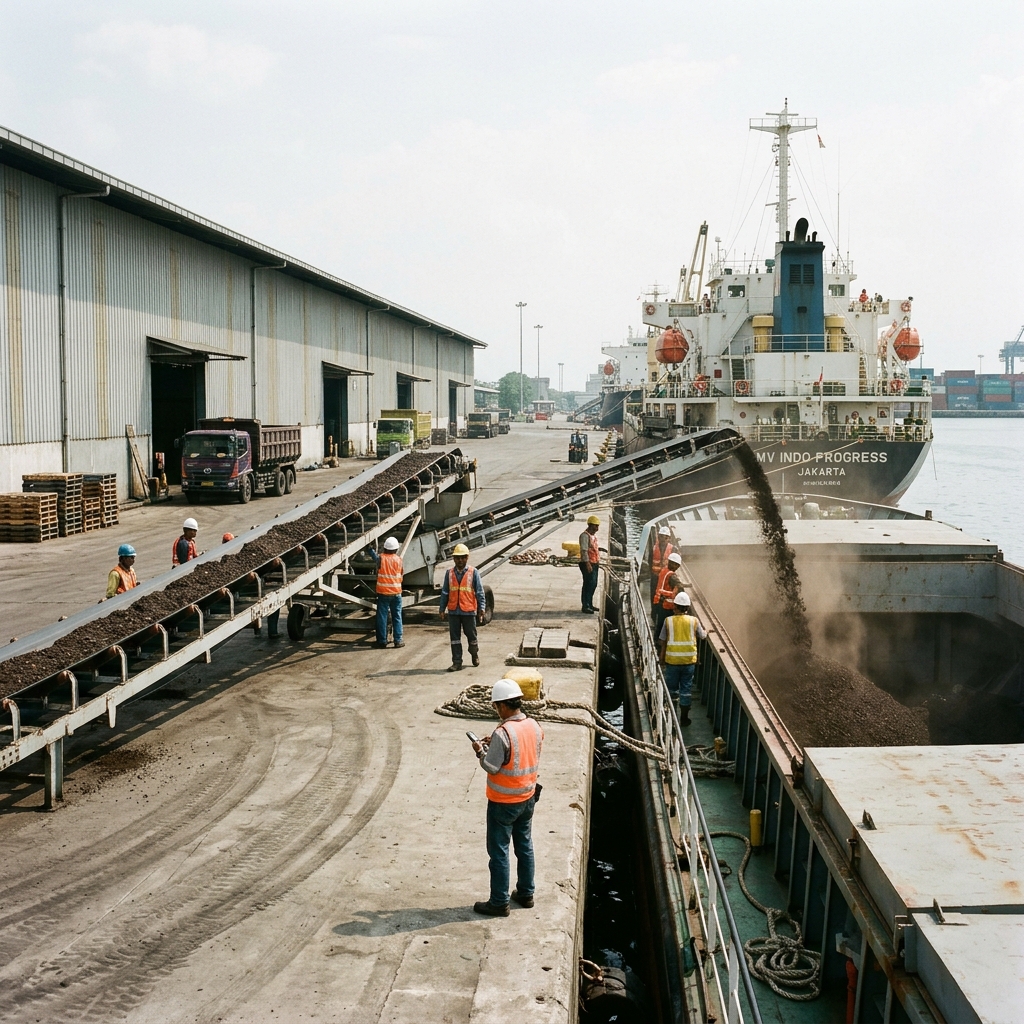
Freight volatility across East Asian maritime corridors significantly impacts delivered port costs. While FOB prices represent pure product loading economics in ports like Belawan, Dumai, or Panjang, CIF prices include marine transit expenses to major terminals like Qingdao, Tianjin, and Guangzhou.
Procuring CIF Qingdao feed ingredients requires careful monitoring of regional bulk freight rates and bunker fuel adjustments. Shipping dry bulk agricultural commodities involves specific charter parties and discharge laytime considerations. Buyers should compare seasonal freight quotes between bulk handysize carriers and standard 40-foot sea containers to optimize total landed cost per unit of crude protein.
Sourcing GACC Approved Palm Kernel Expeller at Peak Harvest
Production volumes correlate directly with Fresh Fruit Bunch harvesting seasons across Sumatra and Kalimantan plantations. Peak palm harvest periods between August and November yield higher processing volumes, often applying downward pressure on spot market FOB price levels. Conversely, the monsoon season between December and February can impede internal logistics and reduce mill output.
Additionally, substitution economics strongly influence buying behaviors among commercial livestock feed formulators. When international corn and soybean meal prices surge on the Chicago Board of Trade, industrial demand for secondary energy feeds like GACC approved palm kernel expeller climbs correspondingly.
Nutritional Specifications and Quality Standards
Palm kernel expeller serves as a dependable source of metabolizable energy and dietary fiber for ruminants and swine. Unlike chemically extracted meals, mechanical expeller pressings retain residual palm kernel oil, enhancing the overall caloric value of livestock feed rations. A meta-analysis published in ScienceDirect agricultural research confirms that dietary inclusion of palm kernel cake supports consistent milk production and rumen health in dairy cattle.
Maintaining strict quality control ensures that cargo fulfills nutritional expectations without introducing mycotoxins or extraneous ash. Buyers should evaluate potential purchases against standardized commercial testing parameters.
| Nutritional Parameter | Export Standard (Expeller / PKE) | Solvent-Extracted Meal (PKM) | Testing Methodology |
|---|---|---|---|
| 粗蛋白(CP) | 14.0% – 16.5% min | 15.0% – 17.5% min | Kjeldahl (AOAC 984.13) |
| Crude Fat / Oil Content | 6.5% – 9.0% max | 1.0% – 2.5% max | Soxhlet Extraction |
| 水分含量 | 10.0% – 12.0% max | 10.0% – 11.5% max | 105°C Oven Drying |
| 粗纤维(CF) | 15.0% – 18.0% max | 16.0% – 19.0% max | Acid/Alkali Digestion |
| Total Ash | 3.5% – 5.5% max | 4.0% – 6.0% max | 550°C Furnace Ashing |
| Aflatoxin B1 | < 20 ppb (China Standard) | < 20 ppb (China Standard) | HPLC / ELISA Screening |
Digestibility and Crude Protein Ruminant Nutrition
Balancing crude protein ruminant nutrition with fibrous energy components improves digestion efficiency in commercial herds. Ruminant livestock possess unique physiological adaptations capable of digesting the high neutral detergent fiber found in palm kernel meal animal feed. The moderate breakdown rate of palm fiber within the rumen stabilizes internal pH levels, reducing subacute ruminal acidosis risks often caused by excessive starch diets.
Dairy cattle nutritionists also rely on the residual palm kernel oil to elevate dietary butterfat percentages. The bypass protein component passes through the rumen to be digested efficiently in the small intestine, providing essential amino acids without compromising digestive performance.
Managing Feed Grade Aflatoxin Limits and Moisture
Strictly respecting feed grade aflatoxin limits is mandatory when shipping to Chinese ports. Maritime transport through equatorial sea routes introduces heat and humidity challenges. Expeller shipments exceeding 12% moisture risk microbial colonization and rapid aflatoxin generation during 14-to-20-day ocean voyages. Furthermore, excessive residual oil can cause spontaneous combustion in poorly ventilated vessel holds.
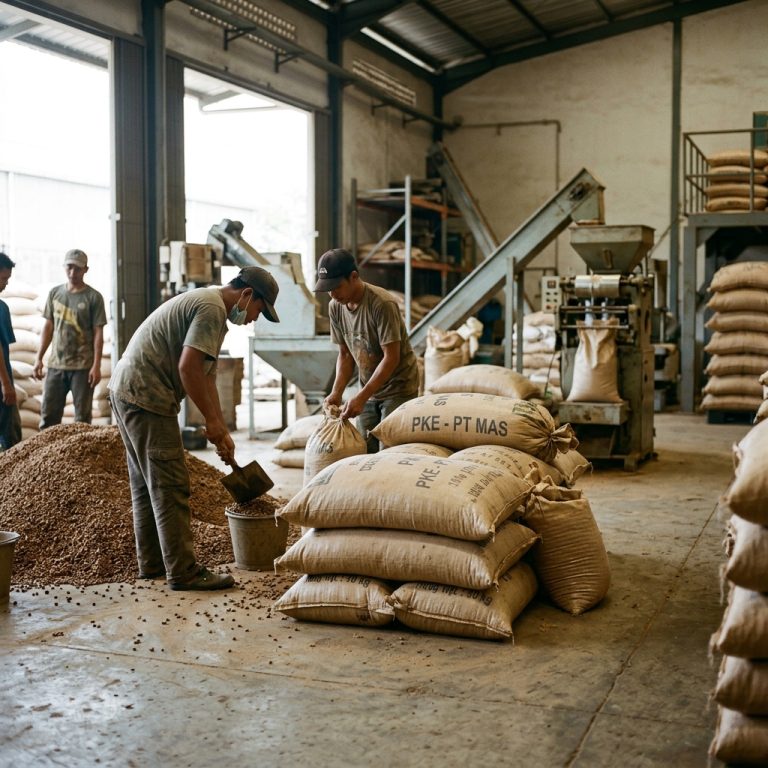
Reliable exporters mitigate these logistical hazards by enforcing systematic mechanical cooling after screw-press extraction. Consignments of GACC approved palm kernel expeller undergo continuous lot-by-lot sampling to ensure total moisture stays safely below 11%, preserving freshness throughout international transits.

Step-by-Step Vetting: How to Choose a Reliable Indonesian Supplier
Procuring agricultural ingredients across international boundaries demands comprehensive due diligence. Selecting the wrong counterparty risks contractual default, substandard specifications, or customs refusal at the discharge destination. Industry professionals use a proven checklist to qualify prospective Indonesian milling companies.
Follow these operational steps to secure shipments from gacc registered feed suppliers indonesia:
- Verify the GACC Establishment Code: Cross-check the supplier’s Chinese registration status on the official customs database before entering negotiations.
- Audit Milling and Storage Infrastructure: Confirm that the supplier operates automated mechanical expellers with integrated cooling towers and dedicated, covered flat-store warehouses.
- Inspect Pre-Shipment Certificates: Demand independent laboratory analysis reports for protein, fat, moisture, and total aflatoxins from recent shipments.
- Evaluate Logistic and Port Loading Capacities: Review historical loading rates to verify that the supplier can consistently handle 3,000 to 5,000 metric tons per loading day.
- Require Standard Commercial Guarantees: Utilize documentary letters of credit (LC at sight) tied to clean bills of lading and accredited quality certificates at discharge.
Following this structured supplier vetting process minimizes operational liabilities and ensures smooth trade execution from origin mills to end-user livestock farms.
Meeting Export Requirements for Palm Kernel Expeller to China
Compliance with all mandatory export requirements for palm kernel expeller to china protects buyers from administrative rejection. Never rely solely on an exporter’s self-printed documents or claim statements. Commercial buyers must verify the manufacturer’s exact corporate name and unique approval code within the GACC Feed Registry online portal. Confirm that the registered product category explicitly includes palm kernel cake or expeller meal.
Third-party trading agencies lacking dedicated manufacturing infrastructure must furnish valid supply contracts linking them directly to registered production mills. Direct ties to registered mills ensure the validity of accompanying phytosanitary documents and secure customs clearance.
Inspection, Lab Testing, and Phytosanitary Protocols
Indonesian quarantine officers conduct mandatory visual and laboratory inspections at loading terminals prior to issuing export clearance. Field surveyors extract composite samples across container lots to test for live insects, toxic weed seeds, and mold development. Once tests clear, quarantine officers generate an official Phytosanitary Certificate citing the mill’s authorized GACC identification number.
Reputable traders supplement government quarantine procedures by appointing international independent surveyors like SGS, Bureau Veritas, or Intertek. Surveyors supervise vessel hatch cleanliness, continuous temperature monitoring, and loading procedures to ensure contract compliance.
Complementary By-Products in Animal Nutrition and Energy
Agricultural operations seeking diversified nutritional components frequently bundle multiple tropical coproducts within a single import strategy. Combining complementary feed ingredients allows formulators to balance crude fiber, dietary protein, and metabolizable energy efficiently. Exploring related Indonesian palm oil mill by-products delivers added supply chain synergies.
Livestock formulators often supplement their orders with 椰干粉, which offers higher crude protein alongside unique coconut oil profiles. For energy supplementation, herds benefit from bypass fats like 棕榈油脂肪酸钙盐, which supply dense caloric intake to high-yielding dairy cattle without interrupting ruminal fermentation.
Industrial processing facilities also convert solid palm residuals into clean renewable fuels. Processing mills utilize 棕榈仁壳 as a high-calorific biomass to power industrial boilers and power generation plants worldwide.
Partner with a Trusted Indonesian Palm Products Exporter
Makmur Amanah Sejahtera 提供优质棕榈产品,例如棕榈仁榨油机、棕榈仁壳、原棕榈油、棕榈仁油等。请通过 WhatsApp 联系我们。 +6282140002198 或发送电子邮件至 admin@makmuramanah.co.id.正在寻找高品质的棕榈产品?
常见问题解答
What is the standard HS code for GACC approved palm kernel expeller?
The standard international 6-digit HS code for palm kernel expeller is 2306.60. For customs declarations entering mainland China, shipments require the specific 10-digit tariff code 2306.60.00.00. Accurate declaration ensures eligibility for 0% preferential tariffs under the ASEAN–China Free Trade Agreement.
How can buyers verify a supplier’s GACC registration status?
Importers can verify an overseas processing plant directly through the official GACC Single Window registration portal. The online system categorizes accredited international manufacturers by country and product type, allowing buyers to authenticate active approval status before signing procurement contracts.
棕榈仁粕(PKE)和棕榈仁粉(PKM)有什么区别?
Palm Kernel Expeller is produced via mechanical screw-press extraction and retains 6.5% to 9% residual palm oil, providing higher energy content. Palm Kernel Meal undergoes solvent chemical extraction, resulting in lower oil content (1% to 2.5%) and slightly higher concentrated fiber percentages.
What is the typical shelf life of containerized palm kernel expeller?
When stored in dry, well-ventilated conditions below 11% moisture content, mechanical expeller meal maintains nutritional integrity for 6 to 9 months. Packaging in UV-resistant polypropylene woven bags preserves product stability and protects against airborne moisture during maritime transport.
What are the primary aflatoxin thresholds mandated by China Customs?
Under Chinese feed safety standards (GB 13078), total Aflatoxin B1 levels in imported feed materials must remain strictly below 20 parts per billion (ppb). Exporters conduct accredited third-party HPLC laboratory testing prior to ship departure to ensure compliance with this limit.
结论
Navigating the global trade in animal feed ingredients requires an experienced eye on regulatory compliance, quality metrics, and international shipping economics. Sourcing GACC approved palm kernel expeller eliminates regulatory bottlenecks at major destination ports, protecting your investment and providing high-energy nutrition for commercial livestock herds. Aligning your procurement strategy with certified Indonesian mills provides consistent pricing, continuous supply availability, and smooth customs clearance through 2026 and beyond.
 Chinese
 English
 Indonesian
 Arabic
