
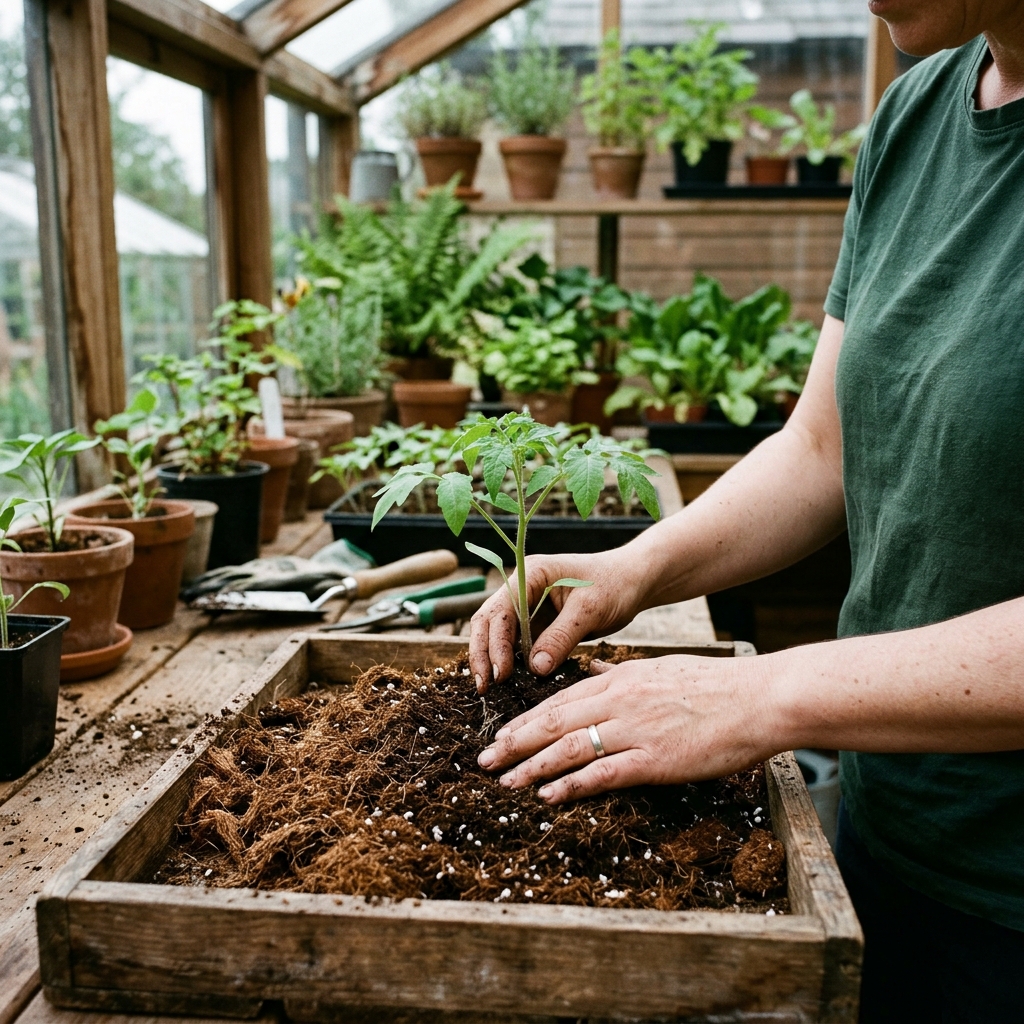
Cocopeat: 7 Ultimate Benefits for Amazing Growth (2026)
椰糠 has revolutionized modern gardening, offering urban growers and commercial horticulturists a reliable way to fix poor soil drainage and weak root systems. If you struggle with overcompacted potting mixes, yellowing foliage, or erratic moisture levels, your plants are likely suffocating in conventional dirt. Fortunately, modern horticultural science shows that switching to high-grade coconut substrates solves waterlogging while encouraging vigorous vegetative development.
According to horticultural research published by the University of Florida IFAS Extension, coconut-derived byproducts hold up to eight to ten times their dry weight in water while maintaining an air-filled porosity exceeding 20%. Today, global growers rely on natural coir substrates to replace dwindling peatlands, reduce irrigation frequencies, and build resilient indoor gardens. In this definitive 2026 guide, you will learn the physical properties of coco pith, examine its operational uses, analyze whether it outperforms regular topsoil, and discover how to deploy it effectively in your garden beds.
What Is Cocopeat? The Science Behind Coco Pith
椰糠, commonly known in commercial horticulture as coco pith or coir dust, is a 100% natural growing medium extracted during the processing of coconut husks. When processors strip the tough exterior fibrous matter of 椰子(Cocos nucifera) to produce ropes, brushes, and erosion mats, they leave behind tiny cellular particles. These spongy, granular particles make up the horticultural medium gardeners use across the globe.

Unlike raw agricultural waste, refined coco pith undergoes washing, aging, drying, and grading. Agricultural science recognizes it as a physically stable, lignin-rich organic material that resists rapid decomposition. Because it decomposes much slower than traditional sphagnum moss, it maintains structural stability inside plant containers for up to four years without compacting.
Agronomic studies highlighted in ScienceDirect agricultural research indicate that coconut coir dust offers an exceptional matrix for capillary root diffusion. Its natural micro-sponges hold moisture uniformly while structural macro-pores simultaneously prevent the medium from suffocating vulnerable root hairs.
How Cocopeat Is Manufactured
The journey from harvested tropical coconut to clean planting substrate involves careful curing. Raw husks undergo retting—a water-soaking process that softens the rigid fibers—before mechanical decortication separates the coarse fibers from the fine pith. Industrial producers then store the raw pith in massive open-air curing pads for several months to allow natural microbes to stabilize the material.
Reputable processors wash the cured medium with clean freshwater to flush naturally occurring sodium and chloride salts. Finally, high-tonnage hydraulic presses compress the dried coir into dense bricks, briquettes, or grow bags. This dehydration and compaction make transport sustainable, allowing home growers to rehydrate small, light blocks into voluminous, fluffy planting media within minutes.
Key Physical and Chemical Properties
Cocopeat boasts unique agronomic parameters that make it an exceptional root-zone environment for both domestic houseplants and commercial greenhouse crops:
- Optimal pH Balance: The native cocopeat pH level for indoor plants typically ranges from 5.7 to 6.5, creating a balanced acidic-to-neutral root environment for nutrient uptake.
- Electrical Conductivity (EC): Premium, thoroughly washed horticultural coir maintains an EC level below 0.5 mS/cm, preventing root burn on young seedlings.
- High Porosity: It provides an exceptional air-to-water ratio, providing roughly 70% to 80% total pore space to nourish beneficial aerobic bacteria.
- Cation Exchange Capacity (CEC): Ranging between 40 to 100 meq/100g, its active sites interact directly with essential macro-minerals like calcium, magnesium, and potassium.
7 Game-Changing Benefits of Cocopeat for Plant Growth
Modern growers continue to migrate away from garden dirt toward conditioned coir substrates due to distinct physiological advantages. Below are the seven proven benefits of using this renewable substrate in modern container and bed culture.
1. Unmatched Water Retention Capacity
Traditional mineral soil dries out quickly under hot summer sun or bakes into a hardened, hydrophobic crust. Cocopeat absorbs water instantly upon contact, holding up to 800% to 1000% of its weight in liquid moisture. Even when saturated, capillary forces distribute hydration evenly across container profiles, preventing isolated dry patches.
Furthermore, plants grown in coir can draw moisture under lower matric suction pressures compared to clay. This means roots exert less mechanical energy pulling moisture out of the surrounding particles, directing that conserved energy toward stem development, flowering, and fruit production.
2. Superior Oxygenation and Root Aeration
Overwatering kills millions of container plants every year because dense topsoil suffocates root hairs when saturated. Coir naturally features large macro-pores that retain 15% to 25% oxygen even when wet. This sustained gas exchange prevents anaerobic conditions, keeping fungal pathogens like 腐霉 和 疫霉属 (root rot) from devastating crops.
Horticultural guidance provided by the 英国皇家园艺学会 advocates for open, airy root zones to stimulate fine root branching. The continuous gas exchange provided by coir substrates ensures that rhizosphere microbes receive abundant oxygen, accelerating plant vigor.
3. Eco-Friendly and Renewable Peat Moss Alternative
Sphagnum peat bogs store billions of metric tons of global carbon, functioning as critical terrestrial carbon sinks. Harvesting sphagnum peat destroys ancient wetland habitats and releases atmospheric greenhouse gases, as documented by environmental research on peatland ecosystems. In contrast, coir is a renewable agricultural byproduct, turning coconut processing waste into a green soil-less alternative.
4. Naturally Sterile and Free From Pathogens
Garden dirt often introduces weed seeds, parasitic nematodes, resting fungal spores, and heavy chemical residue directly into nursery pots. In contrast, commercially packaged coco substrates undergo industrial drying and heat processing. As a result, you start your propagation cycle with a clean, sterile canvas, minimizing the need for chemical sterilizers, synthetic fungicides, or harsh pesticides.
5. Long-Lasting Structural Integrity
Standard compost and garden soils break down into fine, silty sludge within a single growing season, compacting root balls and sealing container drainage holes. The natural vascular cellular structure of cocopeat is rich in tough, resilient lignins that break down very slowly. This enables hobbyists and commercial managers to wash, sterilize, and reuse the medium for multiple successive harvests.
6. Effortless Re-Wetting Without Hydrophobia
Standard peat moss turns notoriously water-repellent when completely dried out; water beads up and runs down the inside of the pot without soaking the center. Coconut coir remains completely hydrophilic throughout its entire lifecycle. If your container dries out while you are away, pouring water over the top restores deep, uniform saturation within seconds.
7. Neutral, Highly Bufferable Natural pH
Sphagnum peat moss is naturally sour and highly acidic, requiring large quantities of agricultural dolomite lime to raise its pH to acceptable planting ranges. Coconut coir lands comfortably between 5.8 and 6.5 straight from the bag. This native range matches the metabolic sweet spot for ornamental tropicals, lush cannabis, vibrant brassicas, and juicy greenhouse tomatoes.
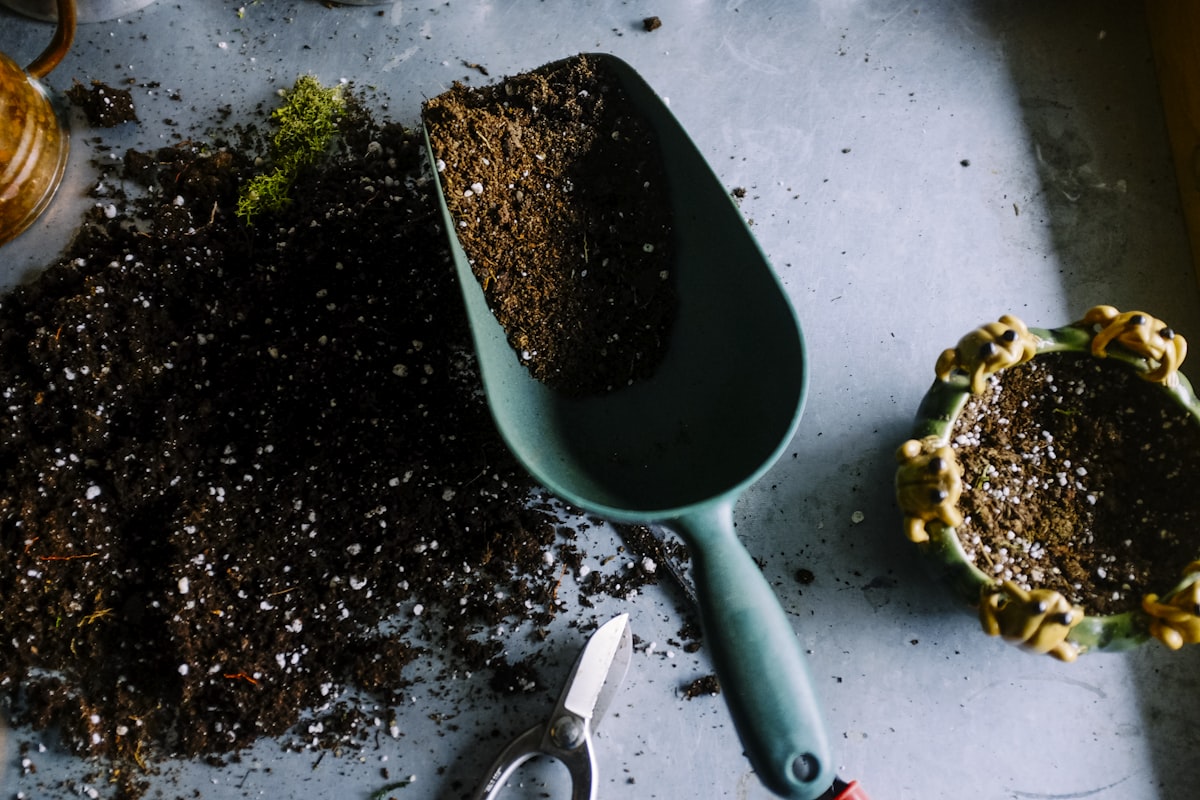
Is Cocopeat Better Than Soil? Head-to-Head Comparison
When asking is cocopeat better than soil for plants, beginner growers must evaluate cultivation style, feeding schedules, and environmental controls. Mineral garden soil contains native microbial communities, complex humic compounds, and essential micro-minerals, but it lacks consistent aeration and clean drainage.
相比之下,, 椰糠 acts as an inert hydroponic medium. It delivers world-class water management and root oxygenation, but contains negligible base nutritional value. To understand how they compare across critical horticultural metrics, review the side-by-side data below:
| Agronomic Parameter | Cocopeat (Coconut Coir) | Traditional Garden Soil |
|---|---|---|
| 水分保留 | Extremely high (holds 8–10x weight in water) | Moderate to low; prone to runoff |
| Root Aeration | Exceptional (15%–25% air pore space) | Poor; compacts tightly when watered |
| Native Nutrient Profile | Virtually inert (requires mineral fertilizers) | Contains variable N-P-K & micronutrients |
| Natural pH Level | Stable & optimal (5.8 – 6.5) | Unpredictable (4.5 – 8.5) |
| Sterility & Pests | Sterile; free of weeds, pests, & pathogens | Often harbors fungus gnats, seeds, fungi |
| 可重复使用性 | High (can be rinsed & reused for 3–4 years) | Low; structure collapses over seasons |
Consequently, coconut coir is significantly better than native soil for indoor houseplants, seed germination, raised bed drainage improvement, and precision hydroponic setups. However, because coir cannot nourish plants on its own, growers must add balanced organic fertilizers or water-soluble mineral nutrients to maintain active vegetative growth.
How to Use Cocopeat: Practical Applications for Growers
Mastering how to prepare cocopeat for gardening ensures that your crops develop resilient root systems from day one. Whether you grow high-value microgreens, maintain an indoor jungle, or nurse vegetable seedlings, incorporating coir requires straightforward preparation. Following tested preparation protocols will save you time and maximize your root health.
Step-by-Step Rehydration Protocol
Commercial coir usually arrives as hard, compact dry bricks. Follow this simple process to hydrate, expand, and rinse your raw substrate efficiently:
- Measure Water Volume: Place a standard 650-gram compressed brick inside a clean 5-gallon container. Add approximately 4 to 5 liters of warm water.
- Allow Expansion: Wait 15 to 20 minutes while the compressed material swells to full volume. A single brick yields roughly 8 to 10 liters of fluffy potting medium.
- Break Apart Clumps: Use your hands or a hand trowel to break up any dense remaining cores until the texture feels light, uniform, and airy.
- Flush and Test EC: Run fresh water through the coir to wash out loose salts. Collect the runoff and test it with an EC meter to verify low salinity.
- Buffer with Calcium/Magnesium: Soak your coir in a dilute calcium-magnesium (Cal-Mag) solution for a few hours. This step stabilizes the exchange sites and ensures steady nutrient availability.
Optimizing Cocopeat Uses in Container Gardening
Exploring cocopeat uses in container gardening opens up customizable blending options for tropical ornamentals and potted vegetables. While hydroponic crops thrive in 100% coir, potted container plants benefit from balanced composite blends. Combining coir with structural aerators and organic amendments creates an ideal growing foundation:
- The All-Purpose Container Mix: Combine 40% quality cocopeat, 30% aged compost or worm castings, and 30% coarse perlite or pumice.
- The Moisture-Loving Aroid Blend: Mix 30% coir pith, 30% coarse coconut husk chips, 20% horticultural perlite, and 20% composted pine bark.
- Seed Germination Blend: Use 70% finely sifted coir pith paired with 30% horticultural vermiculite for tender embryonic root networks.

In diversified commercial operations, agricultural co-products play integral complementary roles. For example, animal feeding systems frequently utilize 椰干粉 for nutritious animal feed supplementation or 棕榈仁压榨机 to satisfy livestock energy demands. In industrial biomass systems and specialized mulching solutions, facilities rely on durable 棕榈仁壳 products alongside coir residues to maximize agricultural utility and resource conservation.
Potential Pitfalls and How to Avoid Them
Despite its outstanding physical properties, using unconditioned coir incorrectly can harm sensitive crops. Knowing how to handle cation exchange interactions and salt buildup will keep your plants healthy and thriving.
Understanding Cation Exchange: The Calcium/Magnesium Trap
The chemical structure of natural coconut coir naturally carries a strong negative surface charge. In nature, these cation exchange sites bind tightly to potassium (K+) and sodium (Na+) ions. If you use unbuffered coir, its active exchange sites absorb calcium and magnesium out of your fertilizer solution while releasing excess potassium back to the roots.
This hidden chemical reaction quickly triggers calcium and magnesium deficiencies, causing curling leaves, stunted terminal shoots, and interveinal chlorosis. To avoid this, always use pre-buffered coir, or treat raw material yourself with calcium nitrate and magnesium sulfate before planting.
Managing High Electrical Conductivity (Salinity)
Coastal coconut palms naturally absorb salt from marine breezes and brackish coastal groundwaters. If factories wash raw pith using saline or brackish water, the dried product will contain high sodium chloride levels. Always insist on low-EC, lab-verified horticultural coco substrates, as high salinity damages root tips, scorches foliage edges, and stunts growth.
Makmur Amanah Sejahtera 我们提供高品质的棕榈产品,例如棕榈仁粕、棕榈仁壳、原棕榈油、棕榈仁油等。请通过 WhatsApp 联系我们。 +6282140002198 或发送电子邮件至 admin@makmuramanah.co.id.
关于椰糠的常见问题
Can plants grow in cocopeat alone without soil?
Yes, plants thrive in pure coir, provided you supply regular liquid nutrients. Because coir contains negligible native fertility, it operates like a passive hydroponic substrate. You must supply balanced macro and micronutrients in your watering routine to support strong, continuous vegetative growth.
Does cocopeat attract gnats or household pests?
No, sterile coir does not attract fungus gnats naturally because it lacks decaying organic debris and sugary carbohydrates. However, if you allow stagnant moisture on the surface or introduce decomposing compost teas, gnats from nearby houseplant soils can colonize the damp top layer.
How long does cocopeat last before breaking down?
Coir lasts considerably longer than peat moss or pine bark. Its high concentration of natural lignins resists microbial breakdown, preserving structural aeration for three to five years inside pots. Growers can easily sterilize, re-buffer, and reuse the substrate across successive harvest cycles.
How do you flush excess salt from cheap coco blocks?
Place expanded coir into a fine mesh laundry bag or cloth container, then thoroughly rinse with clean freshwater until drainage runs transparent. For verified safety, test runoff with a digital EC meter to confirm that dissolved electrical conductivity measurements fall below 0.4 mS/cm.
Is cocopeat safe for certified organic vegetable gardening?
Yes, natural coir is safe and widely utilized across certified organic farms. Leading certifying agencies like OMRI approve properly washed, chemical-free coconut coir products that are processed without artificial surfactants, synthetic wetting agents, or chemical stabilizers.
Final Thoughts on Growing with Cocopeat
Adopting sustainable growing practices is essential for forward-thinking gardeners in 2026. Learning how to properly prepare and manage 椰糠 gives you complete control over your root zone’s aeration, water retention, and nutrient delivery. While native topsoil will always have its place in outdoor farming, container crops grow faster, develop larger root systems, and avoid soil-borne diseases when rooted in premium coconut substrates.

Whether you choose to mix your own custom soil-less potting blends or run clean drip-irrigated hydroponic tables, coir consistently delivers exceptional agronomic performance. Start by choosing well-washed, buffered products, maintain your calcium inputs, and watch your garden flourish with renewed vitality.

 Chinese
 English
 Indonesian
 Arabic
