
Palm Kernel Expeller: The #1 Guide for Livestock Feed (2026)
Palm Kernel Expeller (PKE) is one of the most cost-effective and powerful feed ingredients in the world. Yet, many livestock producers fail to harness its full potential. This guide unlocks every secret to its uses, specifications, and benefits, ensuring you maximize performance and profitability in 2026.
The global demand for affordable, high-protein animal feed is at an all-time high. With volatile market prices for traditional feeds like soybean meal and corn, farmers are increasingly turning to sustainable and economical alternatives. Among these, Palm Kernel Expeller stands out as a premier choice.
According to a 2025 report from the Food and Agriculture Organization (FAO), byproducts from the palm oil industry play a crucial role in the feed supply chain for billions of livestock animals. This definitive resource moves beyond basic knowledge to provide expert insights that can transform your feed strategy. We will explore everything from its unique nutritional profile to sourcing high-grade material, like this Palm Kernel Expeller.
What Exactly is Palm Kernel Expeller (PKE)?
Palm Kernel Expeller (PKE) is a high-energy, high-fiber feed ingredient produced from the mechanical extraction of oil from palm fruit kernels. This process makes PKE a valuable and sustainable co-product of the massive palm oil industry, turning a byproduct into a cornerstone of animal nutrition.
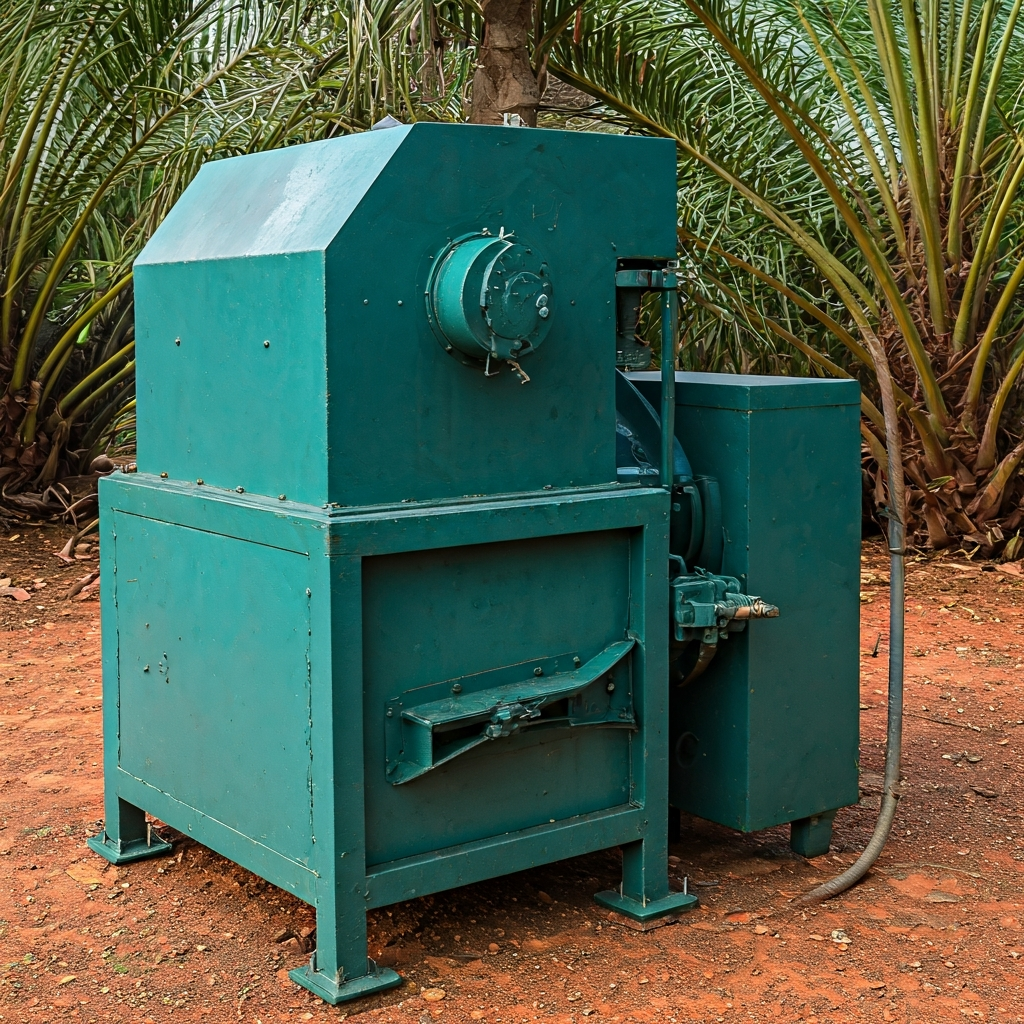
The process is straightforward. After the palm fruit is harvested and crude palm oil is extracted from its flesh, the remaining nut is cracked. Inside is the kernel, which is then crushed and pressed in an “expeller” to extract Palm Kernel Oil.
The fibrous, protein-rich solid material left behind is PKE. It’s crucial to distinguish PKE from Palm Kernel Cake (PKC), which typically results from solvent extraction. The mechanical expeller process for PKE yields a higher residual oil content, which translates directly to more energy for your livestock.
[Image: High-quality, close-up shot of light brown, granular Palm Kernel Expeller, with a caption below reading “The texture and color of premium PKE.” | Alt Text: A pile of high-quality, granular Palm Kernel Expeller, a key livestock feed ingredient. | Title: Palm Kernel Expeller Close-Up]
The Remarkable Nutritional Profile of Palm Kernel Expeller
Understanding the nutritional specifications of PKE is the first step to unlocking its benefits. While values can vary, high-quality Palm Kernel Expeller offers a balanced profile of protein, fiber, and energy. The high fiber is particularly beneficial for ruminants, promoting excellent gut health.
Furthermore, the residual oil is a dense source of energy. This makes it an excellent supplement for animals with high energy demands, such as dairy cattle and beef finishers. As noted by agricultural bodies like the USDA, consistent feed composition is key to performance.
Here is a typical nutritional breakdown of high-grade Palm Kernel Expeller:
- Crude Protein: 14-18%
- Crude Fat (Residual Oil): 8-12%
- Crude Fibre: 16-20%
- Metabolizable Energy (Ruminants): 10-12 MJ/kg
- Moisture: < 10%
This nutrient density makes PKE a formidable competitor to other feed sources. For instance, while it has less protein than soybean meal, its superior fiber and energy content make it uniquely suited for specific dietary formulations, often at a fraction of the cost.
Key Benefits of Using PKE in Your Feed Formulation
Integrating Palm Kernel Expeller into your feed strategy offers a multitude of advantages that impact everything from your balance sheet to your herd’s health.
- Cost-Effectiveness: PKE is consistently one of the most competitively priced feed ingredients, offering significant savings compared to soybean meal or corn.
- Consistent Supply: As a co-product of the world’s most produced vegetable oil, PKE has a stable and reliable supply chain, insulating you from price shocks.
- Improved Animal Health: The high fiber content promotes digestive health, particularly in ruminants, leading to fewer metabolic disorders and a healthier herd.
- Enhanced Palatability: PKE has a slightly sweet, nutty aroma that most livestock find highly palatable, encouraging consistent feed intake.
- Sustainable Sourcing: Utilizing a byproduct like PKE enhances sustainability. It ensures every part of the harvest is used, minimizing waste. Other byproducts like Palm Kernel Shell also contribute to this zero-waste philosophy.
Top Applications of Palm Kernel Expeller in Animal Feed
The versatility of Palm Kernel Expeller allows its use in feed for a wide range of livestock. Its unique properties offer specific advantages for different species.
1. Dairy Cattle Feed
PKE is a star performer in dairy rations. The combination of protein and high energy from residual oil helps support milk production and butterfat content. For peak lactation, it can be combined with other energy supplements like Calcium Salts of Palm Oil Fatty Acids for maximum effect.
2. Beef Cattle Finishing
For beef cattle, the energy density of PKE promotes rapid weight gain and improves the feed conversion ratio during the crucial finishing phase. It is an economical way to achieve target weights.
3. Sheep and Goat Nutrition
As a safe and palatable fiber source, it’s an excellent supplement for small ruminants. It supports both maintenance and growth, providing steady energy without the risks of high-grain diets.
4. Poultry Feeds (Broilers & Layers)
While inclusion rates are lower for monogastrics, PKE can be used as a cost-effective component in poultry diets (typically 5-10%). It provides essential amino acids and energy, helping to manage feed costs.
5. Swine Rations
In pig feed, PKE is often included at moderate levels (around 5-12%) to provide dietary fiber and protein. This contributes to a balanced diet and can help improve gut health in sows.
6. Aquaculture Feed
Research is increasingly showing the potential of PKE as a sustainable protein source in fish feed. It helps reduce the industry’s reliance on more expensive and less sustainable fishmeal.
7. Horse Feeds
The high fiber and low starch content make Palm Kernel Expeller a “cool” energy source for horses. This reduces the risk of metabolic issues like laminitis, which are often associated with high-grain diets.
[Image: An infographic showing the nutritional breakdown of PKE: 16% Protein, 10% Fat, 18% Fiber, and 11 MJ/kg Energy. | Alt Text: Infographic detailing the nutritional profile of Palm Kernel Expeller for animal feed. | Title: Palm Kernel Expeller Nutritional Profile]
How to Identify High-Quality Palm Kernel Expeller
Not all PKE is created equal. Sourcing a high-quality product is essential for animal safety and performance. Here’s what to look for:
Visual Inspection: Color and Texture
High-grade PKE should have a consistent, light brown to golden brown color. Dark brown or blackish specs can indicate overheating during processing, which can degrade protein quality. The texture should be granular and friable, not overly dusty or clumpy, which could suggest high moisture or poor storage.
Olfactory Cues: What PKE Should Smell Like
Fresh, high-quality PKE has a pleasant, nutty, slightly sweet smell. Avoid any product that smells musty, moldy, or sour. A rancid smell indicates that the residual oil has oxidized, which will reduce palatability and nutritional value.
The Importance of a Certificate of Analysis (COA)
Always demand a Certificate of Analysis from your supplier. This lab report provides a precise breakdown of the nutritional content (protein, fat, fiber, moisture) and, crucially, screens for contaminants like aflatoxins. Reputable suppliers will always provide a COA to guarantee product quality and safety.
Palm Kernel Expeller vs. Copra Meal: A Head-to-Head Comparison
Farmers often choose between tropical byproducts. A common comparison is between Palm Kernel Expeller and Copra Meal. While both are excellent, they have key differences.
This table provides a clear comparison:
| Feature | Palm Kernel Expeller (PKE) | Copra Meal |
|---|---|---|
| Source | Oil Palm Kernel | Coconut Flesh (Copra) |
| Crude Protein | 14-18% | 20-24% |
| Crude Fat | 8-12% | 6-10% |
| Crude Fiber | 16-20% | 10-14% |
| Best Use | Energy and fiber for ruminants | Protein source for multiple species |
As data from industry sources like Feedipedia shows, PKE’s higher fat and fiber make it an ideal energy source for ruminants, while Copra Meal’s higher protein can be beneficial in certain monogastric diets.
[Image: Healthy dairy cows eating from a trough containing a mixed feed that includes Palm Kernel Expeller. | Alt Text: Dairy cows feeding on a ration containing Palm Kernel Expeller, showing its use in a farm setting. | Title: Palm Kernel Expeller in Dairy Feed]
[Video Suggestion: Embed a short video from a reputable source showing the mechanical pressing process of palm kernels to produce PKE, titled “How Palm Kernel Expeller is Made”.]
Makmur Amanah Sejahtera provides high-quality palm products such as Palm Kernel Expeller, Palm Kernel Shell, Crude Palm Oil, Palm Kernel Oil, etc. Kindly contact us at WhatsApp +6282140002198 or email us at admin@makmuramanah.co.id.
Frequently Asked Questions (FAQ)
1. Is Palm Kernel Expeller good for dairy cows?
Absolutely. PKE is an excellent ingredient for dairy cows. Its high fiber supports healthy rumen function, while the combination of protein and residual fat provides the energy needed to support milk production and boost butterfat content, making it highly cost-effective.
2. What is the difference between Palm Kernel Expeller and Palm Kernel Meal?
The key difference is the oil extraction method. Palm Kernel Expeller uses mechanical pressing, leaving more residual oil (8-12% energy). Palm Kernel Meal uses solvent extraction, resulting in lower oil content (1-3%) but slightly higher protein. PKE is generally better for energy.
3. Can PKE be fed to chickens?
Yes, but in moderation. Due to its high fiber, PKE is less digestible for chickens. It is best included at 5-10% of the total ration for broilers and layers, providing a cost-effective source of protein and amino acids without impacting performance.
4. What are the risks of feeding PKE?
The main risk is contamination with mycotoxins, like aflatoxin, from improper storage. It is crucial to purchase Palm Kernel Expeller from a reputable supplier who provides a Certificate of Analysis (COA) to guarantee the product is clean, safe, and high-quality.
5. How does PKE affect meat or milk quality?
When used in a balanced ration, PKE has a positive or neutral effect. In dairy cows, it can increase butterfat percentage in milk. In beef cattle, its energy content supports good finishing and marbling. There are no adverse effects on taste or quality.
Conclusion: Your Strategic Advantage in 2026
In the competitive landscape of modern agriculture, success hinges on efficiency and intelligent resource management. Integrating a high-quality ingredient like Palm Kernel Expeller into your feed program is no longer just an option—it’s a powerful strategic advantage.
From its robust nutritional profile to its consistent availability and proven benefits, PKE offers a solution to the challenges of feed costs and herd performance. By choosing a reliable supplier and understanding the principles in this guide, you can unlock its full potential.
Make 2026 the year you optimize your feed strategy. Embrace the power and proven performance of Palm Kernel Expeller to nourish your livestock, improve your sustainability, and boost your bottom line.
[Image: A simple chart comparing the average cost per unit of protein for PKE vs. Soybean Meal and Corn, showing PKE as the most cost-effective. | Alt Text: A chart comparing the cost-effectiveness of Palm Kernel Expeller against other feed ingredients. | Title: Cost-Effectiveness of Palm Kernel Expeller]
 English
  Indonesian
  Chinese
  Arabic