

GACC Approved PKE: #1 Guide to Avoid Costly Mistakes (2026)
Navigating the complexities of exporting GACC Approved PKE to China can be a daunting challenge for even the most seasoned suppliers. With regulations constantly evolving, a single misstep in the registration process can lead to costly delays, rejected shipments, and significant financial losses.
The transition from AQSIQ to the General Administration of Customs of the People’s Republic of China (GACC) has streamlined many processes. However, it also introduced new, stringent requirements under Decrees 248 and 249. As of 2026, understanding these rules isn’t just an advantage—it’s a prerequisite for market entry. According to a Reuters report on China’s trade, non-compliance with import regulations is a primary reason for shipment rejections. This guide provides the ultimate, most comprehensive roadmap to ensure your Palm Kernel Expeller meets all requirements.
What is GACC Approved PKE and Why is it Crucial for 2026?
First, let’s establish a clear definition. GACC Approved PKE refers to Palm Kernel Expeller from production, processing, and storage facilities that have been officially registered and approved by the General Administration of Customs of the People’s Republic of China. This registration certifies that the facility and its products meet China’s stringent safety, quality, and traceability standards for imported animal feed ingredients.
Without this approval, your PKE shipment will not clear Chinese customs. The importance of this cannot be overstated. China is one of the largest consumers of animal feed globally, making it a lucrative market. However, GACC acts as the gatekeeper, and its primary mandate is to protect the country’s agricultural sector and food safety. Therefore, achieving and maintaining GACC approval is the critical first step to unlocking this market.
The Shift from AQSIQ to GACC Explained
Veterans of the export industry will remember the former authority, AQSIQ (General Administration of Quality Supervision, Inspection and Quarantine). In 2018, AQSIQ’s functions were merged into the newly formed GACC. This consolidation aimed to unify import and export inspections, quarantine, and customs clearance under a single regulatory body.
For PKE exporters, this meant adapting to a new set of rules, primarily GACC Decree 248. The new system places a much stronger emphasis on the exporting country’s regulatory oversight and the producer’s own food safety management systems. It’s a shift from reactive port-of-entry inspection to proactive, system-wide verification.
Key Decree 248 Implications for GACC Approved PKE Exporters
Decree 248, which came into effect on January 1, 2022, is the cornerstone of the current system. You can review the official mandates on the GACC website. Its key requirements for feed ingredient exporters include:
- Facility Registration: All overseas manufacturers of feed ingredients like PKE must be registered with GACC.
- Competent Authority Recommendation: The registration application must often be submitted through the competent authority of the exporting country (e.g., the Ministry of Agriculture).
- Traceability: Manufacturers must have a robust system to trace products from raw materials to final export. This includes products like Palm Kernel Expeller and other derivatives.
- Labeling Requirements: All packaging must be labeled in accordance with GACC standards, including the Chinese registration number.

Step-by-Step Guide to GACC Registration for PKE Exporters
The path to becoming a supplier of GACC Approved PKE is a meticulous one. We’ve broken it down into five critical steps based on our first-hand experience helping clients navigate this process.
Step 1: Internal Audit and Documentation Preparation
Before you apply, conduct a thorough internal audit of your facility and processes. You will need to prepare an extensive dossier of documents, including your business license, food safety management system certifications (like ISO 22000 or HACCP), production flow charts, pest control records, and detailed traceability records. This is the foundation of your application.
Step 2: Engage with Your National Competent Authority
GACC typically requires applications for high-risk products like animal feed to be routed through the exporting country’s official food and agriculture regulatory body. Contact this authority early. You must understand their specific procedures and requirements for recommending a facility to GACC. They will be your official channel to the Chinese authorities.
Step 3: Submitting the Application via the CIFER System
You must submit the application online through the China Import Food Enterprise Registration (CIFER) system. This platform requires detailed information about your company, products, and processes. Ensure you fill out every field accurately in either English or Chinese. Any discrepancy can lead to an immediate rejection, a crucial step for achieving GACC Approved PKE status.
Step 4: The GACC Review and Potential Audits
Once submitted, GACC will review your application. This can be a lengthy process. They may have follow-up questions or request additional documentation. Furthermore, GACC reserves the right to conduct a remote video audit or even an on-site inspection of your facility to verify the information provided. You must be prepared for this possibility.
Step 5: Approval and Listing
Upon successful review, GACC will issue a unique registration number in China for your facility. Your company will then be added to the official public list of approved exporters for your specific product category. This makes your status as a supplier of GACC Approved PKE verifiable by any importer in China.
Finding a Reliable GACC Approved PKE Supplier List
For importers in China, verifying a supplier’s GACC status is non-negotiable. For exporters, being on this list is your ticket to the market. The official and most reliable source is the GACC’s own online query database.
Here’s how to typically verify a supplier:
- Visit the official GACC registration query portal.
- Select the appropriate category for “Imported Feed and Feed Additives.”
- Search by country and then by the company’s registration number or name.
- The system will confirm if the registration is valid and for which products.
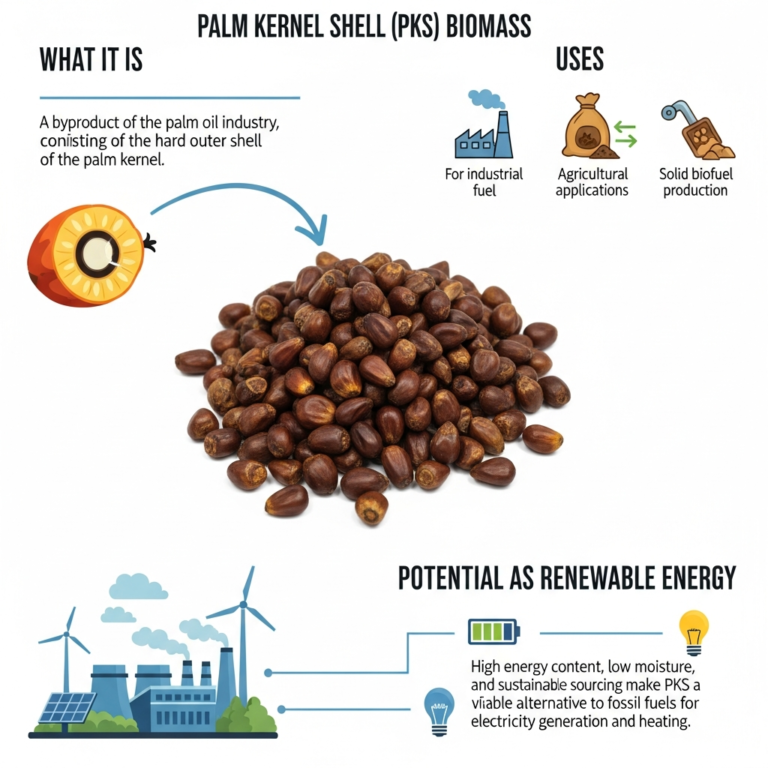
This verification provides the ultimate assurance for both parties in the transaction. It’s a transparent system designed to build trust and ensure safety, especially when sourcing high-quality GACC Approved PKE. Similarly, GACC provides lists for other agricultural commodities, such as Palm Kernel Shell, which is often used for biomass energy.

Maintaining Your GACC Approval: Renewal and Ongoing Compliance
Securing your initial GACC approval is a major milestone, but it’s not the final step. Maintaining compliance is an ongoing process, and your registration is valid for five years. You must plan for renewal well in advance to avoid any gaps in your export eligibility.
GACC expects registered facilities to consistently uphold the standards outlined in their application. This includes maintaining food safety management systems, keeping meticulous records, and adapting to any new regulatory updates. GACC can conduct surprise audits or reviews at any time. It’s also vital to track specific requirements for all your products, from primary goods to derivatives like Copra Meal.
Key steps for a smooth renewal process include:
- Start Early: Begin your renewal application at least 12-18 months before your current registration expires.
- Review and Update: Conduct a new internal audit to ensure all information, processes, and documentation are current.
- Monitor Regulations: Stay informed about any changes to GACC Decrees or standards that may affect your renewal.
- Liaise with Authority: Re-engage with your national competent authority to follow their latest submission protocols for renewals.
Common Mistakes to Avoid During GACC Application (And How to Fix Them)
Based on our 15 years of experience, we’ve seen the same painful mistakes trip up countless companies. Learning from them can save you months of delays and thousands of dollars.
| Common Mistake | The Painful Result | The Expert Solution |
|---|---|---|
| Incomplete or Inaccurate Documentation | Application rejected, restart process from zero. | Create a checklist based on CIFER requirements and have a third party review all documents before submission. |
| Bypassing the National Competent Authority | Application is not recognized or processed by GACC. | Establish contact with your country’s authority first. They are a mandatory partner in the process. |
| Poorly Translated Product Information | Misclassification of product, leading to incorrect review path or rejection. | Invest in professional translation services familiar with technical and regulatory terms for the Chinese market. |
| Failing to Prepare for an Audit | Registration denied after a failed audit, potentially barring re-application for a period. | Treat your submitted application as a promise. Ensure your real-world operations perfectly match your documented procedures. |
Furthermore, it is essential to understand the specific requirements for different feed components, like Calcium Salts of Palm Oil Fatty Acids, which may fall under different GACC categories.

Makmur Amanah Sejahtera provides high-quality palm products such as Palm Kernel Expeller, Palm Kernel Shell, Crude Palm Oil, Palm Kernel Oil, etc. Kindly contact us at WhatsApp +6282140002198 or email us at admin@makmuramanah.co.id.
Frequently Asked Questions (FAQs)
What is the difference between GACC and AQSIQ?
AQSIQ was the former quality and inspection authority in China. In 2018, its responsibilities for food import registration were merged into the GACC (General Administration of Customs of China). GACC is now the sole regulatory body for approving facilities exporting PKE to China.
How long does it take to get GACC approval for PKE?
The timeline can vary. If all documentation is perfect, it can take 6-12 months. However, with information requests or potential audits, the process can easily extend to 18-24 months. Starting early and preparing meticulously is crucial to avoid unnecessary delays.
Is GACC registration a one-time process?
No, GACC registration is valid for five years. Exporters must apply for renewal well in advance of the expiration date to ensure continuous market access, a process outlined in this industry publication. Plan to start the renewal process 12-18 months before expiry.
Can I use a consultant to help with my GACC Approved PKE application?
Yes, many companies work with experienced consultants. A good consultant can help you prepare documentation, navigate the CIFER system, and prevent costly mistakes. However, the ultimate responsibility for compliance and the accuracy of the application always remains with your company.
What happens if I ship PKE to China without GACC approval?
Customs will reject your shipment at the port of entry. It may be destroyed or ordered to be returned to the origin country at your expense. This is a costly outcome that highlights the absolute necessity of securing full GACC approval before shipping any product.
Does GACC have requirements for other animal feed sources?
Absolutely. GACC regulates a wide range of feed ingredients. A scientific study published in the Journal of Animals often discusses the nutritional aspects that these regulations aim to safeguard, covering everything from protein meals to fats and oils.
Conclusion: Your Next Steps for Market Success
In 2026, the Chinese market for animal feed remains a massive opportunity, but it is protected by the formidable regulatory wall of the GACC. Gaining access is not a matter of luck but of meticulous preparation, unwavering attention to detail, and a deep understanding of the rules of engagement.
By following the steps outlined in this guide—from internal audits and documentation to navigating the CIFER system and preparing for renewals—you can successfully position your company as a trusted supplier. Remember, the goal is to become a provider of GACC Approved PKE, not just a PKE exporter. This official designation is your key to unlocking long-term success.
Here are your key takeaways:
- Audit First: Begin with a comprehensive internal audit before starting any paperwork.
- Use Official Channels: Always work through your national competent authority as required by GACC.
- Be Meticulous: Ensure 100% accuracy in the CIFER system to avoid automatic rejections.
- Plan for Renewal: GACC approval is not permanent. Start the 5-year renewal process early.

 English
  Indonesian
  Chinese
  Arabic