
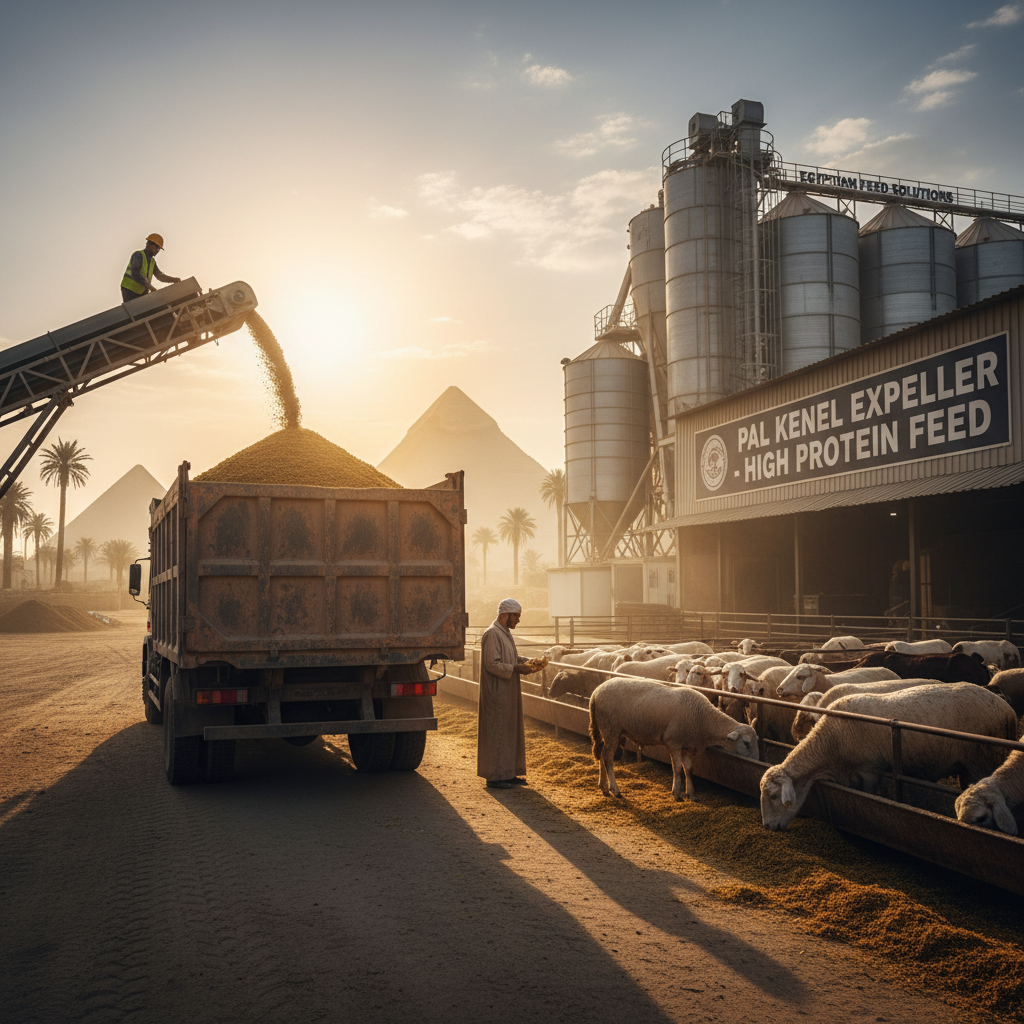
Palm Kernel Expeller in Egypt: The #1 Guide to Avoid Costly Mistakes
Sourcing high-quality Palm Kernel Expeller in Egypt is the single most critical factor for optimizing livestock feed costs and performance. For feed mill operators, importers, and large-scale farmers, navigating the complexities of specifications, pricing, and suppliers can be a daunting task. This guide provides a definitive roadmap to mastering the PKE market, ensuring you secure the best product at the right price.
The Egyptian livestock and poultry sectors are expanding rapidly, driving an insatiable demand for cost-effective, high-protein feed ingredients. According to the Food and Agriculture Organization (FAO), efficient animal feed is paramount for food security. Palm Kernel Expeller (PKE) has emerged as a strategic solution, but a lack of standardized information often leads to costly procurement errors. This article is your comprehensive resource to eliminate those risks and maximize your return on investment.
What Exactly is Palm Kernel Expeller (PKE)?
Palm Kernel Expeller (PKE) is a high-value feed ingredient derived from the oil palm fruit. It is the by-product of the mechanical extraction of oil from the palm kernel. This process leaves a protein-rich, fibrous material that is an excellent source of energy and nutrients for ruminant animals, particularly dairy and beef cattle. Understanding its origin is key to appreciating its value.
Often referred to as Palm Kernel Cake, PKE is renowned for its balanced nutritional profile. It is a globally recognized commodity in the animal feed industry. For any new buyer, a clear understanding is essential: PKE is not just a filler; it is a core component for formulating economical and effective animal rations, making the search for quality Palm Kernel Expeller in Egypt a top priority for the agricultural sector.
The Production Process: From Kernel to Expeller
The journey to creating PKE is a multi-step process that ensures quality and consistency. It directly impacts the final specifications of the product you import.
- Fruit Harvesting: Ripe palm fruits are harvested and transported to a mill.
- Sterilization & Threshing: The fruit bunches are sterilized with steam to halt enzymatic activity and loosen the fruits, which are then separated from the bunch.
- Oil Extraction: The flesh of the fruit is pressed to extract Crude Palm Oil. The remaining nut is then cracked.
- Kernel Separation: The hard shell is separated from the valuable kernel. This shell itself is a useful biofuel, available as Palm Kernel Shell.
- Mechanical Pressing: The kernels are crushed and pressed using a screw press (expeller) to extract Palm Kernel Oil. The solid residue left behind is the Palm Kernel Expeller.
PKE vs. Palm Kernel Meal: A Critical Distinction for Buyers
While often used interchangeably, there is a technical difference between Palm Kernel Expeller and Palm Kernel Meal. This distinction is crucial for procurement managers.
- Palm Kernel Expeller (PKE): Produced via mechanical extraction (screw pressing). It typically contains a higher residual oil content (around 8-12%), which means higher energy value.
- Palm Kernel Meal (PKM): Produced via solvent extraction (using a solvent like hexane). This method is more efficient at oil removal, resulting in a lower residual oil content (1-3%) but often a slightly higher protein percentage.
For ruminants in Egypt, the higher energy from the residual oil in PKE is often preferred. When you source Palm Kernel Expeller in Egypt, ensure your supplier’s specification sheets clarify the extraction method.
[Image: Close-up shot of high-quality, golden-brown Palm Kernel Expeller pellets with the alt text “A close-up of high-quality Palm Kernel Expeller in Egypt, showing its texture.”]
Why PKE is a Game-Changer for Egypt’s Livestock Sector
The strategic importance of PKE for Egyptian agriculture cannot be overstated. As the costs of traditional feeds like corn and soybean meal fluctuate, PKE provides a stable, cost-effective, and nutritionally potent alternative. Its adoption is directly linked to improved farm profitability and sustainability.
Furthermore, its high fiber content promotes good digestive health in cattle, a key factor for dairy and beef producers. By integrating PKE into feed rations, Egyptian farmers can reduce their reliance on more expensive imported ingredients without sacrificing animal performance. This makes PKE a cornerstone of modern, efficient livestock farming in the region.
Nutritional Profile: The Power of Protein and Fiber
The primary driver for PKE’s popularity is its nutritional composition. While specs vary slightly based on origin and processing, high-quality PKE consistently delivers significant value. A reliable supplier will provide a Certificate of Analysis confirming these parameters.
- Crude Protein: Typically 14-17%. Essential for muscle growth, milk production, and overall animal health.
- Crude Fiber: Around 15-18%. Aids in healthy digestion for ruminants.
- Fat (Residual Oil): 8-12%. A concentrated source of energy, making it more energy-dense than Copra Meal.
- Metabolizable Energy (ME): High levels make it an excellent energy source for cattle.
Additionally, PKE is rich in minerals like magnesium, iron, and zinc, which are vital for animal well-being. This robust profile makes it a superior choice for feed formulators.
Cost-Effectiveness Compared to Other Feeds
In a market driven by price, PKE’s economic advantage is its most compelling feature. The table below illustrates a typical cost-benefit comparison against soybean meal, a common but more expensive protein source in Egypt.
| Parameter | Palm Kernel Expeller (PKE) | Soybean Meal (SBM) |
|---|---|---|
| Typical Protein Content | 14-17% | 44-48% |
| Energy Value (Ruminants) | High (due to fat content) | Moderate |
| Fiber Content | High | Low |
| Price per Ton (Approx.) | Lower | Higher |
| Best Use Case | Ruminant Feeds (Cattle) | Monogastric Feeds (Poultry, Swine) |
While SBM has higher protein, the cost per unit of protein and energy from PKE is often significantly lower, especially for cattle rations. This allows feed mills to optimize formulations and reduce overall production costs, a benefit passed down to the farmer.
[Image: Infographic comparing the nutritional benefits and cost-effectiveness of Palm Kernel Expeller vs. Soybean Meal for dairy cows in Egypt. Alt text: “Infographic on Palm Kernel Expeller in Egypt, comparing its cost and nutritional benefits against Soybean Meal for livestock feed.”]
Key Specifications for Palm Kernel Expeller in Egypt
When importing Palm Kernel Expeller in Egypt, “the devil is in the details.” Verifying the product specifications is non-negotiable. A reputable supplier will always provide a detailed Certificate of Analysis (COA) from an independent surveyor like SGS or Sucofindo. Here are the critical parameters you must check.
Understanding the Certificate of Analysis (COA) for PKE
The COA is your guarantee of quality. Demand one with every shipment and learn to interpret it correctly. Pay close attention to these five key metrics:
- Crude Protein (Min): The most important value. For good quality PKE, this should be no less than 14%.
- Moisture (Max): High moisture content (>12%) can lead to mold and spoilage during transit and storage. Aim for 10% or lower.
- Crude Fat / Oil (Min-Max): Typically between 8-12%. This is a crucial energy source. Be wary of specifications that are too low or too high.
- Crude Fiber (Max): While beneficial for ruminants, excessive fiber (>20%) can dilute the other nutrients. Look for a range of 15-18%.
- Ash (Max): Represents the mineral content. A high ash percentage (>6%) could indicate contamination with sand or soil.
A study published in the Journal of the Saudi Society of Agricultural Sciences confirms the importance of these parameters in determining the nutritive value of PKE in ruminant diets. Always cross-reference your supplier’s claims with independent lab results.
Market & Price Analysis for Palm Kernel Expeller in Egypt
Forecasting the market for Palm Kernel Expeller in Egypt requires analyzing several global and local factors. While PKE remains a cost-effective option, prices are subject to market dynamics. Understanding these trends empowers you to buy at the right time.
Factors Influencing PKE Prices in the Egyptian Market
PKE pricing is not arbitrary. It’s a complex interplay of supply, demand, and logistics. The key drivers will be:
- Crude Palm Oil (CPO) Prices: The global price of CPO directly impacts the profitability of palm oil mills and, subsequently, the price of its by-products like PKE.
- Shipping & Freight Costs: As an imported commodity, logistics play a massive role. Fluctuations in container shipping rates to Egyptian ports (like Alexandria or Port Said) will affect the final landed cost.
- Egyptian Government Policies: Import tariffs, customs duties, and agricultural subsidies can all influence the domestic price of PKE. Stay updated on regulations from the Ministry of Agriculture.
- Prices of Competing Feeds: The domestic and international prices of soybean meal, corn, and other feeds like Calcium Salts of Palm Oil Fatty Acids create a price ceiling and floor for PKE.
- Currency Exchange Rates: The EGP to USD exchange rate is a critical factor, as PKE is traded internationally in US dollars.
[Video: An embedded YouTube video titled “How Palm Kernel Expeller is Made and Used in Animal Feed” showing the production process and its application on a farm.]
Ready to Source High-Quality PKE?
Makmur Amanah Sejahtera provides high-quality palm products such as Palm Kernel Expeller, Palm Kernel Shell, Crude Palm Oil, Palm Kernel Oil, etc. We guarantee specifications and provide reliable, transparent service for the Egyptian market.
Kindly contact us at WhatsApp +6282140002198 or email us at admin@makmuramanah.co.id.
Frequently Asked Questions (FAQs) about PKE in Egypt
What is the ideal inclusion rate for PKE in cattle feed?
For dairy and beef cattle, Palm Kernel Expeller can typically be included at a rate of 20-30% of the total feed ration. The optimal level depends on the animal’s age and the other ingredients in the diet. Always consult a nutritionist for your specific needs.
Is PKE suitable for poultry feed?
Due to its high fiber content, PKE is less suitable for poultry. Its use in poultry feed is generally limited to 5-7% of the ration, as they cannot digest fiber as effectively as ruminants. High inclusion can negatively impact their growth and performance.
How can I verify a PKE supplier’s legitimacy?
Ask for past Bills of Lading (B/L) to Egypt, certificates of origin, and independent lab analysis reports (COAs). A trustworthy supplier will be transparent. Reputable industry publications like FeedNavigator often highlight major players and market trends.
What is the difference between Indonesian and Malaysian PKE?
Both Indonesia and Malaysia are top producers of high-quality PKE. Quality is determined more by the specific mill’s processing standards than the country of origin. Always rely on the Certificate of Analysis (COA) for the specific batch you are purchasing to ensure quality.
Where can I find a reliable PKE supplier for Egypt?
Finding a reliable supplier is crucial. Look for companies with a proven track record of exporting to Egypt. For instance, Makmur Amanah Sejahtera is a supplier that provides transparent service and guaranteed specifications for the Egyptian market.
[Image: A healthy dairy cow eating from a trough containing a feed mix that includes Palm Kernel Expeller. Alt text: “A healthy cow in Egypt enjoying a feed ration containing high-quality Palm Kernel Expeller.”]
Conclusion: Your Strategy for Success
In conclusion, mastering the sourcing of Palm Kernel Expeller in Egypt is a critical lever for success in the competitive livestock industry. By focusing on the five key specifications, understanding market price drivers, and partnering with reliable, transparent suppliers, you can transform your feed procurement from a liability into a strategic advantage.
As you move forward, integrating high-quality PKE into your supply chain is not just a cost-saving measure; it’s an investment in the health of your animals and the profitability of your operation. By applying the principles in this guide, successfully navigating the market for Palm Kernel Expeller is entirely within your reach, ensuring a prosperous future.
 English
  Indonesian
  Chinese
  Arabic