

Cocopeat for Plants: 7 Proven Mixing Tips (2026 Guide)
Using cocopeat for plants is one of the most effective agronomic practices to resolve chronic soil compaction and root suffocation in modern horticulture. Traditional potting soils often turn into cement-like blocks or stay waterlogged, causing anaerobic root rot that can destroy container plants within weeks. Transitioning to premium coconut coir pith revitalizes delicate root systems, boosts water efficiency, and maintains an optimal microclimate in the root zone.
Agronomic studies published by the Food and Agriculture Organization (FAO) reveal that poor soil aeration and unmanaged drainage account for over 60% of potted crop failures globally. As commercial growers and indoor plant enthusiasts prioritize sustainable growing substrates in 2026, coconut coir has become the leading alternative to depleted peat bogs. This exhaustive master guide details how to prepare, buffer, and blend coir to achieve vigorous root expansion and bountiful vegetative vigor.

What Is Cocopeat? Definition and Botanical Origins
Cocopeat for plants is a 100% natural, spongy horticultural growing medium produced from processed coconut husks. Derived from the fibrous mesocarp of Cocos nucifera, this lignified byproduct is washed, aged, and compressed into compact bricks. It functions as an airy, pathogen-free, and pH-stable substrate that dramatically enhances soil aeration and water retention capacity.
During commercial extraction of industrial coir fibers, fine organic dust and micro-sponges remain behind. Horticultural processors cure and screen this dust to produce refined coco coir substrate. Unlike garden topsoil, pristine coir arrives free from parasitic nematodes, weed seeds, and pathogenic fungi.
Botanical records maintained in the Wikipedia Coir Database emphasize that high lignin concentrations allow coir to resist microbial breakdown for years. Consequently, container mixes blended with coir maintain structural pore space significantly longer than sphagnum peat moss or shredded wood bark.
Why Using Cocopeat for Plants Revolutionizes Root Health
Deploying cocopeat for plants directly counters the primary challenges of indoor container culture: moisture inconsistency and rapid soil compaction. When roots encounter dense soil, oxygen starvation triggers rapid dieback of fragile root hairs. Integrating coconut coir pith maintains an open, oxygenated architecture that fuels rapid nutrient uptake.
1. Exceptional Water Retention Capacity and Air Porosity
Coconut coir holds 8 to 9 times its dry weight in water while maintaining 20% to 25% air porosity at full saturation. Unlike heavy clay soils that drown roots, coir functions as an intricate mesh of microscopic capillary pathways. It releases moisture evenly as transpiration dictates, shielding delicate root zones from drought-induced stress.
2. Stable, Naturally Balanced Root-Zone pH
Raw cocopeat delivers a natural pH range of 5.8 to 6.8, positioning root systems right in the ideal zone for macronutrient availability. Sphagnum peat moss exhibits extreme natural acidity between 3.5 and 4.5, requiring dolomitic limestone buffers to avoid toxicity. Coir eliminates volatile pH drops, ensuring predictable nutrient absorption throughout the growing season.
3. Natural Resistance to Destructive Root Pathogens
Refined coir features naturally occurring trichoderma and phenolic compounds that suppress root pathogens like Pythium and Phytophthora. Sourcing certified premium cocopeat for plants supplies an unblemished, pest-free foundation that protects delicate tissue cultures, stem cuttings, and germinating seeds.
How to Prepare and Hydrate Cocopeat for Plants Step-by-Step
Compressed bricks must be carefully reconstituted and treated before nursery use. Bypassing essential rinsing and buffering steps risks severe sodium toxicity, stunted vegetation, and nutrient lockout.
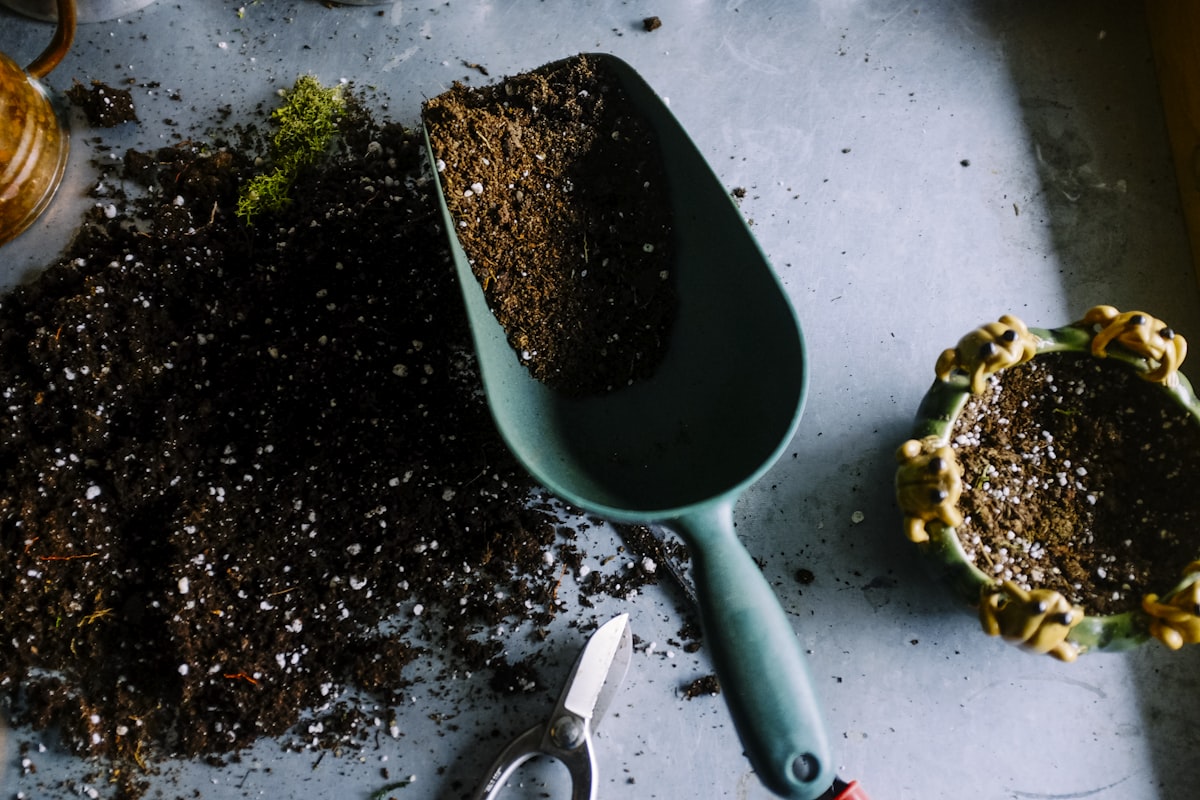
- Calculate Your Rehydration Volume: A standard 650-gram compressed brick yields approximately 8 to 10 liters of fluffy growing substrate. Place the compressed block into a sturdy 20-liter container to accommodate its rapid volume expansion.
- Introduce Lukewarm Water: Pour 3.5 to 4.5 liters of warm water evenly across the brick. Warm water quickly dissolves natural organic binders, causing the coir to fully expand within 10 to 15 minutes.
- Aerate and Break Down Clumps: Use clean gardening forks or gloved hands to break down remaining dense cores. The resulting texture should feel soft, uniform, and light like moist crumb cake.
- Rinse to Lower Electrical Conductivity (EC): Coconuts thrive in coastal plantations where salt sprays saturate husks. Rinse expanded coir with clean fresh water until the electrical conductivity EC measures below 0.5 mS/cm on a calibrated digital meter.
Buffering Cocopeat with Calcium Nitrate
Mastering buffering cocopeat with calcium nitrate is non-negotiable for serious horticulturalists. The high Cation Exchange Capacity (CEC) of raw coir holds an abundance of potassium and sodium ions on its negatively charged surface sites. When plants are potted into unbuffered coir, those sites seize applied calcium and magnesium while displacing surplus potassium, triggering severe calcium deficiencies and blossom end rot.
Soil scientists at the University of Florida IFAS Extension confirm that pre-charging raw coir with calcium nitrate permanently balances these exchange complexes. Dissolve 15 grams of greenhouse-grade calcium nitrate and 10 grams of magnesium sulfate per 10 liters of water. Submerge the washed coir into this solution for 24 hours, drain the runoff, and perform a brief freshwater rinse.
How to Mix Cocopeat with Soil: 7 Custom Potting Recipes
Learning how to mix cocopeat with soil allows you to optimize soil porosity, water holding metrics, and physical drainage for specific plant groups. Tailoring custom blends using high-grade cocopeat for plants ensures every crop species thrives.
1. Universal Tropical Houseplant Mix
Combine 40% buffered cocopeat, 30% coarse perlite, 20% aged worm castings, and 10% horticultural charcoal. This formula creates the best cocopeat ratio for indoor plants, granting monsteras, philodendrons, and ficus trees continuous capillary moisture without soggy roots.
2. Raised Bed Vegetable Garden Blend
Blend 35% rehydrated cocopeat, 35% composted steer manure or leaf mold, and 30% screened loam topsoil. This open structure allows tomato, pepper, and cucumber taproots to dive deeply into the bed while preventing surface crusting under blazing sun.
3. Succulent and Cacti Free-Draining Substrate
Combine 20% cocopeat, 50% coarse pumice or expanded clay pellets, 20% volcanic black cinder, and 10% coarse river sand. This rapid-draining potting mix recipe releases gravitational water in minutes, stopping basal stem rot on sensitive desert flora.
4. Nursery Germination and Seed-Starting Medium
Combine 70% finely sifted cocopeat with 30% sterile horticultural vermiculite. This featherweight substrate offers zero physical resistance to emerging radicles, ensuring uniform germination across trays of microgreens and heritage flowers.
5. Epiphytic Aroid and Jungle Foliage Mix
Mix 30% coarse coco chips, 30% buffered cocopeat, 20% coarse perlite, 10% pine bark nuggets, and 10% composted worm castings. This coarse open mix mimics the rich debris layers of tropical rainforest floors.
6. Fruiting Berry and Acid-Loving Shrub Blend
Combine 45% cocopeat, 25% composted pine needle mulch, 20% coarse pumice, and 10% elemental sulfur amended compost. This provides blueberries and azaleas with rich organic bulk while enabling growers to maintain lower rhizosphere pH zones.
7. Hydroponic Growing Medium for Commercial Run-to-Waste
Mix 70% buffered cocopeat pith with 30% horticultural perlite in automated drip systems. This hydroponic growing medium layout yields fast dry-down cycles, allowing automated fertigation systems to supply fresh oxygenated nutrients multiple times per day.

Cocopeat vs Peat Moss for Vegetables and Field Containers
Agronomists evaluating cocopeat vs peat moss for vegetables find notable structural and ecological distinctions. The comparison table below highlights their operational parameters across container systems.
| Agronomic Feature | Cocopeat (Coir Pith) | Sphagnum Peat Moss | Native Topsoil |
|---|---|---|---|
| Rhizosphere pH | 5.8 – 6.8 (Optimal availability) | 3.5 – 4.5 (Severely acidic) | 6.0 – 8.0 (Variable) |
| Ecological Impact | 100% Renewable harvest byproduct | Depletes sensitive peat bogs | Vulnerable to erosion |
| Water Retention | 800% – 900% dry weight | 700% – 800% dry weight | 150% – 250% dry weight |
| Rewettability | Hydrophilic; absorbs instantly | Hydrophobic; sheds water when dry | Hardens into crusted slabs |
| Structural Lifespan | 4 to 5 years (High lignin) | 1 to 2 years (Rapid decay) | Compacts under irrigation |
Peer-reviewed agronomic papers cataloged on ScienceDirect Agricultural Journals highlight that vegetables potted in coir show uniform root distribution and accelerated flowering. The ease of rewetting coir eliminates the localized hydrophobic dry pockets typical of dehydrated sphagnum peat.
4 Costly Mistakes When Using Cocopeat for Plants
Even skilled nursery professionals make mistakes when handling coconut coir media. Avoiding these common mistakes safeguards your gardens from persistent nutritional imbalances and stunted growth.
- Potting in Raw, Unwashed Bricks: Unwashed coir often carries high levels of sea salt, exhibiting an EC over 2.5 mS/cm. Always flush the substrate with clean fresh water until run-off salinity settles below 0.5 mS/cm.
- Ignoring Calcium and Magnesium Needs: The exchange sites in unbuffered coir eagerly absorb free calcium ions. Without targeted buffering and supplemental Cal-Mag nutrition, foliage rapidly displays tip burn and margin chlorosis.
- Treating Inert Coir Like Active Compost: Cocopeat serves as a structural foundation containing zero plant-available macronutrients. You must supply balanced liquid fertilizers, compost teas, or slow-release granules once seedlings establish.
- Neglecting Coarse Drainage Aggregates: Using pure micro-pith in deep, wide containers can create a perched water table at the bottom. Mix in chunky perlite, pumice, or clay pebbles to ensure gravity water escapes unhindered.
Integrating Sustainable Co-Products into Soil Conditioning
Forward-thinking growers combine coir with high-performing circular agricultural amendments to improve soil biome health. Natural organic inputs like copra meal supply slow-release organic nitrogen, feeding beneficial mycorrhizae and earthworms in the rhizosphere.
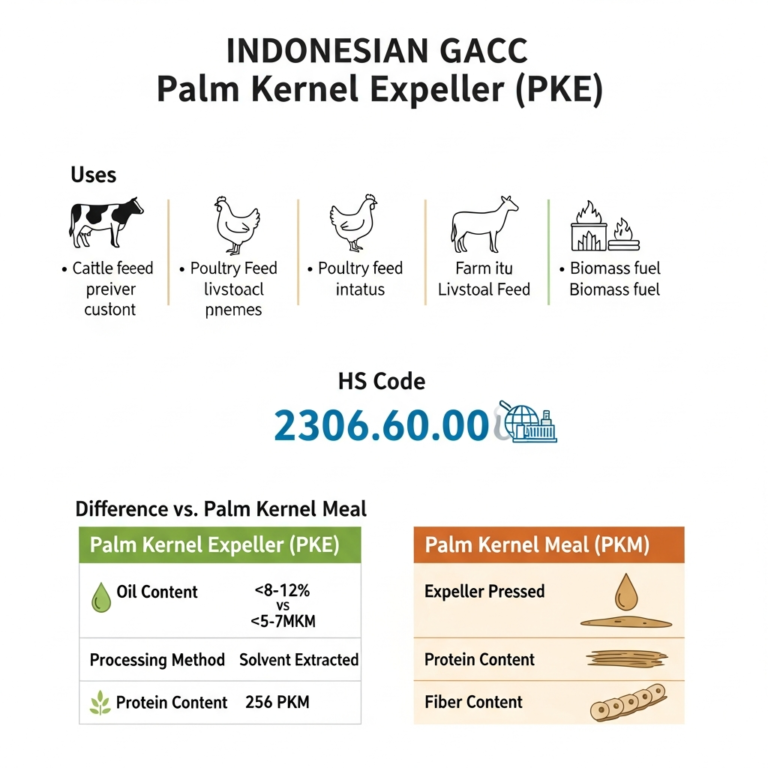
Container nurseries and professional orchards apply crushed palm kernel shell as a durable mulch layer over coir mixes. This organic mulch barrier reduces surface evaporation by up to 40% and shields top-layer feeder roots from scorching heat. Furthermore, composting mineral-rich residues like palm kernel expeller creates rich humic amendments that enhance nutrient reserves in potting media.
Makmur Amanah Sejahtera provides high-quality palm products such as Palm Kernel Expeller, Palm Kernel Shell, Crude Palm Oil, Palm Kernel Oil, etc. Kindly contact us at WhatsApp +6282140002198 or email us at admin@makmuramanah.co.id.
Frequently Asked Questions
Can plants grow in pure cocopeat?
Yes, plants can thrive in 100% pure cocopeat when managed under dedicated hydroponic fertigation. Because coir contains zero natural nutrients, you must supply balanced mineral fertilizers enriched with calcium and magnesium during every irrigation cycle to maintain steady, healthy vegetative development.
Does cocopeat attract gnats or mold?
Cocopeat naturally resists mold and attracts far fewer fungus gnats than peat or compost because it lacks free saprophytic sugars. However, chronic overwatering can cause surface algae and attract pests. Letting the top inch dry out between watering cycles keeps your medium completely pest-free.
How often should you water plants grown in cocopeat?
Watering frequency depends on pot volume, room temperature, and lighting intensity. Cocopeat retains hydration far longer than standard loam, so most indoor houseplants require watering only every 4 to 8 days. Water thoroughly once the top inch feels distinctly dry to the touch.
How long does cocopeat last before decomposing?
Because of its high concentration of natural woody lignin, cocopeat breaks down very slowly and lasts 4 to 5 years in container pots. In contrast, standard peat moss degrades and compresses after only 1 to 2 years, requiring frequent repotting to prevent root suffocation.
Can you reuse cocopeat for future plantings?
Yes, cocopeat is fully reusable across multiple growing seasons. Sift out old root debris, rinse thoroughly with fresh water to flush out residual mineral salts, pasteurize with boiling water or diluted hydrogen peroxide, and re-buffer with calcium nitrate before repotting fresh plants.
Conclusion: Maximizing Growth with Cocopeat for Plants
Adopting cocopeat for plants remains a dependable way to maintain pristine root health, balance moisture retention, and embrace environmentally sustainable horticultural standards. Thorough rinsing, calcium nitrate buffering, and purposeful blending ensure your root systems develop rapidly without soil compaction.
Whether you tend an indoor tropical jungle or manage productive outdoor garden beds, high-grade coir consistently outperforms conventional soils. Select washed substrates, mix with the right amendments for your plant species, and enjoy the remarkable root vitality that cocopeat for plants delivers.
 English
 Indonesian
 Chinese
 Arabic
