
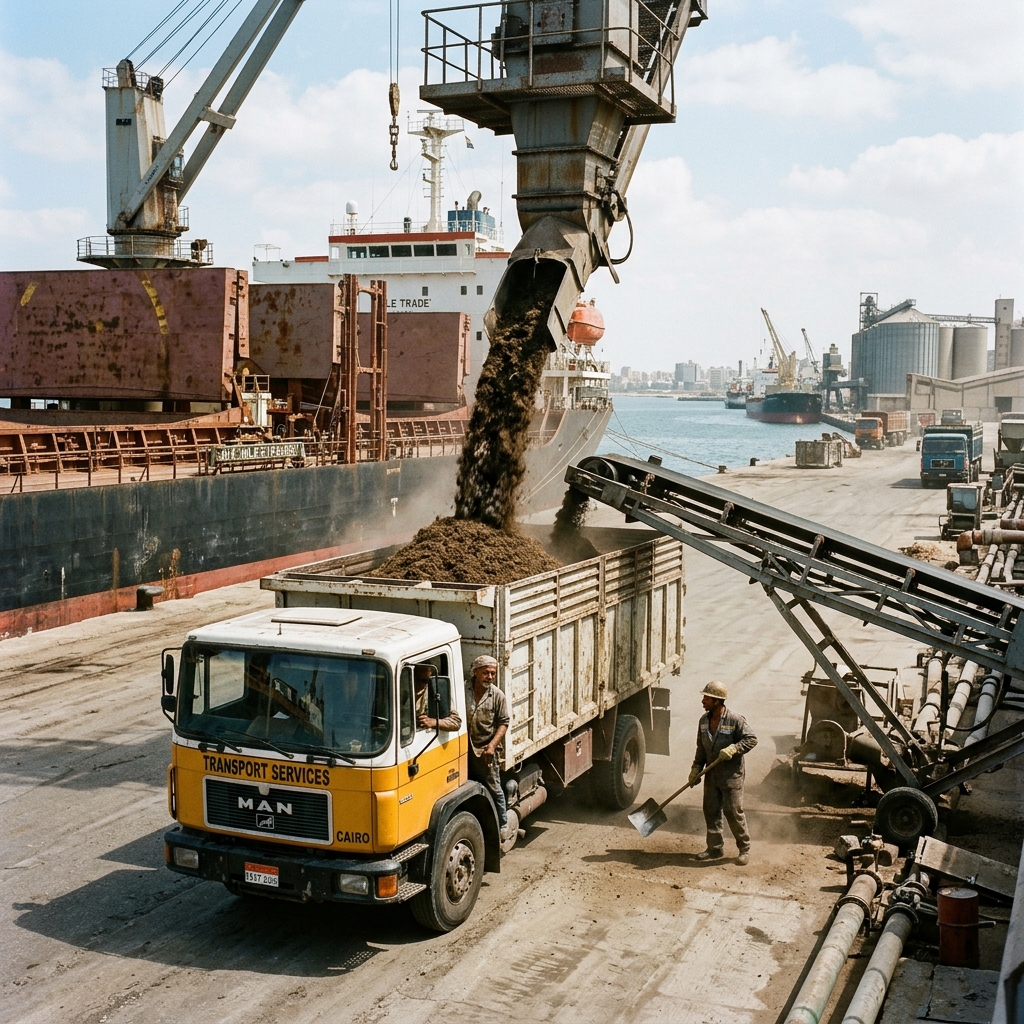
Palm Kernel Expeller Egypt sourcing demands reliable supply chains, certified crude protein levels, and seamless maritime customs navigation to maximize livestock feeding margins. Commercial feed millers, cattle fattening operations, and dairy cooperatives across the Nile Delta face mounting cost pressures from volatile global grain markets. Sourcing high-energy, fiber-rich feed substitutes has transitioned from an experimental initiative to an essential commercial strategy in 2026.
Egypt imports over 8 million metric tons of feed grains annually, according to reports by the USDA Foreign Agricultural Service. Fluctuating currency values and soaring prices for yellow corn and soybean meal compel feed manufacturers to re-evaluate their ration formulations. Incorporating quality-tested agro-industrial co-products stabilizes overhead while sustaining high livestock productivity.

What Is Palm Kernel Expeller Egypt Feed and Why Do Ruminants Need It?
Palm kernel expeller (PKE) is a nutrient-dense, fibrous agro-byproduct generated during mechanical oil extraction from the crushed kernels of the oil palm tree (Elaeis guineensis). It delivers 14% to 18% crude protein, 6% to 10% residual fat, and safe metabolizable energy values for ruminants.
Feed millers classify this material interchangeably as palm kernel cake (PKC) or expeller meal. Because it avoids chemical solvent extraction, mechanical pressing preserves digestible lipid fractions that supply high-density energy directly to beef and dairy cattle. Accessing consistent shipments of Palm Kernel Expeller Egypt shipments shields Egyptian feed producers from unpredictable price spikes in imported corn.
Additionally, PKE contains no anti-nutritional factors that degrade bovine gut health when formulated properly. The material provides a stable, dry consistency that withstands maritime storage during shipment across Indian Ocean trade corridors to the Suez Canal and Mediterranean terminals. Commercial mills depend on this ingredient as a stabilizing component against global grain volatility.
Nutritional Profile of Palm Kernel Expeller Egypt Livestock Rations
Integrating Palm Kernel Expeller Egypt rations provides balanced micro and macronutrients tailored to sheep, goats, buffalo, and cattle. The composition recorded by the animal feed resource base at Feedipedia reveals significant structural carbohydrate contents that stimulate rumen microbial fermentation without inducing subacute ruminal acidosis.
Optimizing Palm Kernel Expeller Egypt Rations for Dairy and Beef Cattle
Dairy herds located across the Beheira and Sharkia governorates need sustained dietary energy to maintain milk production during hot summer intervals. Unlike starch-heavy grain rations, PKE delivers energy through digestible neutral detergent fiber (NDF) and residual plant lipids. This unique digestive profile keeps ruminal pH above critical thresholds, safeguarding cattle against laminitis and liver abscesses.
Moreover, modern dairy operations combine PKE with concentrated bypass fats such as calcium salts of palm oil fatty acids to enhance butterfat percentages without depressing daily feed intake. This synergistic approach delivers optimal caloric density during high lactation cycles without taxing metabolic equilibrium.
Balancing Sheep and Goat Rations with Bypass Protein
Egyptian sheep and goat producers require drought-resilient, dense feeds capable of sustaining intensive fattening cycles prior to seasonal religious festivities. PKE contains a remarkable 30% to 40% rumen undegradable protein (bypass protein), ensuring that valuable amino acids pass directly into the abomasum and small intestine for superior muscle assimilation.
This bypass fraction provides an efficient pathway to build lean muscle mass while keeping ration costs substantially lower than conventional concentrate pellets. Egyptian livestock nutritionists utilize this biological mechanism to formulate high-performance rations at reduced wholesale costs.
Aflatoxin Mitigation and Feed Security in Warm Climates
Storage temperatures exceeding 35°C in Upper Egypt and Lower Egypt frequently promote fungal growth in traditional grain silos. Quality mechanical-press PKE maintains low free fatty acid (FFA) and moisture levels below 10%, significantly diminishing mycotoxin proliferation compared to damp wheat bran or poorly dried ground maize.
Consistently testing batches for mold resistance guarantees that cattle herds maintain peak digestive efficiency without immune suppression triggered by aflatoxins. Consequently, importing high-grade palm byproducts acts as a biosecurity barrier against common feed spoilage issues during sweltering desert conditions.
Feed Ingredient Nutritional Comparison: PKE vs Alternative Feedstuffs
Selecting the most profitable feed components requires direct comparison between standard commercial commodities and alternative oilseed byproducts. Egyptian feed formulators continuously assess cost-effective ruminant feed alternatives Egypt operations require to sustain low feed conversion ratios.
| Nutrient Parameter | Palm Kernel Expeller (PKE) | Copra Meal | Wheat Bran | Yellow Corn Grain |
|---|---|---|---|---|
| Crude Protein (CP) | 14.5% – 17.5% | 20.0% – 22.0% | 14.0% – 16.0% | 8.5% – 9.5% |
| Crude Fat (EE) | 6.5% – 9.5% | 7.0% – 10.0% | 3.5% – 4.5% | 3.8% – 4.2% |
| Crude Fiber (CF) | 15.0% – 18.0% | 11.0% – 13.0% | 9.0% – 11.5% | 2.0% – 2.5% |
| Metabolizable Energy (MJ/kg) | 10.5 – 11.5 | 11.2 – 12.0 | 9.8 – 10.2 | 13.0 – 13.5 |
| Starch Content | < 3.0% (Low Acidosis Risk) | < 2.0% | 15.0% – 20.0% | 65.0% – 72.0% |
As confirmed by peer-reviewed studies on ScienceDirect investigating tropical feed meals, blending PKE alongside copra meal creates a complementary amino acid matrix while maintaining a wide margin of digestive safety against metabolic diseases in feedlot steers. This nutritional pairing optimizes both fiber digestibility and protein efficiency ratios.

Step-by-Step Palm Kernel Expeller Egypt Import Procedures in 2026
Navigating Egyptian trade governance requires rigorous document compliance, laboratory verification, and proactive freight logistics. Importing bulk agricultural commodities involves specific regulatory steps designed to safeguard national biosecurity.
- Commercial Registration and Importer Card: The purchasing business entity must hold an active commercial register validated with the General Organization for Export and Import Control (GOIEC) under dedicated agro-commodity trade codes.
- Proforma Invoice & Central Bank Financing Approval: Buyers register import contracts via the national banking system to secure verified foreign currency letters of credit (LC) or cash-against-documents terms matching national financial standards.
- Advanced Cargo Information (ACI) System Filings: Importers must register maritime consignments on the Nafeza digital customs portal to generate a certified ACID number before cargo leaves Southeast Asian export terminals.
- Phytosanitary Certification: Exporters must issue a clean Phytosanitary Certificate confirming that the bulk expeller is free from dangerous weed seeds, fungal contaminants, and regulated biological pathogens.
- Fumigation and Cleanliness Verification: The shipping vessel holds must undergo certified methyl bromide or phosphine fumigation, documented by a licensed international surveyor prior to sailing.
- Port Entry and Quarantine Inspection: Upon vessel arrival at Egyptian maritime terminals, inspectors from the Ministry of Agriculture and Land Reclamation extract samples for rapid laboratory clearance.
- Customs Clearance and Terminal Evacuation: Once heavy metal, dioxin, and aflatoxin thresholds pass national standard checks, customs authorities release the cargo for bulk trucking to local milling facilities.
Working alongside an established palm kernel expeller Egypt bulk supplier eliminates unexpected regulatory hurdles, ensuring every batch complies strictly with the National Food Safety Authority (NFSA) and Central Administration of Plant Quarantine standards.
Handling Port Logistics at Alexandria, Damietta, and Port Said
The Port of Alexandria and Dekheila port complex handle the majority of Egypt’s bulk agricultural discharge. Both facilities provide pneumatic grain suction systems and specialized conveyor setups that transfer dry bulk PKE directly to flat warehouses or tipper trucks. Importers operating around the Suez Canal axis frequently select Port Said or Damietta to optimize haulage routes across the eastern Delta and Ismailia agricultural projects.
Efficient port logistics play a crucial role when importing palm kernel meal to Alexandria port terminals, as rapid clearance minimizes demurrage penalties and preserves cargo dryness before onward transport to feed plants. Coordinated discharging ensures the physical integrity of the pellets remains intact during regional transshipment.
Formulating Livestock Diets: Inclusion Rates for Egyptian Herds
Integrating Palm Kernel Expeller Egypt supplies into complete feeds requires balanced formulation software to optimize performance while curbing unnecessary costs. The global agricultural authority at the Food and Agriculture Organization (FAO) suggests targeted inclusion ceilings across various animal classes:
- Feedlot Beef Cattle: Introduce PKE at 20% to 35% of total dry matter intake. Its slow-fermenting fiber stabilizes ruminal fermentation while boosting daily live-weight gain by up to 1.3 kg per day under intensive feedlot regimes.
- Lactating Dairy Cows: Incorporate at 15% to 25% of total concentrate mix. High protein palm kernel cake Egyptian dairy farms utilize increases milk fat concentrations while avoiding excessive ruminal heat production during peak summer.
- Growing Sheep and Goats: Blend at 10% to 20% of the total ration. Ensure adequate clean drinking water is provided at all times to facilitate natural fiber expansion and optimal passage rates through the rumen.
- Poultry and Aquaculture Formulations: Due to higher crude fiber levels and non-starch polysaccharides, limit inclusion to 3% to 5% in broiler feeds, utilizing supplementary exogenous enzymes to maximize nutrient availability.
Agribusiness operations frequently pair feed production with renewable energy initiatives, sourcing solid biofuel co-products such as crushed palm kernel shell to supply high-caloric heat for on-site drying kilns and feed processing steam boilers. Furthermore, intensive greenhouse setups adjacent to livestock facilities incorporate horticulture-grade cocopeat substrates to achieve sustainable circular agricultural production.

Quality Standards: What Egyptian Importers Must Require from Exporters
Not all oilseed meals deliver the same biological value. Egyptian feed buyers must stipulate explicit chemical and physical parameters within purchase contracts to prevent moisture damage or nutrient oxidation during tropical sea transit across Indian Ocean maritime routes.
- Moisture Content: Strictly cap moisture at 8% to 10% maximum. Excessive moisture creates spontaneous combustion hazards and encourages Aspergillus mold contamination during humid marine transport.
- Profat Value (Protein + Fat Combined): Require a minimum combined value of 21% to 23%. This parameter guarantees that sufficient oil remains within the expeller cake to deliver needed caloric density for ruminant diets.
- Total Aflatoxins: Demand independent laboratory confirmation (e.g., SGS, Bureau Veritas) showing total aflatoxin B1 levels below 20 ppb (parts per billion), conforming to rigorous Egyptian food safety directives.
- Color, Texture, and Odor: Premium PKE exhibits a warm brown hue, a pleasant, nutty aroma, and a consistent granular-pellet texture without black scorched fragments resulting from excessive expeller friction.
Verifying these specifications at the port of origin protects your enterprise against demurrage delays, dispute arbitration, or regulatory vessel rejection upon entry into Egyptian territorial waters. Working with reputable suppliers guarantees consistent nutrition and peace of mind for livestock operations.
Partner with an Established Global Exporter
Makmur Amanah Sejahtera provides high-quality palm products such as Palm Kernel Expeller, Palm Kernel Shell, Crude Palm Oil, Palm Kernel Oil, etc. Kindly contact us at WhatsApp +6282140002198 or email us at admin@makmuramanah.co.id.
Frequently Asked Questions About Palm Kernel Expeller Egypt
Why is Palm Kernel Expeller Egypt preferred over raw corn in ruminant diets?
Palm Kernel Expeller offers high fiber and bypass protein with minimal fermentable starch. This profile prevents digestive acidosis, maintains stable rumen pH, and delivers cost-effective energy compared to volatile imported corn grains, protecting herd health during high-heat conditions.
What shipping terms are standard when importing Palm Kernel Expeller to Egypt?
Most Southeast Asian shipments operate under CIF or CFR terms to Alexandria, Damietta, or Port Said. Shipments travel in dry bulk vessel holds (5,000 to 20,000 MT) or 20-foot containerized liner bags for smaller commercial feed milling enterprises.
How does PKE handle Egypt’s arid climate during storage?
With moisture levels verified below 10%, PKE resists mold development and rancidity far better than high-moisture brans. Warehousing in dry, well-ventilated flat sheds preserves nutritional viability for up to six months without loss of vital nutrients.
What mandatory import documents are required by Egyptian quarantine?
Importers need a Phytosanitary Certificate, Certificate of Origin, Commercial Invoice, Packing List, Independent Fumigation Certificate, and a clean Bill of Lading matched with an approved Nafeza ACID number issued prior to vessel departure from loading ports.
Can Egyptian aquaculture farms utilize Palm Kernel Expeller?
Tilapia and carp can utilize fine-ground PKE at modest inclusion rates of 3% to 7% when combined with carbohydrate enzymes. Its elevated crude fiber restricts higher utilization in intensive commercial aquaculture setups without dedicated exogenous enzyme treatments.
Conclusion: Securing Sustainable Palm Kernel Expeller Egypt Feed Supplies
Modern livestock operations in Egypt demand forward-thinking ingredient purchasing to navigate ongoing macroeconomic challenges. Incorporating high-quality expeller meals allows agribusiness leaders to safeguard herd health, optimize weight gain, and reduce reliance on volatile foreign grain commodities.
By establishing vetted origin partnerships and complying precisely with customs protocols, purchasing agents can streamline every shipment from port handling to feeding trough. Committing to a verified supply of Palm Kernel Expeller Egypt feeds directly empowers your business to achieve sustainable herd performance, lower production overheads, and strengthen overall agribusiness profitability in 2026 and beyond.
 English
 Indonesian
 Chinese
 Arabic
