
Copra Cake: 7 Powerful Animal Feed Benefits Revealed (2026)
كعكة جوز الهند has rapidly transformed into a vital resource for livestock farmers looking to maximize animal health and yield. As agricultural feed costs continue to surge globally in 2026, finding high-quality, cost-effective nutrition is no longer optional. It is a critical survival strategy for commercial farm operations everywhere.
Historically, farm operators relied heavily on standard corn and soybean rations to meet basic energy demands. However, recent data highlights a massive industry shift toward sustainable tropical byproducts. Utilizing advanced agricultural outputs allows producers to lower total dietary costs while simultaneously improving herd performance.
This definitive guide explores everything you need to know about this remarkable ingredient. You will discover the complete copra cake nutritional value, its specific applications across different livestock species, and proven strategies to increase your feed efficiency.
What Is Copra Cake?
Alt text: Freshly processed copra cake ready for animal feed formulations
Title attribute: Commercial Copra Cake Storage Facility
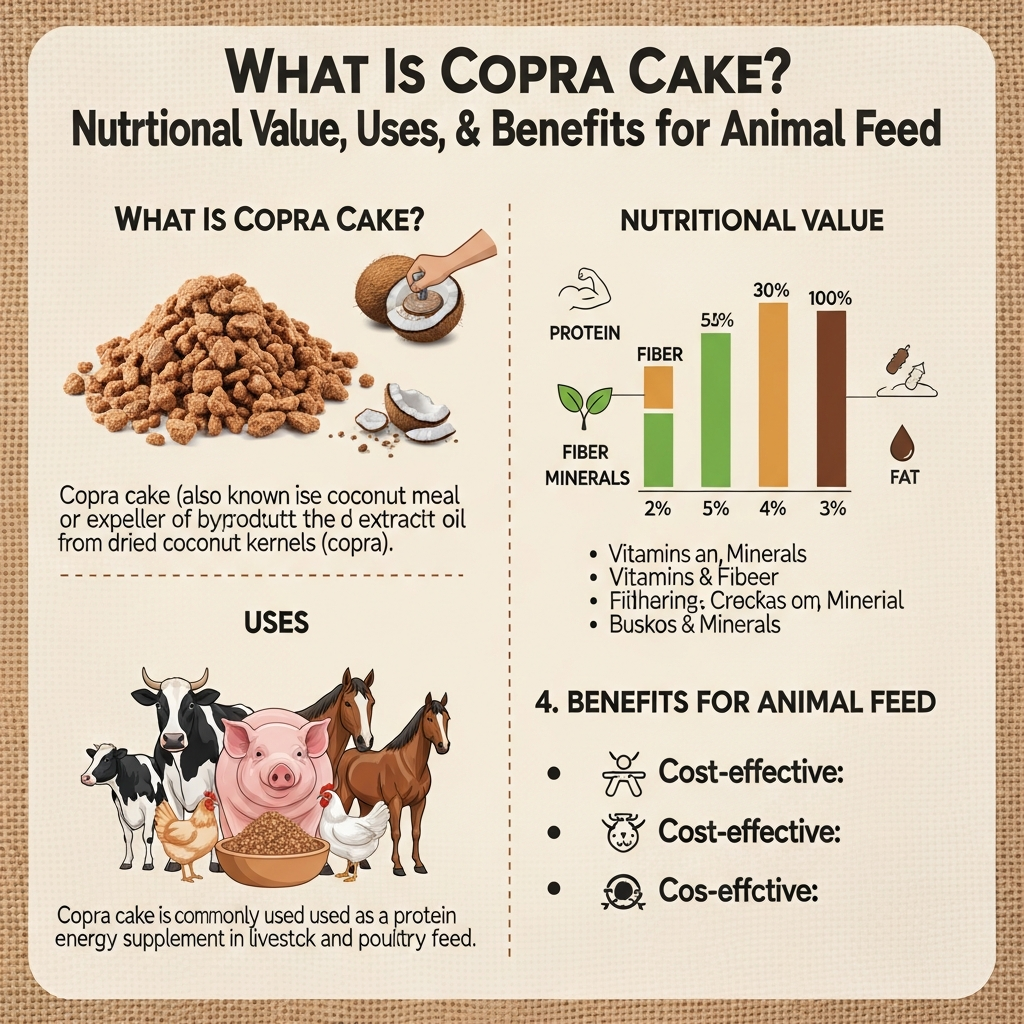
كعكة جوز الهند is the highly nutritious, fibrous byproduct remaining after coconut oil is mechanically extracted from dried coconut meat (copra). It serves as an excellent, cost-effective animal feed ingredient rich in bypass protein, dietary fiber, and residual fats, making it ideal for optimizing livestock diets.
The copra extraction process typically utilizes high-pressure mechanical screw presses. This physical method purposefully leaves a valuable portion of the coconut oil byproduct behind. Consequently, this residual oil significantly increases the baseline energy density of the final cake output.
In contrast, solvent-extracted versions are much leaner and are generally referred to as coconut meal. Understanding these distinct livestock feed ingredients helps clinical nutritionists formulate better daily rations. By choosing the right mechanical extraction byproduct, farmers ensure their animals receive optimal caloric intake without overspending.
The Nutritional Value of Copra Cake for Livestock
Evaluating the copra cake nutritional value is the first step toward building a superior animal diet. This natural ingredient offers a unique blend of macronutrients that heavily supports both maintenance and production phases in farm animals.
Protein Content and Vital Amino Acids
The average protein content in high-quality copra cake ranges between 20% and 22%. While this is slightly lower than premium soybean meal, it possesses a distinct advantage in ruminant digestion. A significant portion of this protein naturally escapes rumen degradation.
This bypass protein directly reaches the lower intestine, providing a highly efficient absorption rate. The un-degraded protein is critical for high-producing dairy cows that require substantial amino acid flows to the small intestine to maintain peak milk volumes.
Furthermore, while it is slightly deficient in lysine, formulating it alongside complementary protein sources effortlessly resolves this minor amino acid gap. Modern feed mills easily balance this profile using synthetic lysine additions or complementary meals.
Energy Levels and Beneficial Dietary Fiber
Beyond protein, this coconut oil byproduct is renowned for its exceptional energy yield. The residual fat content typically hovers around 8% to 12%, depending on the exact mechanical pressing efficiency. These fats are incredibly rich in medium-chain triglycerides (MCTs).
MCTs offer a rapidly available energy source that does not burden the animal’s digestive system. They are absorbed quickly, providing a fast-acting caloric boost that is particularly beneficial during periods of heat stress or post-calving recovery.
Additionally, the high fiber content (approximately 12% to 16%) promotes excellent gut motility. This structural fiber is particularly crucial for maintaining healthy rumen function in dairy cattle, preventing digestive stagnation and promoting frequent cud-chewing.
Essential Trace Minerals and Vitamins
It is not just about macronutrients; the trace mineral profile adds substantial value. This byproduct contains respectable levels of essential minerals like phosphorus, potassium, and magnesium. These minerals are foundational for skeletal strength and metabolic enzyme function.
While it is relatively low in calcium, it acts as a phenomenal carrier for customized mineral premixes. When blended correctly, the natural oils bind to added powdered vitamins, preventing dust loss and ensuring the animal consumes its entire allocated nutrient profile.
Comparing Top Alternative Feed Ingredients
To truly understand its market position, we must compare it against other industry standards. Review the nutritional comparison table below based on detailed nutritional profiles of coconut byproducts.
| المكونات الغذائية | كعكة جوز الهند | معصرة نواة النخيل | وجبة فول الصويا |
|---|---|---|---|
| البروتين الخام | 20% – 22% | 14% – 16% | 44% – 48% |
| Residual Fat | 8% – 12% | 6% – 8% | 1% – 2% |
| الألياف الخام | 12% – 16% | 15% – 18% | 3% – 5% |
| Rumen Bypass Protein | High (approx. 40%) | معتدل | Low (highly degradable) |
7 Powerful Benefits of Copra Cake in Animal Feed
Why are modern agricultural enterprises aggressively switching their feed formulas? Here are the top seven scientifically backed benefits of utilizing copra cake for animal feed in your farm operations.
Alt text: Infographic showing the 7 powerful benefits of copra cake for animal feed
Title attribute: Copra Cake Benefits Infographic
- Enhances Milk Butterfat Content: The unique lauric and myristic acid profiles naturally increase the butterfat percentage in lactating dairy cows, increasing your milk check premiums.
- Reduces Overall Feed Costs: It serves as a highly economical substitute for volatile, expensive grains like corn and roasted soybeans, shielding farmers from market spikes.
- Boosts Rumen Health: The highly digestible structural fiber stabilizes rumen pH, drastically reducing the risk of clinical acidosis and sub-acute ruminal acidosis (SARA).
- مستساغ للغاية: Animals naturally prefer its sweet, roasted aroma. This effectively stimulates daily dry matter intake even during severe summer heat stress.
- Increases Weight Gain in Beef Cattle: The dense energy provided by residual coconut oil fuels rapid, efficient muscle development in commercial feedlot operations.
- Creates Harder Animal Fats: When fed to swine, the saturated fats produce a firmer, highly desirable pork carcass quality that premium butchers actively demand.
- Exceptional Pellet Binder: The natural oils and fibrous texture allow it to act as an organic binding agent, creating durable pellets that resist crumbling during transport.
Ideal Copra Cake Uses Across Different Livestock Types
The true versatility of this ingredient shines when we examine its specific applications. Different farm animals process this nutrient profile in entirely unique ways, requiring strategic and precise rationing protocols.
Why Copra Cake Excels in Ruminant Diets
Ruminants, particularly dairy cows and beef cattle, extract the highest value from this byproduct. Their complex digestive systems thrive on the fermentable fiber found within the cake matrix. This directly contributes to a robust and healthier microbial population.
وفق peer-reviewed dairy science research, supplementing lactating diets with this ingredient noticeably improves milk composition. Farmers typically cap the inclusion rate at around 1.5 to 2 kilograms per cow per day to prevent overly soft butterfat.
For operations aiming to further maximize milk yields, blending it alongside أملاح الكالسيوم للأحماض الدهنية لزيت النخيل creates a synergistic energy boost. This combination prevents negative energy balances during peak lactation, keeping the cow fertile and highly productive.
Optimizing Poultry and Swine Diets
Monogastric animals handle fiber differently than ruminants. Therefore, the benefits of copra cake for dairy cows do not perfectly mirror those for poultry. In broiler diets, inclusion rates must remain strictly below 10% to prevent rapid digestion issues.
Swine operations, however, utilize it with excellent results in finishing diets. The medium-chain fatty acids are easily absorbed and directly deposited into the animal’s fat stores. This results in the premium, firm pork fat demanded by high-end markets.
For pregnant sows, the high dietary fiber prevents constipation, a common issue in commercial farrowing houses. This ensures smoother deliveries and significantly healthier piglet litters overall.
Alt text: Video demonstration of mixing copra cake safely into poultry feed rations
Title attribute: Copra Cake Poultry Mixing Guide Video
Aquaculture Feed Applications
Beyond traditional livestock, the aquaculture sector is rapidly adopting coconut extraction byproducts. Fish farmers utilize it as a cost-effective plant protein source in floating pellet formulas for omnivorous species like tilapia and common carp.
The strong binding properties of the cake help fish pellets maintain their structural integrity in water. This drastically reduces feed waste at the bottom of the pond, maintaining pristine water quality and preventing harmful ammonia spikes.
Copra Cake vs. Alternative Feed Ingredients
Understanding how to interchange feed commodities is a vital skill for procurement managers. The most frequent comparison occurs between copra cake vs palm kernel expeller. Both are tropical, oil-derived byproducts, yet they serve slightly different functional purposes.
بينما معصرة نواة النخيل (PKE) offers a highly economical, high-fiber filler, it generally contains less protein and lower residual oil. PKE is exceptionally gritty and is heavily relied upon for bulk maintenance feeding in beef cattle herds.
Conversely, the coconut extraction yields a slightly more premium, energy-dense product. If you require maximum caloric density for peak lactation, exploring a dedicated كعكة جوز الهند internal purchase is often the mathematically superior choice.
Additionally, modern mills are focusing heavily on complete operational sustainability. Utilizing byproducts like these, alongside biomass energy sources such as قشرة نواة النخيل to power the mill boilers, ensures zero agricultural waste during the extraction life cycle.
Maximizing Farm Efficiency with Palm Products
Integrating diverse tropical byproducts allows farms to achieve unprecedented cost efficiency. Beyond solid meals, advanced operations frequently incorporate specialized lipid supplements. For instance, adding RBD CP8 into liquid feed suspensions drastically elevates the baseline caloric value for high-performance show cattle or elite racing horses.
Furthermore, complete farm management extends beyond just nutrition. Ensuring proper animal welfare through comfortable housing is equally critical. Many top-tier poultry and dairy facilities utilize جوز الهند as a superior, highly absorbent bedding material. This keeps the animals dry, reduces ammonia odors, and ultimately lowers disease transmission rates.
By sourcing a comprehensive suite of agricultural byproducts—from nutritional meals to bedding and specialized fats—farm managers can streamline their supply chains and significantly enhance their total operational profitability.
How to Properly Store and Handle Copra Cake
Even the highest quality feed ingredient loses its nutritional value if mismanaged. Proper storage and handling protocols dictate the final efficacy of your livestock feed ingredients. Ignoring these steps guarantees financial losses.
Moisture Control and Aflatoxin Prevention
The primary vulnerability of this ingredient is its susceptibility to rapid mold growth if exposed to excess moisture. You must strictly maintain a storage moisture level below 10%. Anything higher invites the rapid development of dangerous, yield-destroying aflatoxins.
A recent scientific study on ruminant digestion and mycotoxins highlights the severe negative impact of mycotoxin exposure on herd immunity. Toxins disrupt the gut microbiome, leading to suppressed feed intake and sudden drops in milk production.
Always store the cake in well-ventilated, dry, and cool commercial silos. If storing in bulk bags, ensure they are elevated on wooden pallets to prevent moisture wicking directly from the cold concrete floors.
Maximizing Shelf Life for Commercial Feed Lots
When stored correctly, the shelf life easily extends up to six months. Due to the natural antioxidants present within the residual coconut oil, the fat resists turning rancid surprisingly well under optimal, climate-controlled conditions.
It is heavily advised to implement a strict “first in, first out” (FIFO) inventory system. Regularly inspect storage bins for condensation, especially during periods of high humidity or rapid seasonal temperature fluctuations.
Following global agricultural feed guidelines ensures your product remains pristine. Routine sampling and laboratory testing for moisture and protein degradation should be standard practice for any large-scale feeding operation.
مكمور أمانة سجيتيرا نُقدّم منتجات نخيل عالية الجودة مثل عصارة نواة النخيل، وقشرة نواة النخيل، وزيت النخيل الخام، وزيت نواة النخيل، وغيرها. يُرجى التواصل معنا عبر واتساب. +6282140002198 أو راسلنا عبر البريد الإلكتروني على admin@makmuramanah.co.id.
الأسئلة الشائعة حول كعكة جوز الهند
What is the main difference between copra cake and copra meal?
The primary difference is the oil extraction method. Copra cake is mechanically pressed, retaining higher residual fat (8-12%) and energy. Copra meal is typically chemically solvent-extracted, leaving a very low fat content (1-2%) and slightly higher concentrated protein.
Is copra cake safe for all types of livestock?
Yes, it is highly safe, but inclusion rates vary. Ruminants like cattle can consume significant amounts safely. However, monogastrics like poultry and pigs require lower inclusion limits (under 10%) due to their inability to digest high structural fiber effectively.
How does copra cake improve milk production in dairy cows?
It improves milk production primarily through its rumen bypass protein and high levels of medium-chain fatty acids. The myristic and lauric acids bypass the rumen intact and directly support the synthesis of richer, thicker butterfat in the mammary glands.
What is the ideal shelf life of this feed ingredient?
When stored in a dry, well-ventilated environment with moisture levels kept strictly below 10%, it can last up to six months. Preventing excess humidity is crucial to stop the formation of toxic mold and maintain maximum nutritional value.
Can copra cake entirely replace soybean meal?
No, it cannot act as a 100% replacement because it has lower total protein and lacks sufficient lysine. However, it is an excellent partial substitute that drastically lowers overall ration costs when correctly balanced with synthetic amino acids.
Is copra cake suitable for feeding horses?
Absolutely. It is an excellent “cool energy” source for horses, providing high digestible fiber and fat without the hyperactivity associated with high-starch grain diets. It effectively promotes healthy weight gain and significantly improves equine coat condition.
Alt text: Healthy dairy cattle thriving on diets supplemented with copra cake
Title attribute: Copra Cake Fed Dairy Cattle
Conclusion: Why Copra Cake Is the Future of Feed
As the global agricultural landscape faces increasing economic pressures in 2026, relying on traditional, volatile, and expensive feed grains is no longer a viable long-term strategy. Farmers must aggressively adapt to utilizing highly efficient, sustainable tropical alternatives to survive.
The proven copra cake nutritional value delivers an unmatched combination of rumen bypass protein, highly beneficial medium-chain fats, and easily digestible structural fiber. By strategically formulating this phenomenal ingredient into your daily livestock rations, you immediately protect your operational profit margins from sudden market shifts.
دمج كعكة جوز الهند into your agricultural feeding program virtually guarantees healthier animals, superior daily production yields, and highly predictable feeding costs. Start optimizing your comprehensive livestock diets today and experience the dramatic, long-lasting improvements to your farm’s bottom line.

 Arabic
  English
  Indonesian
  Chinese