
Cocopeat: 7 Proven Uses, Incredible Benefits & Guide (2026)
What if incorporating جوز الهند into your cultivation strategy could completely transform your gardening results this year? Struggling with poor soil drainage, weak root systems, or inconsistent plant growth is an absolute nightmare for any modern grower.
Fortunately, the ultimate solution lies in this sustainable, high-performance coconut byproduct. The USDA Natural Resources Conservation Service consistently emphasizes the critical importance of adopting sustainable soil amendments to combat global topsoil degradation.
Research indicates that utilizing high-quality coconut coir pith can remarkably increase soil water retention by up to 300% compared to traditional dirt. As we navigate the intensifying agricultural demands of 2026, shifting towards eco-friendly mediums is no longer optional but essential. This definitive guide will reveal exactly how you can maximize this growing medium to achieve explosive plant vitality.
[Image: Close-up of compressed coconut coir expanding in water] | Alt text: “Cocopeat block hydrating in a gardening bucket” | Title: “Hydrating Compressed Cocopeat for Plants”
What is Cocopeat? A Complete Definition
جوز الهند is a 100% natural, biodegradable growing medium extracted from the fibrous husks of coconuts. Often referred to as coir pith, it acts as an exceptional soil conditioner that retains substantial moisture, promotes optimal root aeration, and prevents fungal diseases in diverse agricultural applications.
Historically, farmers discarded the spongy material found inside coconut husks. Today, it stands as the premier substitute for peat moss worldwide. Derived from coir, this medium prevents nutrient leaching while maintaining a highly porous physical structure. Consequently, root systems can breathe easily and access necessary moisture on demand without facing suffocation.
The Origins of Cocopeat
Originally utilized heavily in tropical regions like India and Sri Lanka, this resource was a natural byproduct of the massive coconut industry. By repurposing the discarded outer husks, agricultural pioneers discovered a medium that naturally resists rapid degradation while vastly improving soil structure.
How Cocopeat is Manufactured
The manufacturing process begins by curing raw coconut husks in fresh water for several months. Once adequately softened, heavy machinery extracts the long fibers for industrial use, leaving behind the fine, sponge-like coir pith. This remaining pith is then washed, heat-treated, and compressed into highly efficient bricks for global distribution.
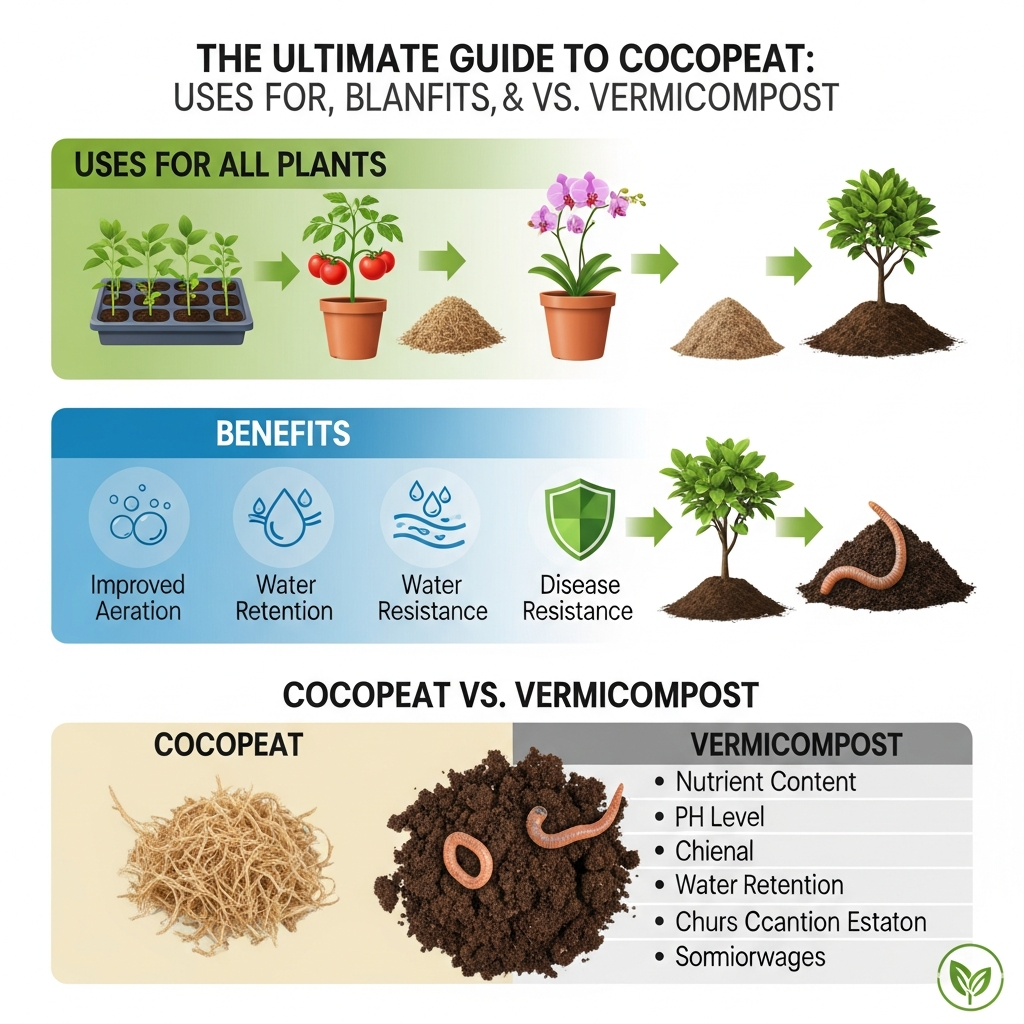
7 Incredible Uses of Cocopeat for All Plants
Understanding the remarkable versatility of Cocopeat allows you to completely revolutionize your modern growing techniques. Here are the top seven ways agricultural professionals utilize this organic medium.
1. Using Cocopeat for Seed Starting and Rapid Germination
Starting seeds requires a delicate balance of continuous moisture and supreme aeration. This coconut-based medium provides the perfect sterile environment to protect vulnerable seedlings from devastating damping-off disease. Furthermore, its light texture allows delicate roots to penetrate deeply without encountering heavy resistance.
2. Advanced Hydroponic Farming Systems
Modern hydroponic systems rely heavily on inert, soil-less media to function efficiently. According to cultivation guidelines from the الجمعية الملكية للبستنة (RHS), sustainable inert mediums perfectly support expansive root networks in nutrient-drip setups. Growers frequently use pure coir pith as a standalone substrate for high-yield tomatoes, cucumbers, and peppers.
3. Premium Potting Mix Enhancement
You should never use heavy garden soil alone in containers. By blending 30% to 50% of this coir pith into your standard potting soil, you instantly upgrade its drainage and aeration capabilities. This precise mixture prevents compaction over time, ensuring your indoor and outdoor potted plants thrive continuously.
4. Soil Conditioning for Raised Garden Beds
Heavy clay soils suffocate plant roots, while overly sandy soils drain far too rapidly. Incorporating this organic amendment into your raised garden beds resolves both extremes simultaneously. It effectively binds sandy soil to hold vital water and breaks apart dense clay to establish essential microscopic air pockets.
5. Reptile Bedding and Terrarium Substrates
Beyond traditional agriculture, this versatile product dominates the exotic pet industry. Terrarium enthusiasts prefer it for its natural odor-absorbing properties and impressive ambient humidity retention. It creates a completely safe, diggable environment for reptiles, amphibians, and tropical invertebrates.
6. Commercial Mushroom Cultivation
Mushroom farming requires highly specific, moisture-rich substrates to stimulate fungal growth. Mycelium colonizes rapidly within the sterilized coir pith due to its uniform texture and naturally high carbon content. Additionally, incorporating Cocopeat significantly boosts the overall yield of gourmet varieties like oyster and button mushrooms.
7. Greenhouse Crop Production
Commercial greenhouse operators choose this medium to achieve strict, uncompromising quality control over their crops. Since the substrate arrives virtually free of aggressive weed seeds and harmful soil pathogens, it drastically minimizes the need for harsh chemical interventions. As a result, farmers consistently harvest higher-quality, organic produce.
[Image: A vibrant greenhouse showcasing hydroponic tomatoes growing in coir bags] | Alt text: “Cocopeat bags used in commercial greenhouse farming” | Title: “Hydroponic Cocopeat Farming”
The Science-Backed Benefits of Cocopeat
Why are modern agricultural experts rapidly abandoning traditional peat moss? The scientific advantages and long-term benefits of transitioning to coconut coir are practically undeniable.
- احتفاظ فائق بالماء: It holds up to 10 times its dry weight in water, slowly releasing hydration to the plant roots exactly as needed.
- Enhanced Root Aeration: Even when fully saturated, the unique porous structure maintains 20-30% air space, actively preventing fatal root rot.
- Neutral pH Profile: With an ideal pH range of 5.5 to 6.8, it naturally accommodates the optimal nutrient uptake requirements of most plant species.
- Eco-Friendly and Renewable: Unlike ancient peat bogs that take centuries to regenerate, coconut harvesting produces continuous, sustainable yields year after year.
According to extensive agricultural research published by the MDPI Agronomy Journal, utilizing high-quality organic substrates like coir significantly improves crop resilience during periods of intense drought stress.
Cocopeat vs. Vermicompost: Which is Better in 2026?
Many novice gardeners routinely confuse structural soil amendments with active organic fertilizers. Thoroughly understanding the biological distinction between جوز الهند and vermicompost is crucial for developing a perfectly balanced cultivation strategy.
Understanding the Key Differences
Coir pith primarily serves as a mechanical and structural foundation. It manages water retention and air circulation but contains minimal inherent nutritional value. In stark contrast, vermicompost (worm castings) acts as an active, nutrient-dense biological fertilizer teeming with beneficial microbes. Therefore, they do not compete; they perfectly complement one another to create the ultimate soil blend.
The Ultimate Comparison Table
| ميزة | جوز الهند | Vermicompost |
|---|---|---|
| Primary Function | Soil conditioner & moisture retention | Organic fertilizer & microbial inoculant |
| المحتوى الغذائي | Very Low (mostly inert) | Very High (NPK & micronutrients) |
| احتباس الماء | Exceptional (up to 300%) | معتدل |
| Lifespan in Soil | 3 to 4 years | Absorbed within 3 to 6 months |
| Best Application | Base growing medium volume | Top dressing or nutrient boost |
[Image: Side-by-side comparison of light brown coir pith and dark, rich worm castings] | Alt text: “Visual difference between Cocopeat and vermicompost” | Title: “Cocopeat vs Vermicompost”
Expert Tips for Preparing and Using Cocopeat
To achieve maximum agricultural yields, you must prepare your coconut coir correctly before planting. Failing to properly wash and buffer the raw medium is the absolute most common mistake novice growers make.
Washing and Buffering Procedures
Raw coconut husks naturally absorb heavy salts from their native coastal environments. You must flush the compressed blocks with copious amounts of fresh water to safely remove excess sodium and potassium. Additionally, buffering the medium with calcium and magnesium prevents severe nutrient lockout, ensuring your plants absorb vital fertilizers efficiently.
Mixing Ratios for Optimal Results
For a robust, high-performance, all-purpose potting soil, blend 40% coir pith, 30% horticultural perlite, and 30% high-quality compost or vermicompost. This specific formulation guarantees rapid drainage while holding enough moisture to sustain vigorous root growth.
When sourcing your agricultural supplies, ensure you purchase premium-grade Cocopeat that arrives pre-washed and fully buffered. Moreover, integrating a comprehensive organic ecosystem is the key to modern farming. By utilizing sustainable agriculture solutions, including وجبة جوز الهند for comprehensive livestock management, or highly nutritious معصرة نواة النخيل for ruminants, your farm’s productivity skyrockets. Furthermore, transitioning to reliable renewable energy with قشرة نواة النخيل allows modern farming to beautifully evolve into a fully circular economy.
3 Common Mistakes When Using Cocopeat
Even with its incredible versatility, utilizing this medium incorrectly can harm your crops. Avoid these three widespread pitfalls to ensure explosive plant growth.
1. Skipping the Buffering Process
Raw coconut coir naturally contains high levels of sodium and potassium salts. If you fail to buffer the medium with calcium and magnesium, it will aggressively lock out vital nutrients. Always soak your bricks in a specialized buffering solution before introducing plants.
2. Overwatering the Substrate
Because this material retains up to 300% of its weight in moisture, novice growers often overwater their containers. You must adjust your watering schedule significantly compared to traditional soil. Allow the top two inches of the mix to dry completely between watering sessions.
3. Purchasing Unwashed, Low-Quality Bricks
Not all coir products are created equal. Cheaper, unwashed bricks from coastal regions retain toxic salt levels that can instantly scorch delicate seedlings. Always invest in premium, triple-washed agricultural-grade products to ensure a sterile, safe growing environment.
الأسئلة الشائعة
Can I use Cocopeat directly for planting without soil?
While you can successfully germinate seeds directly in washed coir pith, mature plants require added nutrients to survive. Because the medium is naturally inert, you must supplement it with organic liquid fertilizers or hydroponic nutrient solutions to sustain long-term plant growth.
Why do I need to buffer coconut coir?
Buffering involves thoroughly soaking the coir in a dedicated calcium and magnesium solution. This chemical process safely displaces naturally occurring sodium and potassium ions attached to the coir fibers. If left unbuffered, the medium will selfishly absorb the calcium fertilizers meant for your plants, causing severe deficiencies.
How long does it typically last in the soil?
High-quality coir pith is incredibly resistant to bacterial breakdown and physical compaction. Consequently, it can easily last three to four full years in container gardens or raised beds before requiring replacement, making it a highly cost-effective, long-term structural amendment.
Is it safe for all types of indoor tropical plants?
Yes, it is exceptionally safe and highly recommended for nearly all indoor houseplants. Its superior drainage and aeration capabilities effortlessly prevent root rot, which is the leading cause of indoor plant mortality. Tropical plants, rare aroids, and delicate succulents respond particularly well.
Does Cocopeat attract garden pests or insects?
No, it does not naturally attract pests. Unlike traditional soil blends that often contain dormant fungus gnat larvae or invasive weed seeds, processed coir pith is completely sterile upon arrival. This drastically reduces the likelihood of battling pest infestations in your garden.
[Image: Happy gardener holding a flourishing potted plant growing in coconut coir] | Alt text: “Healthy houseplant thriving in Cocopeat soil mix” | Title: “Successful Gardening with Cocopeat”
Conclusion: Elevate Your Growth Strategy with Cocopeat
Mastering the strategic application of جوز الهند is the definitive way to dramatically elevate your agricultural and horticultural success in 2026. By confidently transitioning from outdated, unsustainable soil methods to this high-performance coconut byproduct, you instantly optimize root aeration, completely conquer moisture management, and promote explosive, healthy plant growth.
Whether you are painstakingly blending the perfect indoor potting mix, launching a massive commercial hydroponic operation, or conditioning heavy outdoor garden soils, this incredibly versatile medium delivers unmatched, reliable results. Embrace this vital sustainable innovation today, implement the expert strategies shared in this guide, and watch your plants transform dramatically.
 Arabic
  English
  Indonesian
  Chinese