
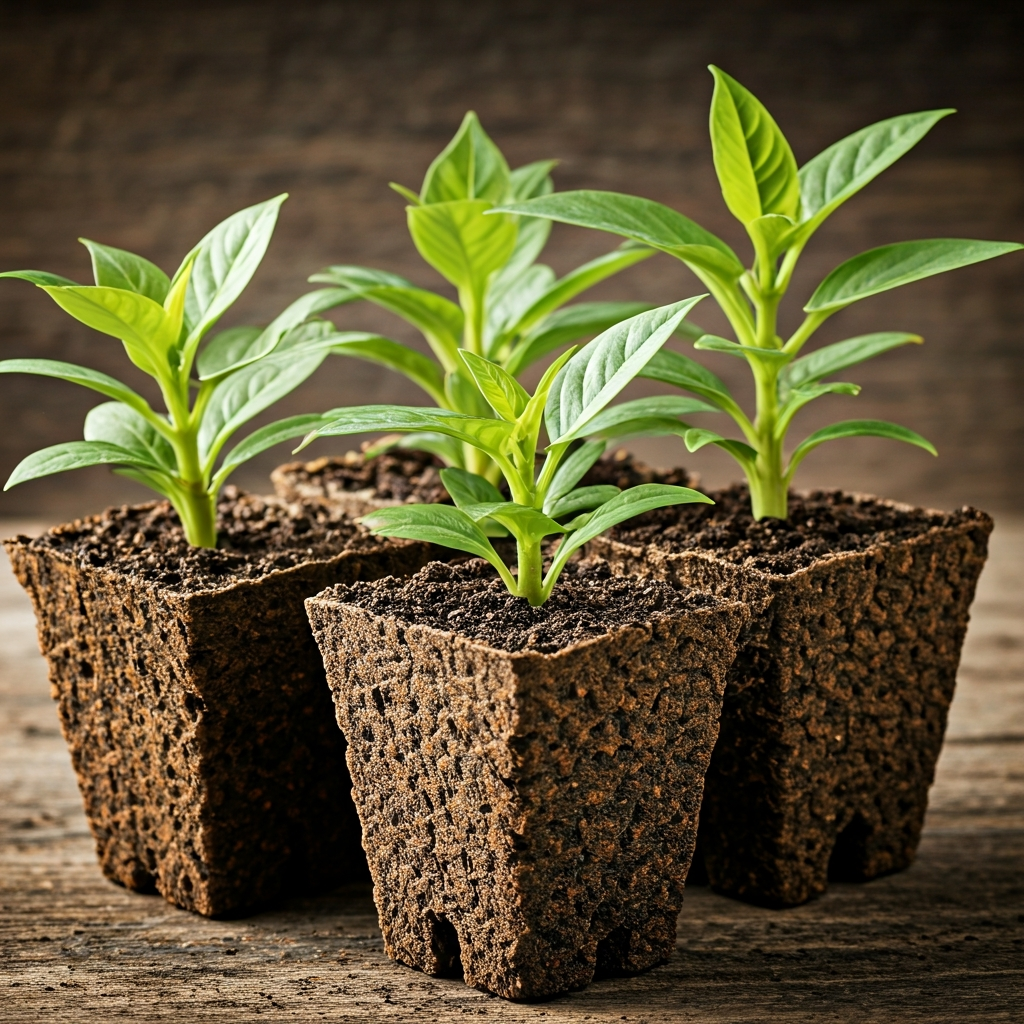
Cocopeat: The Ultimate Guide to Uses, Benefits & What Plants to Grow
The secret to a thriving garden in 2026 isn’t just about sunlight and water—it’s about the medium your plants grow in. For gardeners seeking a powerful, sustainable, and effective solution, جوز الهند is the definitive answer.
This unique material solves common gardening problems like poor soil drainage, compaction, and inefficient nutrient delivery. The result is a near-perfect environment where plant roots can truly flourish.
Many gardeners are frustrated with the inconsistent results from traditional potting soil or the environmental impact of peat moss. The good news is that a better alternative exists. According to horticultural research, switching to a superior growing medium can increase crop yields by over 30%.
This guide will walk you through every facet of using coco coir, from preparation to planting. Get ready to transform your gardening efforts into consistent, incredible success.
What is Cocopeat, Really? A Deep Dive into Coco Coir
Cocopeat, also known as coco coir, is a 100% natural growing medium made from coconut husks. Once a waste product, it is now a premier substrate for hydroponics, container gardening, and soil amendment. Its ability to retain water while providing excellent aeration makes it a sustainable and effective alternative to traditional soil or peat moss.
The full process involves harvesting coconut husks, aging them, and then processing them to separate the long fibers (used for ropes and doormats) from the dust and shorter fibers that make up the coir pith. The result is a spongy, lightweight material that boasts a remarkable capacity for water retention and aeration, two of the most critical factors for healthy root development.
From Waste to Wonder: The Sustainability of Cocopeat
Unlike peat moss, which is harvested from ancient, non-renewable peat bogs, Cocopeat is a byproduct of the massive global coconut industry. Coconuts are harvested year-round, making their husks a consistently available and renewable resource. By choosing this medium, gardeners actively contribute to a circular economy, reducing waste and preserving vital peatland ecosystems, which are critical carbon sinks. This shift towards sustainable alternatives is strongly advocated by horticultural experts like the الجمعية الملكية للبستنة.
The Science-Backed Benefits of Using Cocopeat
The advantages of integrating Cocopeat into your gardening are not just anecdotal; they are backed by horticultural science. Its unique physical and chemical properties create a superior environment for a wide range of plants.
Top 5 Science-Backed Benefits of Cocopeat
- Incredible Water Retention: Cocopeat can hold up to 10 times its weight in water, ensuring a consistent moisture supply to plant roots. This reduces watering frequency and makes plants more resilient to drought stress.
- Superior Aeration & Drainage: Despite its high water retention, the fibrous structure prevents compaction. This creates essential air pockets in the root zone, promoting healthy respiration and preventing waterlogging and root rot.
- Neutral pH Level: Typically having a pH range of 5.5 to 6.8, this medium is ideal for most plants without the need for pH adjusters. This neutral-to-slightly-acidic range ensures optimal nutrient availability.
- Anti-Fungal Properties: It contains natural lignins that encourage beneficial microorganisms while deterring harmful pathogens like Pythium, protecting seedlings and cuttings from “damping-off” disease.
- صديق للبيئة ومتجدد: As a byproduct of the coconut harvest, it is one of the most sustainable growing media available. For more information on its origins, you can explore the Wikipedia page on Coir.
[Image: A close-up shot of dark, rich, and fluffy Cocopeat in a gardener’s hands, showcasing its fine texture. | alt=”A gardener holding a handful of high-quality Cocopeat, ready for planting.” | title=”The fine, spongy texture of Cocopeat”]
How to Prepare Cocopeat for Your Garden: A Step-by-Step Guide
Cocopeat is most often sold in compressed bricks, which are lightweight and easy to store. Before use, these bricks must be rehydrated and, ideally, buffered. Follow these simple steps for perfect preparation.
- Choose a Large Container: Select a wheelbarrow or a large tub that can hold at least 10 times the volume of the compressed brick.
- Add Warm Water: Place the brick in the container and add warm water, which helps it expand faster. A standard 5kg brick typically requires 20-25 liters of water.
- Allow it to Expand: Over 15-30 minutes, the brick will absorb the water and swell. Break it apart with your hands or a small shovel to ensure it’s uniformly hydrated.
- التخزين المؤقت (خطوة حاسمة): Raw coir is high in sodium and potassium. Buffering involves soaking the hydrated material in a Calcium-Magnesium (Cal-Mag) solution to displace these salts, preventing nutrient lockout. Soak for 8 hours, drain, and rinse. This step is a must for hydroponics and sensitive plants.
[Video: A time-lapse of a compressed cocopeat brick expanding in a bucket of water. | title=”How to Rehydrate Cocopeat Bricks Fast” | alt=”Time-lapse video showing how to prepare a compressed cocopeat block for gardening.”]
Cocopeat vs. Peat Moss vs. Soil: A Head-to-Head Comparison
When choosing a growing medium, it’s essential to understand the differences. While traditional soil has its place, soilless media like Cocopeat and peat moss offer unique advantages. This table breaks down the key distinctions.
| ميزة | جوز الهند | الخث | Topsoil |
|---|---|---|---|
| الاستدامة | عالي (منتج ثانوي متجدد) | Low (Non-renewable resource) | Variable (Can cause erosion) |
| احتباس الماء | ممتاز | مرتفع جداً | Variable (Depends on clay content) |
| مستوى الرقم الهيدروجيني | 5.5 – 6.8 (Ideal for most plants) | 3.5 – 4.5 (Highly acidic) | 4.0 – 8.0 (Highly variable) |
| قابلية التبلل | Re-wets easily | Hydrophobic when dry | Can crust over when dry |
| عمر | Slow to decompose (~5 years) | Decomposes quickly | Stable |
[Image: Infographic comparing Cocopeat, Peat Moss, and Soil side-by-side with icons for sustainability, water retention, and pH. | alt=”An infographic showing the benefits of Cocopeat versus other growing media.” | title=”Cocopeat vs. Peat Moss vs. Soil Comparison”]
Best Plants to Grow in Cocopeat: Top Recommendations
Thanks to its balanced properties, Cocopeat is incredibly versatile. It can be used as a standalone medium or mixed with other substrates like perlite and vermiculite to create custom potting blends. For those looking for high-quality, reliable growing media, consider sourcing professionally processed جوز الهند for guaranteed results.
Best Plants for Pure Cocopeat (Hydroponics & Containers)
Plants that thrive in consistent moisture and airy conditions do exceptionally well in 100% Cocopeat, especially in hydroponic systems or self-watering containers.
- Vegetables: Tomatoes, cucumbers, peppers, lettuce, and leafy greens.
- Fruits: Strawberries and blueberries (which love the slightly acidic pH).
- Herbs: Basil, mint, cilantro, and parsley.
- Indoor Plants: Anthuriums, orchids, and bromeliads.
Creating Custom Cocopeat Mixes
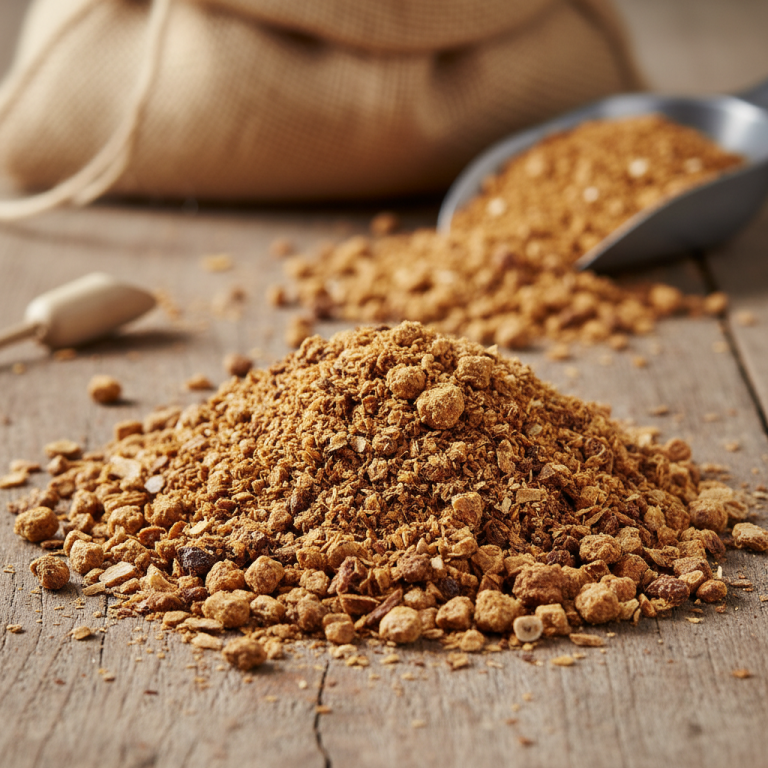
For plants that require faster drainage or higher nutrient loads, use Cocopeat as a base. A standard recipe is 2 parts Cocopeat to 1 part perlite (for drainage) and 1 part compost (for nutrients). For creating specialized organic mixes for heavy-feeding crops, you can even incorporate nutrient-dense amendments like وجبة جوز الهند أو معصرة نواة النخيل, which provide slow-release nutrition.
Research from institutions like the University of Massachusetts Amherst confirms that these soilless blends provide consistent and predictable results for growers and hobbyists alike.
[Image: A vibrant display of healthy tomato plants growing in pots filled with a dark Cocopeat mix. | alt=”Healthy tomato plants thriving in a Cocopeat growing medium.” | title=”Tomatoes Growing in Cocopeat”]
Common Mistakes to Avoid with Cocopeat (2026 Update)
While this medium is remarkably forgiving, new users can make a few common errors. Avoiding these pitfalls will ensure you get the most out of this amazing medium.
- Forgetting to Buffer: Skipping the Cal-Mag buffering step can lead to a calcium deficiency as the plant exchanges its calcium for the sodium in the coir. This is a critical mistake, especially in hydroponics.
- Over-compressing: When potting, do not pack Cocopeat down tightly. Its value lies in its aeration. Gently fill the container and allow the water to settle the medium around the roots.
- Assuming it Contains Nutrients: It is an inert medium with very few nutrients. You must provide a complete nutrient solution or mix it with compost or slow-release fertilizers. As demonstrated in scientific studies, the physical properties are its main benefit, not its nutritional content. This study from the University of Arkansas highlights its properties as a substrate.
مكمور أمانة سجيتيرا provides high-quality palm products such as Palm Kernel Expeller, قشرة نواة النخيل, Crude Palm Oil, Palm Kernel Oil, etc. Kindly contact us at واتساب +6282140002198 أو راسلنا عبر البريد الإلكتروني على admin@makmuramanah.co.id.
الأسئلة الشائعة حول جوز الهند
1. Is Cocopeat better than soil?
For container gardening and hydroponics, Cocopeat is often superior to soil because it provides better aeration, moisture control, and is free of pests and weeds. For in-ground gardens, it serves as an excellent soil conditioner to improve the structure of clay or sandy soils.
2. How long does Cocopeat last? Can it be reused?
Cocopeat decomposes very slowly due to its high lignin content. It remains effective as a growing medium for up to five years. Yes, it can be reused. After a crop cycle, simply rinse it thoroughly, buffer it again if necessary, and it’s ready for the next planting.
3. Do I need to add fertilizer when using Cocopeat?
Absolutely. Cocopeat is an inert medium with negligible nutrient content. You must provide nutrients through liquid fertilizers (especially in hydroponics) or by mixing in compost, worm castings, or slow-release granular fertilizers for potted plants. Without added nutrients, your plants will not thrive.
4. What is the difference between Cocopeat and coco chips?
Cocopeat refers to the fine, pithy material, ideal for retaining water and starting seeds. Coco chips are larger chunks of the coconut husk that provide excellent drainage and aeration. Often, the two are mixed to create a balanced medium, particularly for plants like orchids that need a lot of air at the roots.
5. Is Cocopeat good for starting seeds?
It’s one of the best mediums for seed starting. Its fine texture, excellent water retention, and sterile, anti-fungal properties provide a safe and stable environment for germination. It prevents damping-off disease, which is a common killer of young seedlings in traditional soil.
[Image: A block of compressed Cocopeat next to a large pile of expanded, fluffy Cocopeat, ready for use. | alt=”A before-and-after image showing a compressed Cocopeat block and the resulting medium.” | title=”Compressed vs. Expanded Cocopeat”]
Conclusion: The Future of Your Garden is Cocopeat
In the quest for a greener thumb and a healthier planet, Cocopeat emerges as an undisputed champion. Its combination of superior water retention, unmatched aeration, and sustainable origins makes it an essential tool for the modern gardener. By understanding how to properly prepare and use it, you can unlock a new level of success in your containers, raised beds, and hydroponic systems.
Making the switch to this versatile medium is more than just a gardening choice; it’s an investment in consistency, efficiency, and environmental responsibility. Embrace the power of the coconut and let your garden reap the amazing rewards. For all your gardening needs, remember that high-quality growing media is the foundation of incredible growth.
 Arabic
  English
  Indonesian
  Chinese