
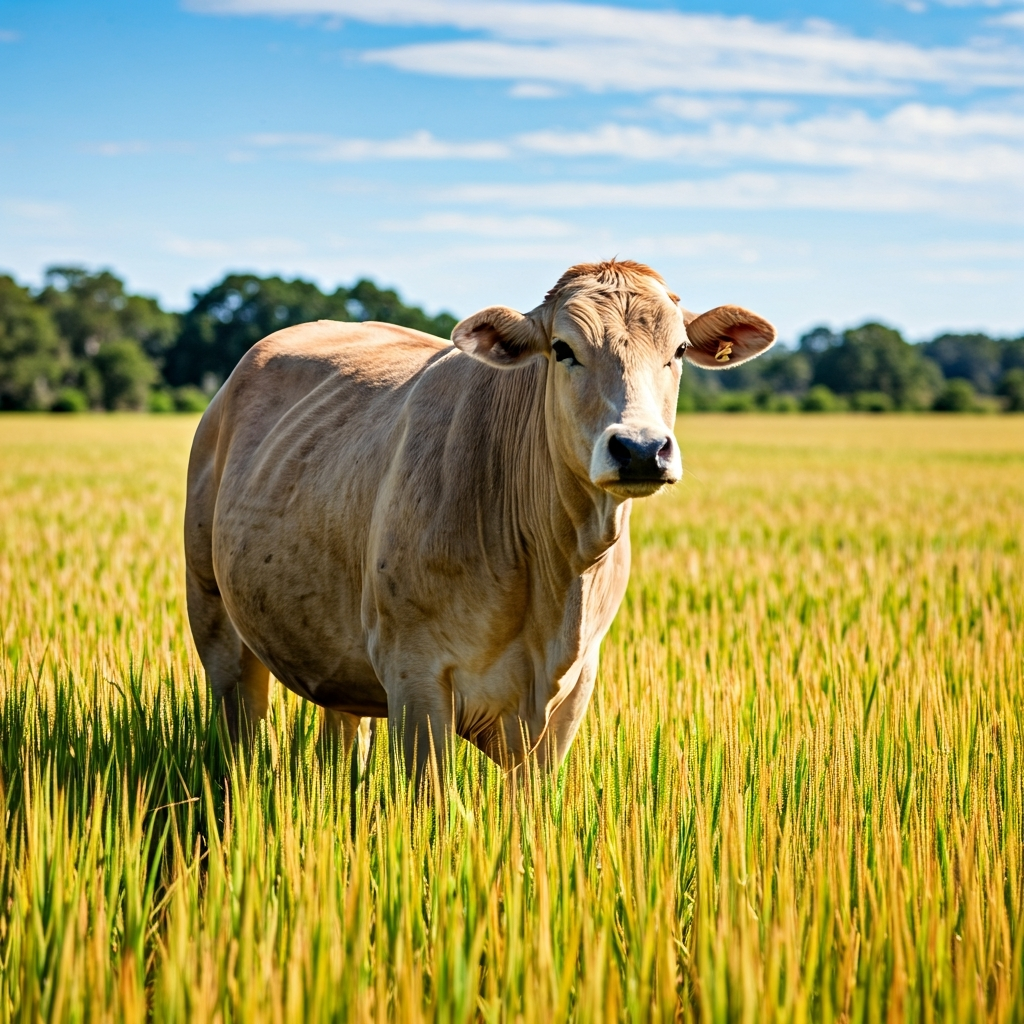
Copra Meal: A Complete Guide to Uses, Nutritional Value & Benefits for Animal Feed
وجبة جوز الهند is one of the most sustainable and cost-effective feed ingredients in modern agriculture, yet many producers are unaware of its full potential. To unlock its benefits, you need a deep understanding of its nutritional profile and proper application in feed formulations.
For years, our experience in the agricultural sector has shown that livestock operators constantly seek a balance between high-performance nutrition and economic viability. The challenge intensifies as conventional feed prices, like soybean meal and corn, continue to climb. This guide provides the definitive, experience-backed solution for integrating this powerful resource into your feeding strategy.
What Exactly is Copra Meal?
Copra Meal is a high-protein feed ingredient we derive from the dried flesh of coconuts (كوكوس نوسيفيرا). After extracting the majority of the oil from the copra, we grind the remaining cake or “meal” to create a valuable feedstuff. It stands as a cornerstone of livestock nutrition in tropical regions where coconuts are abundant.
This product serves as an excellent source of protein, energy, and fiber, making it a versatile component in diets for various animal species. Its unique properties offer a sustainable alternative to more traditional feed sources, contributing to a more circular and efficient agricultural economy.

The Journey from Coconut to High-Protein Meal
The transformation process involves multiple stages that are critical for ensuring a high-quality final product. It begins with harvesting mature coconuts, which are then split open and dried to create copra. We can perform this drying through various methods, including sun-drying, smoke-drying, or kiln-drying, each influencing the final quality.
Once dried, the copra undergoes oil extraction. The method used here directly impacts the meal’s nutritional quality. This process is a testament to the efficient use of natural resources, turning a byproduct into a primary asset for farmers.
Expeller Pressed vs. Solvent Extracted: A Key Difference in Copra Meal
There are two primary methods for extracting oil, which result in two distinct types of وجبة جوز الهند. Understanding this difference is key to choosing the right product for your needs.
- Mechanical/Expeller Pressed: This is the most common method, where we physically press the copra to squeeze out the oil. This process leaves a residual oil content of 6-12% in the meal, making it more energy-dense. We find this type is often more palatable for livestock.
- Solvent Extracted: In this industrial process, a chemical solvent (usually hexane) is used to extract nearly all the oil. The resulting meal has a lower fat content (around 1-3%) but a slightly higher protein concentration.
Nutritional Value of Copra Meal: A Deep Dive into Its Composition
فهم القيمة الغذائية لـ وجبة جوز الهند is essential for formulating effective and balanced animal diets. While values can vary based on the oil extraction method and coconut origin, a typical analysis reveals a robust profile beneficial for animal growth and health.
Furthermore, it contains a favorable balance of fiber and bypass protein, which is particularly beneficial for ruminant animals. The energy it provides is primarily from its residual oil and digestible fiber content, making it a “cool” energy source.
| العناصر الغذائية | القيمة المتوسطة | Key Benefit for Livestock |
|---|---|---|
| البروتين الخام | 20-22% | يدعم نمو العضلات وإنتاج الحليب. |
| الدهون الخام (مستخلص الإيثر) | 6-12% | Provides a concentrated, slow-release source of energy. |
| الألياف الخام | 10-14% | Promotes gut health and aids proper digestion in ruminants. |
| الطاقة القابلة للاستقلاب (المجترات) | 11.5-12.5 MJ/kg | Fuels metabolic processes and daily activity. |
| Arginine | ~1.4% | Essential amino acid for various metabolic functions. |
7 Key Benefits of Using Copra Meal in Animal Feed
دمج وجبة جوز الهند into livestock diets offers a multitude of advantages. Our field observations confirm these seven incredible benefits, backed by scientific research, that can directly improve your bottom line.
- High Palatability: Most animals find the slightly sweet taste and smell of copra highly palatable. This property can significantly increase feed intake, especially when you mix it with less desirable ingredients.
- Cost-Effective Protein Source: It is often more affordable than soybean meal or fishmeal, allowing producers to lower feed costs without sacrificing essential protein content. For a high-quality, reliable supply, consider sourcing from trusted providers of وجبة جوز الهند.
- Excellent Source of Bypass Protein: For ruminants like cattle and goats, a significant portion of the protein in copra meal escapes digestion in the rumen. This “bypass protein” gets absorbed in the small intestine and is crucial for high-producing animals.
- Improves Gut Health: The high fiber content promotes healthy gut function and can help prevent digestive issues. The mannans in the fiber have a prebiotic effect, encouraging the growth of beneficial gut bacteria, as noted by leading industry publications like FeedNavigator.
- Boosts Milk Fat Content: The residual coconut oil is rich in medium-chain fatty acids (MCFAs), particularly lauric acid. Research published in the مجلة علوم الألبان has shown that these fats can lead to a measurable increase in milk fat percentage in dairy cows.
- يحسن حالة الفرو: The oil content contributes to a shinier, healthier coat in many animals, including horses and cattle. A lustrous coat is often a primary indicator of an animal’s overall health and well-being.
- مستدام وصديق للبيئة: As a byproduct of the coconut industry, using it reduces waste and promotes a circular economy. Sourcing from sustainable plantations further enhances its environmental credentials. Another coconut byproduct with huge potential is جوز الهند, widely used in horticulture.

How to Use Copra Meal in Feed Formulations: Practical Recommendations
While the benefits are clear, proper implementation is key. You must balance rations correctly to maximize performance. Here are our expert recommendations for including وجبة جوز الهند in diets for different livestock categories.
Ruminants (Cattle, Goats, Sheep)
For ruminants, Copra Meal is a star player. Its bypass protein and digestible fiber are ideal for their digestive systems. We recommend an inclusion rate of 15-30% of the total diet concentrate. For dairy cows, this can improve milk fat and protein content. Combining it with other supplements like أملاح الكالسيوم للأحماض الدهنية لزيت النخيل can further enhance lactation performance.
Poultry (Broilers and Layers)
In poultry diets, the high fiber can be a limiting factor. However, at appropriate levels, it’s a very effective protein source.
- Broilers: We advise a maximum inclusion rate of 5-10% to avoid impacting growth rates.
- Layers: You can include up to 15-20% in layer diets, as the energy and protein are beneficial for egg production.
الخنازير (الخنازير)
For pigs, especially young ones, the fiber content requires careful management. We recommend an inclusion rate of 5-15% in grower-finisher diets. It’s best used as part of a mix of protein sources to ensure a complete amino acid profile, particularly lysine.
Copra Meal vs. Palm Kernel Expeller: A Head-to-Head Comparison
Producers often weigh the benefits of وجبة جوز الهند against Palm Kernel Expeller (PKE), another common tropical byproduct. While both are excellent feedstuffs, they have distinct differences that we’ve outlined below to help you choose.
| ميزة | وجبة جوز الهند | مستخلص نواة النخيل (PKE) |
|---|---|---|
| محتوى البروتين | أعلى (20-22%) | Lower (14-17%) |
| الاستساغة | High (sweet taste and smell) | Lower (can be bitter) |
| Fiber Type | More digestible fiber | Higher in less digestible fiber |
| Energy Content | Generally higher due to residual oil | Slightly lower energy |
Your choice depends on the specific animal, performance goals, and cost-benefit analysis. For a deeper look into PKE, you can explore resources on معصرة نواة النخيل to make a fully informed decision.
Potential Limitations and How to Mitigate Them
While an excellent feed, you must consider a few factors to ensure optimal use. The relatively low levels of lysine and methionine (essential amino acids) mean you should balance it with other protein sources or supplement with synthetic amino acids for monogastric animals like poultry and pigs.
Moreover, the high fiber content, while great for ruminants, can limit its inclusion rate in diets for very young poultry or swine, as detailed in our recommendations above. Smart formulation and combining it with other ingredients easily mitigate these factors, allowing you to harness its benefits without any drawbacks. For example, some operations use قشرة نواة النخيل for biofuel, focusing byproducts where they are most effective.
مكمور أمانة سجيتيرا نُقدّم منتجات نخيل عالية الجودة مثل مُستخلص نواة النخيل، وقشور نواة النخيل، وزيت النخيل الخام، وزيت نواة النخيل، وغيرها. يُرجى التواصل معنا على واتساب +6282140002198 أو راسلنا عبر البريد الإلكتروني على admin@makmuramanah.co.id.

الأسئلة الشائعة (FAQs)
What is the primary use of copra meal?
Its primary use is as a protein and energy supplement in animal feed. We use it widely in diets for ruminants (cattle, goats), poultry, swine, and horses due to its excellent nutritional value and cost-effectiveness compared to other protein sources like soybean meal.
Is copra meal good for chickens?
Yes, it is very good for chickens in moderation. It serves as an effective protein source. However, due to its high fiber content, we recommend limiting its inclusion to 5-10% in broiler diets and up to 20% in layer diets to ensure optimal digestion and performance.
How much protein is in copra meal?
The crude protein content of وجبة جوز الهند typically ranges from 20% to 22% on a dry matter basis. This makes it a valuable medium-protein ingredient for balancing livestock rations, a fact recognized by agricultural bodies like the منظمة الأغذية والزراعة.
هل يمكن إطعام الخيول مسحوق جوز الهند؟
Absolutely. It is an excellent feed for horses, often marketed as “cool” energy because its energy comes from oil and fiber rather than high-starch grains. This helps improve body condition and coat shine without making the horse “hot” or overly energetic, a principle supported by equine nutrition research from institutions like University of Minnesota Extension.
What is the difference between copra meal and coconut flour?
While both come from coconuts, they are very different. We produce وجبة جوز الهند for animal feed from the byproduct of coconut oil extraction. In contrast, coconut flour is made for human consumption from fresh, defatted coconut meat, and is ground much finer.

Conclusion: The Future is in Sustainable Feed
In conclusion, the strategic use of وجبة جوز الهند represents a significant opportunity for the animal feed industry. Its robust nutritional profile, economic advantages, and sustainable credentials make it an indispensable tool for producers aiming for peak efficiency and performance in 2026 and beyond.
By balancing rations correctly and understanding its unique properties, you can leverage this powerful ingredient to improve animal health, lower costs, and contribute to a more sustainable agricultural ecosystem. Embracing high-quality وجبة جوز الهند is not just a smart choice; it’s an essential strategy for forward-thinking livestock management.
[Video Suggestion: An embedded YouTube video titled “How Copra Meal is Made: From Coconut to Cattle Feed – A Step-by-Step Process”]
 Arabic
  English
  Indonesian
  Chinese