
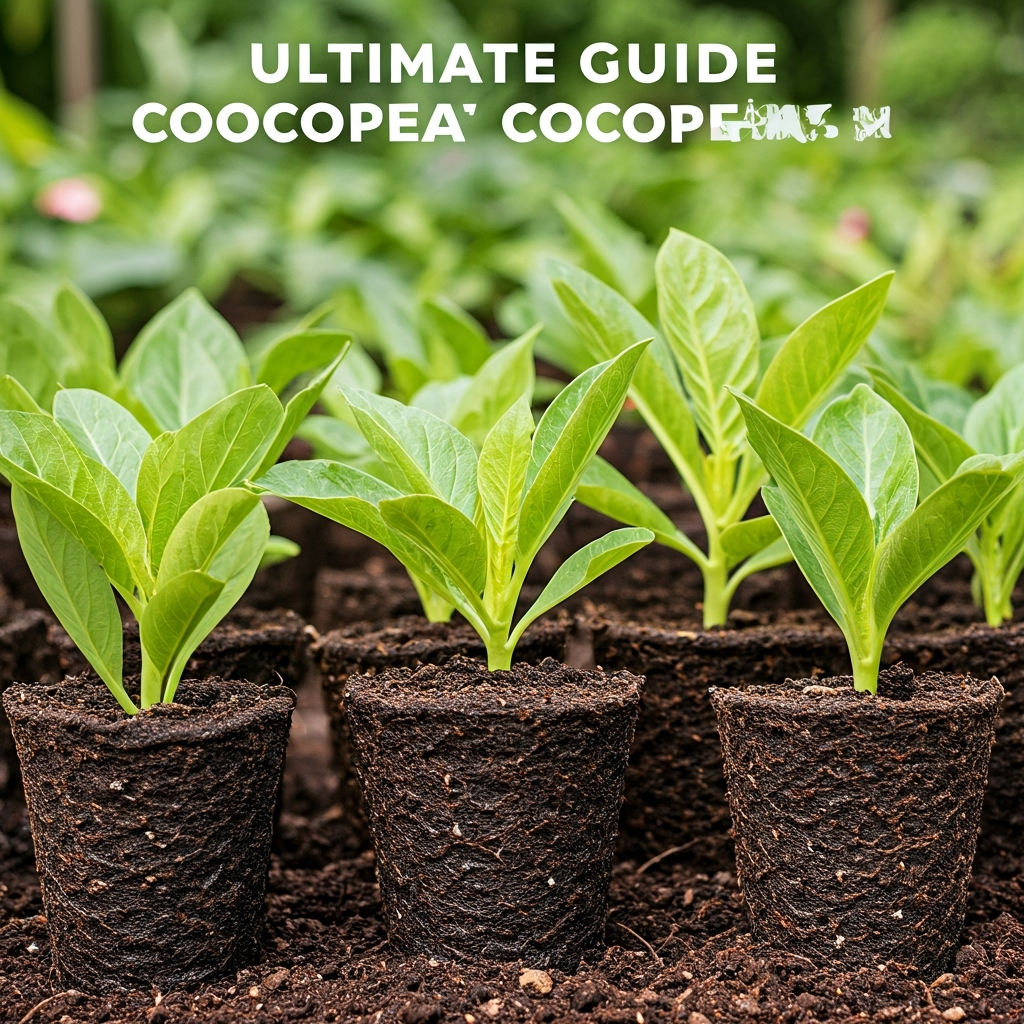
The Ultimate Guide to Cocopeat: Benefits, Uses & Tips for a Thriving Garden
استخدام جوز الهند correctly can be the single most impactful change you make in your garden this year, transforming struggling plants into a thriving oasis. If you’ve faced issues with waterlogged roots, poor growth, or compacted soil, this guide is your definitive solution for 2026 and beyond.
As a seasoned horticulturist with over 15 years of experience, I’ve seen firsthand how this incredible, sustainable resource revolutionizes home gardening. We’ll move beyond the basics to give you the expert-level knowledge needed to use this medium with confidence and achieve remarkable results.
What Exactly is Cocopeat? (And Why Should You Care?)
Cocopeat is a 100% natural, multi-purpose growing medium made from the fibrous pith found between a coconut’s hard inner shell and its outer husk. Once considered a waste product of the coconut industry, its incredible horticultural properties have made it a prized, eco-friendly alternative to traditional peat moss and soil.
[Image: A close-up shot showing the fine, earthy texture of expanded cocopeat in a gardener’s hands. Description: A detailed macro photograph illustrating the texture and composition of high-quality cocopeat. Alt Text: A gardener holding a handful of ready-to-use cocopeat soil amendment. Title: The Fine Texture of Processed Cocopeat.]
From Coconut Husk to Garden Gold: The Making of Cocopeat
The journey from a coconut on a palm tree to a bag in your garden shed is a fascinating one. After coconuts are harvested for their oil and flesh, processors age the remaining husks for a period, sometimes for several years.
This aging process helps reduce the naturally occurring salts and tannins. Following aging, workers process the husks to separate the long fibers (used for ropes and doormats) from the pithy material. This pith is then washed, dried, and compressed into various forms, most commonly bricks, blocks, or discs. This compression makes it incredibly easy and cost-effective to transport and store.
The Three Main Forms of Coco Coir: Pith, Fiber, and Chips
While often used interchangeably, “coco coir” is the umbrella term for three distinct products. Understanding the difference is key to mastering its use:
- Cocopeat (Pith): This is the most common form, with a texture resembling soil or peat moss. It has excellent water retention and is the primary subject of this guide.
- ألياف جوز الهند: These are the longer, stringy fibers. They don’t hold much water but create large air pockets, improving drainage and aeration when mixed into a substrate.
- رقائق جوز الهند: These are small chunks of the husk, which act like a horticultural charcoal or perlite, providing excellent drainage and air-filled porosity to the root zone. High-quality mixes, like our جوز الهند الممتاز, often blend these for optimal performance.
The Top 7 Benefits of Using Cocopeat in Your Garden
The advantages of incorporating coco pith into your gardening are extensive. It consistently outperforms traditional soils in several key areas, leading to healthier plants and less work for the gardener.
- قدرة فائقة على الاحتفاظ بالماء: The substrate can absorb and hold up to 10 times its own weight in water. This incredible capacity means you water less often, and your plants have a consistent moisture supply, preventing both dehydration and overwatering.
- Superior Aeration for Healthy Roots: Even when fully saturated, cocopeat maintains a remarkable level of aeration. Research from institutions like the الجمعية الملكية للبستنة (RHS) highlights that this structure provides essential oxygen to plant roots, preventing suffocation and root rot.
- pH Neutral and Stable: With a pH range of 5.5 to 6.8, this growing medium is naturally neutral to slightly acidic, an ideal level for the vast majority of plants. Unlike peat moss, which is highly acidic, it won’t require lime additions to balance the pH.
- مستدام وصديق للبيئة: Cocopeat is a byproduct of a renewable resource—coconuts. Its use helps reduce the environmental damage caused by peat moss harvesting, which destroys fragile peatland ecosystems that have taken centuries to form.
- Naturally Pest and Disease Resistant: The unique properties of coco coir, including the presence of natural antifungal lignins, make it resistant to common soil-borne pests and diseases. This creates a healthier environment for your plants to grow from the start.
- Easy to Rehydrate and Use: Compressed bricks are lightweight and easy to store. When you need it, a single brick can expand to 5-7 times its volume in minutes with the addition of water, providing a ready-to-use, friable growing medium.
- Long-Lasting and Reusable: The material decomposes very slowly, meaning it maintains its structure and benefits in the soil for several years. After a crop cycle, you can rinse, re-buffer if necessary, and reuse it, making it a cost-effective choice for long-term gardening.
[Image: An infographic comparing cocopeat, peat moss, and soil. Description: A clear, easy-to-read infographic titled ‘Growing Media Showdown: Cocopeat vs. Peat Moss vs. Soil’. It compares them on Water Retention, pH, Sustainability, Reusability, and Aeration. Alt Text: Infographic comparing the benefits of cocopeat versus other growing media. Title: Cocopeat vs. Peat Moss vs. Soil Comparison.]
How to Prepare and Use Cocopeat Like a Pro
Proper preparation is the key to unlocking the full potential of this medium. A few extra minutes spent at this stage will pay dividends for the entire life of your plants.
Expanding Your Cocopeat Brick: Step-by-Step
It starts with a simple process of rehydration.
- Place your compressed cocopeat brick in a large container, like a wheelbarrow or a sturdy tub.
- Add the amount of warm water specified by the manufacturer. Warm water speeds up the expansion process.
- Allow the brick to sit for 15-30 minutes, absorbing the water and expanding.
- Once it has fully expanded, break it up with your hands or a small spade. It should be light, fluffy, and moist but not waterlogged.
The Importance of Buffering Cocopeat (DIY Guide)
High-quality cocopeat is “buffered” to remove excess sodium and potassium. If you are using a lower-grade, unbuffered product, it’s crucial to do it yourself. This simple step prevents nutrient lockout, especially for sensitive plants like tomatoes and peppers.
To do this, first soak the expanded material in a solution of water mixed with a calcium-magnesium supplement (Cal-Mag). Use a ratio of approximately 1.5 grams of Cal-Mag per liter of water. Let it soak for 8-12 hours. This process allows the calcium and magnesium to displace the sodium and potassium held within the fibers. Finally, drain the solution completely and rinse the cocopeat one more time with fresh, pH-adjusted water. Your medium is now buffered and ready for use.
Amending Soil with Cocopeat: The Perfect Ratios
For most applications, a mix is better than using pure coco pith. Here are some proven ratios:
- For Garden Beds: Mix 1 part cocopeat with 2 parts garden soil or compost to improve water retention and aeration.
- For Potted Plants: A common and effective recipe is 1 part cocopeat, 1 part perlite or vermiculite, and 1 part compost.
- For Seed Starting: Use a mix of 2 parts cocopeat to 1 part perlite for a sterile, fine-textured medium that holds moisture perfectly for germination.
Cocopeat vs. Other Growing Media: A Head-to-Head Comparison
Choosing the right growing medium is foundational to your gardening success. Here’s how coco pith stacks up against its main competitors.
| ميزة | جوز الهند | الخث | Topsoil/Potting Soil |
|---|---|---|---|
| الاستدامة | عالي (منتج ثانوي متجدد) | Low (Non-renewable, harms ecosystems) | عامل |
| احتباس الماء | ممتاز | مرتفع جداً | Moderate to Low |
| مستوى الرقم الهيدروجيني | Neutral (5.5-6.8) | Acidic (3.5-4.5) | Variable (Often alkaline) |
| إمكانية إعادة الاستخدام | Yes, for multiple seasons | No, compacts over time | No, nutrients deplete |
| المحتوى الغذائي | Inert (Requires added nutrients) | Inert (Requires added nutrients) | Contains some nutrients, but depletes |
[Video Suggestion: A fast-paced, 3-minute YouTube video titled “How to Prepare a Cocopeat Brick in Under 5 Minutes”. The video would show the brick in a wheelbarrow, adding water, the expansion, and the final fluffy product, with text overlays for each step.]
Advanced Applications for The Ultimate Cocopeat Guide
Once you’ve mastered the basics, you can use cocopeat in more specialized applications, including hydroponics and propagation, where its sterile and consistent nature is a huge advantage.
The Ultimate Cocopeat Guide for Hydroponics
Cocopeat is one of the most popular substrates for hydroponic systems. Its ability to hold water and nutrients while providing excellent root aeration makes it a superior choice. A blend of coco pith and coco chips is ideal for ebb-and-flow or drip irrigation systems.
Because it’s inert, you have complete control over the nutrient solution, a critical factor for successful hydroponic cultivation. Many commercial growers rely on it for everything from leafy greens to tomatoes, a testament to its effectiveness. A scientific study showed its efficacy in soilless cultivation systems.
Starting Seeds and Propagating Cuttings
The sterile, fine-textured nature of cocopeat makes it an unparalleled medium for seed starting. It holds the perfect amount of moisture to encourage germination while preventing the damping-off disease that can plague seedlings in regular soil. For cuttings, its airy structure encourages rapid root development without the risk of rot. For other sustainable agricultural products, consider materials like وجبة جوز الهند which also have broad applications.
[Image: Healthy seedlings sprouting in a tray filled with dark, moist cocopeat. Description: A vibrant photo of new plant life, with bright green cotyledons emerging from a seed tray filled with a cocopeat mix. Alt Text: Tomato seedlings sprouting in a tray filled with a premium cocopeat mix. Title: Healthy Seed Germination in Cocopeat.]
أخطاء شائعة يجب تجنبها عند استخدام جوز الهند
While fantastic, this substrate is not foolproof. Avoiding these common pitfalls will ensure you get the benefits without the potential drawbacks.
- Forgetting to Add Nutrients: Remember, coco pith is an inert medium. It contains no significant nutrients. You MUST provide plant food via liquid fertilizers or by mixing in compost and other amendments.
- Using Unbuffered Cocopeat for Sensitive Plants: As discussed, failing to buffer can lead to calcium and magnesium deficiencies. Always buy pre-buffered products or buffer it yourself.
- Over-compressing the Mix: When adding the medium to pots, keep it light and airy. Compacting it will negate its excellent aeration properties.
- Relying on it for Drainage: While it provides aeration, pure cocopeat holds a lot of water. For plants that need sharp drainage, you must add perlite, sand, or sustainable options like قشرة نواة النخيل to the mix.
الأسئلة الشائعة حول جوز الهند
Is cocopeat better than soil?
For potted plants and sterile environments, this substrate is often superior due to its excellent water retention, aeration, and neutral pH. For in-ground gardens, it’s best used as a soil amendment to improve the existing soil’s structure and water-holding capacity rather than as a complete replacement.
Can I grow plants in 100% cocopeat?
Yes, you can, especially in hydroponic setups. However, you must be diligent about providing all necessary nutrients through fertilization. For most gardeners, a mix of cocopeat with perlite and compost provides a more balanced and forgiving growing medium.
كم تدوم مادة جوز الهند في التربة؟
This material decomposes very slowly due to its high lignin content. It can last in your soil for three to five years, continuing to provide benefits of improved aeration and water retention long after compost or other organic matter has broken down completely.
هل يحتوي جوز الهند على عناصر غذائية؟
No, this versatile substrate is an inert growing medium with negligible nutritional value on its own. This quality gives you full control over plant nutrition. To ensure healthy growth, you must add nutrients by mixing in compost or worm castings, or by applying a balanced liquid fertilizer regularly.
Why is my cocopeat growing mold?
A harmless, saprophytic mold can sometimes appear on the surface of stored cocopeat. It feeds on decaying organic matter and is not harmful to plants. You can scrape it off or simply mix it into the medium; it will disappear once exposed to light and air.
Conclusion: Your Partner for a Thriving Garden
Embracing cocopeat is more than just trying a new product; it’s about adopting a smarter, more efficient, and sustainable approach to gardening. From its incredible water-holding capacity and root-friendly aeration to its eco-friendly credentials, the benefits are clear and proven. By understanding how to properly prepare and use it, you can avoid common pitfalls and create the ideal foundation for exceptionally healthy and productive plants.
Whether you are a container gardener, a hydroponic enthusiast, or looking to improve your garden beds, this guide has equipped you with the expert knowledge to succeed. Make 2026 the year you unlock the full potential of your garden with the power of our premium **Cocopeat**.

 Arabic
  English
  Indonesian
  Chinese