

Cocopeat: A Complete Guide to Uses, Benefits & How to Prepare It for Your Plants
جوز الهند is revolutionizing how we approach gardening in 2026, but are you using it correctly? Many gardeners struggle with poor soil drainage and unsustainable practices, leading to disappointing results. The solution is a renewable resource that can transform your garden’s health and productivity.
This guide offers the definitive roadmap to mastering this incredible growing medium. According to research from the University of California, soilless media like coco coir can increase water use efficiency by up to 50% compared to traditional soil. We will delve into its amazing benefits, show you the critical preparation steps that most people miss, and reveal how to integrate it seamlessly into your gardening routine for unparalleled success. Prepare to unlock the full potential of your plants and embrace a more sustainable way to grow.
What Exactly is Cocopeat?
Cocopeat, also known as coco coir pith, is a 100% natural, soilless growing medium extracted from the fibrous husk of a coconut. For decades, this material was considered a waste product of the coconut industry. However, horticultural experts have since discovered its immense value, turning it into a sought-after resource for gardeners and commercial growers worldwide.
Its unique physical properties make it an ideal substrate for a vast range of plants, promoting healthier root systems and more vigorous growth. Unlike soil, it provides a clean, stable, and predictable environment for plants to thrive in.
[Image: A close-up shot showing the fine, spongy texture of hydrated cocopeat in a gardener’s hands. Title: The Spongy Texture of Premium Cocopeat. Alt: A gardener holding a handful of hydrated cocopeat, showcasing its fine, spongy texture.]
From Coconut Husk to Cocopeat: A Garden Gold Journey
The journey of this valuable medium begins after the coconut is harvested. The outer husk is separated and soaked in water for an extended period to soften and loosen the fibers. This process, known as retting, is crucial for separating the long fibers from the pithy dust.
After retting, the long fibers are removed for use in products like ropes and doormats. The remaining dusty material, the coir pith, is collected, washed to remove salts, dried, and then compressed into blocks or bricks for easy transportation and storage. This sustainable cycle transforms a byproduct into a high-value horticultural product.
The Difference Between Cocopeat, Coco Coir, and Coco Fiber
The terms are often used interchangeably, but they refer to different parts of the coconut husk. Understanding the distinction is key to choosing the right product for your needs.
- ألياف جوز الهند: These are the long, stringy fibers. They are excellent for aeration but have poor water retention. They are often mixed into substrates to improve structure.
- رقائق جوز الهند: These are small chunks of the husk. They hold water like a sponge while also creating large air pockets, providing a great balance of aeration and moisture.
- Cocopeat (Coir Pith): This is the fine, dust-like material that binds the fibers together. It has exceptional water retention capabilities, holding up to 10 times its weight in water. Most products sold as “cocopeat” are primarily coir pith.
The 7 Undeniable Benefits of Using Cocopeat
الشعبية المتزايدة لـ coco coir pith is no accident. It offers a powerful combination of benefits that are hard to ignore for any serious gardener.
- احتفاظ فائق بالماء: The sponge-like structure holds water and nutrients, reducing the need for frequent watering. This makes it a perfect choice for container gardening and for gardeners in dry climates.
- Excellent Aeration and Drainage: Despite its ability to hold water, the substrate remains light and doesn’t compact. This allows for excellent oxygen flow to the plant’s roots, preventing root rot and promoting a healthy root system.
- Neutral pH Level: Most cocopeat has a pH range of 5.5 to 6.8, which is ideal for the majority of plants. This neutral starting point makes it easy to adjust the pH with amendments to suit specific plant needs.
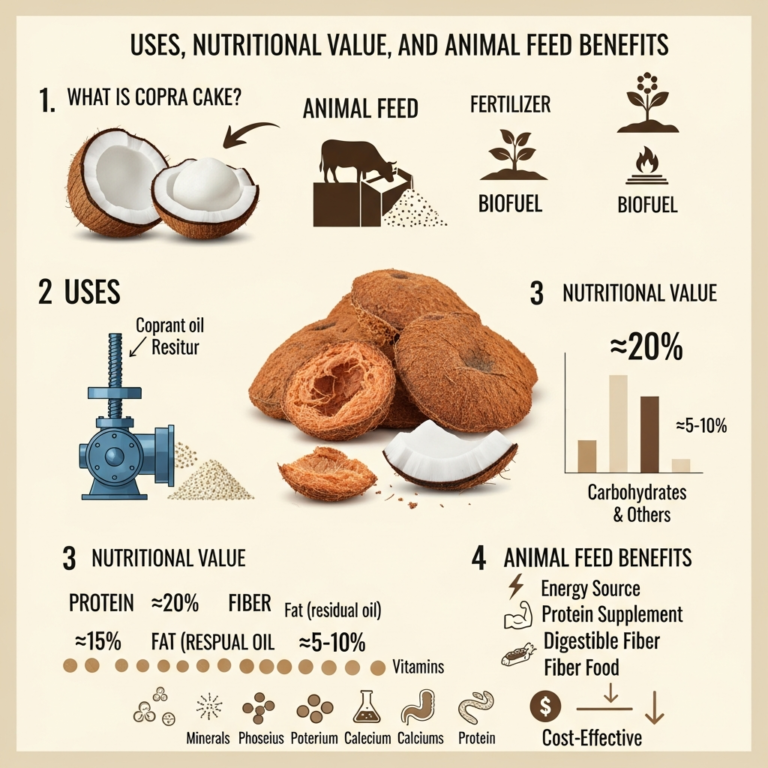
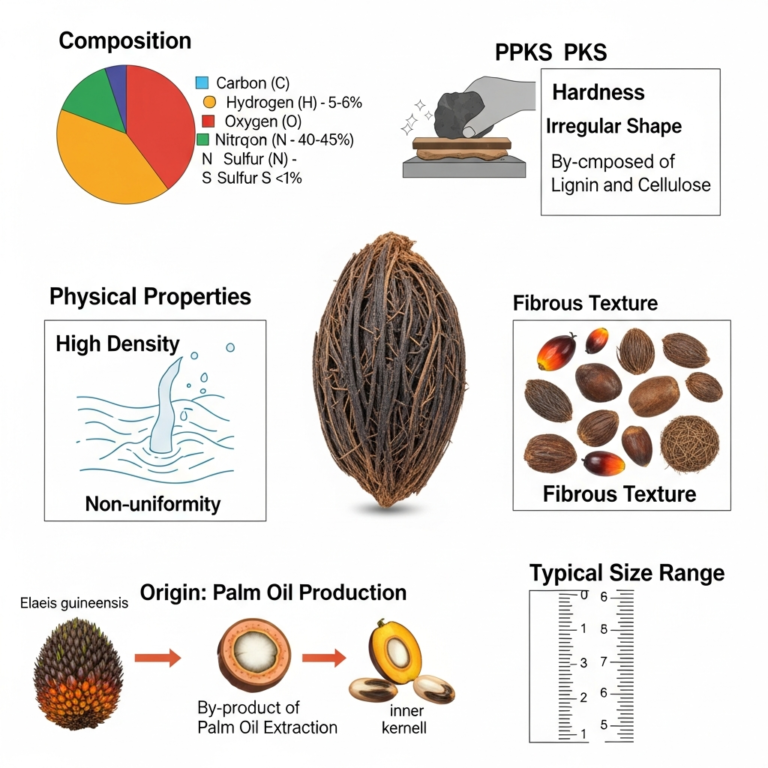
- مستدام وصديق للبيئة: As a renewable byproduct of the coconut harvest, its use helps reduce waste. It provides a sustainable alternative to peat moss, the harvesting of which can destroy fragile bog ecosystems. Our company offers many such sustainable products, including قشرة نواة النخيل, ، والتي تستخدم لإنتاج الوقود الحيوي.
- Anti-Fungal Properties: It naturally contains compounds that can help suppress fungal growth, such as Pythium, which can cause damping-off disease in seedlings. This makes it an excellent medium for starting seeds.
- Lightweight and Easy to Handle: When purchased in compressed bricks, it is incredibly lightweight and easy to transport and store. A small brick can expand to several times its volume when hydrated.
- Reusable and Long-Lasting: High-quality coir breaks down very slowly, meaning it can be reused for several growing seasons. After a harvest, you can simply rinse it, buffer it if needed, and replant.
Cocopeat vs. Peat Moss: A Head-to-Head Comparison
For years, peat moss was the standard for soilless gardening. However, cocopeat has emerged as a superior and more sustainable competitor. As a responsible gardener, understanding the difference is crucial.
| ميزة | جوز الهند | الخث |
|---|---|---|
| الاستدامة | Highly renewable byproduct of coconut industry. | Non-renewable; harvested from ancient peat bogs, a process that releases carbon. |
| احتباس الماء | Excellent; re-wets easily when dry. | Very high, but can become hydrophobic (water-repellent) when it dries out completely. |
| مستوى الرقم الهيدروجيني | Neutral (5.5 – 6.8) | Acidic (3.5 – 4.5), requires lime for most plants. |
| Longevity | Breaks down slowly; lasts for 3+ years. | Compacts and breaks down more quickly. |
| المحتوى الغذائي | Inert, contains few nutrients but has high cation exchange capacity. Requires buffering. | Contains minimal nutrients. |
[Image: Infographic comparing Cocopeat and Peat Moss side-by-side with icons for sustainability, water retention, pH, and longevity. Title: Cocopeat vs. Peat Moss Comparison. Alt: An infographic showing the benefits of cocopeat over peat moss for sustainable gardening.]
How to Prepare Cocopeat for Your Plants: A Step-by-Step Guide
Properly preparing your جوز الهند is the single most important factor for success. Unprepared coco coir can lock out essential nutrients and harm your plants. Follow these steps meticulously.
Step 1: Choosing the Right Cocopeat Block
Start with a high-quality, low-salt block. Look for products that specify they are “washed” or have low EC (Electrical Conductivity). For the best results, consider our premium جوز الهند, which is pre-washed to ensure a low salt content from the start.
Step 2: The Crucial Rehydration Process
Place your compressed brick in a large container, like a wheelbarrow or a large tub. Add the recommended amount of warm water (check the packaging). The brick will begin to expand dramatically, often absorbing 7-10 times its volume in water. Break it apart with your hands or a small shovel until it is fully hydrated, light, and fluffy.
Step 3: Buffering Your Cocopeat (The Most Important Step!)
This is a non-negotiable step that many gardeners skip. Coco pith has a high Cation Exchange Capacity (CEC) and is naturally loaded with potassium and sodium. These ions will readily exchange with calcium and magnesium, “stealing” them from your plants.
Buffering pre-loads the coir with calcium and magnesium to prevent this nutrient lockout. Here’s how:
- Soak the hydrated cocopeat in a solution of Cal-Mag (Calcium-Magnesium supplement) for 8-12 hours. A standard dose is 1.5 grams of Calcium Nitrate and 1 gram of Magnesium Sulphate (Epsom salts) per liter of water.
- After soaking, drain the water completely.
- Rinse the medium thoroughly with fresh, pH-balanced water to remove the excess salts released during buffering.
A 2019 study published in the journal AgriEngineering confirms that buffering coco coir is essential for optimizing nutrient availability for plants like tomatoes.
Step 4: Amending Your Mix for Optimal Growth
Pure cocopeat contains almost no nutrients. After buffering, you must amend it to create a complete growing medium. For a 75/25 mix, combine 3 parts cocopeat with 1 part perlite or vermiculite for added aeration and drainage.
Additionally, mix in a slow-release fertilizer or quality compost to provide a baseline of nutrients. Many gardeners use worm castings or other organic amendments like وجبة جوز الهند و معصرة نواة النخيل to enrich the mix. Your substrate is now ready for planting!
Incredible Uses for Cocopeat in Your Garden
Once prepared, the versatility of this medium truly shines. Here are some of the best applications for prepared coco coir.
[Image: A thriving indoor plant in a pot filled with a cocopeat and perlite mix. Title: Healthy Houseplant in a Cocopeat Mix. Alt: A beautiful Monstera plant in a pot, demonstrating the use of a cocopeat mix for houseplants.]
As a Soilless Growing Medium (Hydroponics)
Because of its excellent water retention, aeration, and inert nature, coir pith is a world-class substrate for hydroponic systems, especially drip irrigation. It provides a stable anchor for roots and can be flushed and reused.
Improving Potting Soil Mixes
Is your potting soil heavy and dense? As recommended by experts at the الجمعية الملكية للبستنة, mixing in 30-50% cocopeat can lighten the soil, improve its water-holding capacity, and create better aeration. Your container plants will thank you with stronger root growth.
For Seed Starting and Propagation
The fine, moist, and anti-fungal nature of this material makes it the perfect medium for germinating seeds and rooting cuttings. It provides consistent moisture without becoming waterlogged, which is a leading cause of seedling failure.
As a Mulch and Soil Conditioner
A layer of coco coir on top of your garden beds acts as an effective mulch, suppressing weeds and retaining soil moisture. As it slowly breaks down, it improves the structure of clay or sandy soils.
مكمور أمانة سجيتيرا نُقدّم منتجات نخيل عالية الجودة مثل مُستخلص نواة النخيل، وقشور نواة النخيل، وزيت النخيل الخام، وزيت نواة النخيل، وغيرها. يُرجى التواصل معنا على واتساب +6282140002198 أو راسلنا عبر البريد الإلكتروني على admin@makmuramanah.co.id.
الأسئلة الشائعة (FAQ)
هل جوز الهند مفيد لجميع النباتات؟
Yes, when prepared correctly, cocopeat is an excellent growing medium for nearly all plants, from vegetables and herbs to houseplants and ornamentals. Its neutral pH makes it a versatile base that can be amended to suit any plant’s specific needs.
How long does cocopeat last? Can I reuse it?
High-quality coco coir breaks down very slowly and can be reused for 2-3 growing cycles, or even longer. After harvesting, simply remove the old roots, rinse the medium thoroughly, and re-buffer it with a Cal-Mag solution before replanting.
Do I need to add fertilizer to cocopeat?
Absolutely. This is an inert medium with very few nutrients. You must provide all the nutrients your plants need through fertilizers, either by mixing in slow-release granules or by using a liquid fertilizer schedule, especially in hydroponic setups.
What is the difference between high EC and low EC cocopeat?
EC stands for Electrical Conductivity, which measures the salt level. High EC coir has a high salt content (from sodium and potassium) and is unsuitable for plants until it is thoroughly washed and buffered. Low EC cocopeat has already been washed, reducing the initial salt load.
Can cocopeat replace soil completely?
Yes, it can be used as a 100% soilless growing medium. This is common in hydroponics and container gardening. When used this way, it’s crucial that you manage the nutrient solution carefully, as the plant is entirely dependent on you for its food.
Conclusion: Embrace the Future of Gardening
As we’ve explored, جوز الهند is far more than just a waste product; it’s a high-performance, sustainable, and versatile tool for modern gardening. From its superior water retention and aeration to its eco-friendly credentials, it offers a clear advantage over traditional soils and peat moss. By following the crucial steps of hydration, buffering, and amending, you can unlock its full potential.
By making the switch, you are not only setting your plants up for success but also making a positive choice for the planet. We are confident that once you experience the benefits of using high-quality, properly prepared جوز الهند, it will become an indispensable part of your gardening toolkit for years to come.
[Video: A YouTube embed showing a time-lapse of a cocopeat brick expanding in water, followed by a gardener mixing it with perlite and planting a tomato seedling. Title: How to Prepare Cocopeat in Under 5 Minutes.]
 Arabic
  English
  Indonesian
  Chinese