
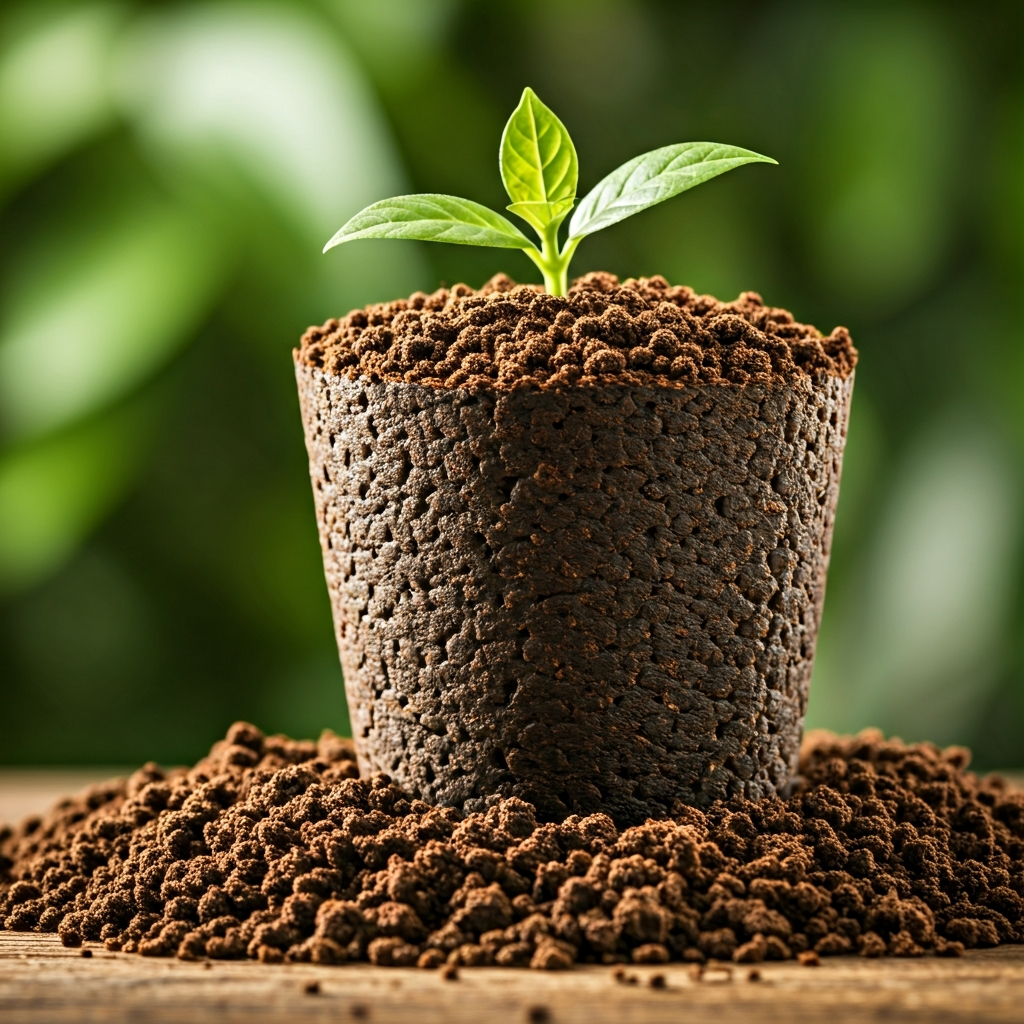
Cocopeat: Your Guide to the #1 Sustainable Growing Medium
جوز الهند is one of the most transformative, yet underutilized, gardening materials available today. If you’ve ever struggled with poor soil drainage, water-logged plant roots, or the environmental guilt of using traditional peat moss, then you’ve found the solution you’ve been searching for.
This definitive guide will show you exactly how to master this incredible growing medium. We’ll unlock the secrets to leveraging its unique properties for healthier, more vibrant plants and a more sustainable garden in 2026 and beyond.
What Exactly Is Cocopeat?
Cocopeat, also known as coco coir, is a 100% natural, soil-free growing medium derived from the fibrous husk of a coconut. For decades, this material was simply a waste product of the massive coconut industry. Now, extensive research, like that in the International Journal of Current Microbiology and Applied Sciences, has highlighted its incredible value in horticulture.
This amazing material consists of the pith found between the hard, internal shell and the outer coat of a coconut. After harvesting, the pith is separated, cleaned, dried, and often compressed into blocks, bricks, or sold loose. Its unique, sponge-like structure is the key to its many gardening benefits.
The Three Main Grades of Cocopeat
Understanding the different grades is crucial for selecting the right product for your specific gardening needs. Each type serves a unique function:
- Coco Pith (or Coco Dust): With a fine, soil-like texture, this is the most common type. Its excellent water retention makes it ideal for starting seeds and using as a soil amendment to improve moisture levels.
- ألياف جوز الهند: These are the stringy fibers that improve aeration and drainage in a mix. Adding them to a growing medium prevents compaction and ensures oxygen can easily reach plant roots.
- رقائق جوز الهند: As small chunks of the coconut husk, these act like bark chips. They create large air pockets within a potting medium, which is perfect for plants like orchids and other epiphytes that need significant airflow around their roots.

5 Game-Changing Benefits of Cocopeat for Your Garden
The advantages of incorporating coco coir into your gardening are significant. It directly solves many common horticultural challenges, from water management to root health, making it a superior choice for beginners and experts alike.
Here’s a quick overview of why it’s so effective:
- ✅ Holds more water, reducing watering frequency.
- ✅ Prevents soil compaction and increases oxygen to roots.
- ✅ Has a plant-friendly pH, unlike acidic peat moss.
- ✅ Is a 100% renewable and sustainable resource.
- ✅ Naturally suppresses harmful pathogens and fungi.
1. Unmatched Water Retention
This medium can hold up to 10 times its weight in water. This incredible capacity means your soil stays moist much longer, significantly reducing how often you need to water. It’s a lifesaver for container gardens and plants in hot, dry climates.
2. Superior Aeration for Healthy Roots
While it holds water exceptionally well, the fibrous nature of cocopeat also ensures excellent aeration. It prevents your growing medium from compacting, allowing oxygen to flow freely. This is crucial for preventing root rot, a common killer of plants in dense, waterlogged soils.
3. Optimal pH Level for Most Plants
Most coco coir has a neutral to slightly acidic pH range, typically between 5.5 and 6.8. This is the ideal sweet spot for nutrient uptake in most plants. Unlike acidic peat moss, you don’t need to add lime to adjust the pH before use.
4. A Truly Sustainable & Eco-Friendly Choice
As a byproduct, using cocopeat helps reduce waste in the coconut industry. More importantly, it provides a renewable alternative to peat moss. Harvesting peat moss destroys sensitive wetland ecosystems and releases vast amounts of carbon, a fact highlighted by environmental bodies like the IUCN and horticulture experts at the الجمعية الملكية للبستنة (RHS).
5. Natural Defense Against Pests and Disease
Cocopeat naturally contains antifungal properties that help suppress harmful pathogens. It is a sterile medium, which helps protect young plants and seedlings from common diseases like pythium and phytophthora (damping-off), promoting healthier growth from the start.
Cocopeat vs. Peat Moss: Why Coir is The Clear Winner
For decades, peat moss was the standard. However, as the table below shows, جوز الهند offers clear advantages, making it the modern choice for conscientious and effective gardeners.
| ميزة | جوز الهند | الخث |
|---|---|---|
| الاستدامة | Highly renewable byproduct | Non-renewable, harvested from sensitive bogs |
| احتباس الماء | Excellent, holds 8-10x its weight | Very good, but can resist re-wetting |
| مستوى الرقم الهيدروجيني | Neutral (5.5 – 6.8) | Acidic (3.5 – 4.5), requires lime |
| قابلية التبلل | Wets easily and evenly | Hydrophobic; difficult to re-wet once dry |
| عمر | Decomposes slowly, lasts up to 5 years | Compacts and decomposes in 1-2 years |

How to Prepare and Use Cocopeat Bricks
Using cocopeat from a compressed brick is simple and cost-effective. Following these steps ensures your medium is perfectly prepared for optimal plant growth.
- Expand the Brick: Place your compressed brick in a large container, like a wheelbarrow or storage tote. Add the amount of warm water specified on the packaging (typically 4-5 gallons for a 5kg brick). The brick will absorb the water and swell to 5-7 times its original size in about 20-30 minutes.
- Fluff the Medium: Once it has fully expanded, break up the coco coir with your hands or a small trowel. The final consistency should be light and fluffy, like loose soil. Ensure there are no compressed lumps remaining.
- Buffer to Prevent Nutrient Lockout (Crucial Step): Raw, unbuffered cocopeat is high in sodium and potassium. These salts can “lock out” crucial nutrients like calcium and magnesium from your plants. Buffering solves this. Many high-quality جوز الهند products come pre-buffered. If not, you must soak the hydrated coir for 8-12 hours in a solution of water and a Cal-Mag supplement like أملاح الكالسيوم للأحماض الدهنية لزيت النخيل, then rinse.
- Mix Your Growing Medium: You can use 100% coco coir for hydroponics or seed starting. For most container applications, however, a mix is best. A great all-purpose recipe is 2 parts cocopeat, 1 part perlite (for extra drainage), and 1 part compost or worm castings (for nutrients). For added structure, you can even add durable materials like قشرة نواة النخيل.
نصيحة احترافية: Search for a video on “how to expand a cocopeat brick” to see this process in action. It’s incredibly satisfying to watch!
Best Uses for Cocopeat in Your Garden & Home
Beyond being a simple soil amendment, this versatile material excels in more specialized growing techniques. Its consistent quality and sterile nature make it a preferred choice for professionals and hobbyists alike.
Hydroponic Systems
In hydroponics, coco coir is a champion. It provides an inert, stable anchor for plant roots while holding the perfect amount of nutrient solution and oxygen. It’s commonly used in Dutch bucket systems and slab culture for crops like tomatoes, peppers, and cucumbers. Its slow decomposition rate means it won’t clog your system, a huge benefit over other media.

Starting Seeds and Propagating Cuttings
The fine texture and sterile nature of coco pith make it an unparalleled medium for germinating seeds. It holds consistent moisture around the seed without being waterlogged, and its antifungal properties protect delicate seedlings from damping-off disease. When transplanting, consider our guide on creating a nutrient-rich soil mix using amendments like وجبة جوز الهند for an extra boost.
Improving Garden Soil (Clay & Sandy)
Coconut coir dramatically improves the structure of poor native soils. When you mix it into heavy clay soil, it improves aeration and prevents compaction, allowing roots to breathe. In contrast, when added to sandy soil, it significantly increases water retention, acting like a sponge that stops water and nutrients from washing away. For more on soil structure, consider reading about the benefits of organic matter in soil from university extensions.
What Plants Thrive in Cocopeat?
While most plants benefit from cocopeat, some particularly love it. Because of its excellent aeration and moisture control, it’s a favorite for:
- Vegetables: Tomatoes, cucumbers, peppers, and leafy greens in containers or hydroponic setups.
- Berries: Strawberries and blueberries (which like the slightly acidic pH) thrive in coir mixes.
- Houseplants: Tropical plants like Aroids (Monstera, Philodendron) and ferns that appreciate consistent moisture.
- Epiphytes: Orchids and bromeliads do well in coarser coco chip mixes that allow for maximum air circulation.
مكمور أمانة سجيتيرا توفر منتجات زيت النخيل عالية الجودة مثل معصرة نواة النخيل, Palm Kernel Shell, Crude Palm Oil, Palm Kernel Oil, etc. Kindly contact us at واتساب +6282140002198 أو راسلنا عبر البريد الإلكتروني على admin@makmuramanah.co.id.
الأسئلة الشائعة حول جوز الهند
What is the main disadvantage of cocopeat?
The primary issue is that unbuffered coco coir can be high in salts, which lock out calcium and magnesium. It’s also an inert medium, containing no nutrients. Always choose pre-buffered coir or buffer it yourself, and be prepared to add a complete fertilizer.
Can I use 100% cocopeat to grow plants?
Yes, but it depends. It’s excellent for hydroponics and starting seeds. For long-term container gardening, a 100% coco coir medium may retain too much water and lack structure, so it’s best to mix it with an aeration material like perlite or coco chips.
Does cocopeat need fertilizer?
Absolutely. Coco coir is an inert medium with virtually no native nutritional value. You must provide all the nutrients your plants need through a complete liquid fertilizer (especially one with Calcium and Magnesium) or by mixing in rich organic matter like compost.
كم مرة يجب أن أسقي النباتات في التربة المحشوة بجوز الهند؟
Less often than with traditional potting soil. Due to its high water-holding capacity, the top may seem dry while the root zone is moist. Always check moisture an inch or two below the surface with your finger before watering again to prevent overwatering.
Is cocopeat better than soil for container gardening?
For containers, a mix containing coco coir is often superior to 100% garden soil. Garden soil compacts easily in pots, drains poorly, and can carry pests. A cocopeat-based mix provides ideal aeration, drainage, and water control for a healthier root environment.

The Verdict: Why Cocopeat is an Essential for Modern Gardeners
As we’ve seen, cocopeat is far more than a waste product; it’s a horticultural game-changer for 2026 and beyond. Its powerful combination of water retention, superior aeration, and environmental sustainability makes it an essential tool for any modern gardener, solving many problems associated with poor soil and traditional amendments.
Whether you’re starting seeds, growing in containers, setting up a hydroponic system, or improving your garden beds, embracing this medium is a surefire way to achieve better results. By making the switch, you are investing in the health of your plants and the planet. This guide has given you the blueprint; it’s time to start growing with جوز الهند.
 Arabic
  English
  Indonesian
  Chinese