
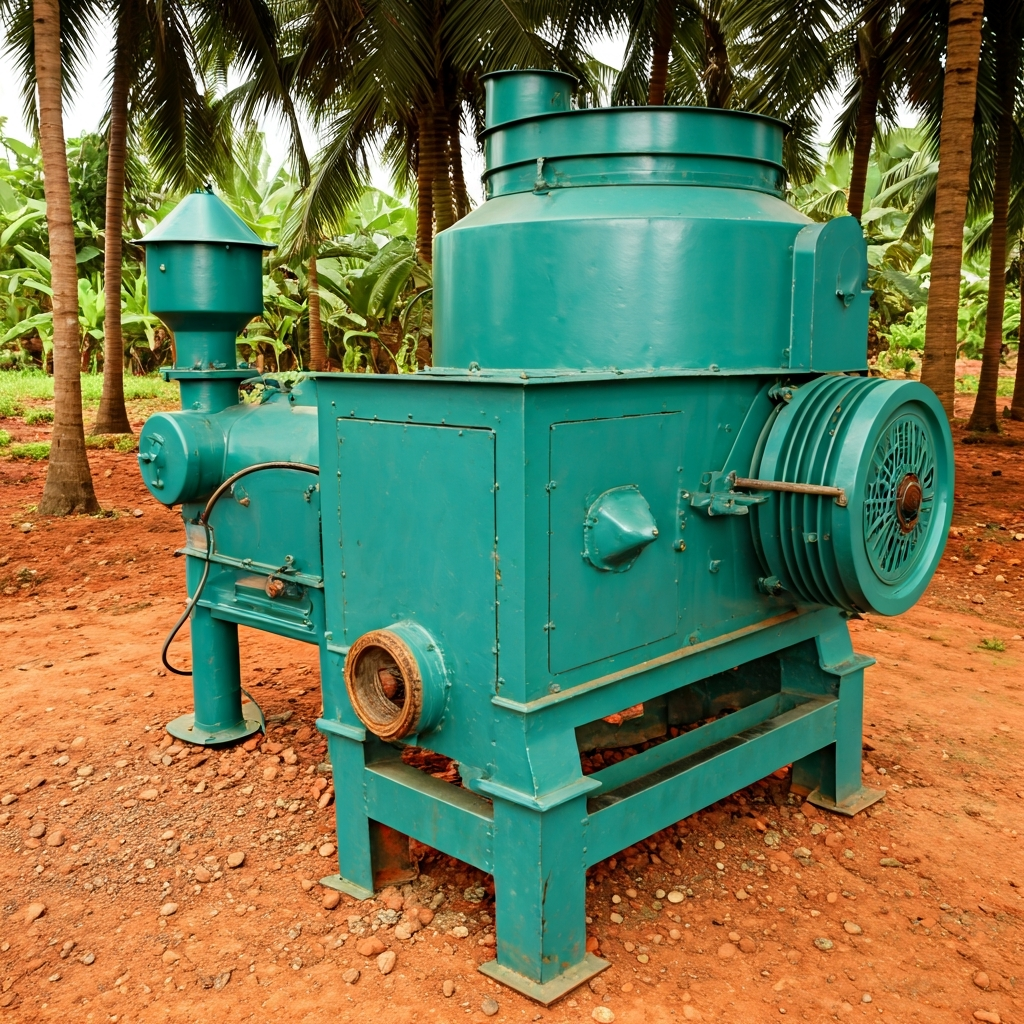
Palm Kernel Expeller: A Complete Guide for 2026 (+Benefits)
معصرة نواة النخيل (PKE) is a powerful, yet often misunderstood, feed ingredient poised to transform livestock operations in 2026. As global feed costs continue to rise, finding cost-effective, high-value nutritional sources is more critical than ever for sustainable profitability.
For farmers and feed mill operators, the core challenge remains: maximizing animal performance and health while managing a volatile bottom line. The search for alternative feed ingredients that don’t compromise on quality is relentless. This is precisely where a deeper understanding of PKE becomes a significant competitive advantage.
بحسب منظمة الأغذية والزراعة (الفاو), the global demand for animal feed is projected to increase dramatically. This surge puts immense pressure on traditional feed sources like corn and soybean meal, making ingredients like Palm Kernel Expeller an essential component of a sustainable and profitable feed strategy.
ما هو مستخلص نواة النخيل (PKE)؟
Palm Kernel Expeller is a high-energy, protein-rich co-product of the palm oil extraction process. It is specifically derived from the mechanical crushing of the palm kernel to extract its oil. The resulting fibrous cake is a highly palatable and nutrient-dense ingredient, making it a staple in livestock feed formulations worldwide.
Often referred to as Palm Kernel Cake, it’s crucial to understand this term primarily refers to the ingredient produced via mechanical pressing. This process leaves a higher residual oil content compared to solvent extraction, resulting in a superior energy profile. This guide focuses on this mechanically pressed expeller.
[Image: A close-up shot of golden-brown, granular Palm Kernel Expeller in a large pile, showing its texture. Alt: A pile of high-quality Palm Kernel Expeller for animal feed. Title: Palm Kernel Expeller Texture and Quality.]
The Production Process: From Palm Fruit to Expeller
Understanding the origin of PKE helps in appreciating its value and consistency. The journey from plantation to feed trough involves several key stages:
- حصاد: Fresh fruit bunches are harvested from oil palm trees.
- Sterilization & Threshing: Bunches are steam-sterilized to halt enzymatic degradation and then threshed to separate the fruit.
- استخلاص الزيت: The outer pulp (mesocarp) is pressed to extract Crude Palm Oil, leaving the palm nut.
- تكسير الجوز: The hard nut is cracked open to release the palm kernel. This process also yields قشرة نواة النخيل, a valuable biomass fuel.
- سحق الحبوب: Finally, the kernel is crushed and pressed in an expeller machine to extract Palm Kernel Oil. The solid, fibrous, protein-rich material left behind is the معصرة نواة النخيل.
PKE vs. Palm Kernel Meal (PKM): A Critical Distinction
While often used interchangeably, PKE and Palm Kernel Meal (PKM) are technically different. The distinction lies in the oil extraction method, which significantly impacts the nutritional content, especially residual fat and energy levels.
- مستخلص نواة النخيل (PKE): Produced via mechanical pressing. This method leaves more oil in the final product (8-12% fat), making it higher in energy.
- وجبة نواة النخيل (PKM): The result of solvent extraction. This process is more efficient at oil removal, leading to a meal with lower fat and energy but a slightly higher protein concentration.
For ruminants, the higher energy and palatability of PKE are often preferred and deliver superior results in milk production and weight gain.
Nutritional Profile of High-Quality Palm Kernel Expeller
The nutritional value of PKE can vary, but a high-quality supply offers a balanced profile of protein, energy, fiber, and minerals. This makes it an excellent and versatile component in feed rations for various livestock.
The table below compares the typical specifications of PKE against another common feed ingredient, وجبة جوز الهند, to highlight its unique properties.
| العناصر الغذائية | مستخلص نواة النخيل (PKE) | وجبة جوز الهند |
|---|---|---|
| البروتين الخام | 14-17% | 20-22% |
| الدهون الخام (الزيت) | 8-12% | 6-10% |
| الألياف الخام | 14-18% | 10-14% |
| الطاقة القابلة للاستقلاب (المجترات) | 11-12 MJ/kg | 10-11.5 MJ/kg |
| محتوى الرماد | 4-6% | 6-8% |
Decoding the Nutrients: Protein, Fiber, and Energy
Protein and Amino Acid Profile
With a protein content of 14-17%, PKE is a significant contributor to animal growth and milk production. While not as high in lysine and methionine as soybean meal, its amino acid profile is exceptionally well-suited for ruminants, whose gut microbes can synthesize deficient amino acids. For monogastric animals, it is best used with other protein sources for a complete diet.
Fiber Content: A Ruminant Advantage
PKE’s high fiber content is a major benefit for ruminants like cattle. It promotes excellent rumen function, encourages rumination, and increases saliva production, which acts as a natural buffer against acidosis. However, for poultry and young pigs, this high fiber can limit digestibility, so inclusion rates must be carefully managed.
Energy Value from Residual Fat
The residual oil content of 8-12% makes معصرة نواة النخيل an outstanding source of energy. This fat is highly digestible for ruminants, providing a concentrated energy source that improves milk fat and increases the overall energy density of the ration—a clear advantage over solvent-extracted meals.
5 Core Benefits of Using PKE in Animal Feed
Incorporating Palm Kernel Expeller into livestock rations offers compelling advantages that have made it a staple in feed formulations across Asia, Europe, and Oceania.
[Image: A healthy dairy cow eating from a feed trough containing a mix that includes visible granular Palm Kernel Expeller. Alt: Dairy cow enjoying a balanced ration containing Palm Kernel Expeller. Title: PKE as a Palatable Feed for Dairy Cattle.]
- الفعالية من حيث التكلفة: PKE is consistently priced more competitively than traditional sources like soybean meal or corn, offering significant and direct cost savings.
- Consistent Year-Round Supply: As a co-product of the massive palm oil industry, the supply of PKE is stable and reliable, protecting you from single-source shortages.
- Improved Milk Fat & Quality: The specific fatty acid profile in PKE can directly increase milk fat percentage in dairy cows, as shown in research published by the مجلة علوم الألبان.
- Enhanced Rumen Health: Its high fiber promotes healthy rumen function, reducing the risk of metabolic issues like acidosis in cattle on high-grain diets.
- High Palatability: Livestock, especially cattle, find the taste and smell of PKE highly appealing, which encourages consistent feed intake and supports high production levels.
Applications of Palm Kernel Expeller in Livestock Feed
The true value of PKE is realized through correct application and formulation for different species. Understanding its role in various diets is key to maximizing its benefits.
Formulating Rations for Ruminants (Dairy & Beef Cattle)
For ruminants, PKE is a near-perfect ingredient. It provides a balanced source of energy and protein with fiber that supports digestive health. Inclusion rates can be as high as 50% of the feed concentrate, or 20-30% of the Total Mixed Ration (TMR). Combining PKE with other high-energy ingredients, such as أملاح الكالسيوم للأحماض الدهنية لزيت النخيل, can be particularly effective for high-yielding dairy cows to meet their demanding energy needs.
Inclusion in Poultry Diets (Broilers & Layers)
In poultry, PKE is used more strategically due to its high fiber content. As research from Penn State Extension shows, while fiber can be beneficial, high levels can be hard for chickens to digest. The recommended inclusion rate is typically 5-10%. Often, it is used with feed enzymes to improve digestibility, making it a viable, cost-saving component in layer and broiler rations.
Use in Swine and Aquaculture Feeds
For pigs, PKE is most suitable for sow diets where high fiber is beneficial for gut health. For growers and finishers, inclusion is limited. In aquaculture, PKE has found success as a feed component for herbivorous fish like tilapia. Its binding properties are advantageous in pelleted feeds, though it requires supplementation with specific amino acids to create a complete nutritional profile.
Navigating the PKE Market: Price & Sourcing in 2026
As a global commodity, the price of Palm Kernel Expeller is influenced by numerous factors, including palm oil production yields, freight costs, and the prices of competing commodities like soybeans and corn. Staying informed on market trends through resources like FeedNavigator is crucial.
Working with a reliable supplier who can manage this volatility and guarantee quality is paramount to securing a competitive advantage.
[Image: Infographic concept showing factors that influence PKE price. Icons for palm oil production, shipping costs, and competing crop prices. Alt: Infographic on the factors affecting the 2026 Palm Kernel Expeller price. Title: Understanding Palm Kernel Expeller Market Dynamics.]
How to Identify High-Quality PKE Suppliers
Not all PKE is created equal. Quality is determined by shell content, moisture levels, and handling processes. When vetting a supplier, demand the following:
- Detailed Certificate of Analysis (COA): Reputable suppliers provide a COA with guaranteed values for protein, fat, fiber, moisture, and ash.
- Low Shell & Ash Content: Low contamination with palm kernel shell (<2%) and low ash (<6%) indicate a clean, high-digestibility product.
- Proper Storage and Handling: The supplier must demonstrate quality control to prevent mold growth and maintain freshness throughout the supply chain.
- Industry Certifications: Look for GMP+ or other recognized quality assurance certifications as a mark of a professional and reliable operator.
مكمور أمانة سجيتيرا نُقدّم منتجات نخيل عالية الجودة مثل مُستخلص نواة النخيل، وقشور نواة النخيل، وزيت النخيل الخام، وزيت نواة النخيل، وغيرها. يُرجى التواصل معنا على واتساب +6282140002198 أو راسلنا عبر البريد الإلكتروني على admin@makmuramanah.co.id.
الأسئلة الشائعة (FAQ)
What is the main use of Palm Kernel Expeller?
Its main use is as a high-value ingredient in animal feed. It is especially popular for ruminants like dairy and beef cattle, providing an excellent balance of protein, energy, and digestible fiber to support milk production and healthy growth.
هل يُعدّ مستخلص نواة النخيل (PKE) مفيدًا للأبقار الحلوب؟
Yes, it is exceptionally good for dairy cows. Its high fiber supports rumen health, its unique fat profile is proven to increase milk fat content, and its high palatability encourages the feed intake necessary for high-producing lactating cows.
What’s the difference between PKE and Palm Kernel Shell?
PKE is the nutrient-rich feed ingredient left after oil is extracted from the palm kernel. In contrast, Palm Kernel Shell is the hard, woody outer casing of the kernel, used almost exclusively as a high-energy biomass fuel for industrial boilers.
How much protein is in Palm Kernel Expeller?
High-quality Palm Kernel Expeller typically contains a crude protein level between 14% and 17%. This moderate protein level is highly effective for ruminants and serves as a cost-effective protein source in a well-formulated livestock ration.
Can you feed PKE to chickens?
Yes, PKE can be included in poultry diets, but at lower inclusion rates (typically 5-10%) due to its high fiber content. When used with feed enzymes to aid digestion, it can effectively reduce the cost of the final feed ration.
Conclusion: Your 2026 Feed Strategy Starts Here
As we navigate the economic landscape of 2026, the strategic use of alternative feed ingredients is no longer optional—it is essential. With its unique nutritional profile, economic advantages, and consistent availability, PKE stands out as a premier choice for modern livestock operations.
[Image: A wide shot of a modern, clean farm with silos in the background, symbolizing a forward-thinking and efficient operation. Alt: A modern farm utilizing strategic feed like Palm Kernel Expeller. Title: The Future of Farming with Smart Feed Solutions.]
[Video Suggestion: An embedded YouTube video titled “How to Mix Palm Kernel Expeller into TMR for Dairy Cows”. The video would show a nutritionist on a farm explaining the benefits and demonstrating the physical mixing process, showing the ideal ratio and final texture of the Total Mixed Ration.]
By understanding its benefits, specifications, and applications, you can unlock significant value and build resilience into your bottom line. Whether feeding dairy cows, beef cattle, or formulating poultry rations, a quality معصرة نواة النخيل offers a powerful tool to enhance performance and profitability, securing your competitive edge for years to come.
 Arabic
  English
  Indonesian
  Chinese