
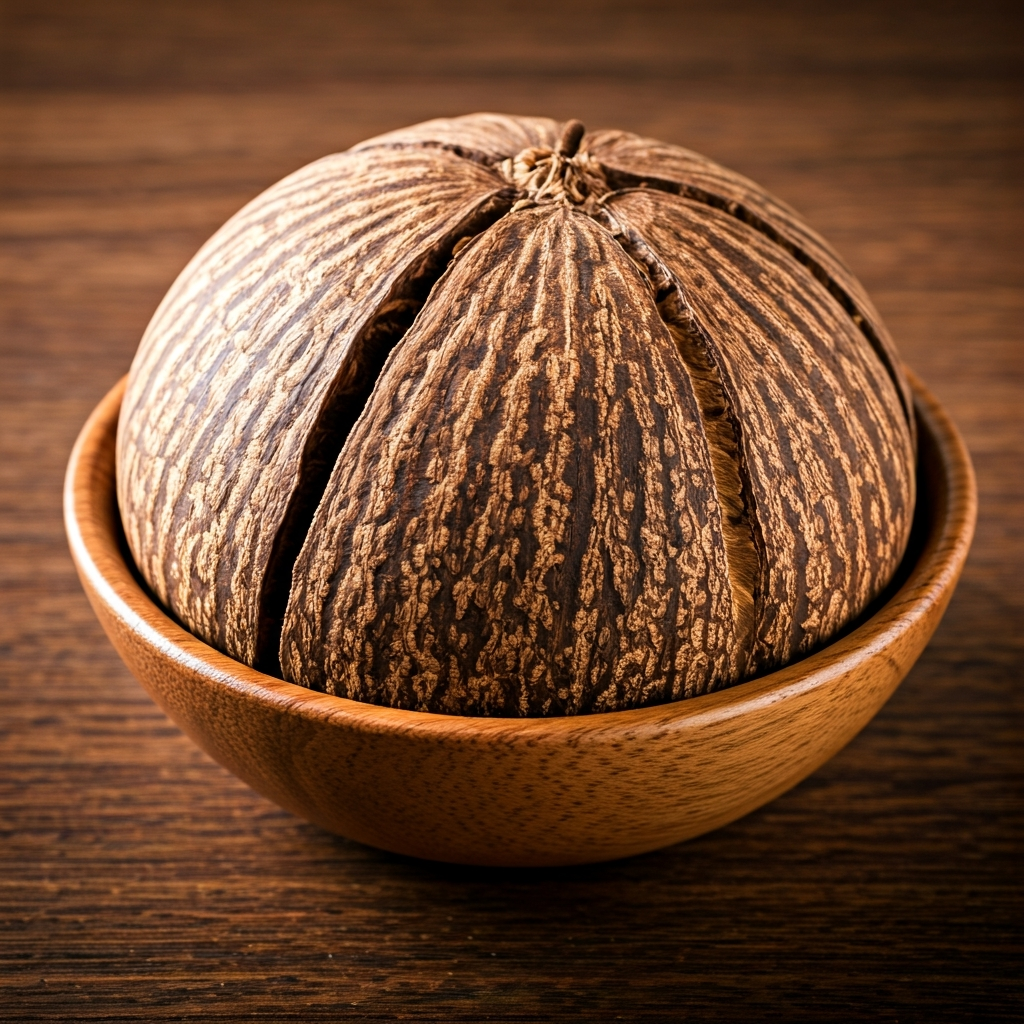
Copra Meal: 7 Surprising Benefits & Uses (2026 Guide)
وجبة جوز الهند is one of the most cost-effective and valuable feed ingredients available for livestock, yet many producers overlook its incredible potential. If you’re struggling to find sustainable, high-protein feed alternatives that don’t break the budget, you’ve arrived at the right place.
This guide unlocks everything you need to know about leveraging this powerful coconut byproduct for superior animal health and performance in 2026.
The global demand for high-quality animal feed is projected to increase by over 50% by 2050, according to the منظمة الأغذية والزراعة (الفاو). This pressure forces farmers to seek innovative, economical solutions. Copra meal, the byproduct of coconut oil extraction, emerges as a frontrunner, offering a rich source of protein, energy, and fiber.
This comprehensive guide will explore its complete nutritional profile, benefits, and practical applications, providing you with the expert knowledge to integrate it into your feeding strategy effectively.
What Exactly Is Copra Meal?
Copra meal is a highly palatable and nutritious feed ingredient derived from the dried kernel of the coconut (كوكوس نوسيفيرا). After the majority of the oil is extracted from the dried copra, the remaining cake is processed into a form suitable for animal consumption.
It’s a cornerstone of livestock nutrition in coconut-producing regions and is gaining worldwide recognition for its economic and nutritional advantages. This makes it an excellent alternative to more traditional protein sources like soybean meal. Furthermore, its unique composition provides a slow-release energy source, making it particularly beneficial for a wide range of animals.

From Coconut to Copra: The Production Process
Creating copra meal is a multi-step process rooted in traditional methods, now refined by modern technology. It begins with harvesting mature coconuts, which are then split open and dried. This drying process transforms the wet coconut meat into “copra.” This process yields not just copra for oil and meal, but also other valuable materials like جوز الهند from the husk.
There are two primary methods for oil extraction from copra:
- الاستخلاص الميكانيكي (الضغط الميكانيكي): This is the most common method. The copra is crushed under high pressure to squeeze out the oil. The remaining solid is known as copra expeller or copra cake.
- استخلاص المذيبات: This method uses a solvent (like hexane) to extract any residual oil from the copra cake, resulting in a meal with a lower fat content but higher protein concentration.
The resulting product is then ground to a consistent size, creating the final meal ready for inclusion in animal feed formulations.
[Video: An embedded YouTube video showing the complete process of how copra meal is produced, from coconut harvesting to the final meal.]
Copra Meal vs. Palm Kernel Expeller: What’s the Difference?
While both are valuable byproducts from tropical crops, copra meal and معصرة نواة النخيل (PKE) have distinct nutritional profiles. Copra meal comes from coconuts, while PKE originates from the kernel of the oil palm fruit. Understanding these differences is crucial for precise feed formulation.
Generally, copra meal is higher in protein and has a more pleasant aroma, which can improve feed palatability. However, PKE often has a higher fiber content. The choice between them often depends on animal species, performance goals, and local availability.
The Nutritional Profile of Copra Meal: A Deep Dive
The true power of this coconut byproduct lies in its dense nutritional makeup. It’s not just a filler; it’s a functional ingredient that contributes significantly to animal health. Its profile can vary based on the oil extraction method, but it consistently delivers high-value nutrients.
As an expert in animal nutrition, I’ve seen first-hand how a deep understanding of these components can lead to remarkable improvements in livestock health and productivity. Let’s break down the key elements.
Macronutrient Breakdown (Protein, Fiber, Fat)
The macronutrient content is the primary driver of copra meal’s benefits. It offers a balanced profile that supports both growth and energy needs.
- Protein: Ranging from 18-25%, the protein in copra meal provides essential amino acids for muscle development and milk production. While lower in lysine and methionine than soybean meal, it complements other feedstuffs well.
- Fiber: With a crude fiber content of 10-15%, it is an excellent source of digestible fiber. This promotes healthy gut function, particularly in ruminants, by supporting the rumen’s microbial ecosystem.
- الدهون (الزيت المتبقي): The remaining oil content (5-12%) is a fantastic source of concentrated, slow-release energy. This fat is rich in medium-chain fatty acids (MCFAs), like lauric acid, known for their antimicrobial properties.
Key Minerals and Vitamins for Animal Health
Beyond the primary nutrients, this feed ingredient is a carrier for several essential micronutrients. These components play a vital role in metabolic functions, immune response, and skeletal health.
It is a good source of phosphorus, crucial for energy metabolism and bone formation. Additionally, it contains notable amounts of potassium, magnesium, and trace minerals like copper, zinc, and manganese, all integral to maintaining a healthy, productive animal.
7 Surprising Benefits of Copra Meal for Livestock
Integrating copra meal into livestock diets offers a cascade of benefits that impact everything from animal wellness to your bottom line. Its unique properties make it more than just a protein source. Here are the top advantages confirmed by scientific research and years of field experience.

- الفعالية من حيث التكلفة: It is often more affordable than soybean or fish meal, significantly lowering feed costs without compromising quality.
- High Palatability: Its slightly sweet, nutty aroma enhances feed intake, ensuring animals consume the nutrients they need.
- Rich Energy Source: The residual coconut oil provides dense, slow-releasing energy, ideal for lactating animals and those with high energy demands.
- Gut Health Promotion: Its high fiber content supports healthy digestion, while its MCFAs can help suppress harmful gut pathogens, as noted in studies in the Journal of Animal Science and Technology.
- Good Protein Content: It provides a solid protein base (18-25%) to support growth and development across species.
- Sustainable and Natural: As a byproduct of the coconut industry, using it reduces waste and provides a sustainable feed ingredient.
- Improved Product Quality: In dairy cattle, the specific fat profile of copra meal has been shown to potentially increase the firmness of butterfat.
Practical Applications of Copra Meal in Animal Feed
تعدد استخدامات وجبة جوز الهند allows for its inclusion in feed for a wide variety of animals. However, ideal inclusion rates differ based on the digestive system and nutritional needs of each species. Proper formulation is key to maximizing benefits.
Moreover, it is essential to source high-quality meal, like the premium Copra Meal available from Makmur Amanah Sejahtera, to ensure safety and nutritional consistency.
Ruminant Nutrition (Cattle, Goats, Sheep)
For ruminants, this coconut meal is an exceptional feed ingredient. Its high level of non-degradable “bypass” protein is highly effective. This concept is well-documented by institutions like Cornell University’s Animal Science department.
- أبقار الألبان: It supports milk production and can improve milk fat content. Inclusion rates typically range from 10-20%. To further boost energy, it’s often used with supplements like أملاح الكالسيوم للأحماض الدهنية لزيت النخيل.
- أبقار اللحم: It serves as an excellent protein and energy supplement for growing and finishing cattle, promoting healthy weight gain.
- Goats and Sheep: Its palatability and nutrient density make it a valuable addition to their diets, especially for lactating does and ewes.

Monogastric Nutrition (Pigs and Poultry)
While historically more common in ruminant diets, modern processing has made copra meal a viable ingredient for pigs and poultry. The key is to balance its high fiber content.
- الخنازير: It can be included in grower and finisher pig diets at rates of 5-15%. The energy and protein are valuable, but formulations must be balanced for amino acids like lysine.
- دواجن: In broilers and layers, inclusion is typically kept lower (3-7%) due to the high fiber. However, its use is being re-evaluated as fiber is now recognized for its gut health benefits.
Copra Meal vs. Other Protein Sources
To better understand its place in the market, here is a comparison with other common protein sources. This table highlights why وجبة جوز الهند can be a strategic choice for feed formulators.
| يصف | وجبة جوز الهند | وجبة فول الصويا | معصرة نواة النخيل |
|---|---|---|---|
| البروتين الخام | 18-25% | 44-48% | 14-18% |
| الألياف الخام | 10-15% | 3-7% | 16-20% |
| مستوى الطاقة | High (from fat) | معتدل | معتدل |
| الاستساغة | عالي | معتدل | Low-Moderate |
الأسئلة الشائعة (FAQ)
1. Is copra meal good for horses?
Yes, copra meal is an excellent feed for horses. It’s low in sugar and starch, making it a “cool” energy source ideal for performance horses, hard keepers, and those sensitive to grain. Its high fiber and fat content support stamina and healthy weight without causing excitability.
2. What is the main disadvantage of copra meal?
The primary concern is susceptibility to aflatoxin contamination if not dried and stored properly. It is crucial to source it from reputable suppliers who conduct rigorous quality control and testing to guarantee a safe, high-quality product for your animals.
3. How much protein is in copra meal?
The crude protein content of copra meal typically falls between 18% and 25%. The exact percentage can vary depending on the coconut’s origin and the specific method used for oil extraction (mechanical expeller vs. solvent extraction). This makes it a valuable mid-range protein ingredient.
4. Can you feed copra meal to chickens?
Yes, but in moderation. Due to its high fiber content, the inclusion rate for poultry is usually limited to around 5-7% of the total diet. When used at these levels, it can be a cost-effective source of protein and energy for both broilers and laying hens.

Your Partner in Advanced Animal Nutrition
In conclusion, the evidence is clear: copra meal is a premier, multi-species feed ingredient that offers a powerful combination of protein, energy, and fiber. Its cost-effectiveness and high palatability make it an indispensable tool for any modern feeding program aiming for efficiency and superior animal health in 2026 and beyond.
By understanding its nutritional profile and proper application, you can unlock significant performance and economic benefits. To achieve the best results, always prioritize quality. Integrating a high-caliber ingredient like وجبة جوز الهند is a strategic decision that pays dividends in animal productivity and profitability.
 Arabic
  English
  Indonesian
  Chinese