
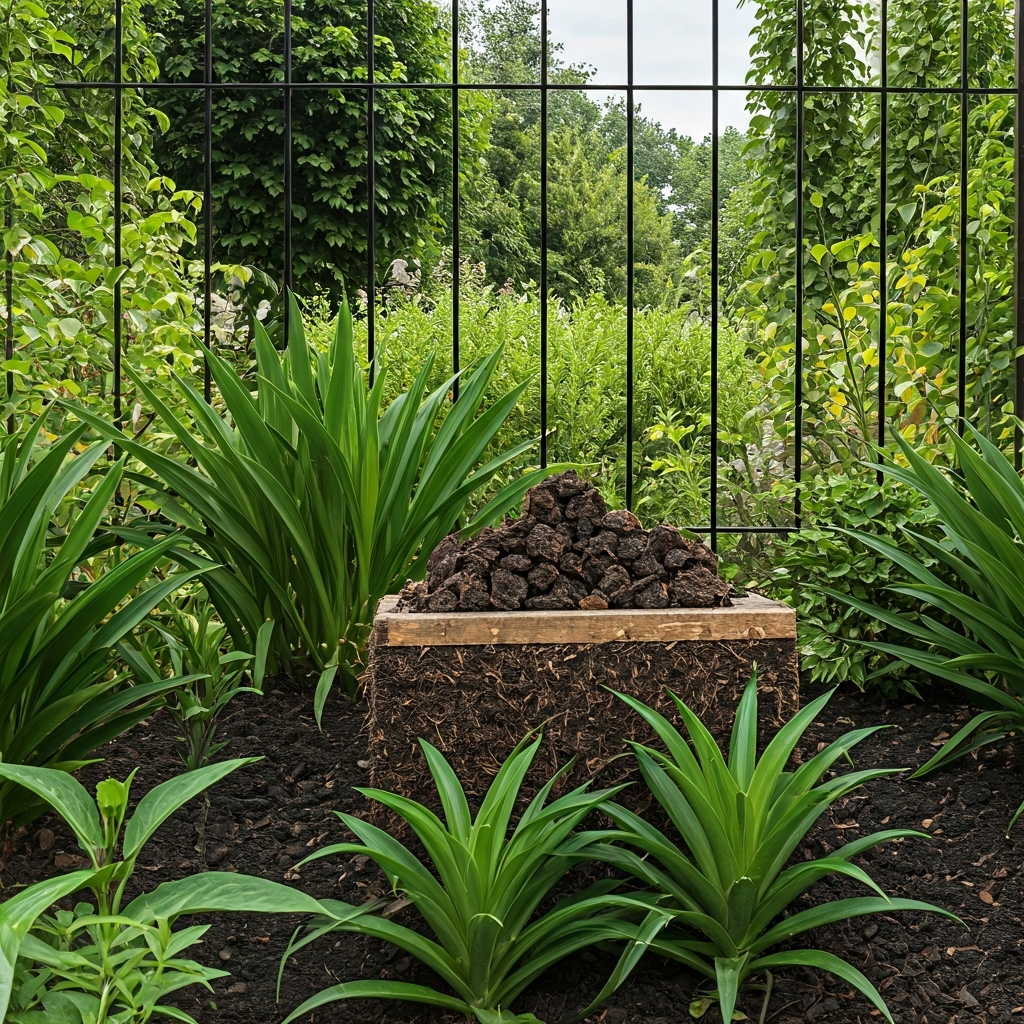
What is Cocopeat? Your Complete Guide to Successful Gardening
What is cocopeat and how can it dramatically improve your gardening results? If you’re searching for a sustainable, effective, and versatile growing medium, you’ve found the definitive answer. This guide explores everything you need to know to harness the power of this incredible coconut byproduct for healthier plants and more abundant harvests.
For years, gardeners relied on traditional soil and peat moss, often facing issues with poor drainage and environmental concerns. According to research from the الجمعية الملكية للبستنة, peat extraction is damaging to vital ecosystems, prompting a widespread search for sustainable alternatives. Coconut coir has emerged as the frontrunner, offering a powerful solution that benefits both your plants and the planet.
What Exactly is Cocopeat? A Gardener’s Primer
Cocopeat is a 100% natural growing medium made from the pith of a coconut husk. This spongy, lightweight material is a byproduct of the coconut coir industry. Once considered waste, it’s now celebrated for its remarkable properties that create an ideal environment for plant roots to thrive. For any gardener, this is the perfect answer to “what is cocopeat.”
[Image: A side-by-side comparison showing a dry, compressed cocopeat brick next to a large pile of dark, fluffy, rehydrated cocopeat. Title: From Compressed Brick to Fluffy Growing Medium. Alt Text: A block of compressed cocopeat next to the expanded, soil-like material, demonstrating its transformation.]
The Journey from Coconut Husk to Garden Gold
The process begins after farmers harvest coconuts. Workers separate the outer husk and remove the long fibers to make ropes, mats, and other coir products. This process leaves behind the dusty, pithy material known as cocopeat. Processors then wash, dry, and sometimes buffer this raw material to create the high-quality growing medium available to gardeners.
Washed vs. Unwashed vs. Buffered: A Critical Choice
Understanding the types of this medium is crucial for success. Unwashed coir can contain high levels of sodium and potassium, which can harm plants. High-quality products are thoroughly washed to remove these excess salts.
Buffered cocopeat goes a step further. Producers treat it with a calcium solution to displace sodium and prevent nutrient lockout. This is a common issue where the coir holds onto calcium and magnesium, making them unavailable to the plant.
Understanding the Different Forms: Blocks, Bricks, and Loose Mix
This versatile medium is most commonly sold in compressed blocks or bricks, which are dehydrated and easy to transport and store. When you add water, they expand to several times their original volume. You can also find it in a ready-to-use, loose form, often pre-mixed with other amendments like perlite or vermiculite.
The 7 Undeniable Benefits of Using Cocopeat in Your Garden
So, why is this material creating such a buzz? The benefits are extensive, making it a superior choice for many applications. This is especially true when using a quality product, like the جوز الهند offered by specialized suppliers.
- قدرة فائقة على الاحتفاظ بالماء: The medium can hold up to 10 times its weight in water. This means your plants stay hydrated longer, and you water less frequently—a game-changer for container gardening and for gardeners in dry climates.
- Superior Aeration and Root Development: Despite holding immense water, the fibrous structure of جوز الهند remains light and airy. This provides essential oxygen to the plant’s roots, preventing compaction and promoting vigorous root growth.
- Neutral pH Level: It typically has a pH range of 6.0 to 6.8, which is ideal for the nutrient uptake of most plants. This stable pH eliminates the need for lime or other amendments to correct soil acidity or alkalinity.
- Natural and Sustainable Medium: As a byproduct of the coconut harvest, it is a completely renewable resource. Using it helps reduce waste and provides a fantastic alternative to peat moss, the harvesting of which destroys fragile wetland ecosystems.
- Free from Pests and Diseases: The production process ensures it is sterile and free from the harmful pathogens, weed seeds, and pests often found in topsoil. This gives your seedlings and plants a clean, healthy start.
- Easy to Handle and Store: The compressed blocks are lightweight, clean, and simple to store for long periods. A small, 10-pound block can expand to create over 2 cubic feet of planting medium.
- Long-Lasting and Reusable: It breaks down very slowly, meaning it can last for several years in your pots or garden beds. You can easily reuse it for multiple planting cycles, making it highly economical.
[Infographic Suggestion: Create a visually appealing infographic titled “The 7 Benefits of Cocopeat.” Use icons and short text to illustrate each benefit: a water droplet for retention, a magnifying glass on roots for aeration, a pH scale, a recycling symbol for sustainability, a shield for pest-free, a box for storage, and a calendar for reusability.]
How to Prepare and Use Cocopeat Like a Pro (Step-by-Step)
Using a compressed block for the first time is a satisfying experience. The transformation from a hard brick to a fluffy growing medium is remarkable. Here’s how to do it correctly.
Step 1: Rehydrating a Cocopeat Block
Place your compressed brick in a large container, like a wheelbarrow or a sturdy tub. Add the recommended amount of warm water (check the packaging). A 5 kg block typically needs about 25 liters (6-7 gallons) of water. Let it sit for 15-30 minutes, watching as it absorbs the water and swells. Break the rehydrated material apart with your hands or a small shovel until there are no lumps.
[Video Suggestion: Embed a short (60-90 second) time-lapse video titled “How to Rehydrate a Cocopeat Brick.” The video should show the process from placing the dry brick in a tub to the fully expanded, fluffy final product.]
Step 2: Creating the Perfect Potting Mix
While excellent, this fibrous material alone is not a complete potting mix as it contains few native nutrients. You must amend it to provide food for your plants. A classic, all-purpose recipe is:
- 60% Cocopeat
- 40% Perlite or Vermiculite (for added aeration)
- A balanced, slow-release fertilizer or compost/worm castings
This mixture provides the perfect balance of water retention, drainage, and initial nutrition for most container plants. While some agricultural byproducts like وجبة جوز الهند و معصرة نواة النخيل serve as animal feed, for gardening, coir pith is the star.
Step 3: Tips for Amending Garden Soil
This coconut byproduct is also a phenomenal soil conditioner. If you have heavy clay soil, mixing in coir pith will improve drainage and aeration. In sandy soil, it will significantly improve water and nutrient retention. To apply, spread a 2-3 inch layer over your garden bed and till it into the top 6-8 inches of soil.
[Image: A gardener’s hands mixing fluffy cocopeat with white perlite and dark compost in a potting tray. Title: Crafting the Perfect Cocopeat Potting Mix. Alt Text: A person’s hands blending dark, rich coir with perlite to create a high-quality potting soil.]
Cocopeat vs. Soil vs. Other Growing Mediums
How does this coir-based substrate stack up against traditional options? A scientific review published in the journal Agronomy confirms that coconut coir is a “viable alternative for soil” in many horticultural systems. Here’s a direct comparison:
| ميزة | جوز الهند | الخث | تربة الحديقة |
|---|---|---|---|
| احتباس الماء | ممتاز | جيد جدًا | Varies (Poor to Good) |
| الاستدامة | عالي (منتج ثانوي متجدد) | Low (Non-renewable) | معتدل |
| مستوى الرقم الهيدروجيني | Neutral (6.0-6.8) | Acidic (3.5-4.5) | Varies Widely |
| Pest/Disease Free | Yes (Inert) | Mostly | No |
| إمكانية إعادة الاستخدام | High (Lasts 2-4 years) | Low (Compacts over time) | Yes (but needs amending) |
What is Cocopeat Best For? Top Applications
The versatility of coir pith makes it suitable for a wide range of gardening and horticultural uses. Its unique properties shine in specific applications:
-
Hydroponics and Soilless Farming
Cocopeat is a world-class substrate for hydroponics. Its inert nature means it won’t interfere with the nutrient solution you provide. The excellent water retention and aeration create the perfect root zone for plants like tomatoes, cucumbers, and peppers grown without soil.
-
Seed Starting and Propagation
Because it’s sterile and provides consistent moisture, this medium is ideal for germinating seeds and rooting cuttings. The fine texture allows delicate new roots to establish themselves easily without fighting through compacted soil.
-
Container Gardening and Potted Plants
This is perhaps its most popular use. For indoor and outdoor potted plants, a coir-based mix prevents the soil from becoming waterlogged or drying out too quickly—the two biggest challenges of container gardening.
-
Amending Clay or Sandy Soils
As a soil amendment, it works wonders. It breaks up heavy, dense clay, improving its structure and drainage. In loose, sandy soil, it adds body and dramatically increases its ability to hold onto the water and nutrients that would otherwise wash away.
Common Mistakes to Avoid with Cocopeat (2026 Update)
While powerful, this growing medium is not foolproof. Understanding its unique characteristics helps you avoid common pitfalls that can frustrate new users.
The Danger of High Salinity in Unwashed Coir
The number one mistake is using cheap, unwashed coir. Coconuts are often grown near coastlines, so their husks can absorb a lot of salt. As noted by university agricultural extensions like the University of Florida, high salinity will pull moisture out of your plant’s roots, effectively killing them.
Always buy from a reputable supplier who guarantees low EC (Electrical Conductivity) levels, which is a measure of salt content.
Nutrient Deficiencies: The Calcium and Magnesium Issue
As mentioned, coir has a high Cation Exchange Capacity (CEC) and a natural affinity for calcium and magnesium. If you use an unbuffered medium with standard fertilizers, the coir itself can absorb these crucial nutrients. This leads to deficiencies in your plants (e.g., blossom end rot in tomatoes).
Using a cal-mag supplement, buffered coir, or specialized nutrients like أملاح الكالسيوم للأحماض الدهنية لزيت النخيل for certain applications can solve this problem.
[Image: A photo of a tomato plant with yellowing leaves and blossom end rot, contrasted with a healthy plant. Title: Signs of Nutrient Lockout to Avoid. Alt Text: A plant showing yellow leaves, a common sign of nutrient deficiency when using unbuffered cocopeat.]
Overwatering: A Common Misconception
Because it holds so much water, you must adjust your watering schedule. The top may look dry, but the medium can still be very moist just an inch below the surface. Always check with your finger before watering again.
Even with its excellent aeration, overwatering can still lead to root rot. Good drainage is key, so ensure your pots have holes.
[Image: A close-up shot of vibrant green seedlings sprouting from a tray filled with dark brown cocopeat. Title: Healthy Seedlings Thriving in Cocopeat. Alt Text: A tray of healthy seedlings demonstrates what a sterile and moist environment can do for germination.]
مكمور أمانة سجيتيرا توفر منتجات زيت النخيل عالية الجودة مثل معصرة نواة النخيل, قشرة نواة النخيل, Crude Palm Oil, Palm Kernel Oil, etc. Kindly contact us at واتساب +6282140002198 أو راسلنا عبر البريد الإلكتروني على admin@makmuramanah.co.id.
الأسئلة الشائعة حول جوز الهند
هل جوز الهند مفيد لجميع النباتات؟
It is excellent for most plants, especially those that thrive in consistently moist but well-drained soil. However, for succulents and cacti that require very dry conditions, you should use it sparingly and mix it with a high percentage of drainage materials like sand or pumice.
كم مرة يجب أن أسقي النباتات في التربة المحشوة بجوز الهند؟
Significantly less often than with traditional soil. A good rule is to check the moisture level 1-2 inches below the surface. Only water when it begins to feel dry to the touch. The frequency will depend on the plant, pot size, and environmental conditions.
Can I reuse this growing medium?
Absolutely. It breaks down very slowly and can be reused for 2-4 years. After a growing season, you can remove the old root ball, fluff up the coir, amend it with fresh compost or fertilizer, and replant. This makes it a very cost-effective and sustainable option.
Does cocopeat contain any nutrients?
No, it is an inert medium with very few nutrients. This is an advantage as it gives you full control over your plant’s nutrition. You must add nutrients through compost, worm castings, or a balanced liquid or slow-release fertilizer program for healthy plant growth.
What is the difference between cocopeat and coco coir?
Coco coir is the general term for the fibrous material from the coconut husk. It includes long fibers, short fibers, and the pithy dust in between. Cocopeat specifically refers to this pithy, dust-like material which has been processed into a growing medium.
Your Partner in Sustainable Gardening Success
In conclusion, understanding what cocopeat is and how to use it effectively is a key skill for any modern gardener in 2026. From its superior water retention and aeration to its eco-friendly credentials, it offers a clear path to healthier plants and more sustainable practices. By choosing high-quality, buffered coir and amending it correctly, you unlock a world of gardening potential.
Whether you’re starting seeds, managing potted plants, or enriching your garden soil, this amazing resource provides a reliable, effective, and professional-grade foundation. Make the switch today and experience the tangible difference in your garden’s vitality and your own efficiency. Utilizing this coconut byproduct is one of the best decisions you can make for your plants.
 Arabic
  English
  Indonesian
  Chinese