
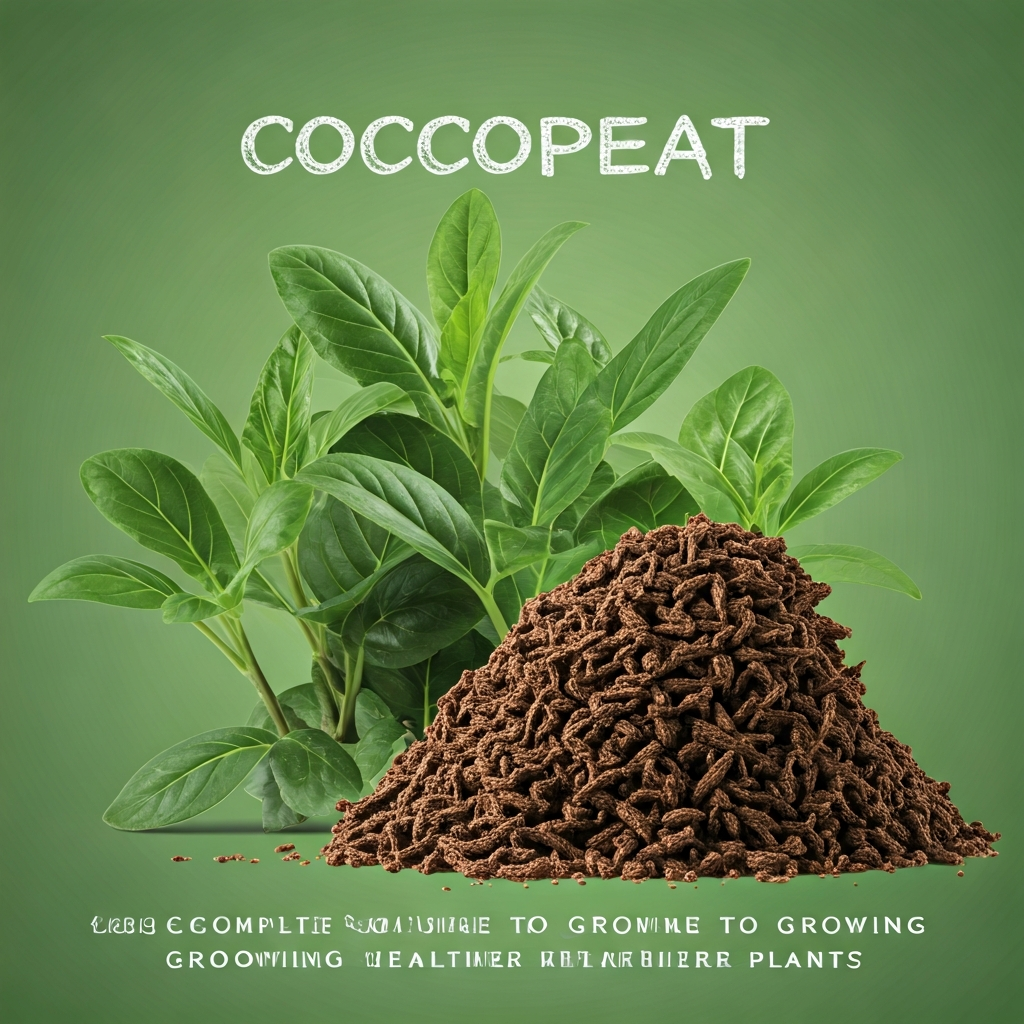
Cocopeat: The Complete Guide to Growing Healthier Plants
استخدام جوز الهند is the single most effective change you can make for healthier, more resilient plants in 2026. This sustainable powerhouse is the solution you’ve been searching for.
If you’ve struggled with poor soil drainage, compacted earth, or inconsistent moisture levels, cocopeat provides the perfect foundation for roots to thrive, ensuring your plants get the ideal balance of air and water.
What is Cocopeat and Why is it a 2026 Garden Essential?
Cocopeat is a 100% natural growing medium derived from the pithy dust and fibers found between the hard, internal shell and the outer coat of a coconut. For decades, this material was considered a waste product. Today, it’s celebrated by gardeners worldwide as a superior soil amendment and hydroponic growth medium, often referred to as coco coir.
Its rise in popularity is staggering; the global coco coir market is projected to grow significantly, driven by the demand for sustainable and high-performance gardening products. Unlike traditional garden soil, which can be heavy and prone to compaction, this unique medium offers an incredible combination of water retention and aeration. This structure allows plant roots to breathe, preventing rot while ensuring a consistent supply of moisture.
[Image: A high-quality photo of a compressed cocopeat brick next to its expanded, fluffy, dark brown form. Title: Compressed vs. Expanded Cocopeat. Alt: A compressed cocopeat brick and fluffy, expanded cocopeat ready for planting.]
The 7 Undeniable Benefits of Using Cocopeat
Integrating cocopeat into your gardening routine offers a host of advantages that traditional soils can’t match. It addresses many common horticultural challenges, making it easier to achieve professional-level results.
1. قدرة فائقة على الاحتفاظ بالماء
This substrate can hold up to 10 times its weight in water, meaning you’ll water your plants less frequently. This sponge-like quality ensures water is absorbed and released slowly. According to a study in the Agronomy Journal, substrates with high water-holding capacity significantly reduce water stress. For container gardeners, this is a game-changer, as explained by the الجمعية الملكية للبستنة, who note the importance of consistent moisture.
2. Excellent Aeration for Healthy Roots
Despite its ability to hold water, the fibrous nature of the medium prevents it from compacting. This creates essential air pockets, promoting healthy root development, robust nutrient uptake, and vigorous plant growth. Stronger roots lead directly to a stronger, more resilient plant.
3. Neutral pH and Low Electrical Conductivity (EC)
High-quality, processed coco coir has a stable pH range of 5.5 to 6.8, which is ideal for most plants. It also has a low EC, meaning it’s naturally low in salts. This “clean slate” allows you to have complete control over the nutrients your plants receive without worrying about salt buildup, a common issue in soil management.
4. A Sustainable and Eco-Friendly Choice
Unlike peat moss, which is harvested from non-renewable peat bogs—a practice that damages sensitive ecosystems as detailed by the IUCN—cocopeat is a byproduct of the renewable coconut industry. Using it helps reduce waste and promotes a circular economy, similar to how other agricultural byproducts like قشرة نواة النخيل و معصرة نواة النخيل are utilized.
5. Naturally Anti-Fungal and Disease Resistant
Cocopeat contains natural lignins and tannins that help deter common soil-borne pathogens and pests. This can lead to a reduction in fungal infections like root rot, especially in delicate seedlings, making it an excellent medium for seed starting.
6. Easy to Use and Store
Often sold in compressed, lightweight bricks, it’s incredibly easy to transport and store. A small, 5kg brick can expand to create up to 70 liters of growing medium, making it a highly efficient and space-saving option for urban and home gardeners.
7. Promotes Stronger, Faster Growth
The combination of excellent aeration, water retention, and a healthy root environment means plants establish themselves more quickly. Gardeners using this medium consistently report faster germination, stronger stems, and more abundant foliage.
Cocopeat vs. Peat Moss vs. Garden Soil: A Head-to-Head Comparison
Choosing the right growing medium is critical. While garden soil is traditional, alternatives like cocopeat and peat moss offer distinct advantages. This table breaks down the key differences.
| ميزة | جوز الهند | الخث | تربة الحديقة |
|---|---|---|---|
| الاستدامة | عالي (منتج ثانوي متجدد) | Low (Harvested from bogs) | عامل |
| احتباس الماء | ممتاز | مرتفع جداً | Poor to Good |
| مستوى الرقم الهيدروجيني | Neutral (5.5-6.8) | Acidic (3.5-4.5) | Variable (Often 6.0-7.5) |
| إمكانية إعادة الاستخدام | Yes (up to 3-4 years) | No (Compacts over time) | Yes (with amendment) |
| المحتوى الغذائي | Inert (None) | قليل | عامل |
As the table illustrates, جوز الهند provides a balanced and sustainable profile that makes it more versatile than peat moss and more reliable than garden soil. Its reusability also offers significant long-term value, much like how other byproducts such as وجبة جوز الهند are valued for their secondary uses in animal feed.
[Image: Infographic concept. Title: “Cocopeat: From Coconut to Garden”. Shows the process: Coconut -> Husk -> Coir Pith -> Washed & Dried -> Compressed Brick -> Ready-to-use medium. Title Attribute: The Journey of Cocopeat. Alt: Infographic showing the journey of cocopeat from coconut husk to garden soil amendment.]
How to Prepare and Use Cocopeat Like a Pro
Getting started with cocopeat is simple. Whether you’re using it for potted plants, garden beds, or hydroponics, proper preparation is key to unlocking its full potential.
Choosing the Right Type of Cocopeat
Cocopeat is typically sold in three main forms:
- Compressed Bricks: The most common form. They are dense, easy to store, and require rehydration.
- Loose Bags: Ready-to-use expanded coco coir. Convenient but bulkier to store.
- Grow Bags/Slabs: Large, contained slabs used for large-scale hydroponics or greenhouse growing.
Step-by-Step: Rehydrating Cocopeat Bricks
This is the most crucial step. Follow this simple process for perfect, fluffy medium every time:
- Read the Instructions: Check the packaging to see how much water is needed. A standard 5kg brick usually makes 60-70 liters.
- Use a Large Container: Place the brick in a large wheelbarrow, tub, or waterproof tarp.
- Add Water Gradually: Pour about half of the required warm water over the brick. It will immediately start to expand.
- Break it Apart: As the brick softens, use a small shovel or your hands to break it apart. This speeds up hydration.
- Add Remaining Water: Add the rest of the water and mix thoroughly until you have a uniform, damp, and fluffy consistency. Avoid making it soggy.
Creating the Perfect Cocopeat Potting Mix
While it can be used alone, it performs best as part of a mix. This improves structure and provides nutrients. Here are two proven recipes:
- For Potted Plants: 60% Cocopeat, 30% Perlite or Pumice (for drainage), 10% Worm Castings or Compost (for nutrients).
- For Seed Starting: 80% Cocopeat, 20% Perlite. This creates a fine, sterile medium perfect for germination.
أخطاء شائعة يجب تجنبها عند استخدام جوز الهند
While incredibly forgiving, there are a few common pitfalls to watch for. Avoiding these will ensure you have a successful experience with your coco coir medium.
1. Using Low-Quality, Unwashed Cocopeat
Cheap, unbuffered cocopeat can be high in sodium and potassium salts, which are toxic to most plants. Always choose a reputable brand that washes its product to a low EC. For the highest quality, consider our premium جوز الهند.
2. Forgetting to Buffer the Medium
Buffering is a crucial step that many beginners miss. Coco coir naturally has a high cation exchange capacity and will hold onto calcium and magnesium, making them unavailable to your plants. A buffered product has been pre-soaked in a calcium nitrate solution to prevent this nutrient lockout. If your coir isn’t buffered, you must do it yourself before use.
3. Forgetting to Add Nutrients
Cocopeat is an inert medium with no native nutritional value. You must add a complete fertilizer from the start. As noted by university extension programs like UMass Amherst, soilless media require a carefully managed nutrient program, including Cal-Mag. Some nutrient lines also offer products like أملاح الكالسيوم للأحماض الدهنية لزيت النخيل, which are used in animal feeds to supplement calcium.
4. Over-compressing the Medium
When potting, do not pack the medium down tightly. Its value lies in its aeration, and compaction defeats this purpose. Keep it light and fluffy to allow roots to breathe.
5. Letting it Dry Out Completely
While it holds water well, completely dry coco coir can become hydrophobic and difficult to re-wet. Try to keep it consistently moist, but not waterlogged.
[Image: A vibrant, healthy tomato plant with bright red fruit, growing in a pot filled with a dark brown cocopeat and perlite mix. The roots are visibly healthy and white at the drainage holes. Title: Healthy Plant Growth in Cocopeat. Alt: Healthy tomato plant roots thriving in a rich cocopeat potting mix.]
مكمور أمانة سجيتيرا نُقدّم منتجات نخيل عالية الجودة مثل مُستخلص نواة النخيل، وقشور نواة النخيل، وزيت النخيل الخام، وزيت نواة النخيل، وغيرها. يُرجى التواصل معنا على واتساب +6282140002198 أو راسلنا عبر البريد الإلكتروني على admin@makmuramanah.co.id.
الأسئلة الشائعة (FAQ)
Is cocopeat better than soil for all plants?
Cocopeat is an excellent base for most plants that prefer consistent moisture and good aeration, like aroids, ferns, and vegetables. However, succulents or cacti that need very dry conditions may prefer a grittier, faster-draining mix with less of the medium.
كم مرة يجب أن أسقي النباتات في التربة المحشوة بجوز الهند؟
Less frequently than with traditional soil. The best method is to check the top 1-2 inches of the medium. If it feels dry, it’s time to water. Because of its high water retention, ensure your pot has excellent drainage to prevent waterlogging.
Can cocopeat be reused?
Absolutely. High-quality coco coir can be reused for 2-3 growing cycles. After a harvest, simply rinse it thoroughly to remove old roots and any salt buildup, then amend it with fresh compost or nutrients before replanting for a new cycle.
Does cocopeat contain any nutrients?
No, it is an inert growing medium with no significant nutritional value. This gives you full control over fertilization. You must provide all necessary nutrients through a liquid or slow-release fertilizer, including a Calcium and Magnesium (Cal-Mag) supplement from the start.
What is the difference between cocopeat and coco coir?
The terms are often used interchangeably. “Coco coir” is a broad term for any product from the coconut husk. “Cocopeat” specifically refers to the pithy, soil-like material, while other coir products include fibers (for ropes) and chips (for orchids).
[Image: Suggested Embedded Video. Topic: “How to Rehydrate a Cocopeat Brick in Under 5 Minutes – A Visual Guide”. This would be a fast-paced, practical video showing the step-by-step expansion process. Title: Visual Guide to Preparing Cocopeat. Alt: A video guide on preparing cocopeat for garden use.]
The Future of Gardening is with Cocopeat
As we move into 2026, the focus on sustainable and effective gardening practices has never been stronger. Cocopeat stands at the forefront of this movement, offering a solution that is not only better for your plants but also better for the planet.
By making the switch, you’re not just choosing a new soil amendment; you’re adopting a modern horticultural technique that guarantees more consistent and impressive results. The future of your garden’s health and vitality can be found in the humble coconut husk. Embracing جوز الهند is embracing a smarter way to grow.
 Arabic
  English
  Indonesian
  Chinese