
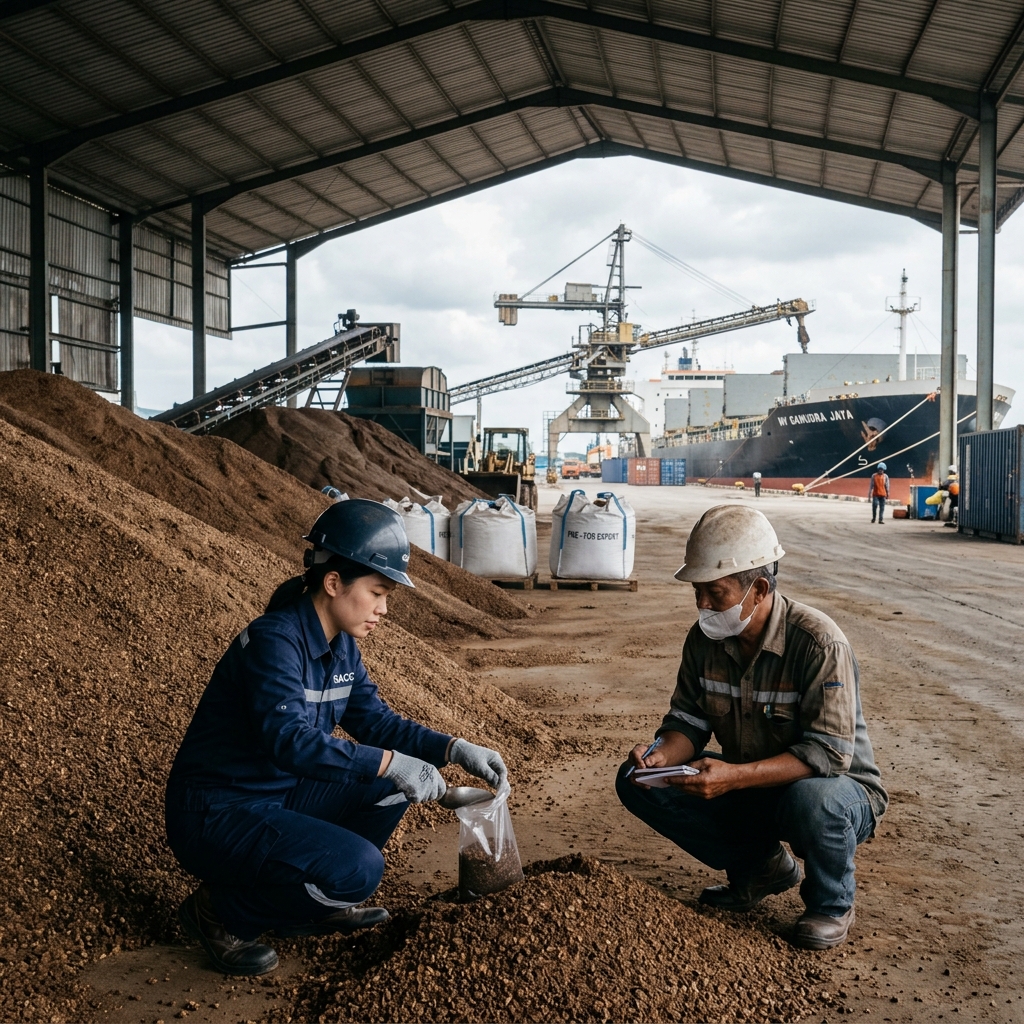
Securing a certified supply of معصرة نواة النخيل المعتمدة من قبل GACC is essential for international trading houses and feed mill operators supplying China’s agricultural sector in 2026. As the General Administration of Customs of the People’s Republic of China (GACC) enforces stringent biosecurity and quality control measures under Decrees 248 and 249, global importers must carefully evaluate facility registrations, nutritional consistency, and logistics protocols before executing bulk purchase contracts.
Palm kernel expeller (PKE), also recognized globally as palm kernel meal, has evolved from a secondary oil pressing byproduct into a primary energy and protein source for ruminant diets worldwide. China’s growing dairy and beef industries rely heavily on bulk feed imports to sustain herd productivity while managing feed conversion costs. According to market data from the دائرة الزراعة الخارجية التابعة لوزارة الزراعة الأمريكية, East Asian demand for plant-based meal proteins has remained robust, making compliant sourcing a critical priority for commercial feed manufacturers.
What Is GACC Approved Palm Kernel Expeller?
معصرة نواة النخيل المعتمدة من قبل GACC is a high-energy, protein-rich animal feed ingredient derived from the mechanical extraction of oil from dried palm kernels, produced exclusively by overseas processing mills registered with China’s customs administration. Featuring an average crude protein content of 14% to 18% and neutral detergent fiber (NDF) exceeding 50%, it provides an ideal dietary balance for cattle, dairy cows, sheep, and swine formulations.
To enter the Chinese mainland market, processing mills located in major producing countries like Indonesia and Malaysia must obtain official GACC facility accreditation. This regulatory approval confirms that the processing facility adheres to strict sanitary, phytosanitary, and traceability standards, guaranteeing freedom from pathogenic contamination, illegal chemical residues, and excessive mycotoxin levels.
Technical Definition & Feed Classification
In commercial livestock feed formulations, expeller meal occupies a unique position between high-protein meals like soybean meal and high-energy grains like corn. Because it is produced via mechanical pressing rather than solvent extraction, it retains a residual oil content of 6% to 9%, delivering digestible fat alongside structural carbohydrates.
Sourcing GACC Approved Palm Kernel Expeller from Overseas Mills
Procuring verified feed bulk shipments requires selecting an established معصرة نواة النخيل producer with an active overseas plant registration. Working with the best indonesian GACC approved palm kernel expeller supplier guarantees that cargo passes biosecurity checks at load port and discharge destination without delay.

Why GACC Compliance Matters for PKE Importers
Importing feed ingredients into China without verified GACC registration results in immediate port rejection, customs impoundment, or mandatory cargo destruction. The GACC administrative framework mandates that every processing site, bulk storage facility, and exporter maintain an active registration number accessible via the official China Import Food Enterprises Registration system.
Furthermore, Chinese buyers demand rigorous verification of heavy metal limits, aflatoxin content, and foreign matter percentages. Contracting with certified suppliers ensures that shipments fulfill standard quarantine inspections conducted at major discharge hubs like Shanghai, Qingdao, and Tianjin ports.
Regulatory Mandates Under Decree 248 and Decree 249
Decree 248 governs the registration and administration of overseas manufacturers of imported food and feed, requiring mandatory facility audits by foreign competent authorities. Meanwhile, Decree 249 enforces strict food safety and biosecurity measures, placing full accountability on overseas processing plants for traceability from raw nut crushing to vessel loading.
Every commercial invoice and phytosanitary declaration must prominently display the official GACC registration facility code. Any discrepancy between maritime documentation and customs database records will automatically block customs entry declarations in mainland ports.
In addition to standard PKE bulk shipments, commercial buyers often evaluate complementary fat and fiber sources to formulate optimized livestock feeds. For instance, combining high-fiber meal options with specialized supplements like أملاح الكالسيوم للأحماض الدهنية لزيت النخيل enables animal nutritionists to raise energy density without compromising rumen fermentation health.
Key Technical Specifications for GACC Approved Palm Kernel Expeller
When reviewing commercial offers for معصرة نواة النخيل المعتمدة من قبل GACC, purchasing agents must compare technical datasheets against standardized national animal feed parameters. The physical and chemical profile directly influences palatability, shelf stability, and metabolizable energy density.
As documented in animal science research published by ساينس دايركت, the fiber structure of mechanical expeller meal offers unique slow-release digestion properties, making it safer against ruminal acidosis compared to fast-fermenting starch grains.
Protein, Fiber, and Moisture Standards
Meeting international crude protein PKE specifications requires controlled pressing parameters during kernel processing. Furthermore, keeping strictly within animal feed moisture content standards prevents fungal growth and heating during long ocean transits across tropical sea lanes.
| المعلمة | درجة تصدير قياسية | درجة GACC الممتازة | Testing Method |
|---|---|---|---|
| البروتين الخام (CP) | Min 14.0% | Min 16.0% | Kjeldahl / ISO 5983 |
| Crude Fat / Residual Oil | 6.0% – 8.0% | 7.0% – 9.5% | Soxhlet / ISO 6492 |
| الألياف الخام (CF) | Max 18.0% | الحد الأقصى 15.0% | ISO 6865 |
| محتوى الرطوبة | الحد الأقصى 12.0% | الحد الأقصى 10.0% | 103°C Oven / ISO 6496 |
| بروتين + دهون | الحد الأدنى 21.0% | Min 23.5% | Calculated |
| Aflatoxin B1 | الحد الأقصى 50 جزءًا في المليار | Max 20 ppb | HPLC / ELISA |
| Sand & Silica (Ash) | Max 5.0% | Max 3.0% | ISO 5984 |
Maintaining moisture levels below 10% to 12% is especially vital during palm kernel meal bulk export shipments. Excessive moisture encourages mold proliferation and self-heating inside vessel holds, degrading overall feed value and risking customs quarantine rejection upon arrival.

Global Price Factors and Market Analysis (2026)
Pricing for معصرة نواة النخيل المعتمدة من قبل GACC in 2026 depends on raw material availability, ocean freight trends, seasonal harvest peaks in Southeast Asia, and competing feed grain prices such as soybean meal and corn. Importers typically contract PKE on FOB (Free on Board) or CIF (Cost, Insurance, and Freight) terms.
GACC Certified PKE Price Per Ton 2026 Dynamics
Analyzing the GACC certified PKE price per ton 2026 trends reveals that verified mills maintain structured pricing premiums due to audit compliance expenses. Procurement managers must analyze several key pricing drivers to time bulk orders effectively:
- Crude Palm Oil (CPO) Milling Cycles: Peak palm fruit harvesting seasons in Sumatra and Kalimantan increase fresh fruit bunch milling, raising PKE supply and softening FOB spot prices.
- GACC Compliance Premium: Certified processing facilities often command a $5 to $12 per metric ton premium over non-registered mills due to audited quality control overheads.
- Bulk Freight Rates: Supramax and Handysize charter rates directly dictate final CIF China port prices.
- Alternative Meal Competition: Fluctuations in local Chinese copra or soybean meal valuations prompt feed mills to adjust inclusion rates dynamically. Importers frequently balance their portfolios with alternative ingredients such as وجبة جوز الهند when price ratios shift favorability.
- Refined Oils Integration: Processing complexes that produce refined energy products such as RBD CP8 olein alongside meal byproducts provide combined commercial contracts to global trading firms.
💡 Industry Video Guide: Quality Inspection Standards
Learn how international surveyors perform core sampling, moisture testing, and contamination checks for bulk agricultural vessel chartering. Watch our detailed procurement workflow overview video for expert guidance.
How to Import GACC Approved Palm Kernel Expeller to China (5-Step Guide)
فهم how to import GACC approved palm kernel expeller to china involves systematically confirming facility credentials and contract parameters to guarantee uninterrupted port clearance. International buyers follow a standardized 5-step sourcing strategy:
- Verify Supplier GACC Registration: Cross-check the manufacturer’s 18-digit GACC registration code against the official decree database published by the General Administration of Customs of China.
- Request Independent Lab Analysis: Obtain recent Certificate of Analysis (COA) documents from accredited third-party surveyors such as SGS, Sucofindo, or Intertek, confirming profat, moisture, and heavy metal safety parameters.
- Establish Shipping Specifications: Confirm vessel loading rates, hold cleanliness certificates, and fumigation protocols (e.g., Methyl Bromide or Phosphine treatment) prior to ocean voyage.
- Issue Biosecurity Documentation: Ensure the origin country’s quarantine authority provides a valid Phytosanitary Certificate detailing non-GMO status and freedom from weed seeds.
- Execute Import Customs Clearance: Present mandatory documentation (Bill of Lading, Phytosanitary Certificate, COA, GACC Registration declaration) to China Customs at the destination port.
Additionally, agricultural processing ventures interested in biomass fuel sources alongside animal feed supply chains often evaluate industrial energy products like قشرة نواة النخيل to optimize combined vessel logistics from Southeast Asian ports. Furthermore, agricultural operations utilizing organic growing substrates frequently balance bulk freight shipments with premium جوز الهند supplies.

Nutritional Advantages of GACC Approved Palm Kernel Expeller in Ruminant Diets
دمج معصرة نواة النخيل المعتمدة من قبل GACC into commercial dairy and beef cattle rations yields noticeable metabolic benefits. Global dietary guidelines from the منظمة الأغذية والزراعة (الفاو) highlight PKE as an effective feed resource that offers digestive safety and cost efficiency.
Ruminant Feed Ingredient China Standards & TMR Formulations
As a widely approved ruminant feed ingredient china nutritionists utilize PKE in Total Mixed Rations (TMR). Its high content of insoluble fiber promotes rumination and stable rumen pH levels, reducing reliance on expensive forage roughage.
Benefits for Dairy Cattle:
PKE contains high levels of digestible neutral detergent fiber and medium-chain fatty acids. When fed to dairy cows at recommended inclusion rates of 15% to 30%, it supports milk fat synthesis without triggering ruminal acidosis—a common hazard associated with high-starch cereal diets.
Benefits for Beef Cattle:
For feedlot beef cattle, expeller meal serves as an economical bulk energy source. Its moderate crude protein profile assists growth rates, while the residual oil content (7-9%) increases total digestible nutrient (TDN) values, lowering total cost per kilogram of weight gain.
Leading global buyers rely on an experienced indonesian PKE exporter china trade partner to maintain consistent monthly bulk shipments across all seasons.

مكمور أمانة سجيتيرا نُقدّم منتجات نخيل عالية الجودة مثل مُستخلص نواة النخيل، وقشور نواة النخيل، وزيت النخيل الخام، وزيت نواة النخيل، وغيرها. يُرجى التواصل معنا على واتساب +6282140002198 أو راسلنا عبر البريد الإلكتروني على admin@makmuramanah.co.id.
الأسئلة الشائعة
What is GACC approved palm kernel expeller?
معصرة نواة النخيل المعتمدة من قبل GACC is a nutrient-dense animal feed byproduct generated during palm nut oil extraction, produced by overseas mills accredited by China’s General Administration of Customs. It meets strict biosecurity, protein, fiber, and low-mycotoxin standards required for export into China.
How can buyers verify a supplier’s GACC registration status?
Buyers can verify registration status by requesting the supplier’s 18-digit GACC registration code and cross-referencing it directly on China’s official Single Window import food enterprise database system before executing commercial purchase contracts.
What is the typical protein and moisture level of export PKE?
Export-grade PKE typically features crude protein between 14% and 18%, crude fat between 6% and 9%, and maximum moisture restricted to 10-12% to prevent mold proliferation and spoilage during bulk ocean transportation.
Why is PKE popular in Chinese livestock production?
PKE offers an economical balance of digestible fiber and bypass protein. Its slow fiber fermentation pattern helps prevent ruminal acidosis in dairy and beef cattle, making it a reliable, cost-effective substitute for higher-priced grain proteins.
What packaging options are available for bulk PKE shipments?
PKE is typically shipped in bulk vessel holds (5,000 to 20,000 MT chartering), 50 kg woven polypropylene bags, or 1-ton jumbo bags packed inside 20-foot or 40-foot ocean containers for flexible port handling.
خاتمة
Navigating the global agricultural market requires balancing quality assurance, biosecurity compliance, and competitive logistics. Sourcing high-grade معصرة نواة النخيل المعتمدة من قبل GACC enables animal feed manufacturers to secure stable crude protein and dietary fiber reserves while adhering strictly to Chinese regulatory standards. By partnering with certified processing facilities and verifying physical parameters prior to shipment, international procurement teams can optimize feed performance and mitigate supply chain risks in 2026.
 Arabic
  English
  Indonesian
  Chinese