جدول المحتويات
جدول المحتويات
In the search for sustainable and cost-effective animal feed, byproducts from food production have become invaluable. This article provides the ultimate 2025 guide to the القيمة الغذائية لإكسبيلر نواة النخيل (PKE), a significant byproduct of the palm oil industry. Understanding its composition is crucial for farmers and nutritionists aiming to optimize livestock diets while managing costs effectively.
Palm kernel expeller is gaining traction globally as an alternative to more traditional feedstuffs like soybean meal and corn. Its unique nutritional profile offers a blend of protein, fiber, and energy that can be highly beneficial, especially for ruminant animals. Let’s explore the specifics of what makes PKE a viable option for modern agriculture.
ما هو مستخلص نواة النخيل (PKE)؟
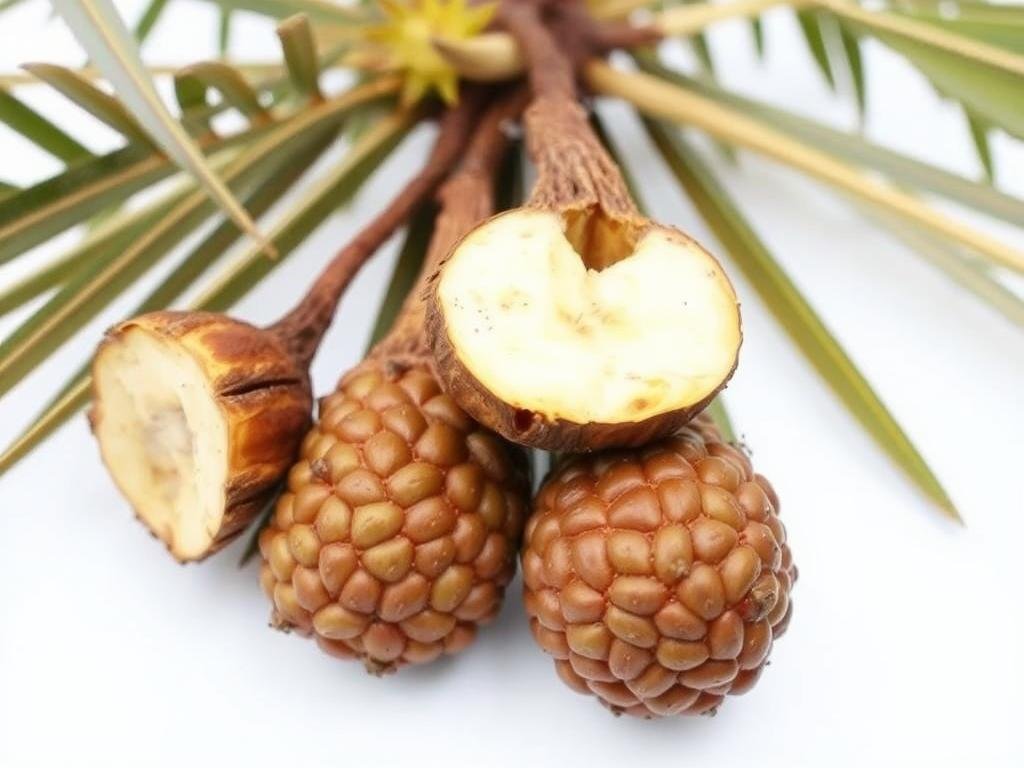
Palm Kernel Expeller, often abbreviated as PKE, is the solid residue left after the mechanical extraction of oil from the نواة النخيل of the oil palm fruit. The entire process begins with the عناقيد ثمار نخيل الزيت and yields multiple valuable products, including زيت النخيل الخام و زيت نواة النخيل. This extraction process, known as expeller pressing, physically squeezes the oil from the crushed kernels, leaving behind a protein-rich, fibrous material perfect for animal feed.

It’s important not to confuse PKE with Palm Kernel Cake, which is typically produced using solvent extraction. The mechanical pressing method used for PKE results in a higher residual oil content, which directly enhances its energy value. A consistent analysis of its nutritional profile is key to its successful use in feed formulations.
The Ultimate Nutritional Value of Palm Kernel Expeller: 2025 Analysis
The composition of معصرة نواة النخيل can vary based on the oil extraction efficiency and the type of palm kernel processed. However, a typical analysis provides a solid baseline for nutritionists. Below is a summary of PKE’s average nutritional composition.
| العنصر الغذائي | متوسط النسبة المئوية (%) |
|---|---|
| Dry Matter | 90-92% |
| البروتين الخام (CP) | 14-18% |
| الألياف الخام (CF) | 16-20% |
| Ether Extract (Fat) | 5-12% |
| رماد | 4-6% |
| الفوسفور | 0.5-0.7% |
| الكالسيوم | 0.2-0.3% |
This table highlights PKE’s status as a moderate-protein, high-fiber, and energy-dense ingredient. This unique combination makes it particularly suitable for certain types of livestock, which we will explore further.
Deep Dive: Key Components Affecting PKE’s Nutritional Value
Moderate Crude Protein
With a crude protein content of 14-18%, PKE serves as a valuable protein source. However, its amino acid profile is not perfectly balanced for monogastric animals like poultry and pigs, as it is relatively low in essential amino acids such as lysine and methionine. Therefore, supplementation is often required for these species. For ruminants, the microbial protein synthesis in the rumen helps compensate for these deficiencies, making its overall nutritional profile very favorable for cattle and goats.
High Crude Fiber
The high crude fiber content (16-20%) is a defining characteristic of PKE. While this limits its use in high percentages for poultry, it’s a significant advantage for ruminants. The fiber promotes healthy rumen function, aids in cud chewing, and supports gut motility. According to a study published in the Journal of Animal Feed Science and Technology, this fiber is a source of slow-release energy, preventing digestive upsets associated with high-starch feeds.
Valuable Energy from Fat and Fiber
The residual oil (5-12%) makes PKE an excellent source of energy. This fat content contributes to the feed’s caloric density, helping animals meet their energy requirements for growth, lactation, and maintenance. The combination of energy from both fat and fermentable fiber makes PKE’s nutritional value particularly robust for dairy and beef cattle.
Mineral Composition
PKE is a good source of essential minerals like phosphorus, potassium, and magnesium. However, it is naturally low in calcium. When formulating rations with high levels of PKE, it is critical to supplement with a calcium source, such as limestone, to ensure a proper calcium-to-phosphorus ratio, which is vital for bone health and metabolic functions. The منظمة الأغذية والزراعة (الفاو) provides extensive data on the mineral requirements for various livestock species.
3 Proven Benefits of Using PKE in Animal Diets
1. Unbeatable Cost-Effectiveness
One of the primary drivers for PKE’s popularity is its price. It is almost always more affordable than conventional protein and energy sources like soybean meal, corn, and barley. This allows feed manufacturers and farmers to lower production costs without compromising the core nutritional value of PKE-based rations.
2. Sustainability and Waste Reduction
Using PKE is an excellent example of upcycling. It converts a byproduct from the massive palm oil industry into a valuable feed ingredient, reducing waste and promoting a more circular economy. By utilizing byproducts like PKE and قشرة نواة النخيل, the livestock and energy sectors contribute to a more sustainable agricultural system.
3. Ideal for Ruminant Nutrition
The high fiber and moderate protein content make PKE a near-perfect ingredient for ruminants. It supports a healthy rumen environment, reduces the risk of acidosis common with high-grain diets, and provides a steady supply of energy and protein. The full القيمة الغذائية لإكسبيلر نواة النخيل is best realized in cattle, sheep, and goat diets.
المحددات والاعتبارات الهامة
Despite its benefits, PKE has some limitations. Its gritty texture can sometimes lead to lower palatability. This can be easily overcome by mixing it with more palatable ingredients like molasses. For monogastric animals, its use is limited by the high fiber content and poor amino acid profile, requiring careful formulation and supplementation.
Furthermore, due to its high oil content and tropical origin, PKE can be susceptible to spoilage and mycotoxin contamination if not stored properly. It is crucial to source PKE from reputable suppliers who follow strict quality control measures. The منظمة الصحة العالمية (WHO) provides detailed information on the risks of mycotoxins in the food chain.
How to Safely Incorporate PKE into Livestock Feed
Introducing PKE into animal diets should be done gradually to allow the digestive system to adapt. The ideal inclusion rate varies significantly by animal type.
- ماشية التسمين (الأبقار): Can be included up to 50% of the total ration.
- أبقار الحليب: Typically limited to 10-20% to avoid any potential impact on milk flavor, though research from Penn State Extension has explored various levels.
- الدواجن والخنازير: Best kept below 10% of the diet and used with supplemental amino acids and enzymes.
Always consult with an animal nutritionist to create a balanced diet that leverages the nutritional benefits of PKE while meeting the specific needs of your livestock.

مورد منتجات النخيل الموثوق به
هل تبحث عن منتجات النخيل عالية الجودة؟
توفر Makmur Amanah Sejahtera منتجات نخيل عالية الجودة مثل Palm Kernel Expeller وPalm Kernel Shell وCrude Palm Oil وPalm Kernel Oil وغيرها. يرجى التواصل معنا عبر WhatsApp على الرقم +6282140002198 أو مراسلتنا عبر البريد الإلكتروني admin@makmuramanah.co.id.
الأسئلة الشائعة