
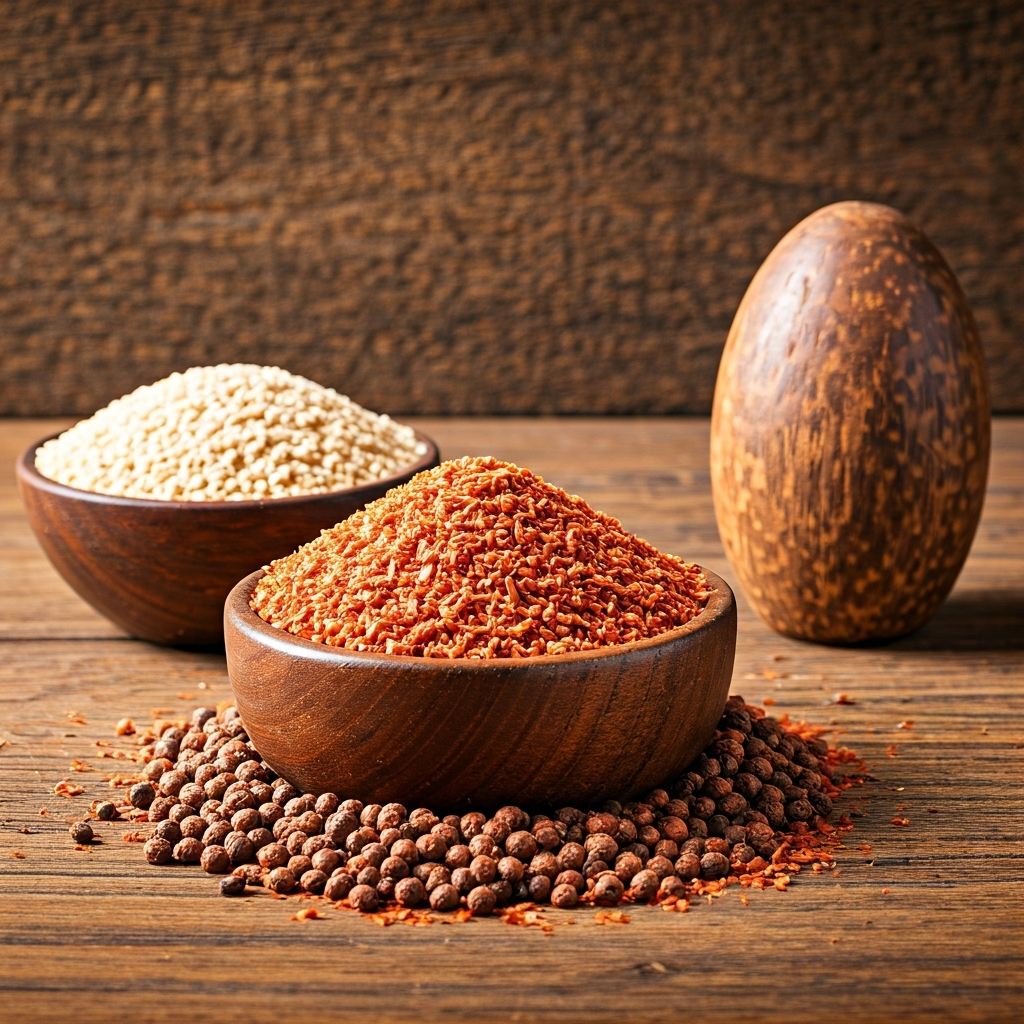
Copra Meal: 7 Powerful Uses for Livestock (2026 Guide)
وجبة جوز الهند is one of the most underrated yet powerful ingredients in the global feed industry. For farmers and livestock managers seeking a cost-effective, high-protein supplement, understanding this coconut byproduct is crucial for optimizing animal nutrition and operational profitability in 2026.
Many struggle to find sustainable feed sources that deliver consistent results without inflating costs. The challenge lies in balancing nutritional value with budget constraints—a problem that directly impacts animal growth, milk production, and overall herd health. This guide provides the definitive solution, exploring every facet of this valuable feedstuff from its production to its practical application.
What Exactly is Copra Meal? A Foundational Overview
At its core, this valuable feed ingredient is the byproduct of oil extraction from dried coconut flesh, known as copra. It is not simply waste; it is a valuable feed ingredient with a rich history of use in tropical regions. According to the منظمة الأغذية والزراعة (الفاو), it represents a significant protein source for livestock globally. This section breaks down its origins and production.

From Coconut to Copra: The Production Process
The journey begins with mature coconuts. The flesh is removed and dried through various methods to create copra. This drying process is critical as it reduces the moisture content significantly, making oil extraction possible and stabilizing the material for storage and transport.
Key drying methods include:
- Sun-drying: A traditional, low-cost method used in arid climates.
- Smoke-drying: Imparts a distinct aroma and helps preserve the copra.
- Kiln-drying: A more controlled, industrial method that produces a higher-quality product.
Once the copra is ready, it undergoes oil extraction. The method of extraction directly influences the nutritional quality of the final meal, particularly its residual oil content, which is a key energy source for animals.
Mechanical vs. Solvent Extraction
There are two primary methods for extracting oil from copra. Mechanical extraction, using a screw press, physically squeezes the oil out. The resulting product is often called “copra cake” or “copra expeller” and typically retains a higher fat content (8-12%), making it richer in energy.
In contrast, solvent extraction uses a chemical solvent (like hexane) to leach the oil. This method is more efficient and leaves a lower residual fat content (2-4%) in the meal. The choice between them depends on the desired nutritional profile for the target animal.
Defining وجبة جوز الهند: More Than a Byproduct
To be precise, this feedstuff converts a post-extraction material into a cornerstone of livestock nutrition. It serves as an excellent source of protein, energy, and fiber. Unlike some other feed ingredients, it is highly palatable, encouraging consistent feed intake among animals.
The Nutritional Powerhouse: Deconstructing Its Profile
The effectiveness of any feed ingredient lies in its nutritional data. Copra meal offers a balanced profile that supports various physiological functions, from muscle development to lactation. Its composition makes it a versatile component in feed formulation for a wide range of livestock.
Protein Content and Amino Acid Profile
This coconut byproduct is prized for its substantial protein content, typically ranging from 20-26%. This protein is vital for muscle growth, tissue repair, and enzyme production. While it is not as rich in lysine and methionine as soybean meal, its arginine content is notably high, which plays a role in immune function. A scientific study on its nutritive value highlights its effectiveness when balanced with other protein sources.
Energy Value: Fats and Carbohydrates
The energy in the meal comes from its residual oil and digestible carbohydrates. The fat content not only provides concentrated energy but is also rich in medium-chain fatty acids (MCFAs), particularly lauric acid. These MCFAs are easily digestible and, as noted in research published on PubMed, possess antimicrobial properties that can help maintain gut health.
Essential Minerals and Vitamins
Furthermore, copra is a good source of essential minerals. It provides a significant amount of phosphorus, crucial for bone development and energy metabolism. It also contains trace minerals like manganese, copper, and selenium. While not rich in vitamins, it serves as a reliable carrier for vitamin premixes added during feed formulation.
Top 7 Benefits of Using Copra Meal in Animal Feed
Integrating this feed supplement into livestock diets offers a cascade of advantages that address both animal health and farm economics. Here are the top seven benefits that make it a compelling choice for 2026 and beyond.
- Cost-Effective Protein Source: It is often more affordable than soybean meal or fish meal, allowing for a significant reduction in feed costs without compromising on protein levels.
- Enhances Palatability: Animals find its sweet, nutty aroma appealing, which can lead to increased feed intake and better growth rates, especially in picky eaters.
- Improves Gut Health: The presence of mannan-oligosaccharides and lauric acid helps suppress pathogenic bacteria and promotes a healthy gut microbiome.
- Boosts Milk Production & Fat Content: In dairy cattle, the bypass protein and digestible fiber have been shown to support higher milk yields and increase milk fat content.
- مستدام وصديق للبيئة: As a byproduct of the coconut industry, using it reduces waste and promotes a circular economy. Sustainable products like جوز الهند also contribute to this ecosystem.
- Provides “Cool” Energy: The high fiber and fat content offer a slow-release energy source, ideal for performance horses and other working animals, reducing the risk of metabolic issues.
- Versatile Across Species: From ruminants to swine and even certain types of aquaculture, it can be effectively incorporated into a wide variety of diets.

Practical Applications: Which Animals Thrive on Copra Meal?
While versatile, the optimal inclusion rate of وجبة جوز الهند varies by species. Understanding these differences is key to unlocking its full potential and avoiding potential digestive issues. As a leading supplier of agricultural products, we have seen its successful application across numerous sectors.
It can be successfully used in diets for:
- Ruminants (Cattle, Goats, Sheep)
- الخنازير (الخنازير)
- Poultry (Chickens, Ducks)
- Aquaculture (Herbivorous Fish)
- Equine (Horses)
وجبة جوز الهند for Ruminants (Cattle, Goats, Sheep)
Ruminants are exceptionally well-suited to digest this feed. Its high fiber content is beneficial for rumen function, and its protein is a valuable resource for meat and milk production. For dairy cows, it can form up to 20% of the concentrate ration, supporting lactation with beneficial fats like أملاح الكالسيوم للأحماض الدهنية لزيت النخيل.
Swine Nutrition: A Valuable Ingredient
In pig diets, the meal can be used effectively, though its high fiber content limits its inclusion rate for young piglets. For growers and finishers, it can replace a portion of more expensive protein sources. The key is to balance the diet for essential amino acids like lysine.
Use in Poultry and Aquaculture
For poultry, inclusion levels are typically kept below 20% due to the fiber content, which can impact digestibility. However, its antimicrobial properties can be beneficial. In aquaculture, particularly for herbivorous fish like tilapia, the supplement serves as an excellent and affordable plant-based protein, reducing reliance on fishmeal.
Copra Meal vs. Palm Kernel Expeller: A Head-to-Head Comparison
Producers often weigh this coconut byproduct against other vegetable protein sources, most notably معصرة نواة النخيل (PKE). While both are tropical oilseed byproducts, they have distinct nutritional profiles and applications. Understanding their differences is crucial for precise feed formulation.
| يصف | وجبة جوز الهند | مستخلص نواة النخيل (PKE) |
|---|---|---|
| مصدر | Dried Coconut Flesh | Palm Nut Kernel |
| البروتين الخام | 20-26% | 14-18% |
| الألياف الخام | ~12% | ~16-18% |
| الدهون الخام | 6-10% (Expeller) | 8-10% |
| الاستساغة | High (sweet aroma) | معتدل |
This comparison shows that while both are valuable, the coconut-based meal generally offers higher protein and better palatability, whereas PKE is higher in fiber. The choice depends on the specific needs of the animal and the price point. For more information, you can explore our high-quality وجبة جوز الهند products.
Quality Control and Storage Considerations
To maximize the benefits of copra, sourcing high-quality material is essential. Poorly processed or stored meal can be susceptible to mold growth, which can lead to the development of mycotoxins like aflatoxin. As the منظمة الصحة العالمية warns, these toxins are harmful to animals.
Always source from reputable suppliers who conduct quality testing. When storing the meal, ensure it is in a cool, dry place away from direct sunlight to maintain its shelf life, which is typically around 6 months.
مكمور أمانة سجيتيرا توفر منتجات زيت النخيل عالية الجودة مثل معصرة نواة النخيل, قشرة نواة النخيل, Crude Palm Oil, Palm Kernel Oil, etc. Kindly contact us at واتساب +6282140002198 أو راسلنا عبر البريد الإلكتروني على admin@makmuramanah.co.id.
الأسئلة الشائعة (FAQ)

What is the main use of copra meal?
The primary use is as a protein supplement in animal feed. It is widely used for cattle, swine, and poultry to provide a balance of protein, energy, and fiber, making it a staple ingredient in livestock rations around the world.
Is copra meal a good source of protein?
Yes, it is considered a very good source of protein, typically containing between 20-26%. While its amino acid profile differs from soybean meal, it provides substantial protein for muscle growth and milk production, especially in ruminants.
Can you feed too much copra meal?
Yes, as with any ingredient, balance is key. Due to its fiber content and specific amino acid profile, it should be included at recommended rates for each species. Overfeeding can lead to dietary imbalances or reduced digestibility.
How does copra meal differ from palm kernel meal?
Copra meal comes from coconuts, while palm kernel meal comes from oil palm seeds. The coconut-based meal is generally higher in protein (20-26% vs 14-18%) and more palatable. Palm kernel meal is higher in fiber. Both are excellent.
What is the typical shelf life of Copra Meal?
When stored correctly in a cool, dry place, it has a good shelf life of about 6 months. Proper storage is crucial to prevent mold growth and the development of aflatoxins, so always source from reputable suppliers who conduct quality testing.
Conclusion: The Enduring Value of Copra Meal
In conclusion, the strategic use of وجبة جوز الهند remains a cornerstone of intelligent and profitable livestock management in 2026. Its powerful combination of high protein, digestible energy, and cost-effectiveness makes it an indispensable tool for farmers worldwide. From enhancing milk production in dairy herds to providing sustainable protein for swine and poultry, its benefits are clear and proven.
By understanding its nutritional profile, application, and quality requirements, you can optimize your feed formulations for better animal health and a stronger bottom line. Prioritizing quality-tested وجبة جوز الهند is a decision that pays dividends in performance and profitability, solidifying its place as a truly essential component in modern agriculture.
 Arabic
  English
  Indonesian
  Chinese