
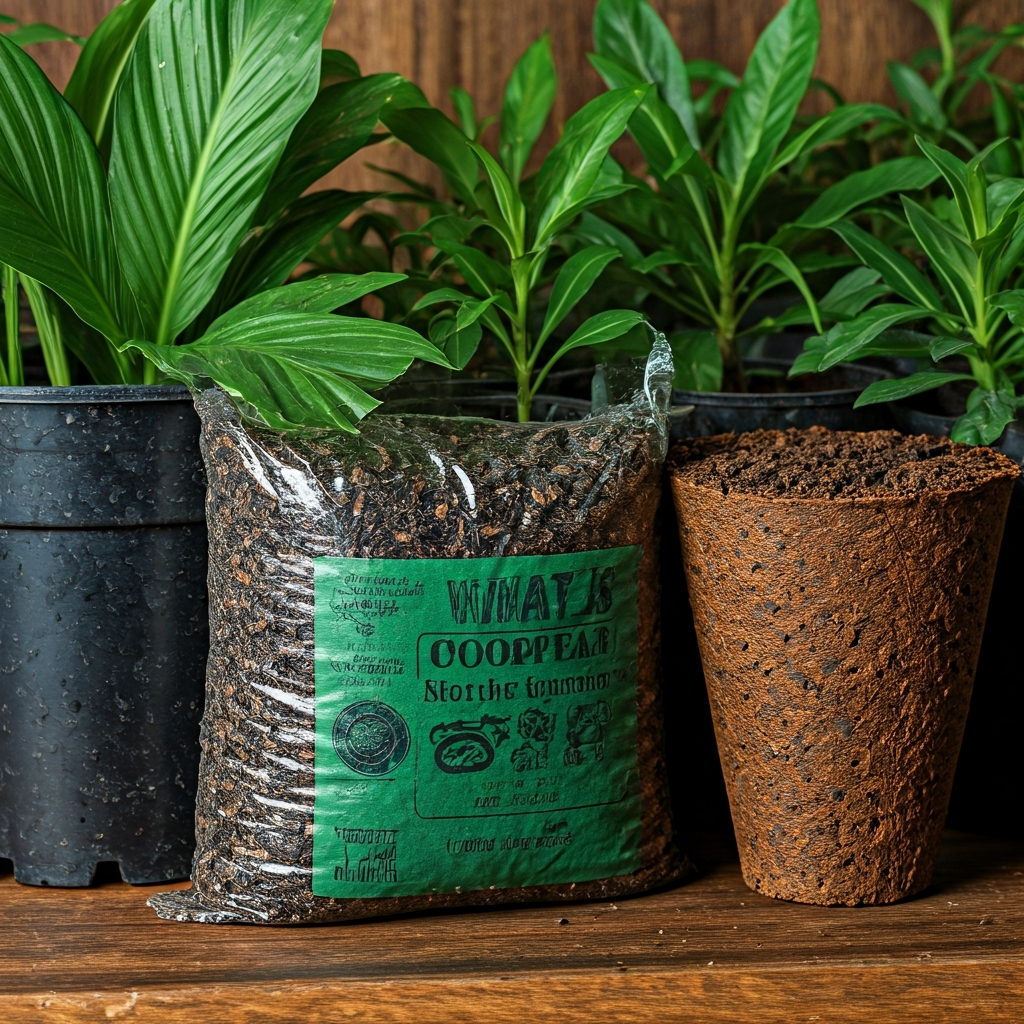
What is Cocopeat? A Complete Guide to Using It for Thriving Plants
So, what is cocopeat? It’s a 100% natural, sustainable growing medium made from coconut husks. Esteemed by gardeners in 2026, this powerful peat moss alternative promotes incredible plant health due to its superior water retention and aeration. This ultimate guide covers everything you need to know to make your plants thrive.
For decades, gardeners relied on peat moss, but its significant environmental toll has spurred a search for better options. Harvesting peat moss destroys peatland ecosystems, which are vital carbon sinks. A study in Global Change Biology revealed these peatlands store over twice the carbon of all the world’s forests. This fact has accelerated the shift towards greener alternatives.
Enter coco coir, a versatile byproduct of the coconut industry, ready to revolutionize how we grow everything from houseplants to hydroponic crops.
What is Cocopeat, Exactly? A Breakdown of Coconut Coir
Cocopeat is a 100% natural growing medium derived from the fibrous husk of a coconut. Also known as coco coir or coir pith, this material was once a waste product. Today, it’s celebrated for its properties that promote robust plant health. By using it, you’re not just helping your plants; you’re participating in sustainable agriculture that utilizes valuable resources like جوز الهند.
Understanding its production reveals why it’s a premium product. After coconuts are harvested, the remaining husks undergo a significant transformation.
From Husk to Horticulture: The Production Process
The journey from a tough coconut husk to a fluffy growing medium is a multi-step process. First, the husks are aged for months to soften. They are then processed to separate long fibers from the dusty pith and chunky chips.
This raw material is then washed repeatedly to reduce its natural salt content, a critical step creating “low EC” coir. Finally, it’s dried and compressed into blocks, bricks, or sold loose, ready for horticultural use.
الأنواع الثلاثة الرئيسية من ألياف جوز الهند
This growing medium isn’t one-size-fits-all. It comes in three primary forms, each with unique properties:
- Coir Pith/Peat: The most common type, it has a dense, soil-like texture and is excellent at retaining water, holding up to 10 times its weight.
- ألياف جوز الهند: These long, stringy strands improve aeration and drainage. They create vital air pockets in the soil for healthy root development.
- رقائق جوز الهند: Small chunks of the husk that act like a mix of pith and fiber. They retain water but also provide excellent drainage and airflow, similar to bark.
Most commercially available cocopeat products are a blend of these three types, optimized for a balanced water retention and aeration ratio.
[Image: A high-quality, close-up shot of the three types of cocopeat: fine pith, long fibers, and chunky chips, arranged side-by-side. Alt: The three types of cocopeat (pith, fiber, chips) answering the question ‘what is cocopeat’. Title: Types of Coco Coir.]
The 7 Undeniable Benefits of Using Cocopeat (2026 Update)
Why make the switch? The advantages of coco coir go far beyond being a “green” alternative. Here are seven evidence-based benefits that make it a superior choice for modern gardening.
- احتفاظ فائق بالماء: Its sponge-like structure means less frequent watering. It holds water in the root zone and releases it slowly, a game-changer for thirsty plants.
- Excellent Aeration and Drainage: Despite holding lots of water, its fibrous nature prevents waterlogging. It ensures roots get the oxygen they need, preventing root rot.
- Neutral pH Level: Most coco coir has a pH of 5.5 to 6.8. This is ideal for most plants to absorb nutrients, unlike acidic peat moss which requires lime.
- Sustainable and Renewable Resource: Coconuts are harvested year-round, making this a rapidly renewable resource. Its use reduces strain on fragile peat bogs, a point highlighted by agencies like the وكالة حماية البيئة.
- Naturally Anti-Fungal and Pest-Resistant: It contains natural lignins that encourage beneficial microorganisms while deterring harmful pathogens and pests.
- Easy to Store and Handle: Sold as compressed bricks, it’s lightweight and stores for years. Just add water, and a small brick can expand to over 15 gallons of medium.
- Incredibly Versatile: From starting seeds to amending clay soil or as a standalone medium for hydroponics, its applications are vast.
What is Cocopeat’s Edge? Cocopeat vs. Peat Moss vs. Soil
To truly understand the value, it’s helpful to compare this medium directly with traditional soil and peat moss. This table breaks down the key differences for a clear winner.
| ميزة | جوز الهند | الخث | Topsoil |
|---|---|---|---|
| الاستدامة | عالي (منتج ثانوي متجدد) | Low (Harvested from finite bogs) | Variable (Can cause erosion) |
| احتباس الماء | ممتاز | مرتفع جداً | Variable (Depends on clay/sand) |
| مستوى الرقم الهيدروجيني | Neutral (5.5 – 6.8) | Acidic (3.5 – 4.5) | عامل |
| Re-Wets Easily | Yes | No (Becomes hydrophobic when dry) | Yes |
| المحتوى الغذائي | Inert (Requires added nutrients) | Inert (Requires added nutrients) | Contains some nutrients |
| Lifespan in Soil | ~4-5 years | ~1-2 years | Permanent |
[Image: An infographic titled “Cocopeat: From Coconut to Garden”. It visually shows the process: 1. Coconut Harvest, 2. Husk Removal, 3. Aging/Processing, 4. Soaking/Buffering, 5. Ready-to-use medium. Alt: Infographic explaining the cocopeat production process from coconut to garden. Title: Cocopeat Production Infographic.]
How to Prepare and Use Cocopeat Blocks: A Step-by-Step Guide
Using coco coir is simple, but proper preparation is key. Follow these steps for perfect results.
- Choose the Right Block: Select a high-quality, washed, low-EC block. Low-quality bricks can contain high salt levels detrimental to plants.
- The Rehydration Process: Place your brick in a large container (like a wheelbarrow). Add the amount of warm water specified on the packaging. Watch as it expands over 15-30 minutes.
- Buffering (A Crucial Step): For hungry plants like tomatoes or for hydroponics, buffering is essential. After rehydrating, soak the coir in a Calcium and Magnesium (Cal-Mag) solution for 8-12 hours. This process displaces sodium, preventing nutrient lockout.
- Amend and Mix: Pure coco coir is inert. For most uses, mix it with other materials. A popular recipe is 40% cocopeat, 40% compost, and 20% perlite or قشرة نواة النخيل for added drainage.
Understanding What is Cocopeat’s Nutrient Needs
Because the medium is inert, you must supply all nutrients. When buffering, using a specialized Cal-Mag supplement designed for coir is best. This prevents common deficiencies. For fertilizing, mix in nutrient-rich compost or use a balanced liquid fertilizer regularly during the growing season. Some advanced growers even use أملاح الكالسيوم للأحماض الدهنية لزيت النخيل as part of a custom nutrient plan.
[Video: An embedded YouTube video showing a time-lapse of a compressed cocopeat brick expanding in water. Title: “How to Rehydrate Cocopeat in Minutes!”]
Common Mistakes When Using Cocopeat (And How to Avoid Them)
While extremely beneficial, new users can make a few common errors. Avoiding these pitfalls is key to getting the most from your growing medium.
1. Forgetting to Buffer or Rinse
Skipping the buffering step with a Cal-Mag solution is a frequent mistake, especially for sensitive plants. Unbuffered coir can hold onto calcium and magnesium, making them unavailable to your plants and leading to deficiencies. Always use high-quality, pre-washed and buffered coir if you want to skip this step.
2. Treating it Like Soil
Cocopeat holds water exceptionally well but is also prone to compaction over time if used alone. Always mix it with aeration materials like perlite, pumice, or even small قشرة نواة النخيل. This ensures plenty of air for the roots.
3. Over-Fertilizing or Not Fertilizing at All
Since coir is inert, it has no nutrients. You must provide them. However, it’s also sensitive to over-fertilization. Use a balanced, diluted fertilizer and monitor your plants. Starting with a mix that includes nutrient-rich amendments like compost or معصرة نواة النخيل can provide a gentle, slow-release source of food.
What is Cocopeat Best For? Top 5 Applications
The versatility of coco coir is a major selling point. Here are five top uses where it truly excels:
- Seed Starting: Its fine texture, water retention, and sterile nature make it perfect for germinating seeds without “damping-off” disease.
- Hydroponic Systems: بحسب الجمعية الملكية للبستنة, coir is a leading medium for hydroponics, giving growers complete nutrient control.
- Potting Mixes: It’s a superior, sustainable base for DIY potting soils for indoor and outdoor plants. A deeper understanding of what is cocopeat can help you create custom blends.
- Soil Amendment: Mixing it into heavy clay soil improves aeration. In sandy soil, it improves water and nutrient retention.
- Terrariums & Animal Bedding: Its absorbency and mold resistance make it a popular choice for reptile bedding. It is also related to other byproducts like وجبة جوز الهند.
[Image: A dramatic before-and-after shot. Left: a compact, dry cocopeat brick. Right: the same brick expanded into a large, fluffy pile of growing medium. Alt: Before and after rehydrating a cocopeat brick. Title: Cocopeat Brick Expansion.]
مكمور أمانة سجيتيرا توفر منتجات زيت النخيل عالية الجودة مثل معصرة نواة النخيل, قشرة نواة النخيل, Crude Palm Oil, Palm Kernel Oil, and RBD CP8. Kindly contact us at واتساب +6282140002198 أو راسلنا عبر البريد الإلكتروني على admin@makmuramanah.co.id.
الأسئلة الشائعة (FAQ)
1. What are the disadvantages of cocopeat?
The main drawbacks are its lack of nutrients, so you must add fertilizer. Low-quality coir can have high salt content, so buy from a reputable source. It may also compact over time if not mixed with an aerating material like perlite or pumice.
2. Can I mix cocopeat with soil?
Absolutely. Mixing this medium with garden soil is a great use. It improves the structure, water retention, and aeration of any soil type. A common ratio is one part cocopeat to two parts garden soil, adjusted based on your soil’s needs.
3. How long does cocopeat last?
It decomposes very slowly due to its high lignin content. When used in a pot or mixed into soil, it provides benefits for three to five years before breaking down, making it a very cost-effective soil amendment compared to peat moss.
4. Is cocopeat good for all plants?
This medium benefits the vast majority of plants, especially those thriving in moist but well-drained conditions. However, succulents and cacti that need very dry conditions may prefer a grittier mix with less water-retentive material.
5. Do I need to fertilize if I use cocopeat?
Yes. Coco coir is an inert medium with virtually no nutrients. You must provide all the nutrition your plants need via compost, worm castings, or a balanced liquid fertilizer. Think of it as the perfect house, but you have to provide the food.
Conclusion: The Future of Gardening is Here
The answer to “what is cocopeat?” is clear: it’s a revolutionary, sustainable, and effective growing medium that outperforms traditional options in nearly every way. From its exceptional water retention and aeration to its neutral pH and eco-friendly credentials, coco coir is an upgrade from peat moss.
By choosing to integrate this medium into your gardening, you are setting your plants up for success and supporting a more sustainable planet. Whether you’re a novice or a seasoned horticulturist, using cocopeat is a critical step toward a greener, more bountiful garden in 2026 and beyond.
[Image: A vibrant, thriving vegetable garden with lush green plants, subtly hinting that cocopeat is part of the healthy soil mix. Alt: A thriving garden grown using a cocopeat soil mix. Title: Garden with Cocopeat Mix.]
 Arabic
  English
  Indonesian
  Chinese