
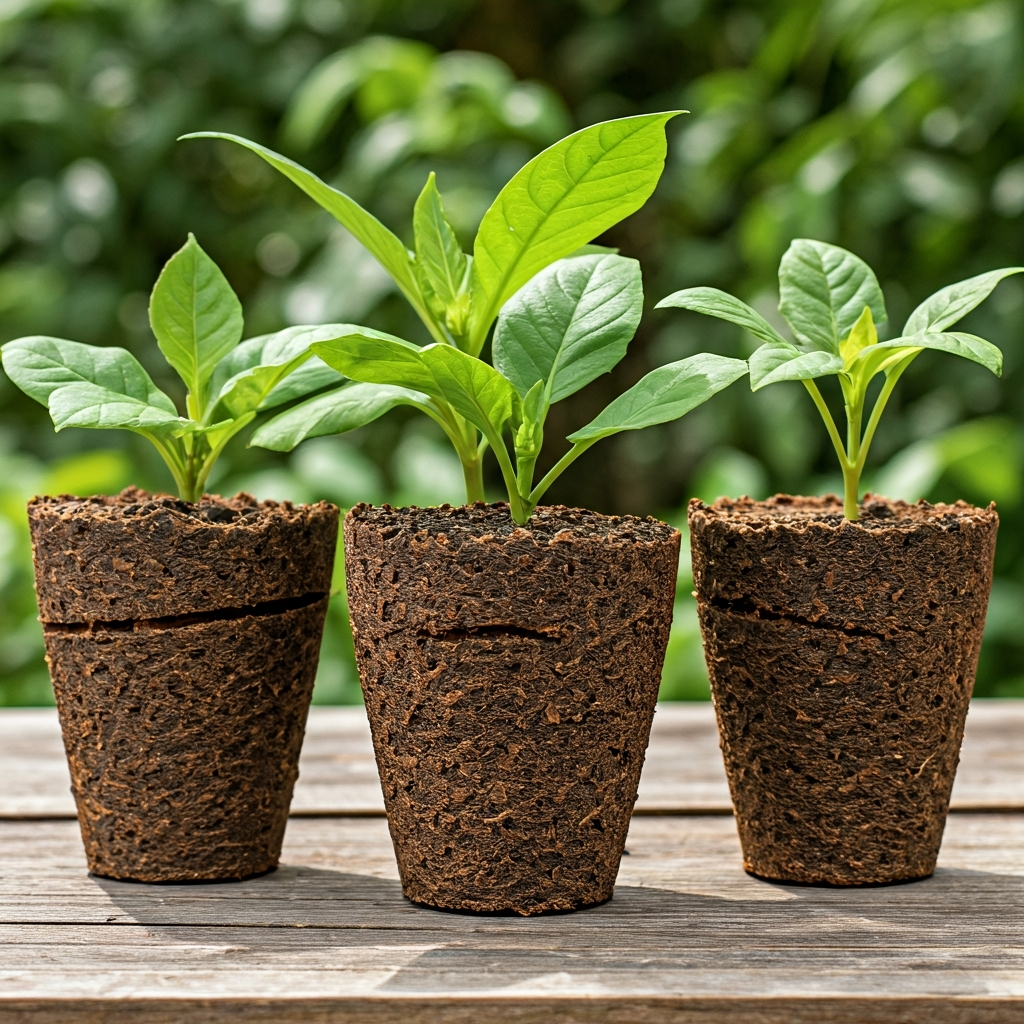
What is Cocopeat? The Ultimate Guide to Its Uses, Benefits, and How to Start
ما هو الكوكوبيت؟ In 2026, it’s the definitive answer for gardeners seeking a sustainable, high-performance alternative to traditional soil. If you’ve struggled with poor soil drainage, compaction, or finding an eco-friendly growing medium, you’ve just found the solution that can transform your gardening success.
The challenge for modern gardeners is immense. Urbanization has reduced available space, and topsoil quality is a growing concern. In fact, according to the UN’s Food and Agriculture Organization, a third of the planet’s soils are already degraded.
This has pushed horticulture innovators to perfect soilless growing mediums, and coco pith stands at the forefront of this green revolution. It’s not just dirt; it’s a precisely engineered substrate derived from the humble coconut.
What is Cocopeat, Exactly? A Deep Dive
Cocopeat is a 100% natural, multi-purpose growing medium made from the fibrous pith, or husk, of a coconut. For decades, this material was considered a waste byproduct of the coconut fiber industry. Today, it’s celebrated as a superior substrate for everything from home gardening and landscaping to large-scale commercial hydroponics.
Its unique physical and chemical properties make it an ideal soil conditioner or a standalone medium. The fibrous material undergoes extensive processing—including washing, drying, and sometimes buffering—to become the high-quality product gardeners trust. Unlike soil, which can be inconsistent, this substrate provides a sterile, stable, and predictable environment for plant roots to thrive. It’s often sold in compressed bricks that expand significantly when water is added.
[Image: A high-resolution close-up of dry, brown cocopeat in a block form next to its expanded, fluffy state in a pot. Title: Cocopeat Block Before and After Hydration. Alt Text: A block of compressed cocopeat next to fluffy, ready-to-use cocopeat for gardening.]
What Defines High-Quality Cocopeat? Key Properties
- pH Level: Naturally falls within a neutral range of 5.5 to 6.8, which is ideal for most plants without requiring pH adjustments.
- Electrical Conductivity (EC): Low EC, especially in high-quality washed coco pith, ensures it won’t contribute to salt buildup that can harm plant roots.
- Air-Filled Porosity (AFP): It maintains high levels of oxygen in the root zone even when fully saturated, preventing root rot.
- Water Holding Capacity (WHC): This material can hold up to 8-10 times its weight in water, releasing it slowly to the plant as needed.
The Science Behind Cocopeat: From Coconut Husk to Garden Gold
The transformation of a tough coconut husk into a fine, loamy growing medium is a testament to modern agricultural science. The process ensures the final product is clean, safe, and optimized for plant growth, far removed from the simple waste it once was.
First, coconut husks are aged to soften the fibers. They are then mechanically shredded to separate the long fibers (used for ropes and textiles) from the pithy dust and short fibers, which constitute the growing medium.
This raw material is then repeatedly washed to remove natural salts and tannins. For premium-grade products, a buffering process involving calcium nitrate is used to displace sodium and balance the cation exchange capacity, making nutrients more available to plants. Finally, it’s dried, graded by texture, and compressed into blocks for easy, cost-effective shipping.
7 Amazing Benefits of Using Cocopeat in Your Garden
Why has the adoption of this coconut-based medium skyrocketed? The advantages are clear, measurable, and impactful for both hobbyists and professionals. These benefits directly address the most common gardening pain points.
1. Unbeatable Water Retention
Coco pith acts like a sponge, dramatically reducing watering frequency. Its cellular structure locks in moisture, creating a water buffer that protects plants from underwatering and drought stress. This is especially beneficial in hot climates or for container gardening where soil dries out quickly.
2. Superior Root Zone Aeration
Unlike dense garden soil that compacts over time, this substrate remains light and airy. This structure allows for excellent oxygen flow to the root system, a critical factor for nutrient uptake and preventing anaerobic conditions that lead to root rot. A healthy root system is the foundation of a healthy plant.
3. مستدام وصديق للبيئة
As a byproduct of the coconut harvest, cocopeat is a renewable resource. Its use helps combat the over-harvesting of peat moss from fragile bog ecosystems. Choosing جوز الهند is a vote for sustainable horticulture and a healthier planet.
4. Neutral and Stable pH
The naturally neutral pH of the medium means it provides a perfect baseline for plants. You don’t have to worry about soil being too acidic or alkaline; it’s an ideal canvas, allowing you to tailor your nutrient regimen precisely to your plants’ needs.
5. Free From Pests and Pathogens
Because it is a soilless medium and processed under controlled conditions, high-quality coco pith is sterile. It is free from the weeds, soil-borne diseases, and pests that often plague garden soil, meaning a healthier start for seedlings and less reliance on pesticides.
6. Promotes Strong Root Growth
The light, friable texture encourages vigorous root development. Roots can easily penetrate and explore the medium, leading to a more robust and extensive root ball, which directly translates to a stronger, more productive plant above ground.
7. Reusable and Long-Lasting
High-quality coconut coir resists decomposition and can last for up to four years in a growing system. After a crop cycle, it can be rinsed, re-buffered if necessary, and used again, making it a cost-effective investment for long-term gardening projects.
[Image: An infographic showing the benefits of cocopeat with icons: a water droplet for retention, a leaf for eco-friendly, a pH scale for neutral pH, etc. Title: Infographic: Benefits of Cocopeat for Plants. Alt Text: Infographic detailing the key benefits of using cocopeat, including water retention and aeration.]
Cocopeat vs. Peat Moss vs. Soil: A Head-to-Head Comparison
To truly understand the value of coco pith, it’s helpful to compare it directly to other popular growing mediums. Each has its place, but its balanced profile often makes it the superior choice.
| ميزة | جوز الهند | الخث | تربة الحديقة |
|---|---|---|---|
| الاستدامة | عالي (منتج ثانوي متجدد) | Low (Harvested from ancient bogs) | Variable (Prone to degradation) |
| احتباس الماء | ممتاز | Excellent (but can be hydrophobic when dry) | Variable (Depends on clay/sand content) |
| مستوى الرقم الهيدروجيني | Neutral (5.5 – 6.8) | Acidic (3.5 – 4.5) | Highly Variable |
| Pest/Disease Risk | منخفض جداً | قليل | عالي |
| إمكانية إعادة الاستخدام | High (Up to 4 years) | Low (Decomposes faster) | Medium (Needs amending) |
How to Prepare and Use Cocopeat: A Step-by-Step Guide
Using this growing medium is simple, but proper preparation is key to unlocking its full potential. Compressed blocks need to be rehydrated before use.
- Select Your Product: Purchase a high-quality, low-EC cocopeat block or bag. For sensitive plants or hydroponics, opt for a buffered variety.
- Prepare a Container: Place the compressed brick in a large container, such as a wheelbarrow or a large tub. Remember it will expand up to 10 times its original volume.
- Add Water: Slowly add warm water to the brick. A typical 5kg (11 lb) brick will absorb around 25-30 liters (6-7 gallons) of water. The block will begin to swell and break apart.
- Fluff the Medium: Once fully expanded (typically after 20-30 minutes), break up any remaining chunks with your hands or a small rake. The final texture should be light, fluffy, and uniformly moist.
- Amend and Plant: Your coco pith is now ready. For most applications, you should mix it with nutrients or other amendments like perlite or compost to create a balanced growing medium. A 70/30 cocopeat-to-perlite mix is a classic recipe for container plants.
When discussing related agricultural byproducts, it’s interesting to note how the entire coconut is utilized. The process that gives us coco pith also yields وجبة جوز الهند from the dried kernel, another valuable resource in animal feed.
[Video Embed: A short, engaging video showing the process of hydrating a compressed cocopeat brick, transforming it from a small block to a large pile of fluffy medium. Title: How to Prepare Cocopeat in Under 2 Minutes! Alt Text: A tutorial video on rehydrating a brick of cocopeat for gardening.]
Advanced Applications for What Cocopeat Can Do
Beyond simple container gardening, what is cocopeat used for in more advanced settings? Its consistency and reliability make it a top choice for cutting-edge horticulture.
Hydroponics and Soilless Farming
This substrate is a star player in soilless cultivation. Its inert nature means it won’t interfere with precisely controlled liquid nutrient solutions. It provides perfect physical support for roots and the aeration needed to prevent waterlogging.
It’s ideal for various hydroponic methods, including:
- Drip systems
- Ebb and flow (flood and drain) systems
- Dutch bucket setups
Seed Starting and Propagation
The sterile and fine-textured environment of coco pith is perfect for germinating seeds and rooting cuttings. It provides consistent moisture and aeration, leading to higher success rates. Many commercial nurseries rely exclusively on cocopeat plugs for this reason.
[Image: A healthy, vibrant tomato plant growing in a pot filled with dark, moist cocopeat, showcasing lush green leaves and red fruit. Title: Tomato Plant Thriving in Cocopeat Medium. Alt Text: A thriving tomato plant growing in what is cocopeat, a superior growing medium.]
Mushroom Cultivation and Animal Bedding
The versatility of the material extends beyond plants. It is used as a casing layer in mushroom cultivation due to its high moisture retention and porosity. Furthermore, its absorbency and sterile nature make it an excellent bedding material for reptiles and other small animals, as well as a biomass fuel similar to قشرة نواة النخيل. This resourceful use of agricultural byproducts is also seen in products like معصرة نواة النخيل, which serves as valuable animal feed.
مكمور أمانة سجيتيرا نُقدّم منتجات نخيل عالية الجودة مثل مُستخلص نواة النخيل، وقشور نواة النخيل، وزيت النخيل الخام، وزيت نواة النخيل، وغيرها. يُرجى التواصل معنا على واتساب +6282140002198 أو راسلنا عبر البريد الإلكتروني على admin@makmuramanah.co.id.
الأسئلة الشائعة (FAQ)
What is the difference between cocopeat and coco coir?
Coco coir is the general term for all products from the coconut husk. Cocopeat is specifically the pithy, sponge-like material, while other coir products include longer fibers (for ropes) and chips (for aeration). Cocopeat is the most popular form for a growing medium.
هل جوز الهند مفيد لجميع النباتات؟
It is excellent for most plants, especially those that love moisture and good aeration, like vegetables, ferns, and tropicals. For succulents and cacti that prefer to dry out completely, you should mix it with a high percentage of drainage material like perlite or sand.
كم يدوم استخدام جوز الهند؟
Due to its high lignin content, high-quality material breaks down very slowly. It can be reused for 2-4 years before it starts to lose its ideal structure. This makes it a more durable and economical choice compared to other organic mediums that decompose faster.
Do you need to add fertilizers to cocopeat?
Yes. It is a nearly inert medium with very few nutrients on its own. This is an advantage as it gives you full control. You must provide all the nutrients your plants need through liquid fertilizers or by mixing in slow-release granules and compost.
Is cocopeat better than soil?
For container gardening and hydroponics, it is often superior to soil because it’s sterile, lighter, provides better aeration, and holds water more consistently. For in-ground gardening, it’s best used as a soil amendment to improve the structure and water retention of existing soil.
Conclusion: The Future of Gardening is Here
As we’ve seen, cocopeat is far more than just ground-up coconut husk; it’s a sophisticated, sustainable, and incredibly effective tool for modern gardeners. It offers unparalleled water retention, superior aeration, and a sterile, pH-neutral environment that sets plants up for success. By addressing the primary drawbacks of traditional soils and unsustainable peat moss, it opens up a world of possibilities for growing healthier plants with less effort and a smaller environmental footprint.
Whether you’re a beginner with your first container garden or a commercial grower optimizing a hydroponic system, understanding what is cocopeat and how to use it is a critical step toward better results. Embrace this amazing resource in 2026 and watch your garden thrive like never before. The journey to a greener thumb starts with the right foundation, and that foundation is cocopeat.
[Image: A side-by-side comparison shot. On the left, a struggling plant in compacted, dry soil. On the right, a healthy plant of the same type in fluffy cocopeat. Title: Plant Growth: Cocopeat vs. Traditional Soil. Alt Text: A visual comparison showing a healthier plant in a what is cocopeat medium versus traditional soil.]


 Arabic
  English
  Indonesian
  Chinese