
Copra Meal: The Ultimate Guide to Its Uses, Nutrition, and Benefits
وجبة جوز الهند is one of the most underrated yet powerful ingredients in the global feed industry. As farm operators and livestock managers seek sustainable, cost-effective nutrition, understanding this coconut by-product is no longer optional—it’s a competitive advantage.
The primary challenge for any agricultural operation is balancing animal nutrition with input costs. With volatility in traditional feed markets, many are searching for reliable alternatives that don’t compromise quality. This guide positions copra meal as a premier choice for modern agriculture, providing the definitive answer for optimizing your operation in 2024 and beyond.
What is Copra Meal and How Is It Made?
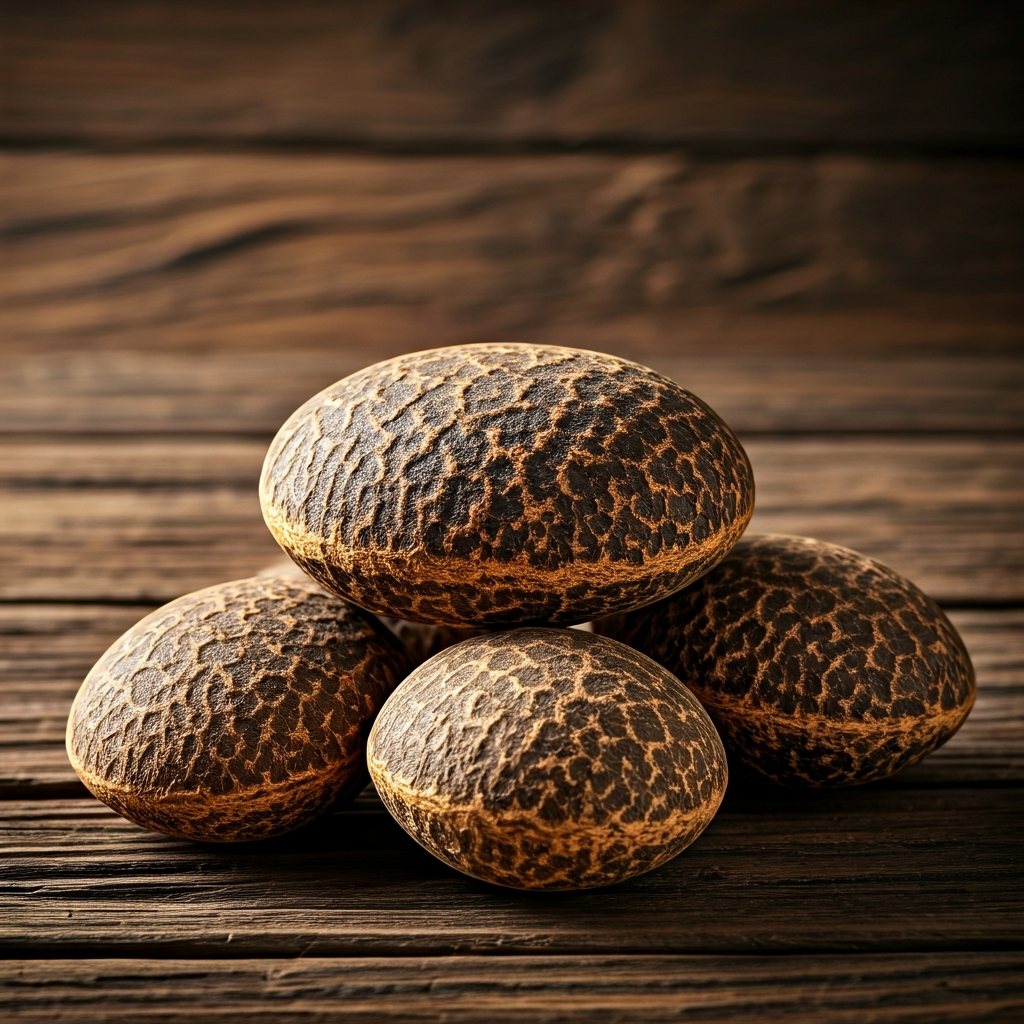
Copra meal is a valuable feed ingredient derived from the coconut palm (كوكوس نوسيفيرا). It is the by-product that remains after processors extract oil from the dried coconut kernel, known as copra. This meal is a powerhouse of protein and energy, making it an essential component in animal rations worldwide.
Often called “coconut meal” or “copra cake,” its value lies in a unique nutritional profile and role in sustainability. By using this by-product, we reduce waste and support a circular economy in the coconut industry. This approach has garnered significant attention, with the global demand for sustainable feed ingredients projected to increase significantly.

From Coconut to Meal: The Production Process
Transforming a fresh coconut into nutritious copra meal involves a multi-step process rooted in both traditional methods and modern technology. Understanding this is key to appreciating the final product’s quality.
- Harvesting and De-husking: Mature coconuts are harvested and their thick outer husks are removed.
- تجفيف: The coconut kernel is dried to reduce its moisture content, which turns it into “copra.” This critical step can be done through sun-drying, smoke-drying, or kiln-drying. The chosen method significantly impacts the quality and color of the final meal.
- استخلاص الزيت: Processors extract oil from the copra using a mechanical press (expeller) or solvent extraction. This determines the residual oil content and nutritional profile of the resulting meal.
- Grinding: The remaining solid material, the “copra cake,” is ground into a consistent, granular meal. This final product is the جوز الهند used in feed formulations.
[Video Suggestion]
Embedding a short video here showing the mechanical press process for copra meal production would enhance user engagement and understanding.
Copra Expeller vs. Solvent Extracted Copra Meal
The oil extraction method distinguishes the two primary types of copra meal. Mechanically pressed meal, or “copra expeller,” typically contains a higher residual oil content (6-12%), which translates to higher energy value. It is often considered a more natural and palatable option.
In contrast, solvent-extracted meal has a much lower fat content (typically 1-3%) because the solvent (usually hexane) is more efficient at removing oil. While lower in energy, it has a higher concentration of protein. The choice between them depends on the specific nutritional needs of the animal and the target cost of the feed formulation.
The Detailed Nutritional Profile of Copra Meal
The nutritional value of copra meal is its main selling point for livestock nutritionists. While variations exist based on production, its core components provide a solid foundation for a balanced diet. As a trusted source of protein and energy, it serves as a crucial element in optimizing animal health and productivity.

Macronutrient Breakdown (Protein, Fiber, Fat)
This coconut by-product offers a balanced mix of essential macronutrients vital for animal growth and maintenance. Its composition makes it a versatile ingredient suitable for a wide range of species.
- Protein: It contains a moderate level of crude protein, typically ranging from 20-26%. While not as high in lysine and methionine as soybean meal, it provides a good profile of other essential amino acids.
- Fiber: It is high in digestible fiber, which is particularly beneficial for ruminants. This fiber content aids in healthy gut function and provides a slow-release energy source.
- Fat (Energy): The residual oil makes it an excellent energy source. This fat is rich in medium-chain fatty acids (MCFAs) like lauric acid, which have known antimicrobial properties. For even more concentrated energy, some formulations include أملاح الكالسيوم للأحماض الدهنية لزيت النخيل.
Understanding Anti-Nutritional Factors in Copra Meal
Like many plant-based protein sources, copra meal contains certain anti-nutritional factors (ANFs), primarily non-starch polysaccharides (NSPs). However, the levels are relatively low, and modern processing can further reduce their impact. Furthermore, for ruminants like cattle, the rumen microbes are highly effective at breaking down these compounds, unlocking the full nutritional potential of the meal.
Top 7 Benefits of Using Copra Meal in Animal Feed
دمج جوز الهند into livestock rations offers a multitude of advantages that go beyond basic nutrition. These benefits directly impact farm profitability, animal welfare, and sustainability, making it a strategic choice for forward-thinking agricultural enterprises.
- Cost-Effective Protein Source: It often presents a more economical alternative to traditional protein sources like soybean meal, helping to lower overall feed costs without sacrificing quality.
- Boosting Dairy Production: For dairy cows, the combination of digestible fiber and bypass protein has been shown to support higher milk yield and improved milk fat content.
- Enhancing Poultry and Egg Quality: In poultry, it serves as a valuable feed ingredient. The unique fatty acid profile can contribute to better yolk color and overall bird health.
- A Sustainable Feed Alternative: As a by-product, it promotes a zero-waste ethos. Its use reduces the environmental burden of feed production and supports a circular economy, much like using جوز الهند in horticulture.
- Benefits for Swine and Aquaculture: While inclusion rates must be managed carefully, it is also used in pig and fish diets, providing energy and protein to support healthy growth.
- High Palatability: The pleasant, slightly sweet aroma can improve the palatability of feed, encouraging higher intake and ensuring consistent nutrition.
- Improving Gut Health: The presence of lauric acid and mannan-oligosaccharides (MOS) from its fiber content can help promote a healthy gut microbiome by inhibiting pathogenic bacteria, a significant advantage for overall animal resilience.

Copra Meal vs. Palm Kernel Expeller: A Comparison
While both are tropical by-product feeds, it’s crucial not to confuse copra meal with معصرة نواة النخيل (PKE). They come from different plants and have distinct nutritional profiles. Understanding their differences is key to proper feed formulation.
| ميزة | وجبة جوز الهند | مستخلص نواة النخيل (PKE) |
|---|---|---|
| مصدر | Coconut Kernel (كوكوس نوسيفيرا) | Palm Nut Kernel (Elaeis guineensis) |
| البروتين الخام | 20-26% | 14-18% |
| الألياف الخام | ~12% | ~16% |
| الاستساغة | High (Sweet aroma) | Lower (Gritty texture) |
| الاستخدام الأمثل | Dairy, poultry, horses (high energy/protein) | Beef cattle, sheep (high fiber filler) |
Practical Guidelines for Feeding Copra Meal
To safely and effectively leverage the benefits of this feed ingredient, it is essential to follow species-specific feeding guidelines. Proper formulation ensures animals receive a balanced diet, maximizing performance while avoiding potential issues.
معدلات الإدراج الموصى بها
Inclusion rates vary significantly by animal type, age, and production goal. These are general guidelines and should be adapted by a qualified nutritionist:
- أبقار الألبان: Can be included up to 20-30% of the total concentrate mix.
- أبقار اللحم: Generally used at 15-25% of the ration.
- Poultry (Broilers/Layers): Typically limited to 5-10% due to its fiber content.
- الخنازير: Up to 15% in grower-finisher diets.
- خيل: Often fed as a “cool” energy source, making up to 20% of the feed.
Sourcing High-Quality Copra Meal for Your Farm
The quality of coconut meal can vary, so choosing a reliable supplier is paramount. Look for a product that is free from mold, has a pleasant smell, and a uniform color. Reputable suppliers will provide a nutritional analysis sheet. For consistent, premium quality, consider sourcing high-quality وجبة جوز الهند from trusted industry leaders.
الأسئلة الشائعة (FAQ)
What animals can eat copra meal?
Copra meal is a versatile feed ingredient suitable for a wide range of animals, including ruminants like dairy and beef cattle, sheep, and goats. It is also commonly used in diets for horses, poultry, and swine, though inclusion rates must be carefully managed for each species.
Is copra meal toxic to horses?
No, when used correctly, it is not toxic to horses. In fact, it’s prized as a “cool” energy source because it’s low in sugar and starch. It provides energy from fiber and oil, which is ideal for weight gain and performance without the “fizz” associated with high-grain feeds.
How much protein is in copra meal?
Copra meal features a beneficial crude protein level, typically ranging from 20% to 26%. This makes it an excellent mid-range protein source for animal feed. It effectively supplements rations to support crucial functions like muscle development, growth, and lactation in dairy animals.
What is the difference between copra meal and coconut flour?
While both come from coconut, copra meal is produced for animal feed after oil extraction from “copra.” Coconut flour, intended for human consumption, is made from fresh, defatted, and dried coconut meat, resulting in a finer texture and different nutritional specifications.
Conclusion: The Future is a Sustainable Feed System
In the landscape of modern agriculture, وجبة جوز الهند stands out as a uniquely valuable and sustainable feed ingredient. Its balanced nutritional profile, cost-effectiveness, and benefits for animal health make it an indispensable tool for farmers and nutritionists aiming for peak performance and profitability.
From boosting dairy yields to providing a safe, cool energy source for horses, its applications are broad and impactful. By integrating this powerful coconut by-product into feed rations, agricultural operations can achieve a competitive edge while contributing to a more sustainable global food system. The future of feed is about intelligently utilizing proven, powerful resources like copra meal.


 Arabic
  English
  Indonesian
  Chinese