
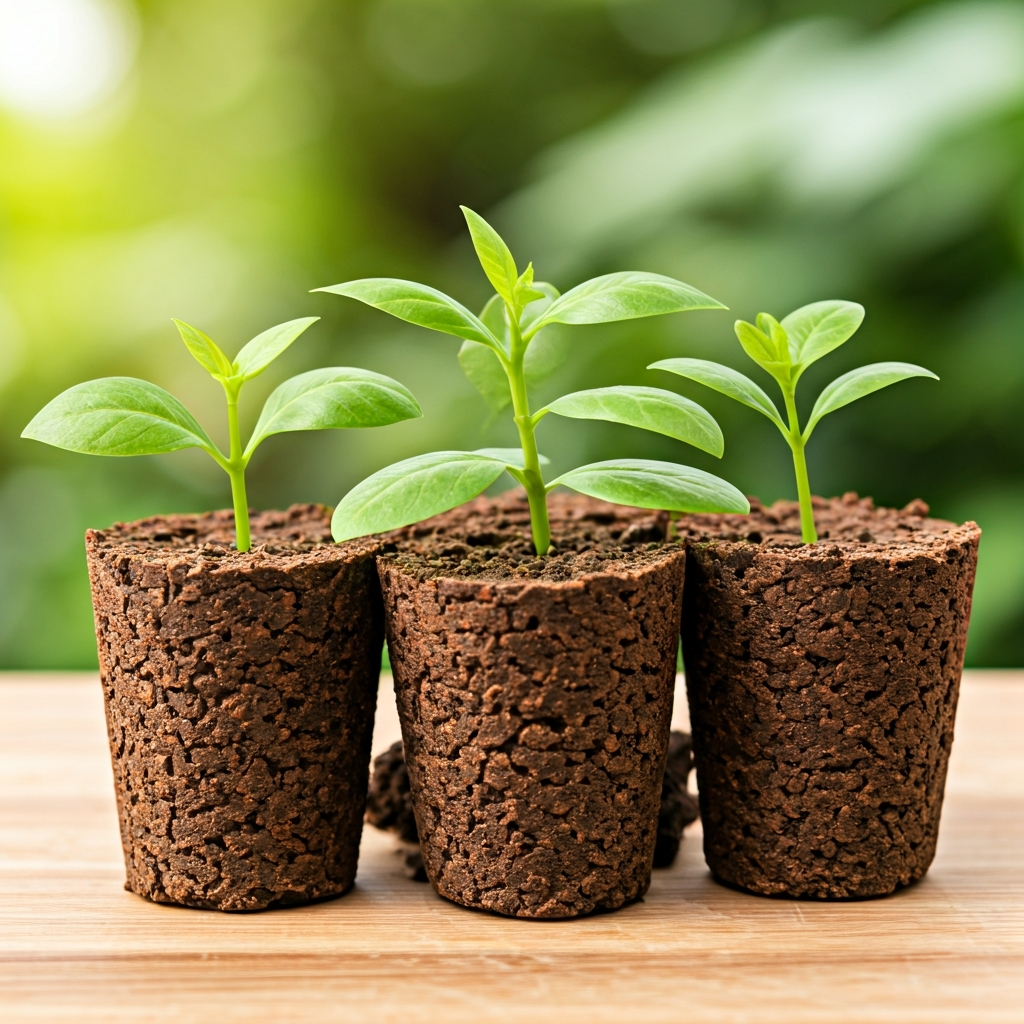
Cocopeat: The Complete Guide to Uses, Benefits, and How to Start
جوز الهند is a vital advancement in sustainable horticulture, yet most gardeners are just scratching the surface of its potential. If you’re struggling with poor soil drainage, inconsistent water retention, or the environmental impact of traditional growing media, you’ve found the solution.
This comprehensive 2026 guide will transform you into a cocopeat expert. We’ll empower you to boost plant health, increase yields, and embrace a truly eco-friendly gardening practice.
Research from the International Society for Horticultural Science shows that substrates based on coconut coir offer superior water retention and aeration. This makes them a top choice for modern agriculture. We will delve into everything from the science behind its benefits to the exact steps for preparing it perfectly for any application.
What is Cocopeat, Really? An In-Depth Look
At its core, cocopeat is a versatile, 100% natural growing medium derived from the fibrous husk of a coconut. Often referred to as coco coir or coir pith, this material was once a waste byproduct of the coconut industry. Today, it is celebrated as a premier soil amendment and soilless substrate, revolutionizing how we approach everything from container gardening to large-scale hydroponics.
Its unique properties make it an ideal alternative to traditional peat moss, which faces scrutiny for its environmental impact. This makes coco coir a cornerstone of sustainable agriculture and gardening practices worldwide.
The Journey of Cocopeat: From Husk to Garden Gold
The transformation begins after a coconut is harvested. The outer husk is separated and undergoes an aging and processing period. First, it is soaked to soften it. Then, it’s dried and shredded into various grades—pith, fibers, or chips.
This process results in a sterile, lightweight, and highly absorbent material. It provides a perfect balance of structure and moisture for plant roots. High-quality جوز الهند ensures a clean, consistent product for optimal results.
Decoding the Terms: Cocopeat vs. Coco Coir vs. Coir Pith
While often used interchangeably, these terms have subtle distinctions. ‘Coco Coir’ is the umbrella term for all products from the coconut husk. ‘Cocopeat’ or ‘Coir Pith’ specifically refers to the spongy, peat-like particles that are most common in gardening for their excellent water-holding capacity.
[Image: A detailed, high-resolution photo showing a block of compressed cocopeat next to a pile of the fluffy, rehydrated material. Title: Compressed vs. Expanded Cocopeat. Alt: A block of compressed Cocopeat ready for rehydration.]
7 فوائد مذهلة لاستخدام الكوكوبيت
The rise of this growing medium isn’t just a trend; it’s driven by a host of scientifically-backed benefits that lead to healthier plants and more sustainable gardening.
- احتفاظ مذهل بالماء: The medium can hold up to 10 times its weight in water, reducing watering frequency and ensuring a consistent moisture supply to plant roots.
- تهوية فائقة: Unlike dense garden soil, coco coir remains light and airy even when saturated. This structure provides essential oxygen to the root zone, preventing rot and promoting vigorous growth.
- مستدام بيئياً: As a byproduct of the coconut harvest, it is a rapidly renewable resource. Its use helps reduce the mining of peat bogs, preserving vital wetland ecosystems—a fact supported by environmental bodies like the EPA regarding wetland importance.
- مستوى حموضة (pH) محايد: Typically having a pH between 5.5 and 6.8, this substrate provides a perfect starting point for most plants, making it easier to manage nutrient solutions without drastic pH adjustments.
- Resistant to Pests and Diseases: The material is naturally anti-fungal and discourages common soil-borne pests. This leads to healthier plants with less need for chemical interventions, a core principle of Integrated Pest Management (IPM).
- يعزز النمو القوي للجذور: The unique combination of aeration and moisture encourages a robust and extensive root system, which is the foundation of a healthy plant.
- Long-Lasting and Reusable: Coco pith breaks down slowly over several years and can be rinsed and reused for multiple growing cycles, offering excellent long-term value.
الكوكوبيت مقابل البيتموس مقابل التربة: مقارنة مباشرة
Choosing the right growing medium is critical. While traditional soil has its place, specialized media like cocopeat and peat moss offer distinct advantages and disadvantages. This table provides a clear comparison for the informed gardener.
| ميزة | جوز الهند | الخث | تربة الحدائق |
|---|---|---|---|
| الاستدامة | عالية (منتج ثانوي متجدد) | Low (Non-renewable resource) | Variable (Can be depleted) |
| احتباس الماء | ممتاز | جيد جداً | Variable (Often compacts) |
| مستوى الرقم الهيدروجيني | معتدل (5.5-6.8) | حمضي (3.5-4.5) | متغير |
| قابلية الترطيب | Rewets easily | كاره للماء عند الجفاف | Can crust over |
| المحتوى الغذائي | Inert (Requires nutrients) | Inert (Requires nutrients) | يحتوي على بعض العناصر الغذائية |
[Image: A vibrant, healthy tomato plant with its roots visible in a clear container filled with a dark, rich cocopeat and perlite mix. Title: The Results of Using Cocopeat. Alt: Healthy plant roots thriving in a Cocopeat mixture.]
كيفية تحضير واستخدام Cocopeat: دليل خطوة بخطوة
Using cocopeat effectively starts with proper preparation. Most of it comes compressed into dry bricks to save space. Unlocking its potential is a simple but crucial process.
1. Choose the Right Product
Select a high-quality, low-EC (low salt) cocopeat brick or block. For most gardening purposes, a fine or medium grade is ideal. For other agricultural uses, byproducts like وجبة جوز الهند might be considered, but for a growing medium, pure coco pith is key.
2. The Rehydration Process
Follow these steps to expand your cocopeat brick:
- Place the compressed brick in a large container, wheelbarrow, or waterproof tarp.
- Add the recommended amount of warm water (check the packaging). A standard 5kg brick often requires about 20-25 liters of water.
- Allow the brick to sit and absorb the water for 15-30 minutes. It will begin to swell and expand dramatically.
- Once expansion is complete, break up the block with your hands or a small trowel.
- Fluff the hydrated coir until it is light, airy, and evenly moist. You should now have a large volume of ready-to-use growing medium.
[Video: A time-lapse video showing a compressed cocopeat brick expanding in water. Title: How to Rehydrate Cocopeat in 2 Minutes. Alt: A compressed cocopeat brick expanding as water is added.]
3. Buffering Cocopeat (For Advanced Users)
For sensitive plants or hydroponics, buffering is a vital step. Coir pith naturally contains potassium and has a high Cation Exchange Capacity (CEC). A study in the journal Acta Horticulturae highlights the importance of this process.
Buffering involves soaking the coco coir in a calcium-nitrate solution. This displaces the sodium and potassium, preventing nutrient lockout later on. While less critical for general potting mixes, it is essential for high-performance growing.
Advanced Applications for Your Cocopeat
Beyond being a simple soil amendment, this versatile medium is a key component for a range of advanced growing techniques.
Creating the Perfect Potting Mix with Cocopeat
You can create a superior custom potting mix. A common and highly effective recipe is:
- 50% Cocopeat (for water retention)
- 30% Perlite or Pumice (for aeration and drainage)
- 20% Vermicompost or high-quality compost (for nutrients)
This blend provides an ideal balance of moisture, drainage, and initial nutrient charge for almost any container plant. It is far superior to many pre-bagged soil mixes, which can be inconsistent. Some industrial agricultural operations also utilize other palm byproducts like معصرة نواة النخيل in their overall supply chain, showcasing the wide utility of these natural resources.
[Image: An infographic showing the lifecycle of cocopeat, from coconut harvesting to the final gardening product. Title: From Coconut to Garden: The Cocopeat Lifecycle. Alt: Infographic on the Cocopeat production process.]
Makmur Amanah Sejahtera توفر منتجات نخيل عالية الجودة مثل كسب نواة النخيل (Palm Kernel Expeller)، قشرة نواة النخيل، وزيت النخيل الخام (Crude Palm Oil)، وزيت نواة النخيل (Palm Kernel Oil)، وغيرها. يرجى التواصل معنا عبر واتساب +6282140002198 أو راسلنا عبر البريد الإلكتروني على admin@makmuramanah.co.id.
الأسئلة الشائعة (FAQ)
هل الكوكوبيت أفضل من التربة؟
For container gardening and hydroponics, cocopeat is often superior to soil because it offers better control over moisture, aeration, and nutrients. It is sterile, lightweight, and predictable. For in-ground gardening, improving existing soil with cocopeat is the best approach.
كم مرة يجب أن أسقي النباتات المزروعة في Cocopeat؟
Due to its high water retention, you will water less frequently than with traditional soil. The best method is to check the top inch of the medium. When it feels dry to the touch, it’s time to water again. This might be every 3-5 days, depending on the plant and environment.
هل يحتوي جوز الهند على عناصر غذائية؟
No, cocopeat is an inert medium with very few nutrients. This is an advantage as it gives you full control. You must provide all necessary plant nutrition through liquid fertilizers or by mixing in compost or slow-release granular fertilizers into your coco coir mix.
كم يدوم استخدام جوز الهند؟
This substrate has a stable structure and breaks down very slowly. In a potting mix, it can remain effective for 2 to 4 years before needing to be replaced or amended. This makes it a very cost-effective and durable growing medium for long-term plantings.
الخاتمة: استقبل مستقبل البستنة
As we move into 2026 and beyond, the need for sustainable, effective gardening solutions has never been greater. This guide has shown that جوز الهند is not just an alternative, but in many cases, a superior choice for gardeners and commercial growers alike. Its remarkable water retention, perfect aeration, and renewable nature make it a cornerstone of modern horticulture.
By incorporating this medium into your gardening practices, you are setting your plants up for success with stronger roots and healthier growth. You are also making a conscious choice for a healthier planet. From your first rehydrated brick to crafting custom potting mixes, embracing the power of cocopeat is a definitive step toward becoming a more skilled and environmentally responsible gardener.
[Image: A happy gardener potting a plant using a cocopeat mixture, with a lush garden in the background. Title: Successful Gardening with Cocopeat. Alt: A person successfully gardening with a rich Cocopeat mix.]



