
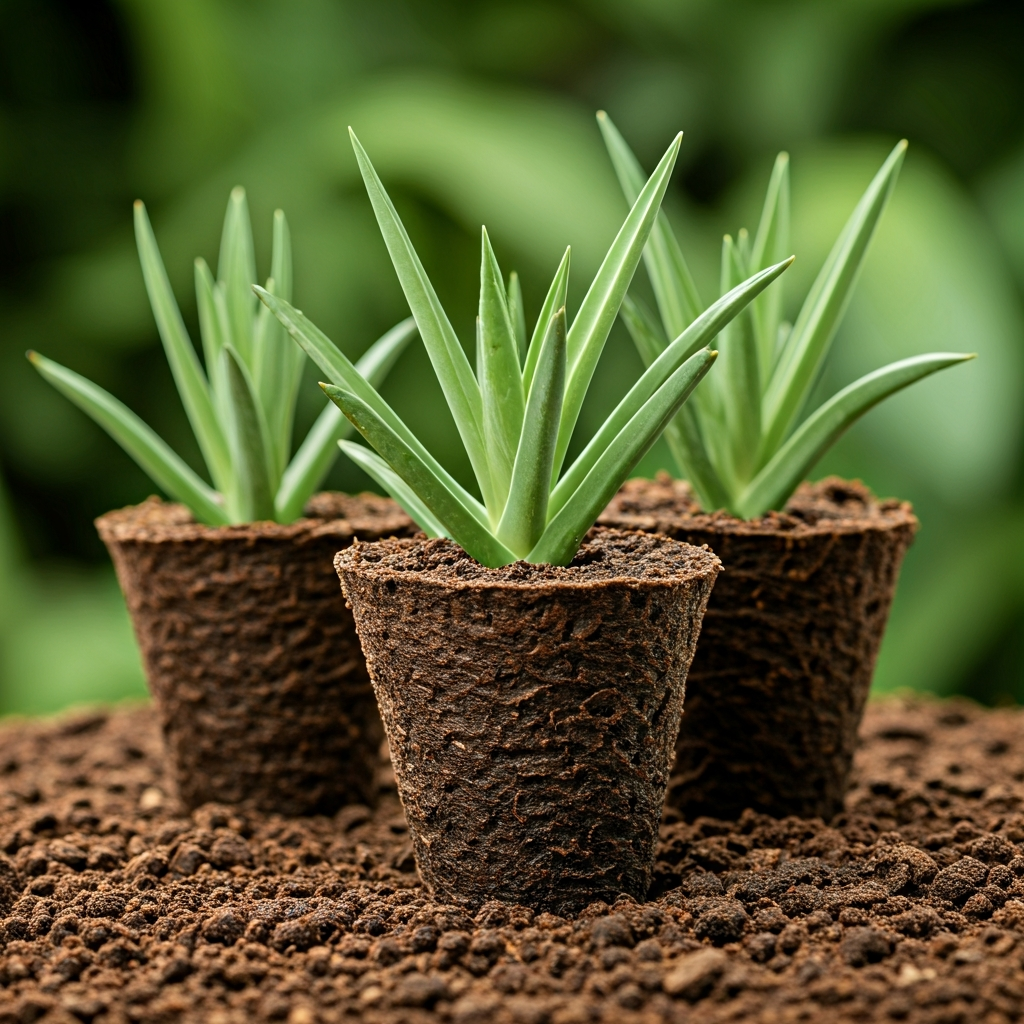
What is Cocopeat? The Ultimate Guide to Its Uses, Benefits, and Best Plants to Grow
What is cocopeat and how can it completely revolutionize your garden in 2026? If you’re seeking a sustainable, powerful, and effective growing medium, the answer lies in this incredible material derived from coconut husks. For modern gardeners looking to move beyond traditional soils and environmentally questionable peat moss, cocopeat is the ultimate solution.
The global shift towards sustainable horticulture is undeniable. As noted by leaders in home gardening like Gardeners’ World, growers are increasingly seeking alternatives that don’t deplete natural resources. For decades, peat moss was the standard, but harvesting it destroys precious peatland ecosystems. This is where cocopeat comes in, offering a renewable and superior alternative for nearly any application.
What is Cocopeat, Exactly? A Deep Dive
In the simplest terms, cocopeat is a 100% natural growing medium made from the pith found between the outer shell and the actual coconut. For years, this pith was considered a waste product of the coconut industry. Today, it has been repurposed into a versatile and sought-after horticultural product, praised for its performance and environmental benefits.
[Image: A compressed brick of cocopeat next to a pile of expanded, fluffy cocopeat. | alt=”A brick of cocopeat before and after rehydration.” | title=”Preparing Cocopeat for Garden Use”]
The Journey from Coconut Husk to Growing Medium
The transformation from a fibrous husk to a ready-to-use growing medium is a multi-step process. After the coconut fruit is harvested, the husks are aged to stabilize them. They are then washed to reduce salt levels, dried, and shredded. The resulting material is sorted into different grades—pith, fibers, or chips—or blended to create custom mixes tailored for specific uses, from seed starting to hydroponics.
Types of Cocopeat: Pith, Fiber, and Chips
Understanding the different forms of coco coir is key to using it effectively:
- Cocopeat Pith (Coco Dust): This has a fine, soil-like texture. It has excellent water retention, making it the most common type of cocopeat.
- Cocopeat Fiber: These longer fibers improve aeration and drainage when mixed with pith. They prevent compaction and allow oxygen to reach plant roots.
- Cocopeat Chips: These are small chunks of the husk that act like horticultural charcoal or perlite, creating large air pockets in the medium for optimal drainage and root health. They are perfect for orchids and anthuriums.
Is Cocopeat the Same as Coco Coir?
Yes, the terms are often used interchangeably. “Coco coir” is a broad term for any product derived from the coconut husk, including cocopeat, fibers, and chips. Cocopeat specifically refers to the spongy, pithy part of the husk. For all gardening purposes, when someone refers to coco coir, they are almost always talking about cocopeat as the primary growing medium.
What is Cocopeat Good For? The Top 7 Benefits
The advantages of incorporating cocopeat into your gardening are extensive. It consistently outperforms traditional mediums in several key areas, directly contributing to healthier plants and more successful yields.
- Unbeatable Water Retention: Cocopeat can hold up to 10 times its weight in water, ensuring a consistent moisture supply to plant roots and reducing the need for frequent watering.
- Superior Aeration and Root Growth: Despite its high water-holding capacity, its porous structure provides excellent aeration. This allows roots to breathe and grow strong, preventing root rot and other issues caused by waterlogged soil.
- Neutral pH and Easy Nutrient Management: With a stable pH range of 5.5 to 6.8, cocopeat provides an ideal environment for most plants. It is an inert medium, containing few nutrients, which gives you complete control over your plant’s feeding schedule. For those seeking other high-quality, organic amendments, وجبة جوز الهند is another excellent byproduct of the coconut industry.
- Sustainable and Eco-Friendly Choice: As a byproduct of the coconut harvest, cocopeat is a completely renewable resource. Its use helps reduce the strain on peat bogs, which are critical ecosystems. According to research published in the Journal of Applied Horticulture, coir is a viable and sustainable alternative to peat.
- Naturally Pest and Disease Resistant: Cocopeat is naturally resistant to many common soil-borne pests and fungal diseases. Its antifungal properties can help protect seedlings and mature plants from issues like damping-off and root rot.
- Reusable and Long-Lasting: Unlike soil which can become compacted and depleted, high-quality cocopeat maintains its structure for years. It can be rinsed and reused for multiple growing cycles, making it a cost-effective choice.
- Lightweight and Easy to Handle: Sold in compressed, dry bricks, cocopeat is incredibly lightweight and easy to store. This makes it ideal for container gardening, vertical gardens, and for gardeners who have difficulty working with heavy bags of soil.
[Image: Vibrant green seedlings sprouting in a tray filled with dark, rich cocopeat. | alt=”Healthy seedlings growing strong in a cocopeat mix.” | title=”Starting Seeds in Cocopeat”]
Cocopeat vs. Peat Moss: A Head-to-Head Comparison
For gardeners looking to make an informed choice, this table breaks down the key differences between cocopeat and its traditional rival, peat moss. As you can see, cocopeat offers significant advantages.
| ميزة | جوز الهند | الخث |
|---|---|---|
| الاستدامة | Renewable byproduct of coconut industry | Non-renewable, harvested from fragile peatlands |
| مستوى الرقم الهيدروجيني | Neutral (5.5 – 6.8) | Acidic (3.5 – 4.5), requires lime |
| احتباس الماء | Excellent, holds 10x its weight | Very good, but can become hydrophobic when dry |
| Wetting Time | Wets easily and quickly | Difficult to re-wet once fully dried |
| عمر | Breaks down slowly, reusable for years | Compacts over time, typically lasts one season |
How to Prepare and Use Cocopeat Like a Pro
Getting started with cocopeat is simple. The most common form is a compressed brick, which expands significantly when water is added.
Rehydrating Cocopeat Bricks: A Step-by-Step Guide
- Place the Brick: Put your compressed cocopeat brick in a large container, such as a wheelbarrow or a large plastic tub.
- Add Water: Slowly add warm water. A standard 5kg (11 lb) brick will typically require about 25 liters (6.5 gallons) of water.
- Wait and Watch: The brick will begin to absorb the water and expand. This process can take anywhere from 15 to 30 minutes.
- Fluff it Up: Once fully expanded, use a small shovel or your hands to break up any remaining chunks and fluff the medium. The final product should be light, airy, and moist.
[Video: A step-by-step guide on how to rehydrate a cocopeat brick and prepare it for planting. | title=”How to Prepare Cocopeat Bricks for Your Garden”]
How to Create the Perfect Potting Mix with Cocopeat
While cocopeat can be used alone, it’s often best when mixed with other components to create a balanced potting mix. A popular and effective recipe is:
- 70% Cocopeat: For moisture retention and structure.
- 30% بيرلايت أو حجر الخفاف: To increase aeration and drainage.
- Compost or Worm Castings: Add 10-20% by volume to provide slow-release nutrients.
نصيحة احترافية: Because cocopeat is inert, it contains no calcium or magnesium. When growing heavy-feeding plants like tomatoes, consider adding a Cal-Mag supplement to your feeding routine to prevent deficiencies.
For those looking for high-quality, sustainable agricultural products, our range includes not only the best جوز الهند but also other beneficial materials like معصرة نواة النخيل.
Using Cocopeat in Hydroponic Systems
Cocopeat is an excellent choice for hydroponic and soilless culture, as recognized by leading agricultural bodies like the U.S. Department of Agriculture. Its inert nature, water-holding capacity, and excellent aeration make it a stable and reliable substrate. As experts at the University of Massachusetts Extension note, soilless substrates like coir are fundamental to modern greenhouse production. It’s commonly used in Dutch bucket systems, drip systems, and as a medium for rooting clones.
What Are the Best Plants to Grow in Cocopeat?
Cocopeat’s unique properties make it an ideal growing medium for a wide variety of plants. Its excellent water retention and aeration are particularly beneficial for container gardening and starting seeds.
Vegetables and Fruits
Many edible plants thrive in a cocopeat-based mix. The consistent moisture helps prevent issues like blossom-end rot in tomatoes and peppers. Good choices include:
- Tomatoes & Peppers
- Cucumbers & Zucchini
- Leafy Greens (Lettuce, Spinach)
- Strawberries
- Herbs (Basil, Mint, Cilantro)
Flowers and Ornamental Plants
The airy structure of cocopeat is perfect for plants that require good drainage and oxygen at the roots, especially tropicals.
- Orchids and Anthuriums: Often potted in pure coco chips or a very chunky mix for maximum airflow.
- Roses: Benefit from the moisture retention and neutral pH.
- Hydrangeas: The neutral pH of cocopeat gives you a blank slate to adjust the acidity and control bloom color.
- Succulents and Cacti: When mixed with a high percentage (50% or more) of perlite or sand, cocopeat can be part of an excellent, well-draining succulent soil.
[Image: Infographic titled “The Cocopeat Lifecycle” showing a coconut on a tree -> harvesting -> husk separation -> processing into pith/fiber/chips -> packaging -> gardener using it -> plant growth. | alt=”Infographic showing the sustainable lifecycle of cocopeat from coconut to garden.” | title=”The Sustainable Journey of Cocopeat”]
مكمور أمانة سجيتيرا provides high-quality palm products such as Palm Kernel Expeller, قشرة نواة النخيل, Crude Palm Oil, Palm Kernel Oil, etc. Kindly contact us at واتساب +6282140002198 أو راسلنا عبر البريد الإلكتروني على admin@makmuramanah.co.id.
Frequently Asked Questions (FAQ) about Cocopeat
Here are answers to some of the most common questions gardeners have about using cocopeat.
Is cocopeat better than soil?
For container gardening, seed starting, and hydroponics, cocopeat is often superior. It provides better aeration, moisture control, and is free of weeds and common soil-borne diseases. For in-ground gardens, however, it is best used as a soil amendment to improve the structure of existing soil.
كم يدوم استخدام جوز الهند؟
High-quality cocopeat has a very slow decomposition rate. In a potting mix, it can maintain its beneficial structure for three to five years before needing to be replaced. This makes it a very durable and economical choice for gardeners in the long run.
Can you reuse cocopeat?
Absolutely. After a growing season, you can remove the old plant roots, flush the cocopeat thoroughly with water to remove any built-up fertilizer salts, and it’s ready to be used again. This is one of its most significant environmental and economic benefits.
What are the disadvantages of cocopeat?
The primary disadvantage is its lack of nutrients; you must provide all food for your plants. Additionally, low-quality, unwashed cocopeat can contain high salt levels. Always source your جوز الهند from a reputable supplier to ensure it is properly washed and buffered.
Do I need to add fertilizer to cocopeat?
Yes. Because cocopeat is an inert medium, it contains almost no nutrients on its own. You will need to incorporate a controlled-release fertilizer into your mix or apply a liquid nutrient solution regularly to ensure your plants have the nutrition they need to thrive.
Your Best Garden Yet Starts with Cocopeat
As we’ve seen, the answer to “what is cocopeat?” is simple: it’s a game-changer for modern gardening. This sustainable, high-performance growing medium offers a wealth of benefits, from superior water retention and aeration to its eco-friendly credentials. By choosing cocopeat, you are not only setting your plants up for incredible success but also making a positive choice for the planet.
[Image: A beautiful, thriving container garden with tomatoes, peppers, and flowers, clearly showing the cocopeat medium. | alt=”A beautiful container garden thriving with the help of cocopeat.” | title=”Thriving Container Garden with Cocopeat”]
Whether you’re starting seeds, growing in containers, or operating a hydroponic system, making the switch to cocopeat is a decision that will pay dividends in plant health, yields, and ease of use. Embrace this amazing resource and watch your 2026 garden thrive like never before.
 Arabic
  English
  Indonesian
  Chinese