
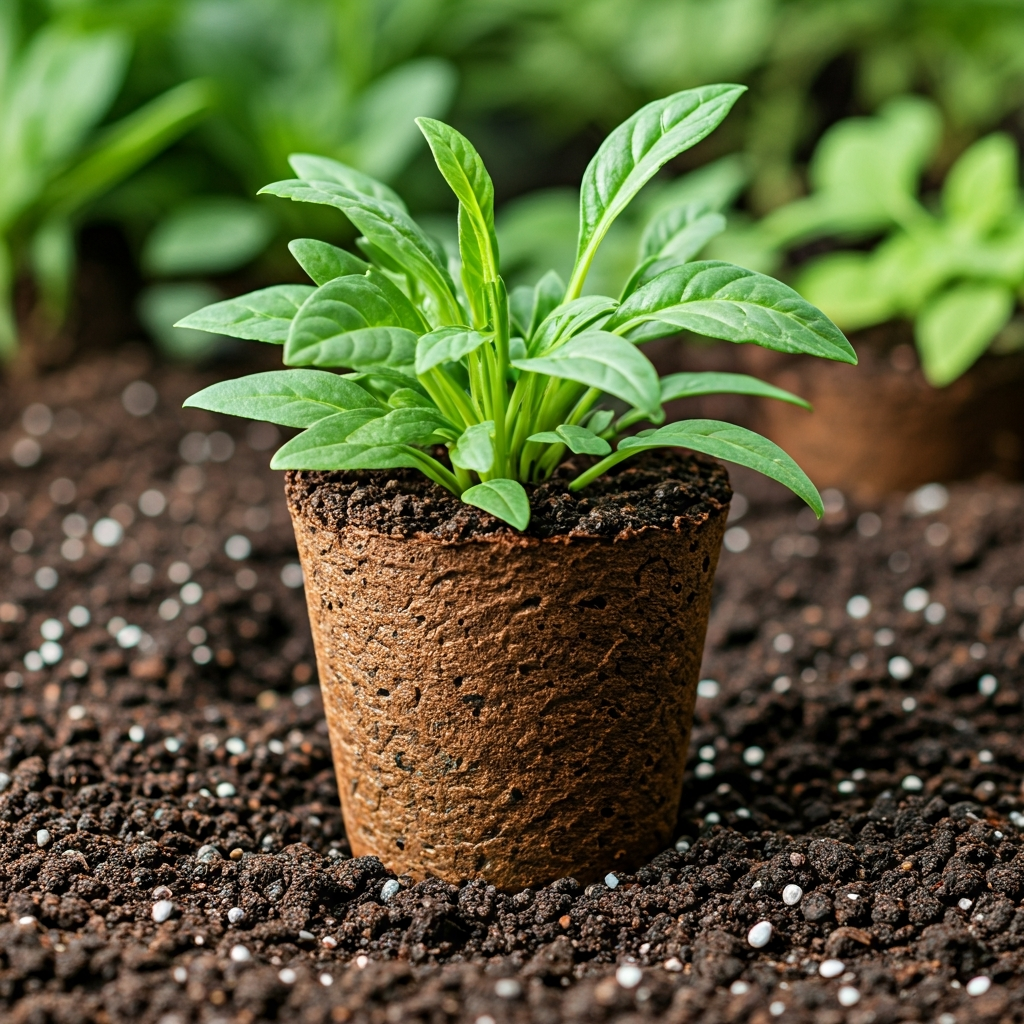
Cocopeat for Plants: A Complete Guide on How to Use It for Better Growth
استخدام cocopeat for plants is a transformative gardening secret that is rapidly becoming a mainstream practice for cultivators in 2026. If you’ve struggled with poor soil drainage, water-logged roots, or the environmental impact of traditional peat moss, you’ve found the solution. This guide provides the definitive roadmap to leveraging this incredible resource for unparalleled plant health and vigor.
The challenge for many gardeners is creating the perfect growing environment. It must retain moisture without becoming soggy and provide aeration for healthy root development. Standard garden soils can be heavy, compact easily, and often lack the ideal structure for container gardening.
Furthermore, the horticultural industry’s reliance on peat moss has raised significant environmental concerns. According to a study published in the Annals of Botany, peatlands are crucial carbon sinks, and their degradation contributes to greenhouse gas emissions. Cocopeat offers a renewable and highly effective alternative that solves these pressing issues.
What is Cocopeat for Plants? A Superior Growing Medium
Cocopeat, also known as coco coir or coconut fiber, is a 100% natural growing medium made from the fibrous husk of coconuts. Once considered a waste product of the coconut industry, it has emerged as a powerhouse soil amendment and peat moss alternative. Its unique properties make it a go-to choice for gardeners worldwide.

From Coconut Waste to Garden Gold
The transformation from a tough coconut husk to a usable growing medium is a fascinating process. After coconuts are harvested, the remaining husks are stored and aged. They are then processed to separate the long fibers (used for ropes and doormats) from the ‘pith’ or ‘dust’.
This pith is the cocopeat. It is then washed to remove salts, dried, and often compressed into blocks or bricks for easy shipping and storage. High-quality cocopeat is buffered with calcium and magnesium to ensure it’s ready for your plants.
Cocopeat vs. Peat Moss: A Sustainable Showdown
For decades, peat moss was the standard. However, the shift towards sustainable gardening has put cocopeat in the spotlight. In contrast to the slow-regeneration rate of peat moss, cocopeat is a byproduct of the readily available coconut harvest. This makes products like جوز الهند an environmentally responsible choice. The differences are stark when you compare them side-by-side.
| ميزة | Cocopeat (Coco Coir) | طحلب الخث السفاجنوم |
|---|---|---|
| مصدر | Renewable byproduct of coconut harvesting | Decomposed material from non-renewable peat bogs |
| احتباس الماء | Excellent; holds 8-10 times its weight in water | Very high, but can become hydrophobic when dry |
| مستوى الرقم الهيدروجيني | Neutral to slightly acidic (5.5 – 6.8) | Highly acidic (3.0 – 4.5), requires lime |
| الاستدامة | Highly sustainable and eco-friendly | Harvesting damages sensitive wetland ecosystems |
| متانة | Decomposes slowly, lasts for years in soil | Breaks down and compacts more quickly |
Core Benefits of Using Cocopeat for Plants
Why should you use cocopeat for your plants? The advantages are numerous and impactful, making it clear why so many are choosing cocopeat for plants.
- Incredible Water Retention: Cocopeat acts like a sponge, holding vast amounts of water and releasing it slowly. This reduces watering frequency by up to 50%.
- Superior Aeration: Even when saturated, cocopeat provides excellent oxygen flow to the root zone, which prevents root rot and promotes vigorous growth.
- درجة حموضة متعادلة: Its near-neutral pH is suitable for a wide variety of plants without requiring lime, unlike acidic peat moss.
- Fungus and Pest Resistant: Cocopeat is a sterile medium with natural antifungal properties, helping prevent soil-borne diseases.
- Promotes Strong Root Growth: The fibrous, airy texture encourages roots to expand, creating a healthier, more robust root system.
- Reusable and Durable: Cocopeat can be rinsed and reused after a growing season, making it a cost-effective and zero-waste option.
How to Prepare Cocopeat for Plants: A Step-by-Step Guide
Using cocopeat correctly begins with proper preparation. Compressed bricks must be rehydrated and buffered to unlock their full potential. This process is essential for ensuring you have the best possible medium.

1. The Crucial Rehydration Process
A compressed cocopeat brick is incredibly dense. Rehydrating it expands it to several times its original volume.
- Place the Brick: Put your cocopeat brick in a large container or wheelbarrow. A 5kg (11 lb) brick can expand to over 60 liters, so ensure your container is large enough.
- Add Warm Water: Pour warm water over the brick. Warm water speeds up expansion. You will need approximately 20-25 liters of water for a 5kg brick.
- Wait and Fluff: Allow the brick to sit for 20-30 minutes. It will absorb the water and break apart. Use a small spade or your hands to fluff it up.
2. Buffering: The Non-Negotiable Step for Quality
High-quality cocopeat is often sold pre-buffered. If not, this step is vital. As noted by horticultural experts at the Purdue University Extension, buffering prevents nutrient lockout. Cocopeat naturally holds onto sodium and potassium while releasing calcium and magnesium. Buffering corrects this imbalance.
- To buffer, soak the rehydrated cocopeat in a Cal-Mag supplement for 8-12 hours.
- Follow the product instructions carefully, but a common ratio is 1.5 grams of calcium nitrate per liter of water.
- After soaking, drain the excess liquid and rinse the cocopeat thoroughly with pH-balanced water. This charges the cocopeat with calcium and magnesium.
3. Adding Amendments for a Complete Mix
While cocopeat is an excellent medium, it is inert and contains few nutrients. To create a complete potting mix, you must add amendments.
- For aeration and drainage, add perlite or pumice at a 2:1 or 3:1 ratio of cocopeat to perlite.
- For nutrients, mix in compost or worm castings. Other agricultural byproducts like وجبة جوز الهند و معصرة نواة النخيل can also be valuable organic soil amendments.
Best Ways to Use Cocopeat for Plants in Your Garden
Once prepared, cocopeat is incredibly versatile. It can be used in various applications, from containers to large garden beds, to enhance your gardening success.
As a Primary Growing Medium
For container gardening and hydroponics, a properly amended cocopeat mix is a game-changer. Its water-holding capacity and aeration are perfect for pots, hanging baskets, and raised beds where soil can dry out quickly. This is where the true value of cocopeat for plants shines.
Amending Your Garden Soil
Incorporating cocopeat into your garden beds can dramatically improve soil structure. For heavy clay soils, it improves drainage and reduces compaction. For sandy soils, it increases water and nutrient retention. Integrating materials like قشرة نواة النخيل can also improve aeration in dense soils, working in concert with cocopeat.
For Seed Starting and Propagation
The fine, sterile texture of cocopeat makes it an ideal medium for starting seeds. It holds the perfect amount of moisture to encourage germination while its antifungal properties protect delicate seedlings from “damping off” disease. Many professional nurseries rely on cocopeat for this very reason.

مكمور أمانة سجيتيرا نُقدّم منتجات نخيل عالية الجودة مثل مُستخلص نواة النخيل، وقشور نواة النخيل، وزيت النخيل الخام، وزيت نواة النخيل، وغيرها. يُرجى التواصل معنا على واتساب +6282140002198 أو راسلنا عبر البريد الإلكتروني على admin@makmuramanah.co.id.
الأسئلة الشائعة (FAQs)
هل جوز الهند مفيد لجميع النباتات؟
Almost! Cocopeat is excellent for most vegetables, fruits, and flowers due to its neutral pH. However, some plants that thrive in very arid conditions, like certain succulents, might prefer a grittier mix with less water retention than pure cocopeat provides.
كم مرة يجب أن أسقي النباتات في التربة المحشوة بجوز الهند؟
You will water less frequently than with traditional potting soil. The best method is to check the top 1-2 inches of the medium. If it feels dry to the touch, it’s time to water. Its excellent drainage reduces the risk of overwatering compared to heavy soils.
Can you reuse cocopeat?
Absolutely. After harvesting your plants, you can shake the old roots out of the cocopeat, rinse it thoroughly to wash away any accumulated salts or fertilizers, and re-buffer it with a Cal-Mag solution to prepare it for the next crop.
Does cocopeat attract pests?
No, cocopeat is naturally resistant to most pests and soil-borne diseases. It is a sterile medium, which means it doesn’t harbor the pathogens often found in garden soil. However, it will not prevent pests from attacking the plant’s foliage.
كم يدوم استخدام جوز الهند؟
Cocopeat has a high lignin content, which makes it decompose very slowly. In a potting mix, it can maintain its structure and benefits for up to four years before needing to be replaced, making it a much more durable medium than peat moss or bark fines.
Conclusion: Embrace the Future of Gardening
In conclusion, the evidence is clear: making the switch to cocopeat for plants is one of the most effective decisions a modern gardener can make. It provides a superior growing environment characterized by exceptional water retention, aeration, and a neutral pH. It also represents a significant step towards sustainable and responsible horticulture.
Whether you are starting seeds, tending to container gardens, or improving your soil beds, the benefits are undeniable. By following the preparation and usage guidelines in this guide, you can unlock amazing growth in your plants. Embrace the power of cocopeat and watch your garden thrive in 2026 and beyond.
 Arabic
  English
  Indonesian
  Chinese