
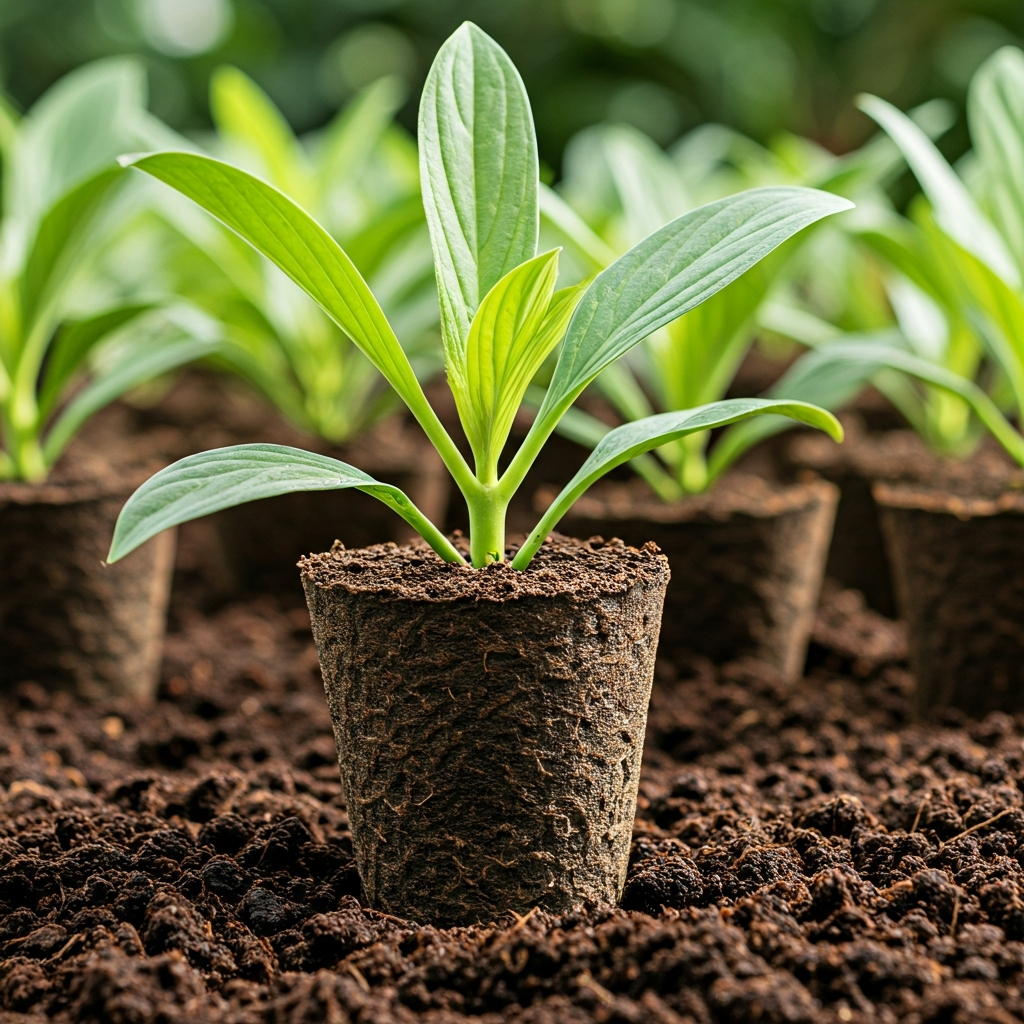
The Complete Guide to Cocopeat: What It Is, How to Use It & Benefits for Your Garden
جوز الهند is the revolutionary, sustainable gardening medium you need to know about in 2026. If you’ve struggled with poor soil drainage, underwatering, or simply want a more eco-friendly alternative to traditional peat moss, the solution is here. This guide provides the definitive answer to mastering this incredible resource for a healthier, more vibrant garden.
For decades, gardeners relied on peat moss. However, its environmental cost is significant, as it is harvested from delicate bog ecosystems that take centuries to form. As organizations like the الجمعية الملكية للبستنة advocate, the search for sustainable alternatives is paramount. Cocopeat, a byproduct of the coconut industry, emerges as a superior, renewable, and powerful tool for horticulturists and home gardeners alike. It transforms a waste product into garden gold, offering a solution that benefits both your plants and the planet.
What is Cocopeat, Really? A Deep Dive
Cocopeat is a 100% natural growing medium derived from the fibrous husk of a coconut. Also known as coco coir, this material is the spongy, lightweight pith found between the coconut’s hard inner shell and its outer coat. Once considered waste, it’s now celebrated for its exceptional properties as a soil amendment and soilless medium. It provides a perfect environment for root growth, making it a cornerstone of modern, efficient gardening.

From Coconut Husk to Garden Gold: The Manufacturing Process
The journey from a coconut farm to your garden is a multi-step process. After harvesting coconuts for their valuable kernels (used for products like وجبة جوز الهند), the husks are collected. These husks are then aged for several months to allow them to break down and stabilize.
After aging, the raw material is washed repeatedly to remove natural salts, then dried and processed to separate the long fibers from the dusty pith—the cocopeat. It’s often compressed into bricks or blocks for easy shipping. The quality depends heavily on this washing and buffering process, which ensures a stable, low-salinity medium ready for your plants.
The Three Types of Cocopeat: Pith, Fiber, and Chips
Not all coco coir is the same. It is processed into three distinct forms, each with unique properties:
- Coco Pith: This is the most common form, with a texture like fine soil. It has excellent water retention, holding up to 10 times its weight in water, but needs amending to improve drainage.
- ألياف جوز الهند: These long fibers provide structure and increase aeration in a mix. They allow oxygen to reach the roots but don’t hold much water, helping to prevent waterlogging.
- رقائق جوز الهند: These are small chunks of the husk that act like a combination of pith and fiber. They hold water while also creating air pockets for excellent drainage and aeration, similar to bark chips.
The Science-Backed Benefits of Using Cocopeat in Your Garden
The rise in popularity of جوز الهند isn’t just a trend; it’s backed by significant, measurable advantages over traditional growing media. Its unique physical and chemical properties make it an ideal choice for a wide range of horticultural applications.
Unmatched Water Retention: A Gardener’s Dream
Cocopeat’s cellular structure acts like a sponge, absorbing and retaining water far more efficiently than soil. This means you water less often, saving time and conserving a precious resource. Furthermore, it releases water slowly to the plant’s roots as needed, preventing both overwatering and underwatering stress.
Superior Aeration and Root Development
Even when fully saturated, cocopeat maintains excellent aeration. A 2019 study published in the journal Agronomy highlights how substrates like coir provide the necessary oxygen for robust root development. This prevents soil compaction and allows roots to breathe, leading to stronger, healthier, and more resilient plants.
pH Neutral and Anti-Fungal Properties
With a naturally neutral pH range of 5.5 to 6.8, cocopeat is an ideal base for most plants without requiring pH adjustments. Additionally, it contains natural lignins and tannins that discourage harmful pathogens and fungal growth, helping to protect your plants from common diseases like root rot, as noted by the University of New Hampshire Extension.
How to Use Cocopeat: A Step-by-Step Guide for Beginners
استخدام جوز الهند is simple, but a few key steps are essential for success. Whether you’re starting with a compressed brick or a loose bag, proper preparation is crucial.

Rehydrating Cocopeat Bricks: The First Crucial Step
- Placement: Place your compressed cocopeat brick in a large container, such as a wheelbarrow or a sturdy plastic tub. Remember, it will expand 5-7 times in volume.
- Add Water: Slowly add warm water. A standard 5kg brick typically requires about 25 liters (6-7 gallons) of water. The warm water helps speed up the expansion process.
- Wait and Fluff: Allow the brick to sit for 20-30 minutes, absorbing the water. It will begin to break apart. Once it’s mostly expanded, use a small spade or your hands to fluff it up, ensuring there are no dry pockets.
[Video Embed: A step-by-step YouTube video showing how to rehydrate a 5kg cocopeat brick in a wheelbarrow.]
Creating the Perfect Potting Mix with Cocopeat
While you can grow plants in 100% cocopeat, it’s often best when mixed with other elements to create a balanced potting soil. As advised by experts at the قسم الإرشاد بجامعة كورنيل, creating a balanced medium is key. Here’s a classic, all-purpose recipe:
- 5 parts Cocopeat: The base for water retention.
- 4 parts Perlite or Pumice: For added aeration and drainage.
- 1 part Worm Castings or Compost: To introduce beneficial microbes and nutrients.
This blend creates a medium that is moist but not soggy, well-aerated, and nutrient-rich—perfect for container gardening and houseplants.
Expert Uses for Cocopeat: Hydroponics and Seed Starting
For hydroponic systems, buffered جوز الهند is a top-tier substrate due to its inert nature and excellent water-holding capacity. It provides a stable anchor for roots without interfering with the nutrient solution.
Its fine, airy texture also makes it the perfect medium for starting seeds. It holds just enough moisture to encourage germination while its anti-fungal properties protect delicate seedlings from damping-off disease. For other industrial uses, consider materials like قشرة نواة النخيل لإنتاج الطاقة من الكتلة الحيوية.
Cocopeat vs. Competitors: A Head-to-Head Comparison
To truly understand its value, let’s compare Cocopeat to its main alternatives: Peat Moss and Garden Soil. This table breaks down the key differences for gardeners.
| ميزة | جوز الهند | الخث | تربة الحديقة |
|---|---|---|---|
| الاستدامة | Highly renewable byproduct | Non-renewable, harvested from bogs | Varies; can be depleted |
| احتباس الماء | Excellent, holds 10x its weight | Very high, but can be hydrophobic when dry | Variable, often compacts |
| مستوى الرقم الهيدروجيني | Neutral (5.5 – 6.8) | Acidic (3.5 – 4.5) | Varies widely |
| قابلية التبلل | Re-wets easily | Difficult to re-wet once fully dry | Can become hydrophobic |
| عمر | Decomposes slowly, lasts for years | Decomposes and compacts over a season | Stable |

مكمور أمانة سجيتيرا توفر منتجات زيت النخيل عالية الجودة مثل معصرة نواة النخيل, Palm Kernel Shell, Crude Palm Oil, Palm Kernel Oil, etc. Kindly contact us at واتساب +6282140002198 أو راسلنا عبر البريد الإلكتروني على admin@makmuramanah.co.id.
الأسئلة الشائعة حول جوز الهند
What is cocopeat made of?
Cocopeat is made from the pith of coconut husks. It’s the spongy material left over after the long fibers have been removed. This raw material is then washed, dried, and compressed, creating a sustainable and effective growing medium for gardening and horticulture.
هل جوز الهند مفيد لجميع النباتات؟
Cocopeat is excellent for most plants, especially those that love moisture like ferns and vegetables. For succulents or cacti, use it sparingly and mix with plenty of drainage material like perlite or coarse sand to prevent root rot in dry-loving plants.
كم تدوم مادة جوز الهند في التربة؟
Cocopeat decomposes very slowly due to its high lignin content. It can last in your soil for up to five years, continuing to provide benefits like aeration and water retention long after other organic amendments have broken down. This makes it a cost-effective soil conditioner.
Do I need to add fertilizer to cocopeat?
Yes. Cocopeat is an inert medium with very few nutrients. While it provides an ideal physical structure for roots, you must add nutrients through compost, worm castings, or a balanced liquid fertilizer to ensure your plants receive the food they need to thrive.
Is cocopeat better than soil?
Cocopeat isn’t inherently better but excels in key areas. It’s sterile, pH-neutral, and offers superior water retention and aeration compared to most garden soils. It is best used as a soil amendment to improve existing soil structure or as a sterile base for custom potting mixes.
Conclusion: The Future of Your Garden is Cocopeat
As we move towards more sustainable and efficient gardening practices in 2026, the value of materials like جوز الهند becomes undeniable. Its ability to conserve water, improve soil structure, and provide an ideal root environment is unmatched. By replacing non-renewable resources and turning an industrial byproduct into a premium horticultural product, it represents a win for gardeners and the environment.
Whether you are a novice gardener or a seasoned horticulturist, integrating جوز الهند into your routine is a guaranteed way to improve plant health, reduce your environmental footprint, and achieve the lush, thriving garden you’ve always wanted. Make the switch today and experience the incredible benefits for yourself.

 Arabic
  English
  Indonesian
  Chinese