
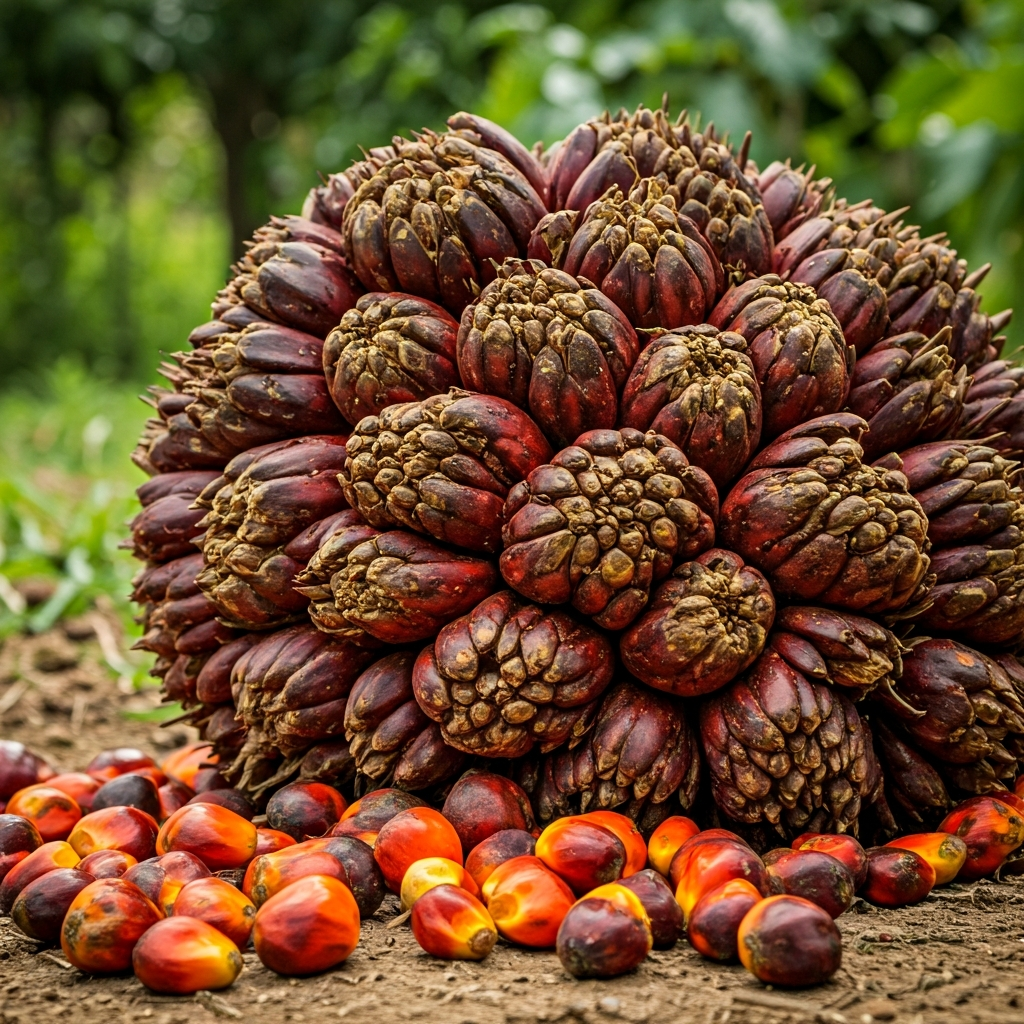
Palm Kernel Expeller: The #1 Essential Guide (2026)
معصرة نواة النخيل is one of the most crucial, yet often misunderstood, ingredients in modern animal feed. With feed costs continually rising, farmers and livestock managers face the pressing problem of finding sustainable and cost-effective solutions.
This guide provides the definitive solution, unlocking the full potential of this powerful ingredient for your operation and boosting profitability.
The global demand for high-performance animal feed has never been greater. As of 2026, the industry is navigating unprecedented challenges, from supply chain volatility to the need for more sustainable agricultural practices. Palm Kernel Expeller, a by-product of the palm oil extraction process, stands out as a premier solution.
According to a study in the مجلة الجمعية السعودية للعلوم الزراعية, it is a significant source of metabolizable energy and protein. This article explores every facet, demonstrating why it’s an essential component for any forward-thinking feed strategy.
ما هو بالضبط مستخلص نواة النخيل (PKE)؟
Understanding the origin and composition of this feedstuff is the first step toward leveraging its benefits. It’s more than just a filler; it’s a powerhouse of nutrition derived directly from the palm fruit, a cornerstone of global agriculture.
This section breaks down its production, clarifies common naming confusion, and provides a clear, actionable definition perfect for understanding its role in the market.
From Palm Fruit to Animal Feed: The Production Process
The journey of Palm Kernel Expeller begins with the oil palm fruit. After the palm oil is extracted from the fruit’s fleshy mesocarp, the nut remains. Inside this nut is the kernel, which is rich in a different type of oil—palm kernel oil.
PKE is the solid residue left behind after this kernel is crushed to extract its oil. The extraction is typically done via a mechanical process using screw presses, which is why it’s called an “expeller.” This method ensures that a moderate amount of residual fat (around 8-12%) remains, contributing to its high energy value.
The resulting product is a dense, fibrous, and protein-rich meal that serves as an excellent ingredient in feed rations. Its consistent availability makes it a reliable choice for feed mills and large-scale farms.
[Image: A diagram showing a screw press machine mechanically extracting oil from palm kernels, with the solid PKE meal exiting on one side and oil on the other. | alt=”Mechanical screw press used in Palm Kernel Expeller production” | title=”PKE Mechanical Oil Extraction”]
PKE vs. Palm Kernel Cake (PKC): A Key Distinction
The terms Palm Kernel Expeller (PKE) and كعكة نواة النخيل (PKC) are often used interchangeably, but a subtle difference exists based on the oil extraction method. While PKE is from mechanical pressing, PKC can also refer to the product created via solvent extraction.
Solvent extraction leaves behind less residual oil, resulting in a lower fat and energy content but a slightly higher protein percentage. In the commercial feed industry, however, the expeller-pressed product is the most common and sought-after type due to its balanced energy and protein profile.
Defining Palm Kernel Expeller (PKE): A 60-Word Snippet
For featured snippet optimization, here’s a direct answer: مستخلص نواة النخيل (PKE) is a high-fiber, high-energy animal feed ingredient produced as a by-product of crushing palm kernels to extract palm kernel oil. It is valued in livestock nutrition, particularly for ruminants like cattle, for its cost-effectiveness and balanced profile of protein, fiber, and residual fat, which supports energy and growth.
[Image: A close-up, top-down shot of the granular, brownish texture of high-quality Palm Kernel Expeller, highlighting its fibrous nature. | alt=”Close-up texture of Palm Kernel Expeller for animal feed” | title=”Palm Kernel Expeller Texture”]
التركيب الغذائي لعصير نواة النخيل
The effectiveness of any feed ingredient lies in its nutritional data. This ingredient offers a unique composition that makes it particularly suitable for certain types of livestock, especially ruminants. Understanding this profile is key to effective feed formulation.
In contrast to ingredients like corn or soybean meal, it provides a slower-release energy, which is highly beneficial for digestive health in cattle. Furthermore, its mineral content supports overall herd wellness.
Macronutrient Profile: Protein, Fiber, and Fat
The primary appeal comes from its three core macronutrients. While figures can vary slightly based on the source and processing method, a typical analysis is as follows:
- البروتين الخام: Generally ranges from 14% to 18%. This makes it a valuable protein source for supplementing grass-fed animals or for inclusion in mixed rations.
- الألياف الخام: Typically high, between 16% and 22%. This fibrous nature is excellent for stimulating rumen activity in cattle, promoting healthy digestion and cud-chewing.
- الدهون الخام: Residual oil levels of 8% to 12% provide a significant source of concentrated, slow-release energy, which is ideal for boosting milk fat content in dairy cows.
Essential Minerals and Vitamins
Beyond the basics, this feedstuff is a carrier for several essential minerals that contribute to animal health. These include:
- الفوسفور: Crucial for bone development and energy metabolism.
- Magnesium: Important for enzymatic functions and preventing conditions like grass tetany.
- Copper: While beneficial, copper levels mean it should be used with caution in sheep, which are highly sensitive to copper toxicity. This demonstrates the importance of expert feed formulation.
Additionally, it contains B-vitamins, naturally occurring from the kernel, which support metabolic processes.
Shell Content and Its Impact on Quality
A critical quality factor for PKE is its residual shell content. A lower shell content is desirable, as it leads to higher digestibility and energy values. High-quality suppliers, like مكمور أمانة سجيتيرا, ensure minimal shell content through advanced de-shelling processes.
When sourcing PKE, always inquire about the shell percentage. A level below 10% is generally considered good quality. This directly relates to the amount of digestible fiber versus indigestible lignin. Sometimes, related products like قشرة نواة النخيل are sold separately as biofuel.
Top 7 Benefits of Using Palm Kernel Expeller in Feed
Integrating this ingredient into livestock diets offers a cascade of advantages, from economic savings to improved animal health. These benefits are why it has become a staple in feed formulations worldwide.
Here are the seven most impactful reasons to consider it for your operation.
- Cost-Effective Energy Source: It is often more affordable than traditional energy sources like corn or barley, allowing for a significant reduction in feed costs without sacrificing energy content.
- High Fiber for Ruminant Health: The high NDF (Neutral Detergent Fiber) content promotes rumen motility and saliva production, creating a stable rumen environment and reducing the risk of acidosis.
- Sustainable and Readily Available: As a by-product of the massive palm oil industry, it is an environmentally friendly choice that utilizes resources efficiently. Its supply is consistent year-round.
- Boosts Milk Fat and Yield: The unique combination of fiber and bypass fat has been shown to directly increase the percentage of butterfat in milk, a key profitability driver for dairy farms.
- Improves Rumen Fermentation: The fibrous nature provides a substrate for beneficial rumen microbes, enhancing the digestion of the entire diet and improving feed efficiency.
- Excellent Palatability: When introduced correctly, most cattle find it highly palatable, especially when mixed into a total mixed ration (TMR). This ensures consistent intake and performance.
- Versatility for Various Livestock: While ideal for cattle, it is also used effectively in feed for swine, goats, and certain types of poultry, making it a flexible ingredient for diverse farming operations.
Practical Applications of Palm Kernel Expeller for Livestock
Theory is one thing; practical application is another. The inclusion rate must be tailored to the specific digestive system and nutritional needs of each animal type. What works for a dairy cow may not be optimal for a broiler chicken.
[Image: A herd of healthy, well-fed dairy cows eating from a feed trough in a clean, modern barn. | alt=”Dairy cows eating a ration containing Palm Kernel Expeller” | title=”PKE for Dairy Cattle Nutrition”]
Dairy and Beef Cattle Feed Formulation
For ruminants, PKE is a near-perfect ingredient. In dairy rations, it’s typically included at 15-25% of the total diet. It serves as a safe way to add energy and fiber, supporting high milk yields while maintaining rumen health. For beef cattle, it’s an excellent supplement in backgrounding and finishing rations, promoting steady weight gain.
Poultry Diets: Benefits and Limitations
In poultry, the high fiber can be a limiting factor, as birds have simple digestive tracts. However, at lower inclusion rates (typically 5-10%), it can be a cost-effective component of layer and broiler diets. Enzyme supplementation is often used alongside it in poultry feed to improve the digestibility of its fibrous components.
Use in Swine, Goat, and Sheep Feeds
For swine, PKE can be used as a partial protein and energy source, though its high fiber limits its use in starter diets. In goat and sheep rations, it functions much like it does for cattle. However, careful attention must be paid to the copper content for sheep to avoid toxicity, a point stressed by industry authorities like Feed Strategy magazine.
PKE vs. Other Common Feed Ingredients: A Comparison
To truly appreciate the value of Palm Kernel Expeller, it’s helpful to compare it directly against other common ingredients. This table provides a snapshot of how it stacks up in terms of key nutritional metrics.
| Ingredient | Crude Protein (%) | Crude Fiber (%) | Metabolizable Energy (MJ/kg) | الاستخدام الأساسي |
|---|---|---|---|---|
| معصرة نواة النخيل | 14 – 18% | 16 – 22% | 10 – 11.5 | Fiber & Energy (Ruminants) |
| وجبة فول الصويا | 44 – 48% | 3 – 7% | 12 – 13 | High-Quality Protein |
| وجبة جوز الهند | 20 – 24% | 10 – 14% | 11 – 12 | البروتين والطاقة |
| Corn Grain | 8 – 10% | 2 – 3% | 13.5 – 14.5 | Starch-Based Energy |
As the table shows, while soybean meal offers more protein and corn offers more energy, PKE provides a unique, balanced profile with high fiber that the others lack. This makes it an ideal complement, not always a direct replacement, to create a more balanced and cost-effective final ration.
[Image: Stacked bags of Palm Kernel Expeller in a clean warehouse, branded and ready for shipment to a feed mill. | alt=”Bags of high-quality Palm Kernel Expeller ready for shipping” | title=”Sourcing Reliable Palm Kernel Expeller”]
مكمور أمانة سجيتيرا نُقدّم منتجات نخيل عالية الجودة مثل مُستخلص نواة النخيل، وقشور نواة النخيل، وزيت النخيل الخام، وزيت نواة النخيل، وغيرها. يُرجى التواصل معنا على واتساب +6282140002198 أو راسلنا عبر البريد الإلكتروني على admin@makmuramanah.co.id.
[Infographic Concept: A flowchart titled “From Palm to PKE”. Starts with an icon of a Palm Fruit, an arrow points to a “Crushing/Pressing” icon, which splits into “Palm Kernel Oil” and “Palm Kernel Expeller”. The PKE box has bullet points: 14-18% Protein, 16-22% Fiber, 8-12% Fat. | alt=”Infographic showing the production process of Palm Kernel Expeller” | title=”Palm Kernel Expeller Production Process”]
الأسئلة الشائعة (FAQ)
Here are answers to some of the most common questions about using Palm Kernel Expeller in animal feed.
What is the main nutritional benefit of Palm Kernel Expeller?
The main benefit is its unique combination of moderate protein (14-18%), high digestible fiber (16-22%), and high energy from residual fat (8-12%). This profile makes it an excellent, cost-effective ingredient for promoting rumen health and boosting milk fat in cattle.
Is PKE suitable for all animals?
It is most suitable for ruminants like cattle, goats, and sheep due to its high fiber content. It can be used in moderation for swine and poultry. It’s crucial to avoid high levels in sheep diets due to copper sensitivity.
How does PKE affect milk production in dairy cows?
The high fiber promotes healthy rumen function, and its specific fat profile contributes to milk fat synthesis. As noted by agricultural bodies like the منظمة الأغذية والزراعة (الفاو), this often results in a higher butterfat percentage, which can increase profitability.
What is a typical inclusion rate for Palm Kernel Expeller in cattle feed?
For dairy and beef cattle, a typical inclusion rate is between 15% and 25% of the total diet’s dry matter. Exceeding this can sometimes reduce feed intake, so it’s best to work with a nutritionist to determine the optimal level.
Where can I buy reliable Palm Kernel Expeller?
You can source high-quality معصرة نواة النخيل from trusted suppliers who guarantee low shell content and consistent quality. Companies that manage their supply chain directly, like مكمور أمانة سجيتيرا, are often the most reliable partners.
Conclusion: The Future of Feed is Efficient and Sustainable
In the competitive landscape of 2026, leveraging every possible efficiency is a necessity. As a cost-effective, energy-dense, and sustainable feed ingredient, Palm Kernel Expeller addresses the core challenges of modern livestock farming head-on. Its ability to support ruminant health, boost milk fat, and lower overall feed costs is proven.
By understanding its nutritional profile and application, you can unlock significant value. This holistic view extends to other resources, such as using جوز الهند for sustainable growing media. The key is to partner with a supplier who can deliver a consistent, high-quality product.
Making the switch to a properly formulated ration containing معصرة نواة النخيل is a strategic move towards greater profitability and a more sustainable future for your farm.
[Video Suggestion: An embedded YouTube video titled “How to Mix Palm Kernel Expeller into a Total Mixed Ration (TMR) for Dairy Cows”. The video would show a farm nutritionist demonstrating the process, showing the PKE, and explaining the ideal ratios on a whiteboard.]
 Arabic
  English
  Indonesian
  Chinese