
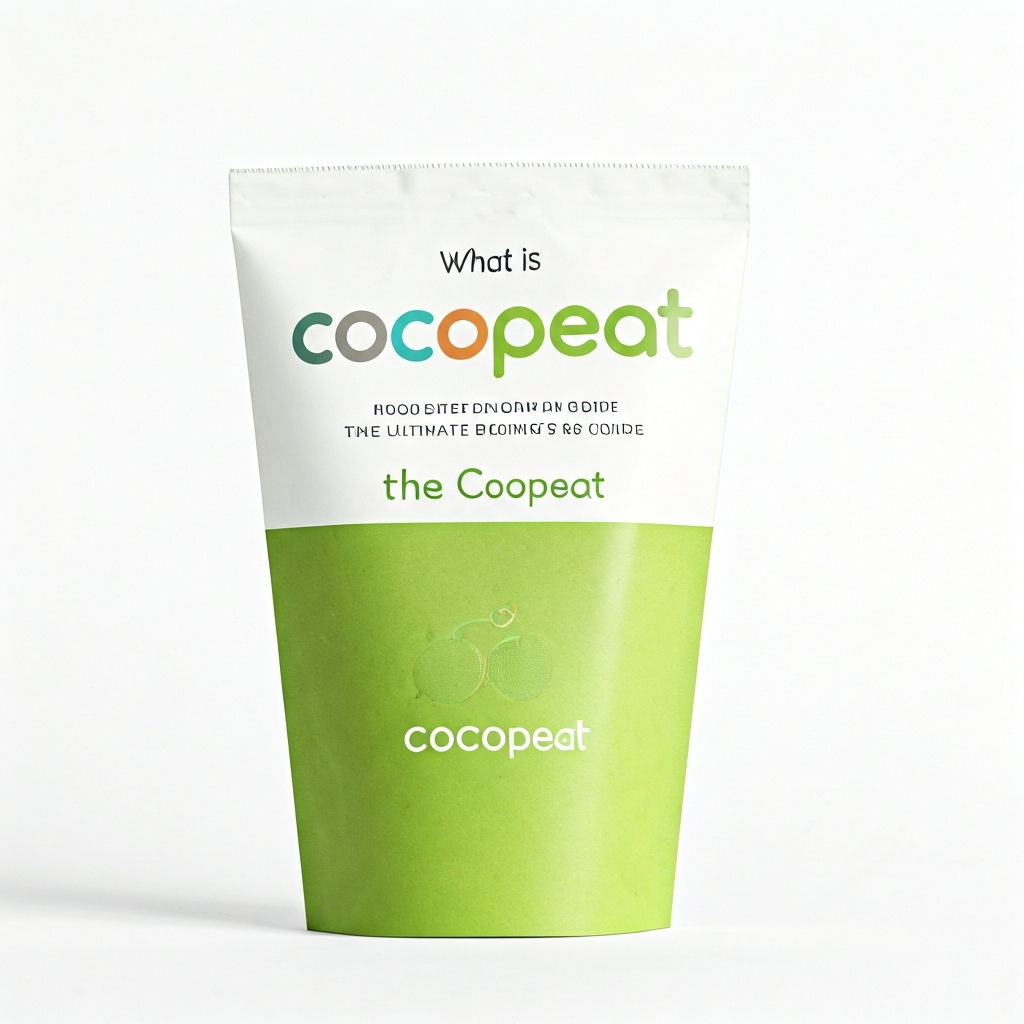
Cocopeat: The Ultimate Guide for Explosive Plant Growth
جوز الهند is a game-changing secret that professional gardeners and horticulturists use for healthier, more resilient plants. If you’ve ever struggled with compacted soil, overwatering, or lackluster growth, you’ve found the solution.
This guide will transform you from a curious beginner into a confident expert. We will explore exactly what this miracle medium is and provide a step-by-step framework for using it to achieve incredible results in your garden this year.
What is Cocopeat? A Deep Dive for Gardeners
Cocopeat is a 100% natural, soilless growing medium made from the fibrous pith of a coconut husk. Also known as coco coir, it is a sustainable and versatile alternative to traditional potting soil and peat moss, prized for its exceptional water retention and aeration properties.
For decades, this resource was considered a waste product of the coconut industry. Today, it’s celebrated as a powerful and sustainable alternative to traditional soil and peat moss. Its unique properties make it ideal for everything from seed starting to hydroponics and amending garden soil.
It’s a sustainable byproduct of the coconut industry, similar to how other useful materials like وجبة جوز الهند و قشرة نواة النخيل are derived from palm resources, ensuring that every part of the harvest is utilized.
The Different Forms of Cocopeat
This versatile medium is typically processed and sold in three main forms, each with specific uses:
- Coco Pith/Peat: This is the most common form, with a texture resembling fine soil. It has excellent water retention and is the primary component of most coco-based potting mixes.
- ألياف جوز الهند: These are the long, stringy fibers that provide structure and increase aeration. They help prevent the pith from compacting, ensuring oxygen can reach the plant’s roots.
- رقائق جوز الهند: These are small chunks of the husk that act like horticultural charcoal. They create large air pockets and improve drainage, making them perfect for orchids and epiphytes.
Most high-quality products are a blend of all three to create a balanced medium for optimal plant health.
The Science Explained: Why Coco Coir is a Superior Growing Medium
The effectiveness of coco coir isn’t magic; it’s science. According to research from horticultural institutions like the University of Florida IFAS Extension, its physical and chemical properties are nearly ideal for growing a wide range of plants.
Its primary advantages lie in its excellent water holding capacity (WHC) and air-filled porosity (AFP). The substrate can hold 8 to 10 times its weight in water, yet it remains light and airy. This prevents waterlogged roots—a common cause of plant death.
Furthermore, it has a naturally neutral to slightly acidic pH range of 5.5 to 6.8. This is the sweet spot for nutrient uptake for most plants. Unlike peat moss, which is highly acidic, this soilless option usually doesn’t require lime amendments to balance its pH.
Cocopeat vs. Soil vs. Peat Moss: A Head-to-Head Comparison
Choosing the right growing medium is critical. Here’s how this coconut-based substrate stacks up against traditional topsoil and the increasingly controversial peat moss.
| ميزة | جوز الهند | تربة الحديقة | الخث |
|---|---|---|---|
| الاستدامة | عالي (منتج ثانوي متجدد) | Low (Can lead to depletion) | Very Low (Harvested from ancient, fragile bogs) |
| احتباس الماء | Excellent (Holds 8-10x its weight) | Variable (Often compacts) | Very High (Can become waterlogged) |
| مستوى الرقم الهيدروجيني | Neutral (5.5 – 6.8) | Variable (Region-dependent) | Acidic (3.5 – 4.5) |
| إمكانية إعادة الاستخدام | Yes (Can be reused for several cycles) | Yes, but requires amendment | No (Breaks down quickly) |
| Pests/Diseases | Naturally resistant to fungal growth | Can harbor pests, fungi, and weeds | Generally sterile but can harbor fungus gnats |
[Image: A block of compressed cocopeat next to fluffy, ready-to-use coco coir.]
alt=”A block of compressed cocopeat next to fluffy, ready-to-use coco coir.” title=”Preparing Cocopeat for Garden Use”
How to Prepare and Use Cocopeat: A Step-by-Step Guide
One of the most common ways to buy coco coir is in a dry, compressed brick. This form is easy to store, but it needs to be rehydrated before use. Here’s the definitive method to do it right.
- Choose Your Container: Place the brick in a container that is at least 5-10 times its size. A large bucket or wheelbarrow works perfectly.
- Add Warm Water: Slowly pour warm water over the brick. You will need about 4-5 liters of water for every 1 kilogram (2.2 lbs) of compressed coir.
- Wait and Watch: The brick will begin to expand almost immediately. Let it sit for 20-30 minutes as it absorbs the water and swells into a fluffy, moist medium.
- Fluff and Separate: Use your hands or a small trowel to break up any remaining clumps and fluff the material. The final texture should be light, airy, and consistently moist.
- Buffer if Necessary (Crucial Step): Low-quality coir can be high in salts. While high-quality brands are pre-washed, it is best practice to “buffer” the medium with a Cal-Mag solution to prevent nutrient lockout. This crucial step ensures calcium and magnesium are available to your plants.
Once prepared, you can use it directly in pots, mix it into garden beds to improve soil structure, or use it as a substrate in a hydroponic system. When sourcing your materials, ensure you get them from a reliable supplier that provides high-quality, processed جوز الهند to avoid issues with salt content.
Storing Your Prepared Cocopeat
Have leftover expanded coco coir? No problem. You can store it in a covered container or a breathable bag. Keep it moist but not soggy. It can be stored for several months and be ready to use whenever you need it for potting up new plants or refreshing old pots.
[Image: Lush green plants thriving in a cocopeat-based potting mix.]
alt=”Lush green plants thriving in a cocopeat-based potting mix.” title=”Benefits of Growing Plants in Cocopeat”
What are the Amazing Benefits of Using Cocopeat?
Switching to a coconut coir-based medium isn’t just a trend; it’s an upgrade for your entire gardening ecosystem. The benefits are extensive and impact everything from water usage to plant vitality.
- Incredible Water Retention: It acts like a sponge, reducing watering frequency by up to 50% while protecting plants from drought stress.
- Superior Root Zone Aeration: Even when fully saturated, it maintains excellent air pockets, providing vital oxygen to roots and preventing rot.
- مستدام وصديق للبيئة: As a byproduct of the coconut harvest, it’s a renewable resource. Its use helps reduce the environmentally destructive practice of peat moss mining, as highlighted by the وكالة حماية البيئة regarding wetland protection.
- Pest and Disease Deterrent: The medium is naturally antifungal and inhospitable to many common soil-borne pests, leading to healthier plants with less need for chemical interventions.
- Reusable for Multiple Seasons: Unlike soil which gets depleted, or peat moss which decomposes, high-quality coco can be rinsed and reused for 2-3 growing cycles, saving you money.
أخطاء شائعة يجب تجنبها عند استخدام جوز الهند
While this growing medium is user-friendly, a few common mistakes can hinder your success. Avoiding these pitfalls is key to unlocking its full potential.
- Forgetting Nutrients: The number one error is treating it like soil. This inert medium contains no nutrients. You MUST provide a complete nutrient solution or mix it with compost to feed your plants.
- Using Low-Quality Product: Cheap, unwashed coir can have high salinity that can kill sensitive plants. Always choose a reputable brand that guarantees its product has been properly washed and buffered.
- Over-compacting: The magic of coco coir lies in its fluffy structure. When potting a plant, gently fill the medium around the roots; do not press it down firmly as you would with soil. Industries have learned to process palm byproducts carefully, a lesson that applies to everything from معصرة نواة النخيل to premium gardening materials.
[Image: Infographic showing the journey of cocopeat from coconut to garden.]
alt=”Infographic explaining what cocopeat is and its lifecycle.” title=”Cocopeat: From Coconut to Garden”
مكمور أمانة سجيتيرا نُقدّم منتجات نخيل عالية الجودة مثل مُستخلص نواة النخيل، وقشور نواة النخيل، وزيت النخيل الخام، وزيت نواة النخيل، وغيرها. يُرجى التواصل معنا على واتساب +6282140002198 أو راسلنا عبر البريد الإلكتروني على admin@makmuramanah.co.id.
الأسئلة الشائعة
Is Cocopeat Good for All Plants?
Cocopeat is excellent for most container-grown plants, including vegetables, flowers, and herbs, due to its neutral pH and aeration. For plants requiring arid conditions, like succulents, amend it with drainage material like perlite or sand to prevent excess moisture retention.
How Often Should I Water Plants in Cocopeat?
Because of its high water retention, you will water less frequently than with traditional soil. The “knuckle test” is still effective: insert your finger two inches into the medium. If it feels dry, it’s time to water. Always allow the top layer to dry out slightly between waterings.
Can I Reuse Cocopeat?
Yes, a major benefit! At the end of a growing cycle, remove the old root ball, shake out the coco coir, and rinse it thoroughly. To be safe, you can sterilize it with a hydrogen peroxide solution before reusing. It can typically be reused for 2-3 cycles before it breaks down.
Does Cocopeat Have Any Nutrients?
No, it is an inert medium with no significant nutrient content. This gives you complete control over your plant’s nutrition. You must add nutrients, either by using a liquid fertilizer with each watering or by mixing in a slow-release fertilizer or rich compost when you first pot your plant.
What is the Difference Between Cocopeat and Coco Coir?
The terms are often used interchangeably. Technically, ‘Coco Coir’ is the entire fibrous material from the coconut husk. ‘Cocopeat’ is the fine, dust-like pith component of the coir. However, in gardening, both terms typically refer to the same popular growing medium.
Conclusion: Your Next Step to a Greener Garden
Adopting this amazing medium into your gardening practice is a decisive step toward more vibrant plants and sustainable habits. It solves common gardening problems—poor drainage, compaction, and inconsistent moisture—with one elegant, natural solution.
By understanding how to properly prepare and use it, you’re no longer just a gardener; you’re a strategist creating the perfect root environment for explosive growth. We have covered the what, why, and how, proving that جوز الهند is not just an alternative, but in many cases, a superior choice for the modern, eco-conscious gardener in 2026.
[Image: A short, engaging video clip demonstrating how to rehydrate a cocopeat brick.]
alt=”A video tutorial on how to use cocopeat bricks for gardening.” title=”How to Rehydrate a Cocopeat Brick in Under 5 Minutes”


 Arabic
  English
  Indonesian
  Chinese