
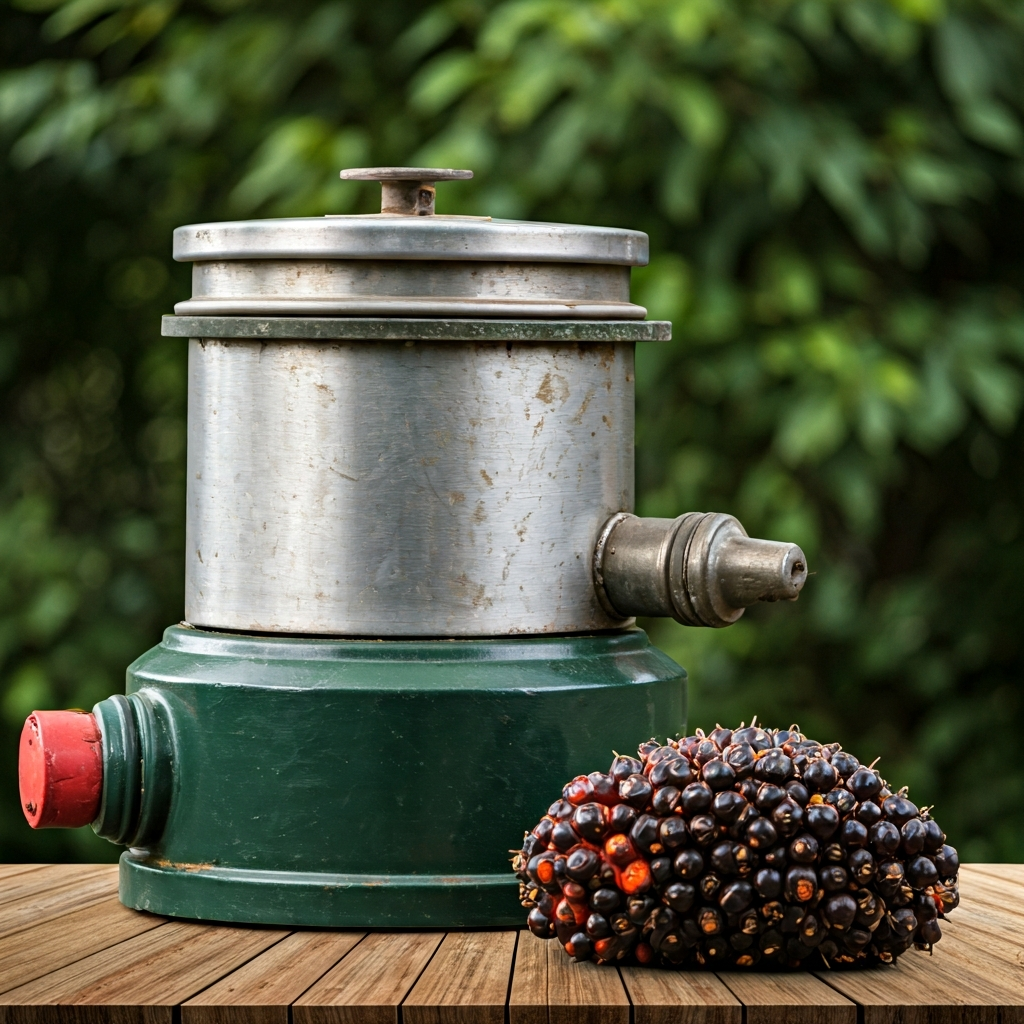
Palm Kernel Expeller: The Ultimate Guide for 2026
معصرة نواة النخيل is rapidly becoming the go-to feed ingredient for savvy livestock managers facing volatile commodity prices. If you’re looking for a cost-effective, high-energy feed source to improve performance and profitability, understanding معصرة نواة النخيل is no longer optional—it’s essential for staying competitive in 2026.
The challenge of securing consistent, affordable, and nutritious animal feed is a constant pressure point for the agricultural industry. Traditional feeds like soybean meal and corn have seen dramatic price fluctuations, forcing producers to find reliable alternatives without sacrificing quality.
This guide provides the definitive solution, exploring every facet of PKE from its production and nutritional value to its practical applications and market dynamics.
ما هو كسب نواة النخيل (PKE) تحديداً؟
Palm Kernel Expeller (PKE), often called Palm Kernel Cake, is a valuable by-product from the mechanical extraction of oil from the kernel of the palm fruit. It is a globally recognized feed ingredient prized for its balanced energy and protein content.
After the palm nut is cracked and the kernel is crushed to extract palm kernel oil, the leftover fibrous material is dried and processed into PKE. Its granular texture and light brown coloration are characteristic features.
Crucially, this material is not waste. It is a sustainable and economically vital component of the palm oil industry. A study in the Journal of the Saudi Society of Agricultural Sciences confirms its favorable nutritional profile, making it an ideal partial replacement for more expensive grains in livestock diets, particularly for ruminants.
The Production Process: From Palm Fruit to Expeller
Understanding the production of PKE is key to appreciating its quality and consistency. The entire process is a model of efficiency, ensuring that every part of the palm fruit is utilized.
Step 1: Harvesting and Sterilization
The journey begins with harvesting Fresh Fruit Bunches (FFB) from oil palm trees. These bunches are sterilized with high-temperature steam. This process halts enzymatic reactions that could increase free fatty acids and degrade oil quality.
Step 2: Threshing and Digestion
A mechanical thresher separates the palm fruit from the bunch. The fruit is then heated in a digester, which breaks down the oil-bearing cells to prepare them for extraction. This initial step separates the crude palm oil, leaving the palm nut and fiber.
Step 3: Nut Cracking and Kernel Separation
The hard nuts move to a cracking machine. Inside, centrifugal force shatters the shell to release the palm kernel. The lighter قشرة نواة النخيل fragments are then separated from the heavier kernels using winnowing and hydro-cyclones.
Step 4: Mechanical Oil Extraction (Expelling)
This is the crucial step where the expeller is created. The kernels are crushed and fed into a screw press. Intense mechanical pressure extracts the valuable palm kernel oil, leaving behind the solid, protein-rich residue. This residue is PKE, typically containing 5-12% residual oil, which contributes to its high energy value.
الملف الغذائي لكسب نوى النخيل: نظرة متعمقة
The value of PKE in animal nutrition stems from its unique and consistent composition. While exact values can vary based on processing, high-quality PKE generally features the following profile:
- البروتين الخام (CP): 14-18%. This makes it an excellent source of protein for ruminants.
- الألياف الخام: 16-22%. The high fiber content aids in gut health and rumination.
- الدهون الخام (مستخلص الإيثر): 5-12%. The residual oil is a significant source of metabolizable energy.
- الرماد: 4-6%. Provides essential minerals for animal health.
- الفوسفور: Approximately 0.5-0.7%. Crucial for bone development and metabolic processes.
- الطاقة التمثيلية (ME): Typically ranges from 10-12 MJ/kg for ruminants.
Top 7 Benefits of Using PKE in Animal Feed
Incorporating this feed ingredient into rations offers many advantages for livestock producers. These benefits go beyond simple cost savings, contributing to overall herd health and operational efficiency.
- High Cost-Effectiveness: PKE is consistently more affordable than soybean meal, corn, or barley, significantly lowering feed costs per head.
- Excellent Energy Source: The high residual oil and digestible fiber provide a slow-release, sustained energy source, ideal for ruminants.
- Good Protein Levels: With up to 18% crude protein, it supports muscle growth, lactation, and overall development.
- Improves Butterfat Content: For dairy cows, the specific fiber and fat profile of PKE has been shown to increase milk butterfat percentages.
- Enhances Rumen Function: Its abrasive texture and high fiber stimulate rumination, helping to maintain a stable rumen pH and prevent acidosis.
- High Palatability for Ruminants: Cattle, goats, and sheep are naturally drawn to the smell and taste of PKE, which helps drive feed intake.
- إمداد مستدام ومنتظم: As a by-product of the massive palm oil industry, the supply is stable year-round, insulating producers from supply shocks.
مستخلص نواة النخيل مقابل مكونات العلف الأخرى
Choosing the right feed requires a careful comparison. PKE holds a strong position against common alternatives, especially for ruminant diets. Here’s how it stacks up against soybean meal and وجبة جوز الهند.
| ميزة | مستخلص نواة النخيل (PKE) | كسب فول الصويا (SBM) | وجبة جوز الهند |
|---|---|---|---|
| البروتين الخام | 14-18% | 44-48% | 20-24% |
| الألياف الخام | 16-22% (High) | 3-7% (Low) | 9-12% (Moderate) |
| الاستخدام الأساسي | Energy & Fiber for Ruminants | High Protein for All Livestock | Protein & Energy, especially Dairy |
| Cost (General) | منخفضة | عالية | معتدل |
While SBM offers higher protein, its low fiber and high cost make it less ideal as a bulk ingredient for cattle. This palm by-product offers a more balanced nutritional profile for ruminants at a fraction of the price.
Ideal Applications for Palm Kernel Expeller
PKE is a versatile feed ingredient, but its optimal use varies by species due to its high fiber content and specific amino acid profile.
Dairy and Beef Cattle
This is the primary market for PKE. Ruminants are uniquely equipped to digest the high fiber in the expeller, converting it into energy. It is widely used in feedlot and dairy operations to form up to 30% of the total feed ration, supporting milk production and healthy weight gain.
الأغنام والماعز
Like cattle, sheep and goats benefit from the fiber and protein in PKE. However, a nutritionist must carefully formulate rations due to PKE’s naturally higher copper content. For sheep, which are sensitive to copper toxicity, PKE inclusion must be limited. The U.S. Food & Drug Administration (FDA) provides strict guidelines on mineral limits that all producers must follow.
الخنازير والدواجن
For monogastric animals (those with a single-chamber stomach) like pigs and chickens, the use of PKE is more limited. Their digestive systems cannot efficiently break down the high fiber content. However, processed or fermented PKE can be included in smaller quantities (typically under 10%) to reduce costs.
Storage and Handling Best Practices
Proper storage is crucial to maintain the quality of PKE and prevent spoilage. Due to its residual oil content, it can be prone to rancidity if not handled correctly.
- Keep it Dry: Store PKE in a cool, dry place away from direct sunlight. Moisture is the primary enemy, as it can lead to mold growth.
- Ensure Good Ventilation: Adequate airflow helps dissipate heat and moisture, reducing the risk of spoilage.
- الوارد أولاً يخرج أولاً (FIFO): Use older stock before new deliveries to ensure the feed remains fresh and potent.
- Pest Control: Implement a robust pest control program to protect the feed from rodents and insects.
المخاطر المحتملة وكيفية التخفيف منها
While PKE is an excellent feed resource, users should be aware of a few potential issues, all of which are manageable with good quality control.
Mycotoxin Contamination
Like any grain or feedstuff, PKE can be susceptible to mycotoxins if it becomes wet. Sourcing from a reputable supplier who performs regular quality checks is the best prevention. Do not use any feed that appears moldy or smells musty.
Copper Levels for Sheep
As mentioned, PKE’s copper content makes it a risk for sheep if overused. Always work with an animal nutritionist to create a balanced diet that accounts for this, ensuring inclusion rates are safe.
الخشونة الناتجة عن محتوى القشور
Low-quality PKE may contain a higher percentage of palm kernel shell fragments, increasing “grittiness” and reducing digestibility. High-quality PKE should have minimal shell content (typically under 5%). Choosing a trusted supplier like Makmur Amanah Sejahtera guarantees a clean, highly palatable product.
Palm Kernel Expeller Price & Market Trends for 2026
The price of this feed ingredient is influenced by several global economic factors. For 2026, the market is expected to remain favorable for buyers. Key drivers include:
- مستويات إنتاج زيت النخيل: Higher CPO production leads to a greater supply of PKE, generally keeping prices competitive. As a sustainable alternative, it’s often used alongside products like جوز الهند in agricultural frameworks.
- Global Feed Demand: Increased demand for animal protein worldwide drives the need for cost-effective feeds.
- Shipping and Logistics Costs: As a bulk commodity, freight rates play a significant role in the final landed price.
- Prices of Competing Feeds: The cost of soybean meal and corn directly impacts PKE’s demand. When their prices rise, it becomes an even more attractive alternative.
Furthermore, industry publications like FeedNavigator continuously monitor these trends, providing valuable insights. For the most accurate, up-to-date pricing, it is always best to contact a direct supplier.
Makmur Amanah Sejahtera توفر منتجات زيت النخيل عالية الجودة مثل معصرة نواة النخيل، Palm Kernel Shell، Crude Palm Oil، Palm Kernel Oil، وغيرها. يُرجى الاتصال بنا عبر واتساب +6282140002198 أو راسلنا عبر البريد الإلكتروني على admin@makmuramanah.co.id.
الأسئلة الشائعة (FAQ)
What is the main use of Palm Kernel Expeller?
The primary use of PKE is as a key ingredient in animal feed, especially for ruminant animals like dairy and beef cattle. Its balanced profile of energy, protein, and high fiber makes it an economical and nutritious component of their daily ration.
Is PKE good for dairy cattle?
Yes, it is exceptionally good for dairy cattle. Its high fiber content promotes healthy rumen function, and its specific fat composition has been shown to help increase the butterfat percentage in milk, a crucial quality and payment parameter in the dairy industry.
ما هو الفرق بين كسب نوى النخيل (Palm Kernel Expeller) وكعكة نوى النخيل (Palm Kernel Cake)؟
The terms are often used interchangeably. However, “expeller” specifically refers to the product from mechanical pressing. “Cake” can sometimes refer to the product left after solvent extraction, which has much lower residual oil content.
How much does Palm Kernel Expeller cost in 2026?
While prices fluctuate, PKE is projected to remain a highly cost-effective feed in 2026 compared to soybean meal or corn. For a current, accurate quote based on volume and location, you should contact a direct supplier for a free consultation.
Does PKE contain too much copper for sheep?
This feed does have naturally elevated copper levels. While this is not an issue for cattle, it can be a concern for sheep. Therefore, PKE should only be used in sheep feed at limited rates and as part of a professionally formulated diet.
Conclusion: The Smart Choice for Modern Agriculture
In conclusion, the strategic use of معصرة نواة النخيل offers a powerful solution to the economic pressures of modern livestock farming. Its excellent nutritional value, proven benefits for ruminant health, and significant cost savings make it an indispensable tool for enhancing profitability and sustainability.
From its efficient production to its wide-ranging applications, PKE stands out as a reliable, high-performance feed ingredient. As the agricultural landscape evolves, embracing ingredients like high-quality PKE from trusted suppliers will be a key differentiator for successful operations.
By integrating this valuable resource, you can ensure your animals receive the energy they need to thrive, all while protecting your bottom line.



