
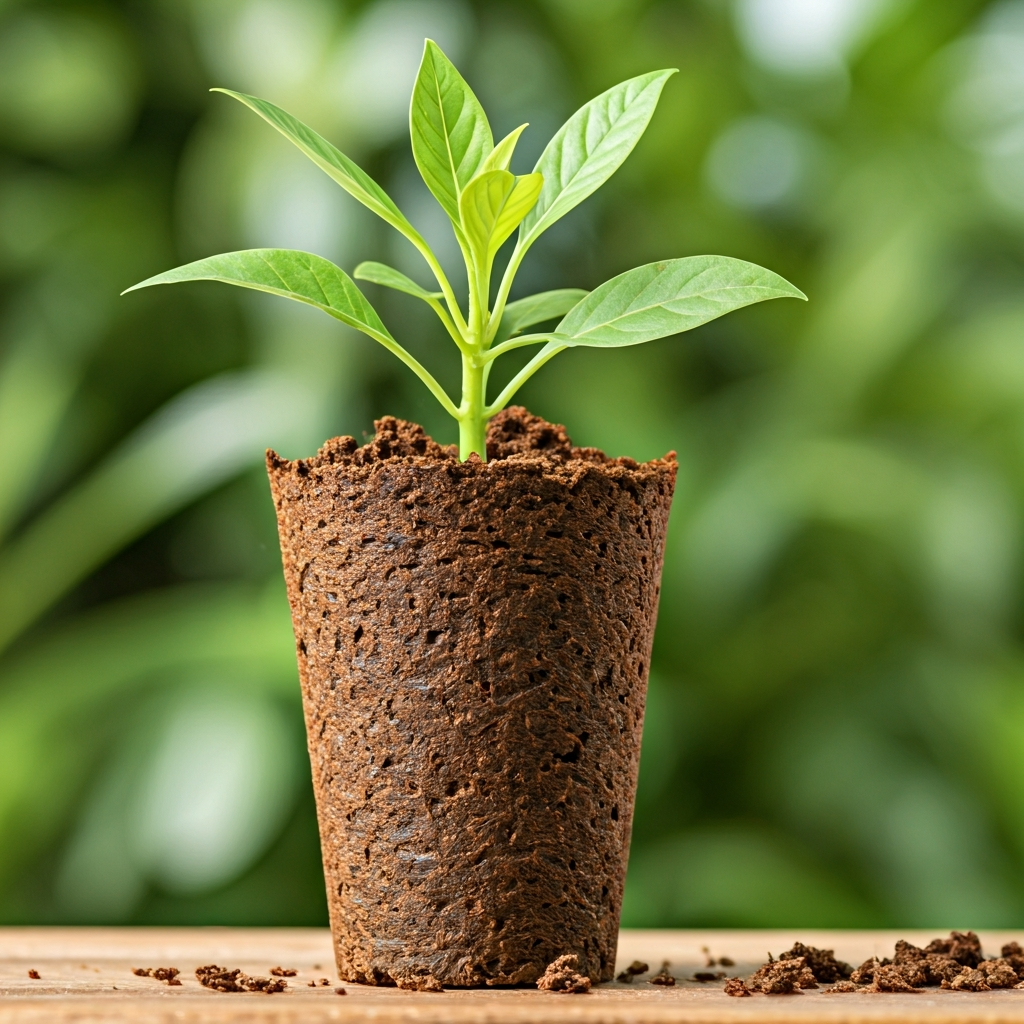
Cocopeat: Panduan Utama untuk Menghindari Kesalahan Fatal
Belajar menggunakan cocopeat adalah salah satu peningkatan terbesar yang dapat Anda lakukan untuk aktivitas berkebun Anda tahun ini. Apakah Anda bosan dengan tanah yang terlalu cepat kering, mudah memadat, atau gagal memberikan kadar air konsisten yang dibutuhkan tanaman Anda untuk tumbuh subur? Anda tidak sendirian. Banyak pekebun menghadapi masalah struktur tanah yang buruk, menyebabkan pertumbuhan kurang optimal dan kerepotan menyiram terus-menerus.
Solusinya mungkin datang dari sumber yang tak terduga: kelapa yang sederhana. Selama berpuluh-puluh tahun, para pekebun telah mencari media tanam yang sempurna, dan jawabannya terletak pada bahan yang berkelanjutan dan andal. Menurut penelitian yang diterbitkan oleh International Society for Horticultural Science, cocopeat telah terbukti menjadi alternatif unggul untuk peat moss tradisional, menawarkan retensi air dan aerasi yang luar biasa. Panduan ini akan menunjukkan kepada Anda cara memanfaatkannya dengan tepat.
Apa Sebenarnya Cocopeat? Pembahasan Mendalam
Lantas, apa sebenarnya bahan ajaib ini? Cocopeat adalah media tanam 100% alami yang terbuat dari serbuk sabut yang ditemukan di antara tempurung keras bagian dalam dan sabut luar kelapa. Dulunya dianggap sebagai produk limbah, bahan ini kini menjadi pilar hortikultura dan hidroponik modern berkat sifat fisiknya yang luar biasa.
Media ini memberikan lingkungan ideal bagi sistem perakaran, mendorong pertumbuhan tanaman yang kuat dengan cara yang sering kali tidak dapat dilakukan oleh tanah tradisional. Memahami asal-usulnya adalah kunci untuk menghargai nilainya dalam berkebun.

Dari Sabut Kelapa Menjadi Emas Berkebun
Perjalanan cocopeat dimulai setelah panen kelapa. Sabut direndam dan diproses untuk memisahkan serat panjang (digunakan untuk tali dan keset) dari serbuk atau "debu". Serbuk inilah bahan baku coir yang Anda gunakan di kebun Anda.
Bahan baku ini kemudian dicuci, dikeringkan, dan sering kali dipadatkan menjadi bentuk blok, briket, atau cakram agar mudah dikirim dan disimpan. Proses ini sangat penting. Coir berkualitas tinggi mengalami proses pematangan dan terkadang "dibuffer" untuk menstabilkan kandungan nutrisi serta pH-nya, menjadikannya siap digunakan secara instan. Transformasi ini mengubah limbah pertanian menjadi produk bernilai tinggi, mirip dengan bagaimana produk sampingan lainnya seperti Bungkil Kopra dimanfaatkan.
Tiga Bentuk Utama Cocopeat
Coir isn’t a one-size-fits-all product. It typically comes in three distinct forms, each with a specific function:
- Coir Pith/Dust: This is the most common form, resembling fine, spongy soil. It has excellent water retention, holding up to 8-10 times its weight in water, making it perfect for moisture-loving plants.
- Serat Sabut Kelapa: These longer strands improve aeration and drainage. Mixing fiber into your substrate prevents compaction and allows oxygen to reach the roots, which is critical for preventing root rot.
- Serpihan Sabut Kelapa: These are small chunks of the coconut husk that act like a coarser, organic version of perlite or clay pebbles. They create large air pockets within the mix, ensuring maximum drainage for plants like orchids and succulents.
Buffered vs. Unbuffered Cocopeat: What to Choose
When you buy coir, you might see the terms “buffered” or “unbuffered.” This is a critical distinction. Raw, unbuffered material has a high concentration of sodium and potassium. Through a process called cation exchange, it can “steal” calcium and magnesium from your fertilizers, making them unavailable to your plants.
To prevent this, producers create buffered coir by pre-treating the raw material with a calcium nitrate solution. This process flushes out the excess sodium and potassium and pre-charges the coir with calcium, ensuring it won’t lock up essential nutrients later. For serious growers, using buffered cocopeat is a non-negotiable step for achieving optimal results.
7 Manfaat Tak Terbantahkan dari Penggunaan Cocopeat
Why has this growing medium become so popular? The advantages are clear, practical, and impactful for any gardener, from beginner to expert.
- Retensi Air yang Luar Biasa: Coconut coir can hold a phenomenal amount of water, releasing it slowly to the plant roots. This means you water less frequently, saving time, water, and creating a more stable moisture environment for your plants.
- Superior Aeration and Root Growth: Even when fully saturated, the fibrous structure of the medium maintains air pockets. This flow of oxygen to the roots is essential for preventing suffocation and disease, leading to a healthier, more extensive root system as explained by agricultural experts at PennState Extension.
- Tingkat pH Netral: Most coir has a pH range of 5.5 to 6.8, which is nearly ideal for the vast majority of plants. Unlike peat moss, which is highly acidic, it provides a neutral starting point, simplifying nutrient management. For a deeper understanding of soil pH, check out this excellent resource from Gardening Know How.
- Berkelanjutan dan Terbarukan: Coconuts are a constantly harvested resource. Using coir helps reduce waste from the coconut industry and provides a sustainable alternative to peat moss, the harvesting of which damages fragile peat bog ecosystems, a critical issue highlighted by organizations like the Aliansi Hutan Hujan.
- Anti-Fungal and Disease Resistant: The material contains natural properties that can help suppress pathogenic fungi like Pythium, which cause root rot. This provides an extra layer of protection for your seedlings and sensitive plants.
- Ringan dan Mudah Ditangani: Whether you’re working with containers, raised beds, or starting seeds, coir is light and easy to manage, especially when compared to heavy bags of topsoil or compost. This is a huge benefit for urban and balcony gardeners.
- Long-Lasting and Reusable: Cocopeat breaks down very slowly, taking over five years to fully decompose. This means you can reuse your potting mix for several growing seasons, saving money and reducing waste. Simply rinse it out and amend as needed.
Cocopeat vs. Peat Moss vs. Tanah: Perbandingan Head-to-Head
How does coconut coir stack up against other common growing media? This table breaks down the key differences to help you decide what’s best for your needs.
| Fitur | Cocopeat | Gambut | Tanah Kebun |
|---|---|---|---|
| Keberlanjutan | Tinggi (Produk sampingan terbarukan) | Low (Non-renewable resource) | Variable (Can be depleted) |
| Tingkat pH | Netral (5,5 – 6,8) | Asam (3,5 – 4,5) | Variable (Often alkaline) |
| Retensi Air | Bagus sekali | Sangat Tinggi | Poor to Moderate |
| Rewetting | Easy (Hydrophilic) | Difficult when dry (Hydrophobic) | Variable (Can crust over) |
| Jangka hidup | ~5+ years | ~2 tahun | Permanent but compacts |
| Kandungan gizi | Inert (Requires fertilizer) | Inert (Requires fertilizer) | Mengandung beberapa nutrisi |

Cara Mempersiapkan dan Menggunakan Cocopeat: Panduan Langkah demi Langkah
Using compressed coir is incredibly simple, but following these steps is key to success. Most is sold in dehydrated, compressed bricks.
- Choose a Large Container: Select a wheelbarrow or a large tub. A 5kg (11 lb) block will expand to about 60-70 liters (15-18 gallons), so don’t underestimate the volume!
- Add Water Slowly: Place the brick in the container and add about 25 liters (6.5 gallons) of warm water. Warm water speeds up the expansion process. Pour it over the brick slowly, allowing it to absorb.
- Tunggu dan Gemburkan: Let the block sit for 20-30 minutes. It will begin to swell and fall apart. Use a sturdy trowel or your hands to break up the brick and fluff the material, adding more water as needed until it’s uniformly damp and spongy, but not waterlogged.
Watch It In Action: See how quickly a coir brick expands!
- Check for Buffering Needs: If you’re using unbuffered coir for nutrient-hungry plants like tomatoes or peppers, this is the time to buffer it. Soak the expanded coir in a Cal-Mag solution for 8-12 hours, then rinse. If you are using pre-buffered material, you can skip this step.
- Amend Your Mix: Pure coir is a great starting point, but the best results come from creating a custom mix. A classic, all-purpose recipe is:
- 60% Cocopeat (for moisture)
- 30% Perlite or Pumice (for drainage and aeration)
- 10% Worm Castings or High-Quality Compost (for initial nutrients)
- Plant and Fertilize: You’re now ready to use your mix! Pot your plants as you normally would. Remember, coconut coir is an inert medium. It contains almost no nutrients, so you must begin a regular feeding schedule with a balanced liquid fertilizer within a week or two of planting.
Kesalahan Umum yang Harus Dihindari Saat Menggunakan Cocopeat
While powerful, this medium is not foolproof. Avoiding these common errors is crucial for success and will put you far ahead of the curve.
- Lupa Memberi Pupuk: The #1 mistake is treating coir like soil. It has no nutrients. You MUST provide all the nutrition your plants need. Without a consistent feeding schedule, your plants will yellow and fail.
- Using Low-Quality, Salty Coir: Cheap, unwashed material can contain high levels of salt that will harm or kill your plants. Always buy from a reputable supplier of high-grade, low EC (electrical conductivity) cocopeat. Our product is guaranteed for optimal results.
- Penyiraman Berlebihan: Because it holds so much water, it’s easy to overdo it. Always check the moisture level an inch or two below the surface before watering again. The top may look dry while the root zone is still perfectly moist.
- Not Adding Aeration: Using 100% coir pith can sometimes be too dense for certain plants. Amending with perlite, pumice, or coir chips is almost always a good idea to ensure proper oxygen flow to the roots.
Makmur Amanah Sejahtera menyediakan produk kelapa sawit berkualitas tinggi seperti Palm Kernel Expeller, Cangkang Sawit, Crude Palm Oil, Palm Kernel Oil, dll. Silakan hubungi kami di WhatsApp +6282140002198 atau kirim email kepada kami di admin@makmuramanah.co.id.

Pertanyaan yang Sering Diajukan (FAQ)
1. Can I mix cocopeat with soil?
Absolutely! Mixing coconut coir into garden soil is an excellent way to improve its structure. It increases water retention in sandy soils and improves aeration in heavy clay soils. A common ratio is one part coir to two parts garden soil.
2. How long does cocopeat last?
This medium is very durable due to its high lignin content. It breaks down much slower than peat moss. In a potting mix, it can maintain its structure for over five years, making it an economical and reusable medium for containers.
3. What are the disadvantages of cocopeat?
The main disadvantages are its lack of nutrients and the risk of high salt content or nutrient lock-up in low-quality, unbuffered coir. However, these issues are easily solved by purchasing high-grade, buffered material from a reliable source and fertilizing correctly.
4. Do I need to wash coconut coir before using it?
This depends on the quality. High-quality brands are pre-washed to have a low EC (salt level). If you’re unsure, you can easily wash it yourself. Simply soak the expanded material in fresh water for an hour, drain, and repeat until the runoff water is clear.
5. Is cocopeat good for starting seeds?
It’s one of the best mediums for seed starting. Its fine texture, excellent water retention, and sterile nature provide a perfect, disease-free environment for germination. Once seedlings develop their first true leaves, you must begin applying a diluted fertilizer.
Conclusion: The Future of Your Garden is in Coir
As we’ve seen, coconut coir is far more than just ground-up husks; it’s a horticultural game-changer. From its superior water retention and aeration to its neutral pH and sustainability, it offers clear benefits that address the most common gardening challenges. By understanding how to prepare it and what mistakes to avoid, you are now equipped to unlock its full potential.
Making the switch to a coir-based mix is a decisive step toward a healthier, more productive, and lower-maintenance garden. By choosing a high-quality product and implementing the strategies in this guide, you’re not just growing plants; you’re cultivating a better ecosystem from the roots up. For your next project, embracing cocopeat is a forward-thinking choice that will yield impressive results for years to come.




