
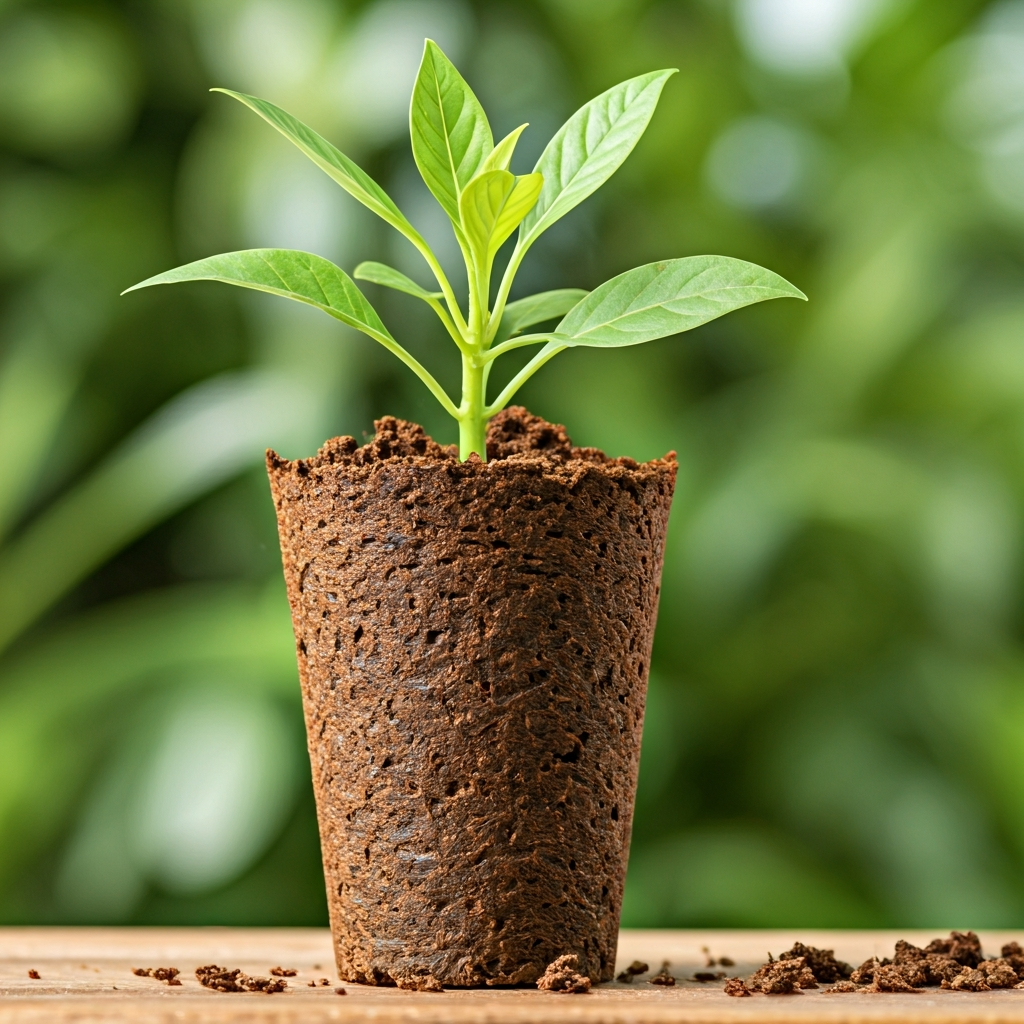
Cocopeat: The Ultimate Guide to Avoid Costly Mistakes
Learning to use جوز الهند is one of the biggest upgrades you can make to your gardening game this year. Are you tired of soil that dries out too fast, compacts easily, or fails to give your plants the consistent moisture they need to thrive? You’re not alone. Many gardeners struggle with poor soil structure, leading to lackluster growth and constant watering chores.
The solution might just come from an unexpected source: the humble coconut. For decades, gardeners have sought the perfect growing medium, and the answer lies in a sustainable and powerful material. According to research published by the International Society for Horticultural Science, coconut coir has been proven to be a superior alternative to traditional peat moss, offering exceptional water retention and aeration. This guide will show you exactly how to leverage it.
What is Cocopeat, Really? A Deep Dive
So, what is this miracle material? جوز الهند is a 100% natural growing medium made from the fibrous pith found between the hard, internal shell and the outer coat of a coconut. Previously considered a waste product, this material has become a cornerstone of modern horticulture and hydroponics due to its incredible physical properties.
It provides an ideal environment for root systems, promoting vigorous plant growth in a way that traditional soil often cannot. Understanding its origins is key to appreciating its value in the garden.

From Coconut Husk to Garden Gold
The journey of coconut coir begins after the coconut harvest. The husks are soaked and processed to separate the long fibers (used for ropes and mats) from the pith or “dust.” This pith is the raw material for the coir you use in your garden.
This raw material is then washed, dried, and often compressed into blocks, bricks, or discs for easy shipping and storage. This process is crucial. High-quality coir is aged and sometimes “buffered” to stabilize its nutrient content and pH, making it ready for immediate use. This transformation turns agricultural waste into a high-value product, similar to how other byproducts like وجبة جوز الهند are utilized.
The Three Main Forms of Coconut Coir
Coir isn’t a one-size-fits-all product. It typically comes in three distinct forms, each with a specific function:
- Coir Pith/Dust: This is the most common form, resembling fine, spongy soil. It has excellent water retention, holding up to 8-10 times its weight in water, making it perfect for moisture-loving plants.
- ألياف جوز الهند (الكوير): These longer strands improve aeration and drainage. Mixing fiber into your substrate prevents compaction and allows oxygen to reach the roots, which is critical for preventing root rot.
- رقائق جوز الهند (الكوير تشيبس): These are small chunks of the coconut husk that act like a coarser, organic version of perlite or clay pebbles. They create large air pockets within the mix, ensuring maximum drainage for plants like orchids and succulents.
Buffered vs. Unbuffered Cocopeat: What to Choose
When you buy coir, you might see the terms “buffered” or “unbuffered.” This is a critical distinction. Raw, unbuffered material has a high concentration of sodium and potassium. Through a process called cation exchange, it can “steal” calcium and magnesium from your fertilizers, making them unavailable to your plants.
To prevent this, producers create buffered coir by pre-treating the raw material with a calcium nitrate solution. This process flushes out the excess sodium and potassium and pre-charges the coir with calcium, ensuring it won’t lock up essential nutrients later. For serious growers, using buffered جوز الهند is a non-negotiable step for achieving optimal results.
الفوائد السبع المؤكدة لاستخدام Cocopeat
Why has this growing medium become so popular? The advantages are clear, practical, and impactful for any gardener, from beginner to expert.
- احتفاظ مذهل بالماء: Coconut coir can hold a phenomenal amount of water, releasing it slowly to the plant roots. This means you water less frequently, saving time, water, and creating a more stable moisture environment for your plants.
- Superior Aeration and Root Growth: Even when fully saturated, the fibrous structure of the medium maintains air pockets. This flow of oxygen to the roots is essential for preventing suffocation and disease, leading to a healthier, more extensive root system as explained by agricultural experts at PennState Extension.
- مستوى حموضة (pH) محايد: Most coir has a pH range of 5.5 to 6.8, which is nearly ideal for the vast majority of plants. Unlike peat moss, which is highly acidic, it provides a neutral starting point, simplifying nutrient management. For a deeper understanding of soil pH, check out this excellent resource from Gardening Know How.
- مستدام ومتجدد: Coconuts are a constantly harvested resource. Using coir helps reduce waste from the coconut industry and provides a sustainable alternative to peat moss, the harvesting of which damages fragile peat bog ecosystems, a critical issue highlighted by organizations like the Rainforest Alliance.
- Anti-Fungal and Disease Resistant: The material contains natural properties that can help suppress pathogenic fungi like Pythium, which cause root rot. This provides an extra layer of protection for your seedlings and sensitive plants.
- خفيف الوزن وسهل الاستخدام: Whether you’re working with containers, raised beds, or starting seeds, coir is light and easy to manage, especially when compared to heavy bags of topsoil or compost. This is a huge benefit for urban and balcony gardeners.
- Long-Lasting and Reusable: Cocopeat breaks down very slowly, taking over five years to fully decompose. This means you can reuse your potting mix for several growing seasons, saving money and reducing waste. Simply rinse it out and amend as needed.
الكوكوبيت مقابل البيتموس مقابل التربة: مقارنة مباشرة
How does coconut coir stack up against other common growing media? This table breaks down the key differences to help you decide what’s best for your needs.
| ميزة | جوز الهند | الخث | تربة الحدائق |
|---|---|---|---|
| الاستدامة | عالية (منتج ثانوي متجدد) | Low (Non-renewable resource) | Variable (Can be depleted) |
| مستوى الرقم الهيدروجيني | معتدل (5.5 – 6.8) | حمضي (3.5 - 4.5) | Variable (Often alkaline) |
| احتباس الماء | ممتاز | مرتفع جداً | Poor to Moderate |
| Rewetting | Easy (Hydrophilic) | Difficult when dry (Hydrophobic) | Variable (Can crust over) |
| عمر | ~5+ years | ~سنتين | Permanent but compacts |
| المحتوى الغذائي | Inert (Requires fertilizer) | Inert (Requires fertilizer) | يحتوي على بعض العناصر الغذائية |

كيفية تحضير واستخدام Cocopeat: دليل خطوة بخطوة
Using compressed coir is incredibly simple, but following these steps is key to success. Most is sold in dehydrated, compressed bricks.
- اختر وعاءً كبيراً: Select a wheelbarrow or a large tub. A 5kg (11 lb) block will expand to about 60-70 liters (15-18 gallons), so don’t underestimate the volume!
- Add Water Slowly: Place the brick in the container and add about 25 liters (6.5 gallons) of warm water. Warm water speeds up the expansion process. Pour it over the brick slowly, allowing it to absorb.
- الانتظار والتفكيك: Let the block sit for 20-30 minutes. It will begin to swell and fall apart. Use a sturdy trowel or your hands to break up the brick and fluff the material, adding more water as needed until it’s uniformly damp and spongy, but not waterlogged.
Watch It In Action: See how quickly a coir brick expands!
- Check for Buffering Needs: If you’re using unbuffered coir for nutrient-hungry plants like tomatoes or peppers, this is the time to buffer it. Soak the expanded coir in a Cal-Mag solution for 8-12 hours, then rinse. If you are using pre-buffered material, you can skip this step.
- Amend Your Mix: Pure coir is a great starting point, but the best results come from creating a custom mix. A classic, all-purpose recipe is:
- 60% Cocopeat (for moisture)
- 30% Perlite or Pumice (for drainage and aeration)
- 10% Worm Castings or High-Quality Compost (for initial nutrients)
- Plant and Fertilize: You’re now ready to use your mix! Pot your plants as you normally would. Remember, coconut coir is an inert medium. It contains almost no nutrients, so you must begin a regular feeding schedule with a balanced liquid fertilizer within a week or two of planting.
أخطاء شائعة يجب تجنبها عند استخدام الكوكوبيت
While powerful, this medium is not foolproof. Avoiding these common errors is crucial for success and will put you far ahead of the curve.
- نسيان التسميد: The #1 mistake is treating coir like soil. It has no nutrients. You MUST provide all the nutrition your plants need. Without a consistent feeding schedule, your plants will yellow and fail.
- Using Low-Quality, Salty Coir: Cheap, unwashed material can contain high levels of salt that will harm or kill your plants. Always buy from a reputable supplier of high-grade, low EC (electrical conductivity) جوز الهند. Our product is guaranteed for optimal results.
- الإفراط في الري: Because it holds so much water, it’s easy to overdo it. Always check the moisture level an inch or two below the surface before watering again. The top may look dry while the root zone is still perfectly moist.
- Not Adding Aeration: Using 100% coir pith can sometimes be too dense for certain plants. Amending with perlite, pumice, or coir chips is almost always a good idea to ensure proper oxygen flow to the roots.
Makmur Amanah Sejahtera توفر منتجات زيت النخيل عالية الجودة مثل معصرة نواة النخيل, قشرة نواة النخيل، وزيت النخيل الخام (Crude Palm Oil)، وزيت نواة النخيل (Palm Kernel Oil)، وغيرها. يرجى التواصل معنا عبر واتساب +6282140002198 أو راسلنا عبر البريد الإلكتروني على admin@makmuramanah.co.id.

الأسئلة الشائعة (FAQ)
1. Can I mix cocopeat with soil?
Absolutely! Mixing coconut coir into garden soil is an excellent way to improve its structure. It increases water retention in sandy soils and improves aeration in heavy clay soils. A common ratio is one part coir to two parts garden soil.
2. How long does cocopeat last?
This medium is very durable due to its high lignin content. It breaks down much slower than peat moss. In a potting mix, it can maintain its structure for over five years, making it an economical and reusable medium for containers.
3. What are the disadvantages of cocopeat?
The main disadvantages are its lack of nutrients and the risk of high salt content or nutrient lock-up in low-quality, unbuffered coir. However, these issues are easily solved by purchasing high-grade, buffered material from a reliable source and fertilizing correctly.
4. Do I need to wash coconut coir before using it?
This depends on the quality. High-quality brands are pre-washed to have a low EC (salt level). If you’re unsure, you can easily wash it yourself. Simply soak the expanded material in fresh water for an hour, drain, and repeat until the runoff water is clear.
5. Is cocopeat good for starting seeds?
It’s one of the best mediums for seed starting. Its fine texture, excellent water retention, and sterile nature provide a perfect, disease-free environment for germination. Once seedlings develop their first true leaves, you must begin applying a diluted fertilizer.
Conclusion: The Future of Your Garden is in Coir
As we’ve seen, coconut coir is far more than just ground-up husks; it’s a horticultural game-changer. From its superior water retention and aeration to its neutral pH and sustainability, it offers clear benefits that address the most common gardening challenges. By understanding how to prepare it and what mistakes to avoid, you are now equipped to unlock its full potential.
Making the switch to a coir-based mix is a decisive step toward a healthier, more productive, and lower-maintenance garden. By choosing a high-quality product and implementing the strategies in this guide, you’re not just growing plants; you’re cultivating a better ecosystem from the roots up. For your next project, embracing جوز الهند is a forward-thinking choice that will yield impressive results for years to come.




