
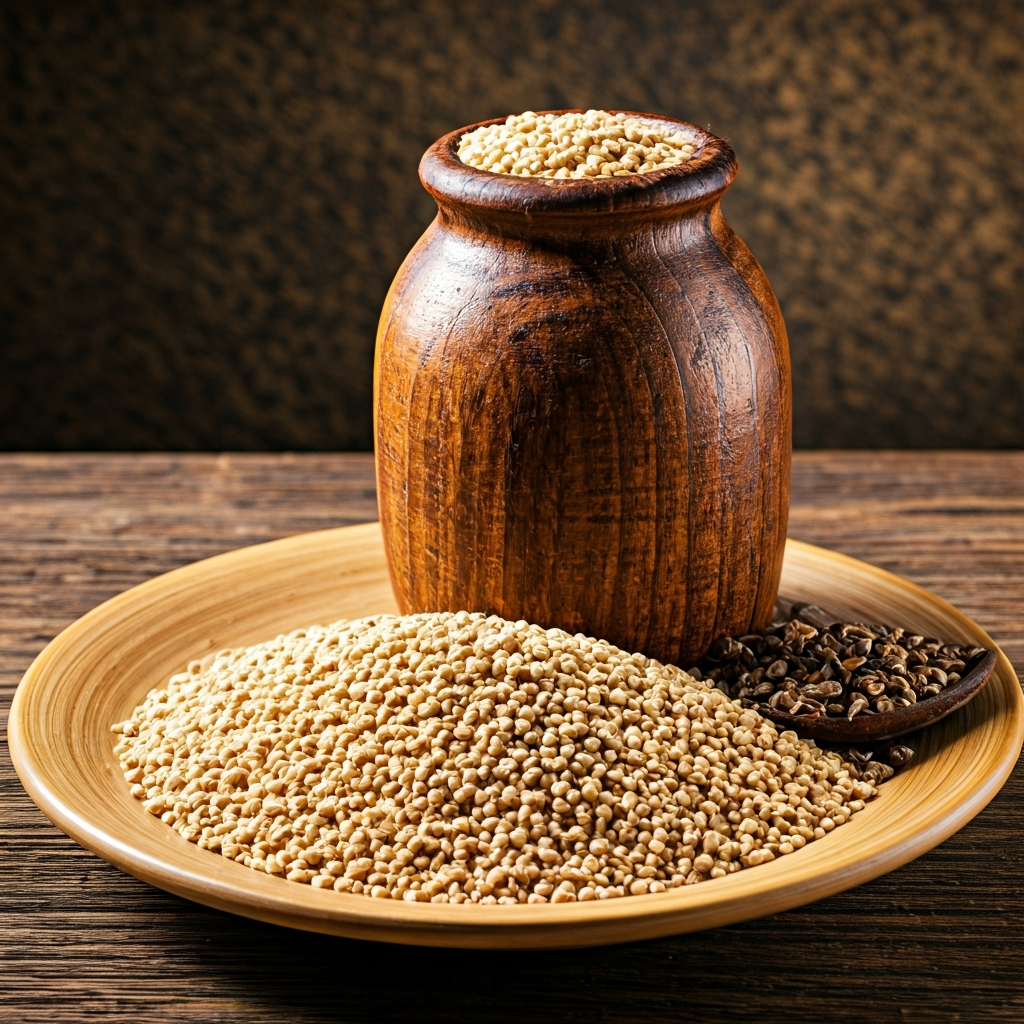
椰子粕:7 大惊人益处终极指南
椰干粉 is a powerful, cost-effective feed ingredient that can revolutionize your livestock nutrition strategy. If you’re searching for a sustainable, high-protein supplement to enhance animal health and productivity, this guide holds the definitive answers.
The challenge for modern agriculture is maximizing output while controlling costs and maintaining sustainability. Finding animal feed that ticks all these boxes is a constant struggle. Many conventional feeds are rising in price, forcing farmers to seek superior alternatives that don’t compromise quality.
This is where this incredible coconut byproduct shines. As a readily available resource from coconut-producing regions, it offers a consistent and economically viable solution. According to the Food and Agriculture Corporate Statistical Database (FAOSTAT), world coconut production is robust, ensuring a stable supply of this valuable feed ingredient for the global market.

What Exactly is Copra Meal? A Detailed Look
At its core, this coconut byproduct is the essential material left over from the coconut oil extraction process. After the coconut flesh (copra) is dried and the oil is pressed out, the remaining fibrous material is this nutrient-rich meal. It is a cornerstone of animal nutrition in many parts of the world.
This isn’t just waste; it’s a valuable feedstuff packed with energy, protein, and fiber. Understanding its origin is key to appreciating its role in a circular and sustainable agricultural economy.
从椰子到椰干:生产工艺流程
The journey begins with mature coconuts. The flesh is removed from the shell and dried using methods like sun-drying or kiln-drying to create copra. This drying process is critical as it reduces moisture content, making oil extraction possible and preserving the material.
Once dried, the copra is subjected to mechanical pressing (expeller pressing) or solvent extraction to separate the valuable coconut oil. The solid residue left behind is the prized meal, ready to be integrated into animal feed formulations.
How Copra Meal Differs from Other Coconut Products
It’s crucial not to confuse this feed with other coconut-derived products. While coconut flour is intended for human consumption and is much finer, this meal is specifically produced for animal feed. Furthermore, it differs from raw coconut in its lower fat content, as the oil has been largely removed.
For related industrial uses, materials like 椰糠 和 棕榈仁壳 are also derived from the coconut and palm industries, highlighting the versatility of these amazing plants.
椰子粕的全面营养成分
The nutritional value of this feed is what makes it so sought-after. It provides a balanced source of energy, protein, and fiber, which are essential for livestock growth, maintenance, and production.
The exact composition can vary based on the oil extraction method and the quality of the copra. However, a typical analysis reveals a profile that is highly beneficial for a wide range of animals, particularly ruminants like cattle, goats, and sheep.
常量营养素分解:蛋白质、纤维和脂肪
Here’s a general overview of its macronutrient content:
- 粗蛋白: Typically ranges from 18% to 25%. While not as high as soybean meal, it provides a significant amount of quality protein for various livestock classes.
- 粗纤维: High in fiber, usually between 10% and 16%. This fiber is highly digestible for ruminants and supports excellent gut health.
- 粗脂肪(乙醚提取物): The residual oil content ranges from 2% to 10%, providing a concentrated source of energy.
Amino Acids and Overall Digestibility
While rich in many amino acids, copra byproduct can be limiting in lysine and methionine. Therefore, it is often used with other protein sources to create a perfectly balanced diet.
发表于 动物饲料科学与技术期刊 highlights that its protein has high bypass value. This means it escapes rumen degradation and is digested in the small intestine, which is highly efficient for ruminants.
在动物饲料中使用椰子粕的 7 大核心优势
Incorporating this feed into livestock rations offers a multitude of advantages that go beyond simple nutrition. These benefits contribute to better animal performance, improved farm profitability, and more sustainable agricultural practices.
- 高性价比的蛋白质来源: It is often more affordable than other protein meals like soybean or canola meal, helping to lower overall feed costs significantly.
- High-Energy Content: The residual coconut oil makes it an excellent energy source, perfect for animals with high energy demands.
- 改善肠道健康: The high level of digestible fiber acts as a prebiotic, promoting beneficial gut bacteria and improving digestive function.
- Enhances Milk Quality: In dairy cows, feeding this meal has been shown to increase milk fat content, leading to higher-quality milk.
- 可持续与环保: As a byproduct, using it reduces waste and makes the food system more efficient and circular.
- 极佳的适口性: Most animals find the slightly sweet taste of coconut appealing, which can help increase overall feed intake.
- Natural and Safe: When sourced correctly, it is a safe and natural ingredient. High-quality 椰干粉 is known for a lower risk of mycotoxin contamination compared to some other feedstuffs.

Copra Meal vs. Other Feed Ingredients: A Comparative Analysis
Choosing the right ingredient requires a careful comparison of nutritional value and cost. While soybean meal has long been the industry standard for protein, both copra and Palm Kernel Expeller offer compelling advantages in terms of cost and specific nutritional properties.
Here is a direct comparison of typical values for these three popular feed ingredients, which helps nutritionists formulate the most effective and economical rations.
| 营养成分 | 椰干粉 | 豆粕 | 棕榈仁压榨机 |
|---|---|---|---|
| 粗蛋白 | 18-25% | 44-48% | 14-17% |
| 粗纤维 | 10-16% | 5-7% | 16-18% |
| 粗脂肪 | 2-10% | 1-2% | 8-10% |
实际应用:在不同牲畜中应用椰干粕
The versatility of this feedstuff allows it to be used across various species. However, inclusion rates must be tailored to the specific animal’s digestive system and nutritional needs. Always consult with an animal nutritionist for best results.
Formulating Rations for Dairy and Beef Cattle
For ruminants, this is a star ingredient. Its combination of bypass protein and digestible fiber is ideal for cattle. In dairy rations, it can be included at up to 20% of the total diet to support milk production and fat content. For beef cattle, it serves as an excellent energy and protein source in backgrounding and finishing rations.

Incorporating in Poultry and Swine Diets
While high fiber can be a limiting factor for monogastric animals like poultry and swine, modern formulations have found a place for this feed. At inclusion rates of 5-10% in layer and broiler diets, it can be a cost-effective component, especially when supplemented with enzymes to help break down fiber. This is a topic of ongoing research, as noted by industry publications like FeedNavigator.
In swine diets, it is typically used in moderation (around 5-15%), making it most suitable for gestating sows where high fiber is beneficial. In aquaculture, it is being explored as a sustainable alternative to fishmeal in the diets of certain species like tilapia, as documented by research from institutions like The Global Seafood Alliance.

Key Considerations and Best Practices
To maximize the benefits of this coconut byproduct, it is crucial to follow best practices for its use. These considerations will help ensure animal safety and optimal performance.
- 妥善储存: Always store the meal in a cool, dry, and well-ventilated area away from direct sunlight to prevent mold growth and mycotoxin contamination.
- Amino Acid Balancing: Since it is low in lysine and methionine, ensure rations are balanced with other protein sources that are rich in these essential amino acids.
- 添加酶制剂: For poultry and swine, consider using feed enzymes to help break down the high fiber content, improving its digestibility and nutrient absorption.
Makmur Amanah Sejahtera 我们提供优质的棕榈产品,例如棕榈仁粕、棕榈仁壳、原棕榈油、棕榈仁油等。请联系我们。 WhatsApp +6282140002198 或发送电子邮件至 admin@makmuramanah.co.id.
常见问题解答 (FAQ)
椰子粕有什么用途?
It is primarily used as a protein and energy supplement in animal feed. It is particularly popular for ruminants like cattle, sheep, and goats, but is also used in moderation for poultry, swine, and in aquaculture feeds.
椰子粕对牛有益吗?
Yes, it is excellent for cattle. Its high digestible fiber supports rumen health, and its bypass protein is efficiently used for muscle growth and milk production. The energy from its residual fat content is also highly beneficial.
椰子粕的蛋白质含量是多少?
The crude protein content typically ranges from 18% to 25%. This makes it a valuable mid-range protein ingredient that can effectively supplement animal diets when balanced with other feedstuffs for a complete amino acid profile.
椰子粕与棕榈粕有什么区别?
Both are byproduct meals, but the first comes from coconuts, while palm kernel expeller comes from oil palm fruit. Copra generally has higher protein content, while palm kernel expeller is known for very high fiber levels.
How should I store copra meal?
It should be stored in a cool, dry, and well-ventilated area away from direct sunlight. Proper storage on pallets is crucial to prevent mold growth and maintain its nutritional quality, ensuring it remains safe for animals.
Conclusion: The Smart Choice for Modern Animal Nutrition
As the agricultural industry evolves, the demand for efficient, sustainable, and cost-effective solutions has never been greater. This coconut feed stands out as a premier choice for animal nutrition, offering a fantastic balance of protein, energy, and fiber that drives performance.
From improving milk fat in dairy cows to providing a sustainable protein for various livestock, its benefits are clear and proven. By incorporating this powerful ingredient into your feeding strategy, you are making a smart economic decision and contributing to a more sustainable food system. The future of high-performance feed relies on versatile ingredients like 椰干粉.



