
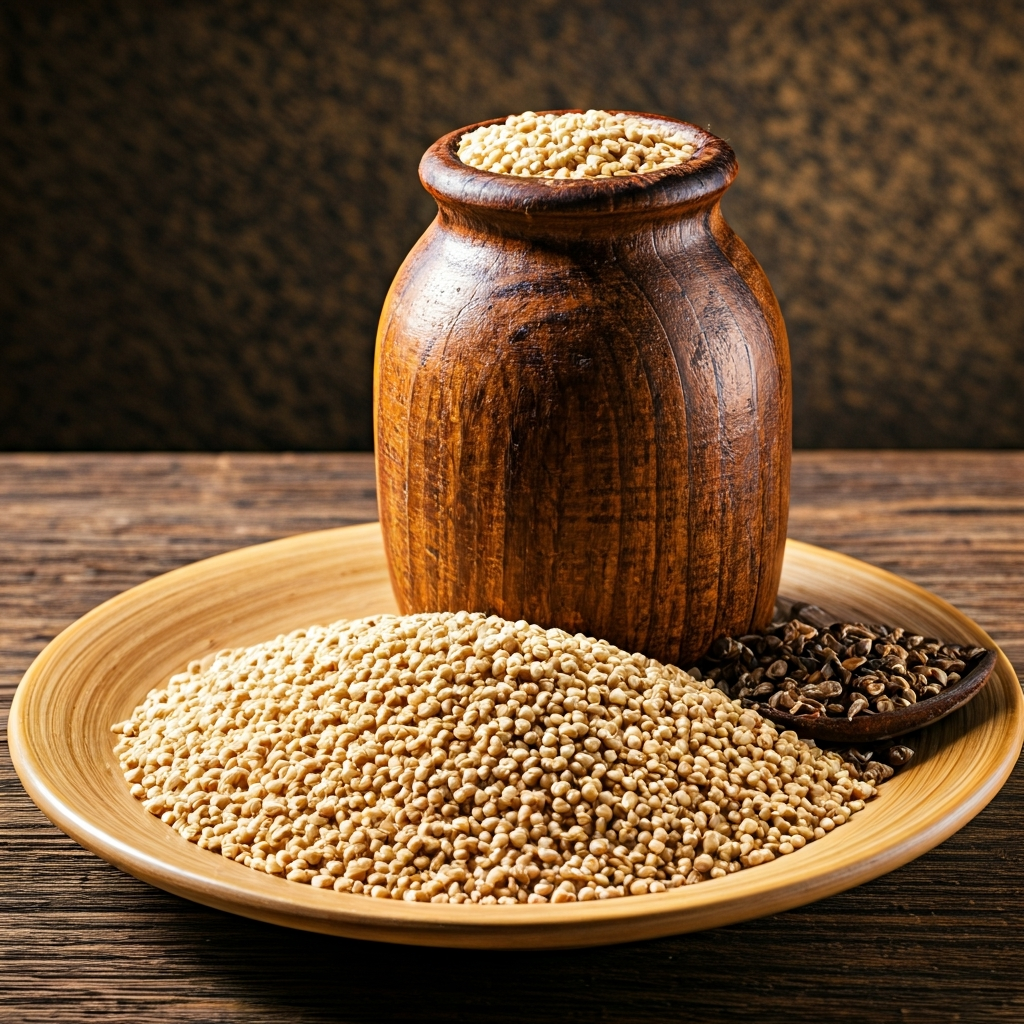
Copra Meal: The Ultimate Guide to 7 Amazing Benefits
وجبة جوز الهند is a powerful, cost-effective feed ingredient that can revolutionize your livestock nutrition strategy. If you’re searching for a sustainable, high-protein supplement to enhance animal health and productivity, this guide holds the definitive answers.
The challenge for modern agriculture is maximizing output while controlling costs and maintaining sustainability. Finding animal feed that ticks all these boxes is a constant struggle. Many conventional feeds are rising in price, forcing farmers to seek superior alternatives that don’t compromise quality.
This is where this incredible coconut byproduct shines. As a readily available resource from coconut-producing regions, it offers a consistent and economically viable solution. According to the Food and Agriculture Corporate Statistical Database (FAOSTAT), world coconut production is robust, ensuring a stable supply of this valuable feed ingredient for the global market.

What Exactly is Copra Meal? A Detailed Look
At its core, this coconut byproduct is the essential material left over from the coconut oil extraction process. After the coconut flesh (copra) is dried and the oil is pressed out, the remaining fibrous material is this nutrient-rich meal. It is a cornerstone of animal nutrition in many parts of the world.
This isn’t just waste; it’s a valuable feedstuff packed with energy, protein, and fiber. Understanding its origin is key to appreciating its role in a circular and sustainable agricultural economy.
From Coconut to Copra: The Production Process
The journey begins with mature coconuts. The flesh is removed from the shell and dried using methods like sun-drying or kiln-drying to create copra. This drying process is critical as it reduces moisture content, making oil extraction possible and preserving the material.
Once dried, the copra is subjected to mechanical pressing (expeller pressing) or solvent extraction to separate the valuable coconut oil. The solid residue left behind is the prized meal, ready to be integrated into animal feed formulations.
How Copra Meal Differs from Other Coconut Products
It’s crucial not to confuse this feed with other coconut-derived products. While coconut flour is intended for human consumption and is much finer, this meal is specifically produced for animal feed. Furthermore, it differs from raw coconut in its lower fat content, as the oil has been largely removed.
For related industrial uses, materials like جوز الهند و قشرة نواة النخيل are also derived from the coconut and palm industries, highlighting the versatility of these amazing plants.
The Comprehensive Nutritional Profile of Copra Meal
The nutritional value of this feed is what makes it so sought-after. It provides a balanced source of energy, protein, and fiber, which are essential for livestock growth, maintenance, and production.
The exact composition can vary based on the oil extraction method and the quality of the copra. However, a typical analysis reveals a profile that is highly beneficial for a wide range of animals, particularly ruminants like cattle, goats, and sheep.
Macronutrient Breakdown: Protein, Fiber, and Fat
Here’s a general overview of its macronutrient content:
- البروتين الخام: Typically ranges from 18% to 25%. While not as high as soybean meal, it provides a significant amount of quality protein for various livestock classes.
- الألياف الخام: High in fiber, usually between 10% and 16%. This fiber is highly digestible for ruminants and supports excellent gut health.
- الدهون الخام (مستخلص الإيثر): The residual oil content ranges from 2% to 10%, providing a concentrated source of energy.
Amino Acids and Overall Digestibility
While rich in many amino acids, copra byproduct can be limiting in lysine and methionine. Therefore, it is often used with other protein sources to create a perfectly balanced diet.
بحث منشور في مجلة علوم وتكنولوجيا تغذية الحيوانات highlights that its protein has high bypass value. This means it escapes rumen degradation and is digested in the small intestine, which is highly efficient for ruminants.
7 Key Benefits of Using Copra Meal in Animal Feed
Incorporating this feed into livestock rations offers a multitude of advantages that go beyond simple nutrition. These benefits contribute to better animal performance, improved farm profitability, and more sustainable agricultural practices.
- Cost-Effective Protein Source: It is often more affordable than other protein meals like soybean or canola meal, helping to lower overall feed costs significantly.
- High-Energy Content: The residual coconut oil makes it an excellent energy source, perfect for animals with high energy demands.
- Improves Gut Health: The high level of digestible fiber acts as a prebiotic, promoting beneficial gut bacteria and improving digestive function.
- Enhances Milk Quality: In dairy cows, feeding this meal has been shown to increase milk fat content, leading to higher-quality milk.
- مستدام وصديق للبيئة: As a byproduct, using it reduces waste and makes the food system more efficient and circular.
- Excellent Palatability: Most animals find the slightly sweet taste of coconut appealing, which can help increase overall feed intake.
- Natural and Safe: When sourced correctly, it is a safe and natural ingredient. High-quality وجبة جوز الهند is known for a lower risk of mycotoxin contamination compared to some other feedstuffs.

Copra Meal vs. Other Feed Ingredients: A Comparative Analysis
Choosing the right ingredient requires a careful comparison of nutritional value and cost. While soybean meal has long been the industry standard for protein, both copra and Palm Kernel Expeller offer compelling advantages in terms of cost and specific nutritional properties.
Here is a direct comparison of typical values for these three popular feed ingredients, which helps nutritionists formulate the most effective and economical rations.
| العناصر الغذائية | وجبة جوز الهند | وجبة فول الصويا | معصرة نواة النخيل |
|---|---|---|---|
| البروتين الخام | 18-25% | 44-48% | 14-17% |
| الألياف الخام | 10-16% | 5-7% | 16-18% |
| الدهون الخام | 2-10% | 1-2% | 8-10% |
Practical Applications: Using Copra Meal for Different Livestock
The versatility of this feedstuff allows it to be used across various species. However, inclusion rates must be tailored to the specific animal’s digestive system and nutritional needs. Always consult with an animal nutritionist for best results.
Formulating Rations for Dairy and Beef Cattle
For ruminants, this is a star ingredient. Its combination of bypass protein and digestible fiber is ideal for cattle. In dairy rations, it can be included at up to 20% of the total diet to support milk production and fat content. For beef cattle, it serves as an excellent energy and protein source in backgrounding and finishing rations.

Incorporating in Poultry and Swine Diets
While high fiber can be a limiting factor for monogastric animals like poultry and swine, modern formulations have found a place for this feed. At inclusion rates of 5-10% in layer and broiler diets, it can be a cost-effective component, especially when supplemented with enzymes to help break down fiber. This is a topic of ongoing research, as noted by industry publications like FeedNavigator.
In swine diets, it is typically used in moderation (around 5-15%), making it most suitable for gestating sows where high fiber is beneficial. In aquaculture, it is being explored as a sustainable alternative to fishmeal in the diets of certain species like tilapia, as documented by research from institutions like The Global Seafood Alliance.

Key Considerations and Best Practices
To maximize the benefits of this coconut byproduct, it is crucial to follow best practices for its use. These considerations will help ensure animal safety and optimal performance.
- Proper Storage: Always store the meal in a cool, dry, and well-ventilated area away from direct sunlight to prevent mold growth and mycotoxin contamination.
- Amino Acid Balancing: Since it is low in lysine and methionine, ensure rations are balanced with other protein sources that are rich in these essential amino acids.
- Enzyme Supplementation: For poultry and swine, consider using feed enzymes to help break down the high fiber content, improving its digestibility and nutrient absorption.
مكمور أمانة سجيتيرا نُقدّم منتجات نخيل عالية الجودة مثل مُستخلص نواة النخيل، وقشور نواة النخيل، وزيت النخيل الخام، وزيت نواة النخيل، وغيرها. يُرجى التواصل معنا على واتساب +6282140002198 أو راسلنا عبر البريد الإلكتروني على admin@makmuramanah.co.id.
الأسئلة الشائعة (FAQ)
What is copra meal used for?
It is primarily used as a protein and energy supplement in animal feed. It is particularly popular for ruminants like cattle, sheep, and goats, but is also used in moderation for poultry, swine, and in aquaculture feeds.
هل مسحوق جوز الهند مفيد للماشية؟
Yes, it is excellent for cattle. Its high digestible fiber supports rumen health, and its bypass protein is efficiently used for muscle growth and milk production. The energy from its residual fat content is also highly beneficial.
What is the protein content of copra meal?
The crude protein content typically ranges from 18% to 25%. This makes it a valuable mid-range protein ingredient that can effectively supplement animal diets when balanced with other feedstuffs for a complete amino acid profile.
ما الفرق بين مسحوق جوز الهند المجفف ومعصور نواة النخيل؟
Both are byproduct meals, but the first comes from coconuts, while palm kernel expeller comes from oil palm fruit. Copra generally has higher protein content, while palm kernel expeller is known for very high fiber levels.
كيف ينبغي تخزين مسحوق جوز الهند؟
It should be stored in a cool, dry, and well-ventilated area away from direct sunlight. Proper storage on pallets is crucial to prevent mold growth and maintain its nutritional quality, ensuring it remains safe for animals.
Conclusion: The Smart Choice for Modern Animal Nutrition
As the agricultural industry evolves, the demand for efficient, sustainable, and cost-effective solutions has never been greater. This coconut feed stands out as a premier choice for animal nutrition, offering a fantastic balance of protein, energy, and fiber that drives performance.
From improving milk fat in dairy cows to providing a sustainable protein for various livestock, its benefits are clear and proven. By incorporating this powerful ingredient into your feeding strategy, you are making a smart economic decision and contributing to a more sustainable food system. The future of high-performance feed relies on versatile ingredients like وجبة جوز الهند.


 Arabic
  English
  Indonesian
  Chinese