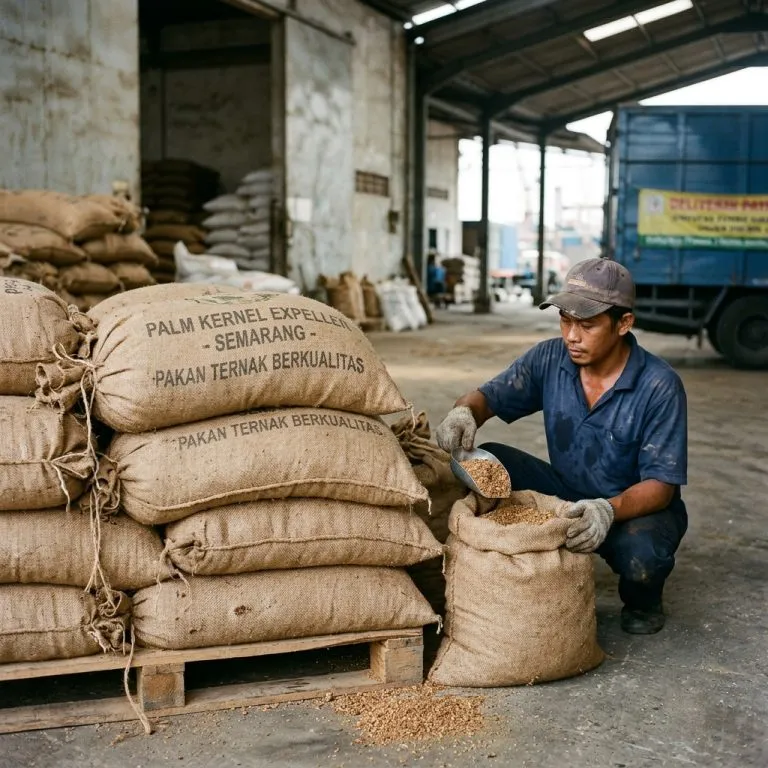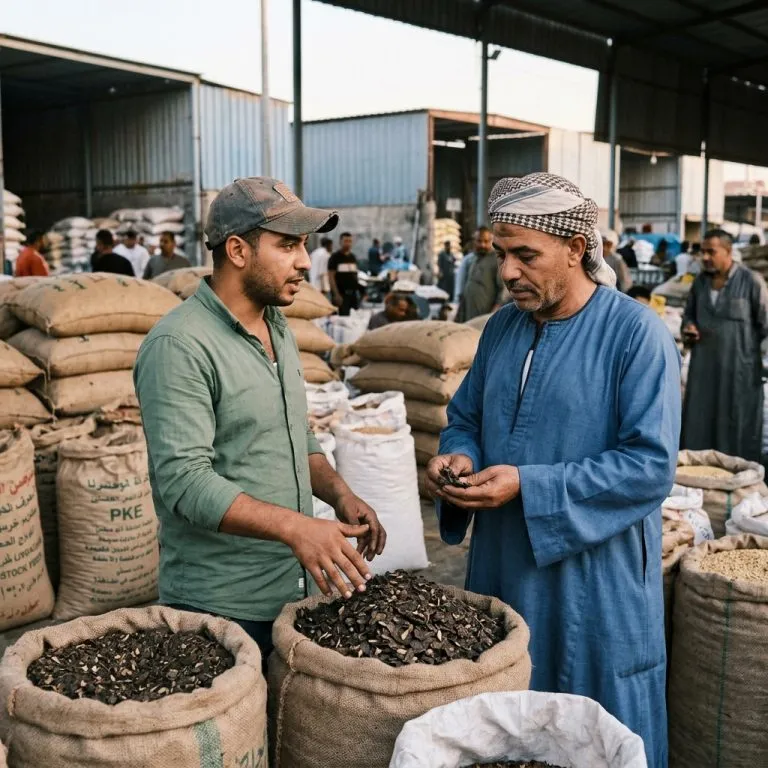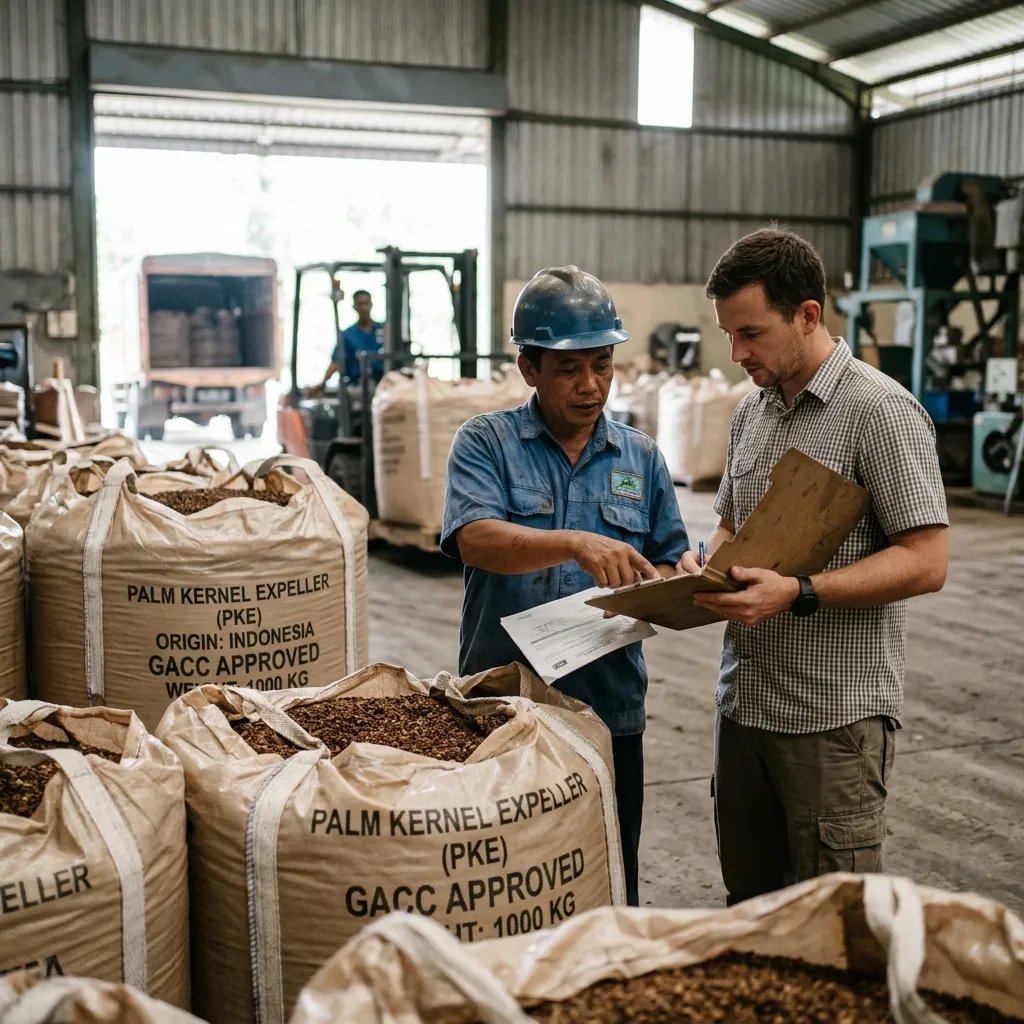
GACC Approved PKE Supplier: 7 Best 2026 Export Secrets
Securing a certified GACC approved PKE supplier in Indonesia is the definitive first step toward establishing a reliable, regulatory-compliant animal feed supply chain into mainland China. As global demand for cost-effective ruminant protein escalates, Indonesian Palm Kernel Expeller (PKE)—also known as palm kernel meal—has emerged as a foundational feed ingredient for commercial dairy and beef operations. However, navigating Chinese customs requires complete alignment with strict biosecurity mandates.
A GACC approved PKE supplier is an Indonesian animal feed manufacturer or exporter officially registered under China’s Decree 248 and Decree 249 via the CIFER system. This registration certifies that the processing facility complies with sanitary, phytosanitary, and traceability standards established by the General Administration of Customs of China to prevent feed contamination and biosecurity threats.
In 2026, Chinese quarantine enforcement is more rigorous than ever. Unregistered shipments face immediate border rejection, mandatory re-export, or confiscation at primary discharge ports such as Qingdao, Tianjin, and Guangzhou. Consequently, global feed formulators and agricultural trading houses cannot afford compliance oversights. This comprehensive 2026 guide delivers a thorough breakdown of registration frameworks, quality parameters, vetting protocols, and logistics strategies for procuring bulk feed from a trusted GACC approved PKE supplier.
What Defines an Authentic GACC Approved PKE Supplier?
Finding a verified GACC approved PKE supplier requires understanding the exact legislative mechanisms governing agricultural feed imports into China. Historically, agricultural trade relied on generalized bilateral health certificates. Today, China enforces factory-level oversight through direct bureaucratic registration.
In early 2022, China implemented Decree 248 and Decree 249 compliance requirements. These landmark decrees expanded overseas oversight to animal feedstuffs, plant by-products, and bulk raw ingredients. Consequently, an Indonesian expeller plant cannot load single-deck bulk vessels without a validated CIFER registration code.
Furthermore, an authentic GACC approved PKE supplier must pass rigorous evaluations conducted by the Indonesian Agricultural Quarantine Agency (Barantan) before bilateral recommendation to Beijing. The factory must prove complete traceability from fresh fruit bunch crushing mills to sealed warehouse containment.
The CIFER Registration Indonesia Architecture Explained
The China Import Food Enterprise Registration (CIFER) platform categorizes agricultural facilities based on biological and chemical risk profiles. For animal feed by-products like palm kernel meal, CIFER registration Indonesia involves direct competent authority recommendation.
Additionally, each verified GACC approved PKE supplier receives an 18-digit unique overseas enterprise establishment number. Exporters must clearly stencil this specific registration code onto all woven polypropylene bulk bags and print it verbatim across Bills of Lading, Certificates of Origin, and Phytosanitary documentation.
Moreover, registration is never perpetual. GACC issues approvals on five-year renewal cycles, subjecting overseas processors to random video audits and documentation cross-checks. Working with certified CIFER palm kernel meal manufacturers Indonesia ensures your cargo remains fully protected against mid-voyage customs revocations.
Key Mandates for Overseas Feed Mills Under Decrees 248 and 249
Decree 248 focuses on factory hygiene, HACCP implementation, and pest-proof processing zones. Decree 249 governs post-production safety, including product labeling, cold-chain integrity, and rapid recall protocols.
Compliance demands that Indonesian palm kernel meal export facilities operate clean air aspiration lines to extract combustible dust. Plants must also archive batch processing records for at least 24 months to satisfy spontaneous GACC inspection inquiries.
Nutritional Benchmarks of Indonesian Palm Kernel Expeller
Livestock nutritionists favor palm kernel expeller animal feed because mechanical screw-pressing leaves balanced residual oil, delivering dense metabolizable energy. Sourcing from a reliable GACC approved PKE supplier ensures that these key nutritional thresholds are consistently preserved across bulk shipments.
Extensive scientific research indexed by the Food and Agriculture Organization (FAO) and detailed in the Journal of Animal Feed Science and Technology demonstrates that PKE serves as an exceptional dietary fiber and protein source for ruminants, offering superior rumen buffering capacity. Furthermore, its moderate neutral detergent fiber level prevents subacute ruminal acidosis in high-producing dairy cattle.
| Nutritional Parameter | Premium PKE (Export Grade) | Standard PKE (Domestic) | Indonesian Copra Meal |
|---|---|---|---|
| Ruminant Feed Crude Protein | 15.0% – 17.5% min | 13.5% – 14.5% | 20.0% – 22.0% |
| Crude Fat / Residual Oil | 7.0% – 9.0% max | 9.5% – 12.0% | 8.0% – 10.0% |
| Moisture Content | 9.0% – 10.0% max | 11.0% – 12.5% | 10.0% – 11.0% |
| Crude Fiber | 14.0% – 16.0% max | 16.0% – 19.0% | 11.0% – 13.0% |
| Sand & Silica Contamination | < 1.0% strict max | 2.0% – 3.5% | < 1.5% |
| Aflatoxin B1 Level | < 20 ppb (GACC Limit) | Unmonitored | < 20 ppb |
While some commercial livestock feed ingredients supplier networks supplement cattle rations with tropical protein alternatives like copra meal, PKE remains unmatched in terms of long-term commercial price stability and bulk availability across Southeast Asia.
How to Verify GACC Approved PKE Supplier Credentials
International procurement teams must conduct rigorous due diligence before executing sales contracts or transferring letters of credit. Unscrupulous middlemen often claim to possess legitimate export codes belonging to unaffiliated third-party crushing plants. Learning how to verify GACC approved PKE supplier credentials protects buyers from severe legal liabilities.
- Inspect the CIFER Database: Demand the supplier’s exact Chinese registration code. Log directly into the public singlewindow.cn directory to verify that the manufacturer’s name, registered address, and commodity approvals are valid and active.
- Confirm Primary Processing Status: Make sure the counterparty operates an actual expeller facility rather than just a trading shell. A legitimate GACC approved PKE supplier will readily share plant layout designs, Barantan registration audit reports, and past customs entries.
- Review Laboratory Analysis (COA): Require pre-shipment certificates of analysis from accredited international inspection agencies like SGS, Sucofindo, or Intertek, verifying crude protein, moisture, ash, and microbiological parameters.
- Examine Cargo Handling Infrastructure: Verify that port transshipment warehouses maintain strict asphalt floor cleanliness, mechanical ventilation, and dedicated conveyor systems to eliminate mineral soil contamination.

Documenting Phytosanitary Quarantine Certificate Protocols
A capable GACC approved PKE supplier coordinates closely with the local quarantine office to secure flawless export clearance. Every export consignment destined for Chinese ports requires an official phytosanitary quarantine certificate containing precise GACC declaration clauses.
Additionally, the phytosanitary document must confirm phosphine fumigation treatment (typically 2g to 4g per cubic meter for at least 120 hours) to eliminate stored product pests such as Tribolium castaneum and Oryzaephilus surinamensis. Failing to meet these insect-free thresholds results in mandatory quarantine holding at your arrival port.
Moreover, the commercial invoice, packing list, certificate of origin (Form E for ASEAN-China trade), and certificate of fumigation must match the legal entity listed in the CIFER registry without typographical deviations. Adhering to these Indonesian palm kernel expeller export standards to China safeguards your capital against avoidable border delays.
Supply Chain Logistics: From Indonesian Mills to Chinese Ports
Exporting agricultural commodities in bulk requires an unbroken maritime supply chain. In Indonesia, the primary production regions for export-grade PKE are situated in Sumatra (Medan, Dumai, Palembang, Lampung) and Kalimantan (Pontianak, Balikpapan).
Typically, a reputable GACC approved PKE supplier contracts dedicated dump trucks to haul meal directly from mechanical extraction mills to consolidation transit warehouses. These inland storage facilities feature concrete pads and protective sheeting to shield dry expeller pellets from sudden equatorial downpours.
Furthermore, diversified agricultural enterprises frequently consolidate shipments by combining feed ingredients with horticultural media like cocopeat, biomass energy products such as palm kernel shell, or high-grade refined palm fractions including RBD CP8. For advanced animal nutrition programs, leading producers also supply specialized rumen-protected supplements, notably calcium salts of palm oil fatty acids.
- Break-Bulk Vessel Charters: Standard consignments range from 5,000 to 15,000 metric tons, loaded directly into clean, dry vessel holds lined with heavy kraft paper.
- FCL Container Shipments: For regional feed mills lacking deep-water berth access, containerized shipping using 20-foot dry boxes equipped with dry bags and desiccants offers optimal flexibility.
- Moisture Management in Transit: Maintaining moisture below 10.0% prevents sweat condensation inside ship cargo holds while passing through varying equatorial temperatures.
Common Compliance Pitfalls and How to Prevent Border Rejections
Even with legitimate documentation, shipments can run into severe customs barriers if quality control measures fail during sea transit. Importers must proactively collaborate with their GACC approved PKE supplier to eliminate common compliance bottlenecks before cargo departs.
A primary cause of border rejection at Chinese customs is aflatoxin contamination. High relative humidity during prolonged ocean transit can cause rapid mold spore germination, elevating total aflatoxin levels above the legal 20 ppb ceiling. Experienced processors mitigate this risk by deploying active ventilation and mechanical drying systems to stabilize moisture below 9.0% prior to vessel stowage.
In contrast, mechanical contamination poses an entirely separate operational challenge. Chinese customs inspectors reject bulk meal containing excessive foreign material, palm kernel shell fragments, or silica sand. A professional GACC approved PKE supplier implements multi-stage vibrating screens and industrial rare-earth de-stoner magnets to remove all foreign particulates before ship loading.

Overcoming Bulk PKE Feed Grade Export Documentation 2026 Errors
Discrepancies in bulk PKE feed grade export documentation 2026 remain a persistent hazard for Chinese feed importers. Mismatched trade names between commercial invoices and the CIFER directory lead to immediate customs holds at receiving terminals.
Ensure that your GACC approved PKE supplier coordinates with experienced maritime clearing brokers. Validating draft documents before physical vessel departure guarantees swift customs clearance at destination ports.
Makmur Amanah Sejahtera provides high-quality palm products such as Palm Kernel Expeller, Palm Kernel Shell, Crude Palm Oil, Palm Kernel Oil, etc. Kindly contact us at WhatsApp +6282140002198 or email us at admin@makmuramanah.co.id.
Frequently Asked Questions
How do I verify if an Indonesian company is a legitimate GACC approved PKE supplier?
Verify registration by searching the official CIFER singlewindow.cn directory using the exporter’s Indonesian corporate name or 18-digit registration code. Confirm that the approval status is active and explicitly covers palm kernel expeller under the designated animal feed classification.
What is the standard lead time for bulk PKE shipments from Indonesia to China?
Direct sea transit from primary Indonesian export ports like Belawan or Dumai to Chinese discharge terminals requires 12 to 18 sailing days. Total procurement lead time typically spans 3 to 4 weeks, accounting for phytosanitary testing, fumigation, and customs clearance.
Why is phosphine fumigation mandatory for all PKE shipments destined for China?
Chinese quarantine authorities mandate licensed phosphine fumigation to prevent cross-border introduction of agricultural pests like red flour beetles. Consignments must possess certified fumigation documentation showing proper chemical dosage and dwell times before port entry is granted.
Can I import PKE into China using an indirect third-party trader?
Yes, indirect procurement is permitted provided the commercial trader obtains the meal directly from an active, certified manufacturing facility. The crushing plant’s unique CIFER registration code must appear identically across all export manifests, health certificates, and bills of lading.
What are the maximum permissible aflatoxin levels for PKE imported into China?
Under China’s National Feed Sanitation Standard GB 13078, Aflatoxin B1 in imported raw feed ingredients cannot exceed 20 parts per billion (ppb). Shipments exceeding this threshold face mandatory quarantine rejection, destruction, or expensive port re-export procedures.
Conclusion: Securing Your 2026 Animal Feed Pipeline
Navigating China’s import regulatory landscape demands relentless attention to detail, end-to-end cargo traceability, and strict adherence to sanitary mandates. By partnering with an accredited, professional GACC approved PKE supplier in Indonesia, feed mill operators and agricultural traders can safeguard their shipments against border disruptions while securing dependable ruminant nutrition.