
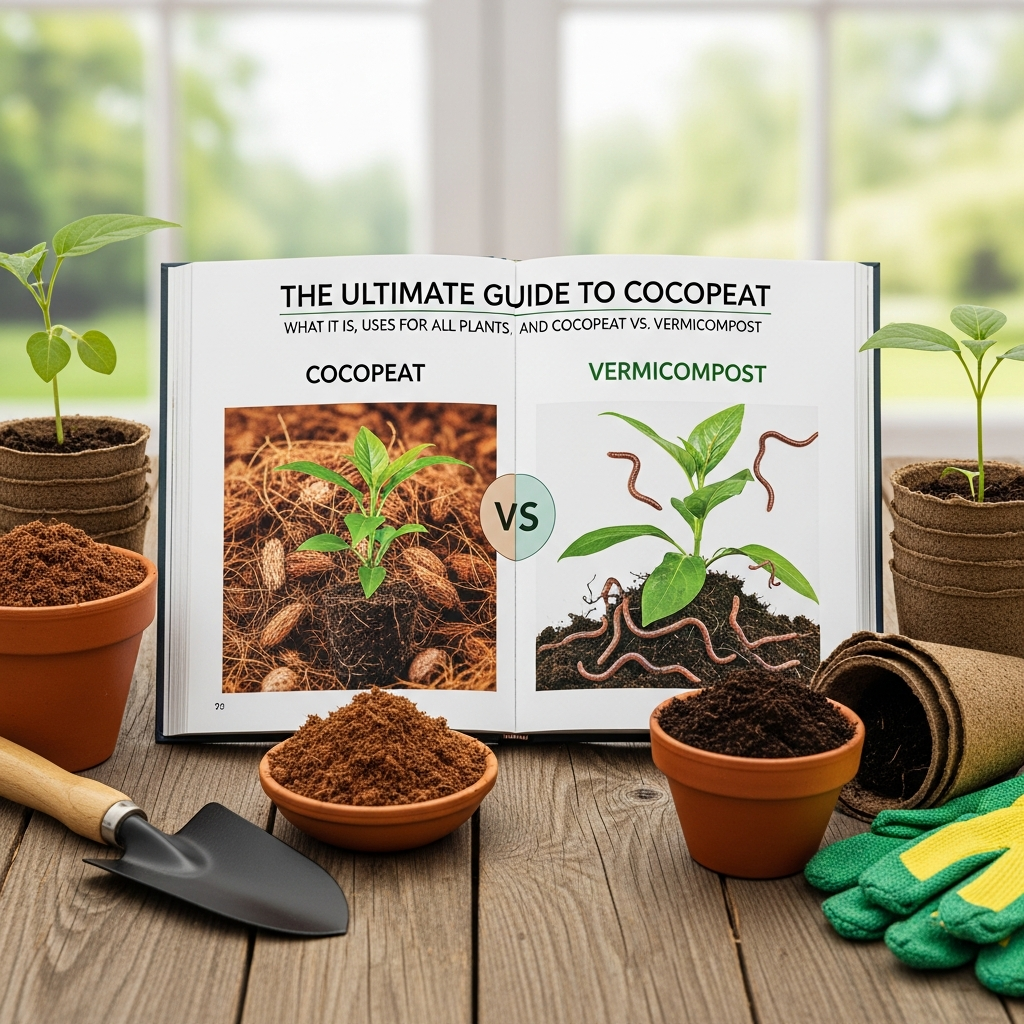
Cocopeat: 10 Amazing Uses & The Ultimate 2026 Growing Guide
Mastering the use of cocopeat is the absolute best way to revolutionize your gardening and commercial agriculture in 2026. Are you tired of struggling with poor soil aeration, severe water retention issues, or agonizingly slow seed germination? This definitive guide provides the exact scientific solutions you need to transform your agricultural approach immediately.
For decades, traditional peat moss dominated the global horticultural industry. However, severe environmental concerns have forced modern growers to seek sustainable alternatives. According to a recent study by the USDA Natural Resources Conservation Service on soil health conservation, utilizing organic substrates drastically improves root establishment.
By adopting this incredible coconut-based medium, you will not only accelerate plant growth but also actively protect our fragile ecosystems. Let’s explore the deep science, versatile applications, and direct comparisons of this miraculous gardening material to maximize your crop yields this season.

What is Cocopeat? A Complete Scientific Definition
Cocopeat is a 100% natural, organic growing medium extracted directly from the fibrous husks of discarded coconuts. It acts as an eco-friendly soil amendment that provides superior aeration, excellent drainage, and unmatched moisture retention. Also known globally as coir pith or coconut coir, it serves as the perfect sustainable alternative to environmentally damaging peat moss.
Furthermore, this lightweight agricultural substrate possesses an incredible water-holding capacity. It can effortlessly retain up to 10 times its own dry weight in water while remaining porous enough to prevent dangerous root rot. This precise balance of moisture and oxygen makes cocopeat an invaluable resource for both amateur indoor gardeners and large-scale commercial farmers.
The Detailed Manufacturing Process
Creating this premium substrate requires a meticulous, multi-step industrial process. First, manufacturers separate the raw coconut husks from the valuable long internal fibers. Next, the remaining spongy pith undergoes extensive washing to remove naturally occurring oceanic salts and tannins.
After thorough washing, the material is machine-dried, heat-pasteurized, and carefully sieved to ensure absolute uniform consistency. Finally, it is compressed under massive hydraulic pressure into dense blocks or bricks for highly efficient global shipping. This rigorous preparation guarantees a clean, sterile, and weed-free final product.
10 Amazing Cocopeat Uses for Ultimate Plant Growth
Understanding exactly how to use cocopeat for plants can dramatically improve your seasonal crop yields. Here are the top ten highly practical applications specifically designed for modern growers in 2026.
1. Indoor Houseplants and Sensitive Tropicals
Indoor plants frequently suffer from chronic overwatering and severely compacted potting soil. Mixing this highly fibrous material into your everyday potting mix ensures vital oxygen consistently reaches the delicate root zone. Additionally, it fundamentally prevents the soil from hardening over time, keeping your favorite tropical houseplants incredibly vibrant and remarkably healthy.
2. Advanced Seed Starting and Germination
Because it is naturally sterile, this versatile medium actively prevents fungal damping-off disease in fragile new seedlings. It offers an entirely ideal, disease-free environment for rapid, highly successful seed germination. Seedlings easily push through the lightweight structure, developing robust root systems much faster than in dense traditional dirt.
3. Professional Hydroponics Substrate
Commercial growers widely use this organic material as the primary substrate in sophisticated hydroponic farming operations. Its inert chemical nature allows knowledgeable farmers to strictly control the precise nutrient uptake of their high-value crops. When properly buffered, it acts as a perfect blank canvas for complex liquid fertilizer regimens.
4. Comprehensive Soil Amendment for Garden Beds
Heavy clay soils completely stifle root growth, while extremely sandy soils drain critical water far too quickly. Integrating this rich organic matter immediately fixes both extreme conditions simultaneously. By physically breaking up dense clay and adding critical cellular structure to loose sand, it effortlessly creates the ultimate loamy environment for productive outdoor garden beds.

5. Premium Bedding for Vermiculture and Worm Farms
Earthworms absolutely thrive in consistently moist, highly breathable environments. Using this spongy material as your primary worm bedding ensures optimal humidity levels without risking dangerous anaerobic conditions. It provides a highly comfortable, structurally stable home that encourages rapid worm reproduction and faster compost generation.
6. Sterile Cultivation Base for Gourmet Mushrooms
Growing gourmet mushrooms requires an absolutely pristine, contamination-free substrate to prevent aggressive competing molds. When properly pasteurized, this coconut byproduct offers a fantastically clean, highly moisture-retentive base for delicate mycelium networks. It is rapidly becoming a favorite choice among boutique urban mushroom farmers globally.
7. Humidity-Regulating Terrarium Bedding
Exotic reptile and amphibian enthusiasts constantly struggle to maintain precise, stable enclosure humidity. This organic bedding miraculously absorbs excess ambient moisture and slowly releases it back into the terrarium air as needed. It remains completely safe if accidentally ingested in tiny amounts, making it the premier choice for professional herpetologists.
8. Rapid Root Development for Plant Cuttings
Propagating expensive rare plants from simple stem cuttings requires exceptional aeration to entirely prevent basal rot. Sticking fresh cuttings directly into a damp mix of this coir and coarse perlite guarantees almost immediate root node activation. The naturally present Trichoderma fungi also actively protect the vulnerable open wounds from dangerous pathogens.
9. Moisture Retention in Raised Vegetable Beds
Raised garden beds notoriously dry out extremely fast during punishing mid-summer heatwaves. Blending a generous amount of this absorbent pith deeply into your raised bed soil creates a highly efficient underground water reservoir. Your thirsty vegetable crops can easily draw life-saving moisture from these microscopic cellular sponges during extended drought periods.
10. Turf Maintenance for Golf Courses and Athletics
Professional groundskeepers frequently utilize this natural amendment to significantly improve heavily trafficked sports turf. By actively top-dressing worn athletic fields or delicate golf greens with this fine material, they massively increase vital water retention. This eco-friendly practice drastically reduces municipal irrigation costs while simultaneously maintaining beautifully lush, perfectly green grass.
Cocopeat vs Vermicompost: Which is Better?
Novice gardeners constantly debate whether to utilize standard cocopeat or premium worm castings. In reality, these two incredibly popular organic materials serve entirely different primary functions within a healthy garden ecosystem. While one fundamentally excels at physical structural soil improvement, the other actively acts as a highly potent, biologically active fertilizer.
To explicitly provide absolute clarity for your 2026 planting strategy, carefully review this detailed scientific comparison between the two natural materials.
| Feature | Cocopeat | Vermicompost |
|---|---|---|
| Primary Garden Role | Soil structure & superior moisture retention | Heavy nutrient delivery & diverse soil biology |
| Internal Nutrient Content | Very low (fundamentally inert base) | Extremely high (rich in active NPK) |
| Maximum Water Retention | Excellent (holds 10x its dry weight) | Moderate (improves overall capacity) |
| Physical Lifespan in Soil | 3 to 4 long years before degrading | Consumed very quickly by hungry plants |
5 Common Mistakes to Avoid When Using Cocopeat
Even though cocopeat is exceptionally forgiving, novice gardeners occasionally make critical errors during their first applications. Avoiding these simple operational pitfalls ensures your garden reaches its absolute maximum potential without experiencing unnecessary physiological setbacks.
Skipping the Crucial Buffering Process
One of the most frequent mistakes is utilizing unbuffered coir for highly sensitive indoor hydroponic setups. Unbuffered cocopeat naturally holds tightly onto added calcium and magnesium while continuously releasing excess natural potassium. If you do not explicitly buffer it with a robust Cal-Mag solution first, your plants will absolutely suffer from severe calcium deficiencies, leading directly to stunted growth and severely curled leaves.
Overwatering Your Potted Plants
Because this incredible substrate frequently looks visually dry on the top surface much faster than traditional garden soil, many well-meaning gardeners aggressively overwater their pots. Always remember that the deep bottom layers reliably retain extreme amounts of hidden moisture. Always manually check the physical moisture level roughly two inches below the top surface before systematically adding more water.
Forgetting to Add Proper Fertilization
As explicitly mentioned earlier, this specific organic medium is fundamentally inert and virtually nutrient-free. Planting heavy-feeding summer vegetables directly into pure coir without actively adding complex liquid nutrients or rich slow-release organic fertilizers will rapidly starve your entire crop. It must strictly be treated as a supportive structural sponge, not a food source.
Compacting the Medium Too Tightly
While it is frequently incredibly tempting to pack the damp soil firmly around a fragile new plant, doing so utterly defeats the primary structural purpose of using this substrate. Pressing it down entirely too hard completely removes the essential microscopic air pockets that plant roots desperately need to freely breathe and expand.
Buying Low-Quality, Salty Blocks
Importantly, not all commercial brands actively maintain the exact same stringent international quality standards. Purchasing the absolute cheapest available blocks routinely means buying unwashed, raw material heavily loaded with toxic ocean salt. Always strictly source your agricultural products from deeply trusted, premium suppliers to completely avoid hazardous salt accumulation in your valuable garden beds.

How to Properly Prepare Cocopeat for Gardening
Because it typically ships in highly compressed bricks to strictly minimize its global carbon footprint, proper initial preparation is absolutely required. Failing to precisely rehydrate and buffer it correctly can significantly stunt your growing plants. According to the authoritative Penn State Extension guidelines on potting media, proper upfront preparation ensures optimal, long-term nutrient availability.
Follow this simple, highly effective step-by-step hydration process:
- Place the completely solid block securely into a clean, exceptionally large plastic tub or standard wheelbarrow.
- Slowly pour approximately 4 to 5 gallons of slightly warm water over every standard 5kg compressed block.
- Allow the fibrous material to passively absorb the vital moisture undisturbed for roughly 15 to 30 minutes.
- Gently break apart any remaining stubborn hard chunks manually with your bare hands or a sturdy garden trowel.
- If you deliberately purchased an unwashed brand, carefully rinse the fully expanded material thoroughly to completely flush out any excess residual oceanic salts.
The Global Environmental Impact of Coconut Coir
The massive global shift toward this highly organic substrate represents a tremendous victory for ongoing environmental conservation. Historically, ruthlessly mining natural peat bogs released thousands of tons of dangerously sequestered carbon dioxide directly into the fragile atmosphere. In stark contrast, intelligently utilizing the discarded husks of coconuts brilliantly upcycles an abundant agricultural byproduct that would otherwise tragically go to waste.
The broader international scientific community heavily and enthusiastically endorses this crucial industry transition. Comprehensive peer-reviewed research available directly on ScienceDirect regarding coir applications conclusively proves its impressive sustainability metrics far exceed all traditional media. By purposefully choosing this specific eco-friendly product, you immediately and directly support innovative zero-waste agricultural practices and essential global carbon reduction efforts.
Exploring Other High-Quality Agricultural Solutions
Beyond standard horticultural substrates, modern, high-yield agriculture relies heavily on a remarkably wide variety of sustainable palm and coconut byproducts. Sourcing these incredibly vital materials from deeply reputable global suppliers is absolutely crucial for your long-term operational success.
For example, modern commercial livestock farmers significantly benefit from integrating high-grade Palm Kernel Expeller into their daily feed, which consistently provides exceptional, highly reliable nutritional value for growing cattle. Furthermore, combining this with protein-rich Copra Meal creates a perfectly balanced, deeply nourishing diet for maximum livestock weight gain. Specialized dairy operations even utilize advanced nutritional additives like Calcium Salts of Palm Oil Fatty Acids to safely boost crucial milk fat production without disrupting ruminal fermentation.
Additionally, the rapidly expanding global renewable energy sector is increasingly and intelligently utilizing Palm Kernel Shell as a highly efficient, high-calorific biomass fuel alternative. This brilliant sustainable energy solution actively drastically reduces dangerous fossil fuel dependence across massive industrial manufacturing facilities.
Of course, if your strict primary focus remains entirely on optimized crop production, aggressively investing in premium cocopeat absolutely ensures the absolute healthiest possible growing environment. Elite quality sourcing effectively transforms an entirely average seasonal harvest into a remarkably highly profitable commercial yield.
Makmur Amanah Sejahtera provides high-quality palm products such as Palm Kernel Expeller, Palm Kernel Shell, Crude Palm Oil, Palm Kernel Oil, etc. Kindly contact us at WhatsApp +6282140002198 or email us at admin@makmuramanah.co.id.

Frequently Asked Questions About Cocopeat
To explicitly provide absolute, undeniable clarity, we have meticulously compiled the absolute most common critical questions regarding this revolutionary, game-changing growing medium. For significantly deeper technical and historical botanical insights, you can also thoroughly review the broader definitions available on Wikipedia’s official Coir page.
Is cocopeat good for all plants?
Yes, cocopeat is remarkably versatile and significantly benefits almost all common plant species. Its wonderfully neutral pH of approximately 5.5 to 6.8 is universally accepted by most everyday vegetables, sensitive tropicals, and hardy succulents. However, you absolutely must actively pair it with a proper, highly balanced liquid fertilizer regimen.
Does cocopeat contain natural nutrients?
No, it is entirely naturally devoid of any significant essential macronutrients like vital nitrogen and structural calcium. While it naturally contains extremely small trace amounts of useful potassium, you should always practically treat it as a totally inert base. Always intentionally supplement with high-quality, complex liquid nutrients or rich organic compost.
How long does cocopeat last in potting soil?
This remarkable material boasts an exceptionally long physical lifespan. Thanks primarily to its uniquely high internal lignin content, cocopeat strongly resists natural bacterial decomposition. It will wonderfully remain structurally fully sound in your favorite potting mix for up to four full years before fully breaking down.
Can I mix cocopeat with vermicompost directly?
Absolutely. Deliberately mixing these two amazing organic ingredients is highly strongly recommended by veteran master gardeners globally. Powerfully combining the superb, unmatched water retention of the coir with the intensely rich microbial life of vermicompost seamlessly creates the ultimate, exceptionally nutrient-dense growing environment.
How do you properly buffer coconut coir?
Crucial buffering simply requires completely soaking the fully hydrated coir in a highly concentrated Calcium-Magnesium (Cal-Mag) liquid solution for roughly 8 to 12 continuous hours. This incredibly crucial step effectively removes dangerous naturally occurring salts and brilliantly prepares the vital cation exchange sites to flawlessly deliver essential nutrients.
Conclusion: Elevate Your Gardening Strategy Today
In brief summary, actively upgrading your personal horticultural practices explicitly requires intelligently adopting the absolute best available organic materials. From powerfully enhancing rapid seed germination to flawlessly acting as the ultimate, reliable hydroponic base, the incredible, varied benefits of this specific gardening medium are utterly undeniable.
Whether you specifically strategically choose to effectively use it entirely standalone or brilliantly mix it directly with deeply rich vermicompost, fundamentally thoroughly understanding its unique core properties genuinely empowers you to easily achieve totally unprecedented agricultural success.
Right now is definitively the exact perfect time to immediately transition away from highly outdated, deeply environmentally destructive traditional peat moss. Start enthusiastically seamlessly integrating cocopeat into your everyday, daily farming routine right now, and excitedly happily watch your precious plants beautifully thrive like never ever before!



 English
  Indonesian
  Chinese
  Arabic