
Palm Kernel Expeller: The #1 Shocking Truth & Guide (2026)
Palm Kernel Expeller is a cornerstone of the global feed industry, yet its full potential remains a shocking secret to many. For farmers and livestock managers aiming for peak efficiency and profitability in 2026, understanding this powerful ingredient isn’t just an option—it’s a necessity. This guide provides the definitive truth about its uses, benefits, and market price.
The relentless demand for cost-effective and sustainable animal nutrition has put agricultural by-products in the spotlight. With the global animal feed market projected to grow significantly, as noted in analyses by institutions like the World Bank on sustainable commodities, producers are in a constant search for ingredients that balance cost, nutritional value, and availability.
PKE fits this role perfectly, but misinformation can lead to missed opportunities. This comprehensive article will debunk the myths and reveal the data-backed truths you need to know.
What Exactly is Palm Kernel Expeller (PKE)?
Palm Kernel Expeller (PKE) is a high-value feed ingredient and a crucial by-product of the palm oil industry. It is the solid residue left behind after the oil has been mechanically extracted from the kernel of the palm fruit. Often referred to as Palm Kernel Cake (PKC), PKE is celebrated for its balanced energy and protein content, making it a staple in livestock diets worldwide.
Its coarse, gritty texture and light brown color are characteristic, and it is primarily valued as a source of fiber, protein, and fat for ruminants.
[Image: A close-up shot of light brown, coarse Palm Kernel Expeller, showing its texture. | alt: Close-up of high-quality Palm Kernel Expeller texture. | title: Palm Kernel Expeller (PKE) Texture]
Defining PKE in the Feed Industry
In technical terms, Palm Kernel Expeller is classified as a protein feed concentrate. However, its significant fiber and energy content make it a versatile multi-purpose ingredient. Unlike its cousin, Copra Meal, which comes from coconuts, PKE is derived exclusively from the Elaeis guineensis palm. It is a critical component in creating balanced feed rations that promote animal health and productivity while managing costs effectively.
PKE Production & Nutritional Breakdown
Understanding the production process and nutritional profile is key to appreciating the quality and application of PKE. The method of oil extraction and handling directly impacts the nutritional value of the final product.
How PKE is Produced
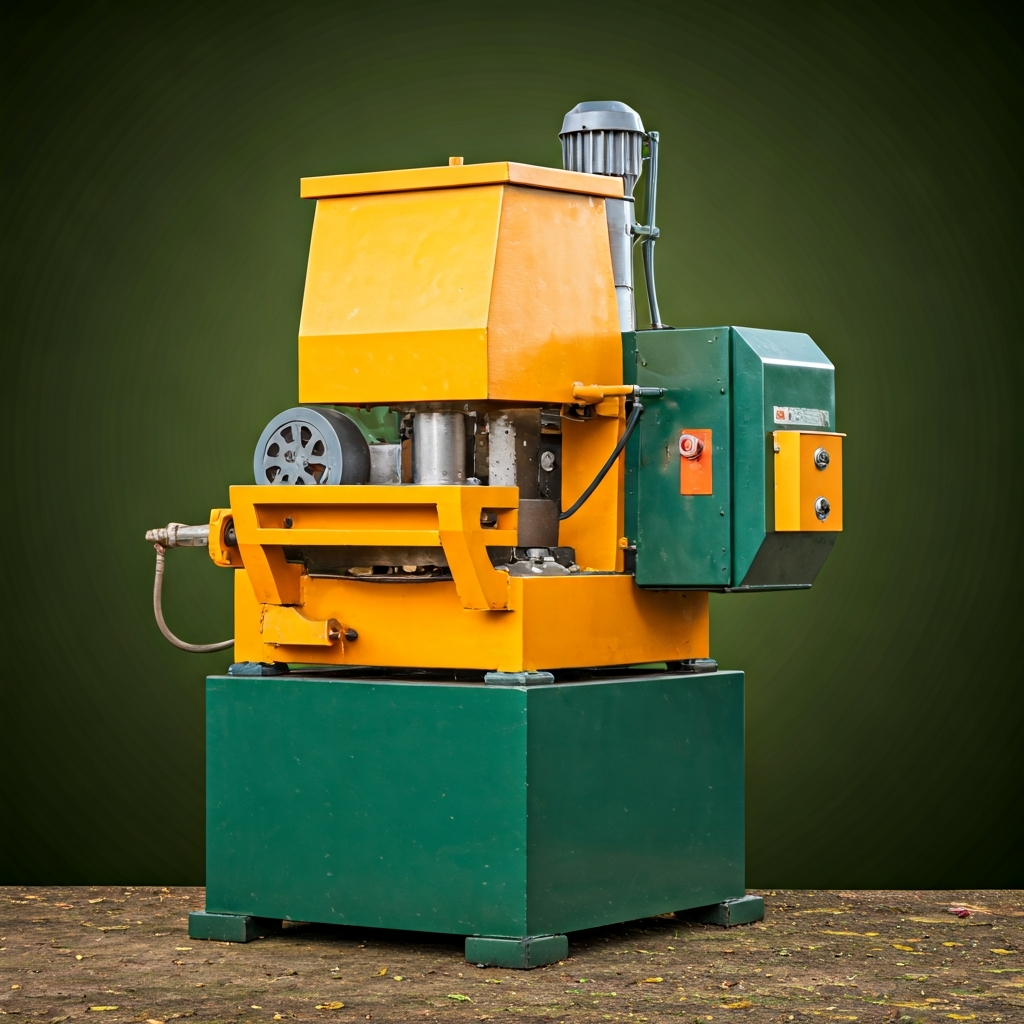
Mechanical Extraction (Expeller Pressing) is the most common method. The palm kernels are crushed and physically pressed under high pressure to squeeze out the Palm Kernel Oil. The solid mass that remains is the PKE. This process is purely mechanical, leaving a residual oil content of approximately 6-10% in the expeller, which contributes to its energy value.
Solvent Extraction is less common and involves using a solvent (typically hexane) to extract remaining oil. This process is more efficient, resulting in a Palm Kernel Meal with a much lower residual oil content (less than 2%). While this increases the protein percentage slightly, the lower energy value makes mechanically pressed PKE the preferred choice for animal feed.
Key Nutritional Profile of PKE
The nutritional composition of PKE can vary, but a typical profile makes it an excellent feed ingredient. According to authoritative sources like Feedipedia, PKE is a good source of metabolizable energy and structural fiber.
Its composition generally includes:
- Crude Protein: 15-22%
- Crude Fibre: 12-18%
- Crude Fat (Ether Extract): 6-10%
- Ash Content: 3-6%
- Metabolizable Energy (Ruminants): Approx. 10-12 MJ/kg
- Key Minerals: High in Phosphorus, Copper, Zinc, and Manganese.
Furthermore, its high phosphorus content is particularly beneficial for bone development and fertility in livestock, making it a valuable addition to breeding stock rations.
Top 7 Proven Uses of Palm Kernel Expeller in Animal Feed
The versatility of PKE is one of its greatest strengths. Here are its top 7 applications in 2026:
- Dairy Cattle Rations: PKE is widely used to supplement the diets of dairy cows. Its high fiber content supports healthy rumen function and butterfat production, while its protein and mineral content, often supplemented with other energy sources like Calcium Salts of Palm Oil Fatty Acids, supports milk yield.
- Beef Cattle Finishing: In feedlot operations, PKE provides a cost-effective source of energy and protein to support weight gain and muscle development in beef cattle.
- Poultry Feed (Broilers & Layers): While its high fiber can limit inclusion rates, PKE is used moderately in poultry diets. When processed to reduce fiber, it can be a valuable protein source for both broilers and laying hens.
- Swine Nutrition: PKE can be included in pig diets, particularly for sows and growers, as a source of fiber and protein. Careful formulation is required to balance amino acid profiles.
- Goat and Sheep Diets: As ruminants, goats and sheep can efficiently digest the high fiber in PKE. It serves as an excellent, affordable base ingredient in their feed concentrates.
- Aquaculture Feeds: Research has shown PKE can be used as a plant-based protein source in the diets of fish species like tilapia and carp, reducing reliance on more expensive fishmeal. A 2021 study highlighted its potential in sustainable aquaculture.
- Biofuel and Biomass: Beyond animal feed, lower-grade PKE can be used as a renewable biomass fuel for generating heat and power. This is often done on-site at palm oil mills, contributing to a circular economy alongside other sustainable biofuel options like Palm Kernel Shell.
[Image: Infographic Concept: A flowchart showing the process from palm fruit to Palm Kernel Expeller. Steps: 1. Harvest Palm Fruit -> 2. Extract Palm Oil -> 3. Crack Palm Kernel -> 4. Press Kernel for Palm Kernel Oil -> 5. Resulting By-product: Palm Kernel Expeller. | alt: Infographic detailing the production of Palm Kernel Expeller. | title: How Palm Kernel Expeller is Made]
Palm Kernel Expeller vs. Other Feed Ingredients: 2026 Comparison
To make an informed decision, it’s crucial to see how PKE stacks up against other common feed ingredients. This table provides a clear comparison for 2026 planning.
| Nutrient / Factor | Palm Kernel Expeller | Soybean Meal | Copra Meal |
|---|---|---|---|
| Crude Protein | 15-22% (Moderate) | 44-48% (High) | 20-25% (Good) |
| Crude Fiber | 12-18% (High) | 5-7% (Low) | 10-13% (High) |
| Energy Value | Good (from fat & fiber) | High (from protein) | Good (from fat) |
| Primary Use | Ruminant feed, fiber source | Monogastric feed, protein source | Ruminant feed, dairy rations |
| Cost-Effectiveness | Generally High | Generally Low (Higher Price) | Moderate to High |
As the table shows, while soybean meal offers higher protein, Palm Kernel Expeller provides a more economically viable package of protein, fiber, and energy, especially for ruminant producers.
Factors Influencing Palm Kernel Expeller Price in 2026
The price of PKE is dynamic and influenced by a complex web of global factors. Staying informed is key to strategic purchasing.
- Crude Palm Oil (CPO) Prices: The price of PKE is intrinsically linked to the CPO market. High CPO production generally leads to a greater supply of PKE, which can pressure prices downward.
- Global Weather Patterns: Events like El Niño can disrupt palm fruit harvesting in major producing countries like Indonesia and Malaysia, tightening supply and increasing prices.
- Demand from Key Importers: Demand from the European Union, China, and New Zealand plays a huge role. Changes in their import policies or domestic feed demand can cause significant price swings.
- Shipping and Freight Costs: As a bulk commodity, transportation is a major cost component. Fluctuations in global shipping rates directly impact the landed cost of PKE.
- Sustainability Regulations: Increasing demand for certified sustainable PKE is a major market driver. As organizations like the Food and Agriculture Organization (FAO) note, the use of agricultural by-products is key to sustainable feed systems, creating price premiums for verified sources.
Sourcing High-Quality Palm Kernel Expeller
Not all PKE is created equal. Quality is paramount to achieving the desired nutritional outcomes and ensuring animal safety. When sourcing, it’s crucial to partner with a trusted supplier to get the best Palm Kernel Expeller available.
Quality Indicators for Palm Kernel Expeller
When assessing PKE, look for the following quality signs. Always request a Certificate of Analysis (COA) to verify the nutritional content and check for contaminants like aflatoxins.
- Color: A uniform light-brown color is desirable. Dark or blackish PKE may indicate overheating or burning during processing.
- Odor: It should have a fresh, nutty smell. Avoid any product with a sour, rancid, or burnt odor, as these can indicate improper storage or spoilage.
- Texture: Look for a consistent, coarse, gritty texture. Excessive dust can point to high shell content, which lowers nutritional value.
- Moisture: Ideal moisture content is below 12%. Anything higher increases the risk of mold growth and mycotoxin contamination.
Makmur Amanah Sejahtera provides high-quality palm products such as Palm Kernel Expeller, Palm Kernel Shell, Crude Palm Oil, Palm Kernel Oil, etc. Kindly contact us at WhatsApp +6282140002198 or email us at admin@makmuramanah.co.id.
[Image: A healthy dairy cow eating from a trough filled with a mixed feed ration. | alt: Dairy cow benefiting from a diet including Palm Kernel Expeller. | title: PKE in Ruminant Feed]
Frequently Asked Questions (FAQs)
Is palm kernel expeller good for dairy cows?
Yes, it is excellent for dairy cows. The high fiber content in PKE promotes good rumen function and can increase butterfat content in milk. Its balance of protein and energy makes it a cost-effective component for supporting overall milk yield and cow health.
What is the difference between palm kernel cake and expeller?
The terms are often used interchangeably. However, “expeller” technically refers to the product from mechanical pressing, which has a higher fat content (6-10%). “Cake” can sometimes refer to the product from solvent extraction, which has a lower fat content (1-2%).
Can chickens eat palm kernel expeller?
Yes, but in moderation. The high fiber content can be difficult for chickens to digest and can limit performance if included at high rates. It is best used at inclusion levels of 5-10% in poultry diets, often with enzymes to help break down the fiber.
How do you store PKE properly?
PKE should be stored in a cool, dry, and well-ventilated area, away from direct sunlight. It should be kept on pallets off the ground to prevent moisture absorption. Proper storage is crucial to prevent mold growth and the development of harmful mycotoxins.
What is the current price of palm kernel expeller?
The price fluctuates daily based on the global factors mentioned above. To get the most accurate and current price for 2026, it is essential to contact a direct supplier or trader, as they can provide quotes based on current market conditions, volume, and location.
Conclusion: Your Final Verdict on Palm Kernel Expeller
The evidence is overwhelmingly clear: Palm Kernel Expeller is more than just a by-product; it’s a strategic asset for modern livestock and feed management. Its unique nutritional profile, cost-effectiveness, and versatility make it an indispensable tool for optimizing animal performance and profitability. By understanding its benefits and how to source it effectively, you can unlock a significant competitive advantage.
[Image: Embedded Video: A YouTube video titled “PKE vs. Soybean Meal: Which is Better for Your Livestock? A 2026 Analysis”. The video would feature a nutritionist comparing the two on camera with graphics. | alt: Video comparing Palm Kernel Expeller and Soybean Meal for livestock. | title: Palm Kernel Expeller vs Soybean Meal Video Analysis]
As we move through 2026, the smart use of sustainable and efficient feed ingredients will separate the leaders from the laggards. In conclusion, the strategic incorporation of PKE into animal nutrition programs offers a powerful, cost-effective, and sustainable advantage for producers worldwide.
 English
  Indonesian
  Chinese
  Arabic