
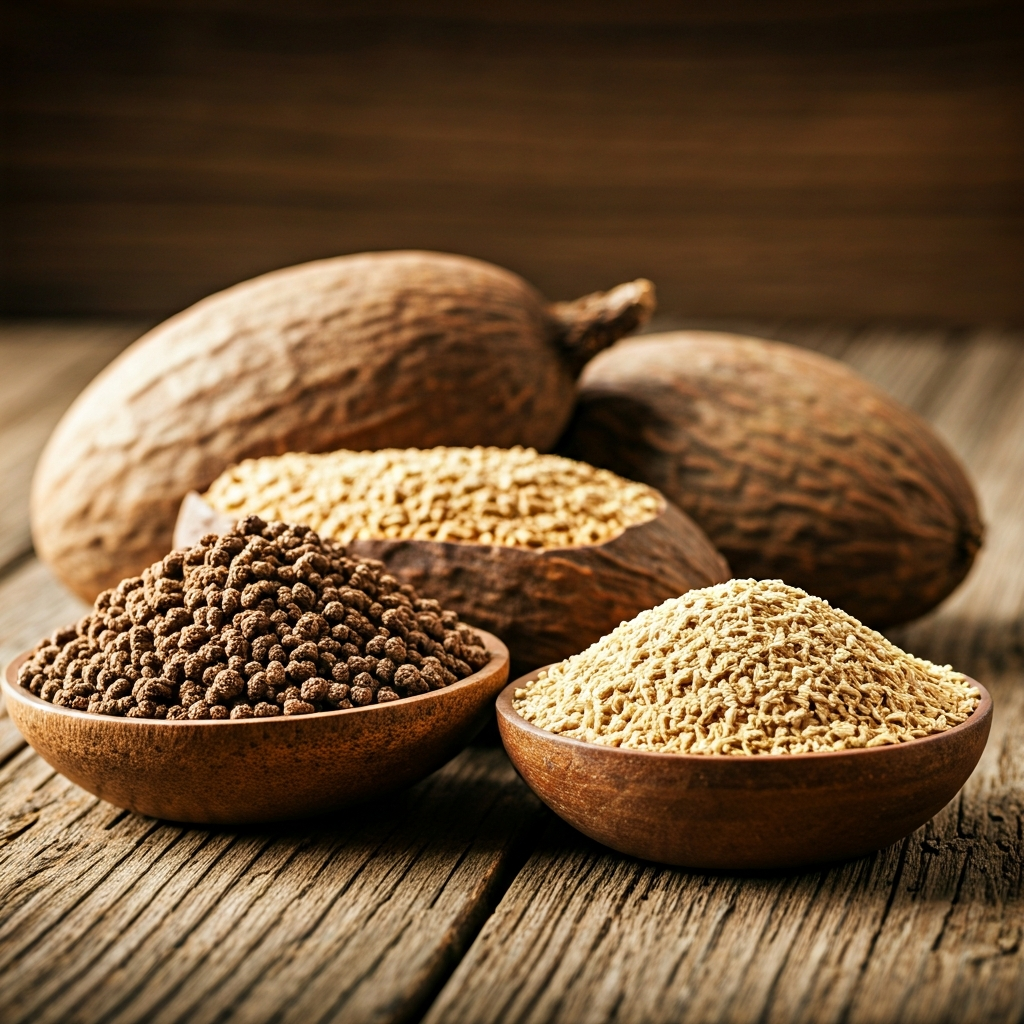
Copra Meal: The Ultimate Guide to Uses, Benefits, and Nutrition
Copra meal is one of the most powerful, yet often overlooked, protein sources in modern animal nutrition. For farmers and livestock managers seeking a cost-effective, sustainable, and nutrient-rich feed ingredient, understanding this coconut by-product is a competitive advantage. This guide provides the definitive answers you need to unlock its full potential.
The challenge of sourcing high-quality, affordable animal feed is a constant pressure in agriculture. Volatile grain prices and the demand for sustainable farming have pushed innovators to find powerful alternatives. According to the Food and Agriculture Organization (FAO), by-products from plant processing are crucial for sustainable livestock development. This article delivers a comprehensive look at how coconut meal can be the solution you’ve been searching for.
What Exactly is Copra Meal? A Deep Dive
Copra meal, also known as coconut meal or copra cake, is the valuable by-product remaining after oil is extracted from dried coconut kernels (copra). Once the oil is removed, the leftover solids are ground into a meal. This process transforms what would be waste into a valuable feed ingredient packed with protein, fiber, and energy.
Historically, coastal communities in tropical regions have used it for generations. Today, modern processing has standardized its quality, making it a reliable component in commercial feed rations worldwide. Unlike some feed options, it comes from a renewable resource—the coconut palm—making it an excellent choice for eco-conscious farming.
The quality of the final product depends heavily on the oil extraction method. Mechanically expelled meal typically has more residual oil, which translates to higher energy content.
For a clear definition: Copra meal is a feed ingredient from the ground residue of coconut kernels after oil extraction, used as a protein and energy source for livestock. Choosing a high-quality Copra Meal is the first step in leveraging its benefits.

The Impressive Nutritional Profile of Copra Meal
The true value of this feed ingredient lies in its dense nutritional composition. While variations exist based on coconut origin and processing, it consistently delivers a powerful blend of essential nutrients. It is particularly prized for its protein and digestible fiber.
Furthermore, the residual coconut oil is rich in Medium-Chain Fatty Acids (MCFAs), like lauric acid. These MCFAs are known for their antimicrobial properties and for being a readily available energy source. This unique fatty acid profile sets it apart from many other vegetable protein sources.
Protein Powerhouse
Protein is fundamental for animal growth, milk production, and overall health. Coconut meal typically contains a crude protein content from 18% to 25%. While it has lower levels of lysine and methionine than soybean meal, it offers a digestible and cost-effective protein source, especially for ruminants like cattle, sheep, and goats.
High in Digestible Fiber
A significant portion of the meal is fiber, crucial for healthy digestive function in ruminants and horses. This high fiber content promotes gut motility and helps prevent digestive issues. The fiber is also partially digestible, contributing to the animal’s overall energy supply.
Energy Content and Beneficial MCFAs
The residual oil (fat) content, typically 6-12% in mechanically pressed meal, makes it a good source of energy. As mentioned, this oil is rich in MCFAs. Research in the Journal of Animal Science and Biotechnology highlights how MCFAs in animal diets improve gut health and nutrient absorption.
Top 7 Proven Benefits of Using Copra Meal in Animal Feed
Integrating Copra Meal into animal diets delivers tangible, performance-enhancing benefits that improve animal health and farm profitability.
- Improved Milk Production and Quality: In dairy cattle, inclusion has been shown to increase milk fat content. The energy and protein are converted into higher quality milk.
- Enhanced Weight Gain in Beef Cattle: As a palatable and energy-dense feed, it promotes higher intake, leading to better daily weight gain in beef cattle.
- Boosts Gut Health: The unique combination of digestible fiber and antimicrobial MCFAs helps maintain a healthy gut microbiome, reducing scours and other digestive issues.
- Cost-Effective Protein Source: Compared to volatile commodities like soybean meal, this coconut by-product is often a more stable and affordable protein source, lowering overall feed costs.
- Sustainable and Eco-Friendly: As a by-product, its use reduces waste and promotes a circular economy. It’s a feed source you can feel good about.
- Improves Coat Condition: The residual coconut oil is famous for promoting a shiny, healthy coat in animals, particularly horses.
- High Palatability: Most animals find the slightly sweet taste and smell highly palatable, which encourages consistent feed intake.

Practical Applications: How to Use This Feed for Different Livestock
Its versatility allows it to be used across a wide range of species, though inclusion rates vary. It’s crucial to introduce any new feed gradually to let the animal’s digestive system adapt.
Using Copra Meal for Ruminants (Cattle, Goats, Sheep)
Ruminants are primary consumers, as their digestive systems are perfectly equipped to use its high fiber and protein. For dairy cows, it can be included at up to 20% of the concentrate ration. For beef cattle, rates of 15-25% are common in fattening diets.
Equine (Horses)
Coconut meal is popular in the equine world for providing ‘cool’ energy—high energy without the excitability of high-starch grains. It’s ideal for performance and senior horses. The recommended rate is 1-2 kg per day for a 500kg horse, always soaked in water before feeding.
Swine (Pigs)
For pigs, it can be used effectively at lower inclusion rates due to its fiber content. In starter rations for piglets, limit it to around 5%. For growers and finishers, it can be increased to 10-15% of the diet. Balancing the amino acid profile is key.
Poultry (Chickens)
Farmers use copra meal more sparingly in poultry diets. Chickens have simpler digestive tracts and cannot utilize fiber as effectively. For laying hens and broilers, an inclusion rate of 3-7% is generally considered safe to provide supplemental protein.
Copra Meal vs. Other Feed Ingredients: A Head-to-Head Comparison
When choosing ingredients, it’s essential to compare nutritional profiles and costs. This feed holds a strong position against sources like soybean meal. A key difference when compared to Palm Kernel Expeller is its higher oil and lower fiber content, making it more energy-dense.
| Nutrient/Factor | Copra Meal | Soybean Meal | Palm Kernel Expeller |
|---|---|---|---|
| Crude Protein | 18-25% | 44-48% | 14-18% |
| Crude Fiber | 10-13% | 5-7% | 15-18% |
| Energy Level | High (due to oil) | Moderate | Moderate |
| Key Feature | Rich in MCFAs | High Lysine/Methionine | High in Shell Fiber |
Potential Risks and Considerations
While highly beneficial, there are a few considerations. The primary concern is potential aflatoxin contamination if the copra is not dried and stored properly. Aflatoxins are harmful to livestock, so it is essential to source your feed from a reputable supplier who guarantees low aflatoxin levels. For more on this, see resources from agricultural bodies like Michigan State University Extension.
Additionally, because of its amino acid profile, it should not be the sole protein source for monogastric animals like pigs and poultry. It must be balanced with other protein sources to meet their complete dietary needs.

Sourcing and Quality: What to Look for When Buying
The quality of coconut meal directly impacts its effectiveness. When sourcing, always ask for a product specification sheet detailing the nutritional analysis. Key factors to check include:
- Protein, fat, and fiber content
- Moisture level (should be low)
- Aflatoxin levels (must be guaranteed low)
High-quality meal should have a light brown color and a pleasant, slightly sweet coconut aroma. Avoid any product that is dark, clumpy, or has a musty smell. A reliable supplier is often part of a sustainable ecosystem that also produces Cocopeat for horticulture or Palm Kernel Shell for bio-energy, demonstrating a commitment to quality control.
Makmur Amanah Sejahtera provides high-quality palm products such as Palm Kernel Expeller, Palm Kernel Shell, Crude Palm Oil, Palm Kernel Oil, etc. Kindly contact us at WhatsApp +6282140002198 or email us at admin@makmuramanah.co.id.
Frequently Asked Questions (FAQ)
What is the difference between copra meal and palm kernel expeller?
Copra meal comes from coconut kernels, while palm kernel expeller is from palm fruit kernels. The coconut-based meal generally has higher energy and lower fiber than PKE, making it ideal for high-performance diets. See our Palm Kernel Expeller page for more.
Is copra meal safe for all animals?
It is safe for most livestock when used at recommended rates. However, its high fiber can be an issue for young animals and poultry in high concentrations. Always consult a nutritionist and source from suppliers who test for aflatoxins, a topic covered by industry experts like FeedNavigator.
How should this feed ingredient be stored?
It should be stored in a cool, dry, well-ventilated area away from direct sunlight. Keep it on pallets to avoid ground moisture. Proper storage is crucial to prevent mold and maintain nutritional quality.

What is the ideal inclusion rate in a diet?
This depends on the animal. For ruminants, 15-25% is common. For horses, 1-2 kg per day. For swine, 5-15%, and for poultry, 3-7%. These are general guidelines; always consult an animal nutritionist to formulate specific rations.
Can it improve milk production in dairy cows?
Yes. Numerous studies and farmer experiences confirm that the energy and digestible protein in coconut meal can lead to an increase in milk volume and, notably, a higher milk fat percentage, which is a key quality indicator.
Conclusion: The Future is a Coconut-Powered Herd
In conclusion, the evidence is clear: Copra meal is a strategic feed ingredient for 2026 and beyond. Its unique nutritional profile—highlighted by digestible protein, beneficial fiber, and energy-rich MCFAs—offers a multitude of benefits for a variety of livestock.
From improving milk fat and boosting weight gain to enhancing gut health and coat condition, it stands out as a cost-effective and sustainable choice. By understanding its applications and sourcing from reputable suppliers, farmers can unlock significant improvements in animal performance and farm profitability.
 English
  Indonesian
  Chinese
  Arabic