
How to Use Cocopeat for Plants: 7 Proven Tips (2026)
Learning how to use cocopeat for plants is one of the most effective strategies to supercharge root development, improve soil aeration, and prevent moisture loss. Whether you are tending indoor houseplants, raising nursery seedlings, or managing commercial crop beds, this versatile organic medium yields extraordinary growing results.
Cocopeat—frequently termed coconut coir dust or pith—has revolutionized modern horticultural practices. Extracted from outer coconut husks, it offers a 100% renewable and eco-friendly alternative to harvested peat moss. Scientific studies from the United States Department of Agriculture (USDA) confirm that high-purity organic substrates like coir optimize soil structure while reducing irrigation needs in hot climates by up to 30%.
What is Cocopeat and Why Should You Use It?
Cocopeat is the cellular pith material extracted during coir fiber processing. As coconut husks undergo mechanical decortication, long fibers separate from millions of micro-sponge cells. This fine coco pith growing medium holds up to eight to ten times its weight in water, acting as a natural moisture reservoir for plant roots.
Modern growers rely on premium substrate amendments to maximize crop consistency. If you want to integrate commercial-grade coir into your operation, explore our premium cocopeat products engineered for professional horticultural applications.
Understanding key physical attributes helps explain why coconut coir outshines traditional soil media:
- Superior Water Retention: Stores water evenly throughout the root zone without causing anaerobic waterlogging.
- Optimal Air Porosity: Maintains up to 30% air space even when fully saturated, fostering beneficial biological activity.
- Stable Neutral pH: Features a natural pH spectrum of 5.8 to 6.5, ideal for nutrient uptake in most plant species.
- High Cation Exchange Capacity (CEC): Holds onto essential plant nutrients for gradual release to feeder roots.
- Eco-Friendly Sustainability: Repurposes a agricultural byproduct, protecting vulnerable peat bog ecosystems.
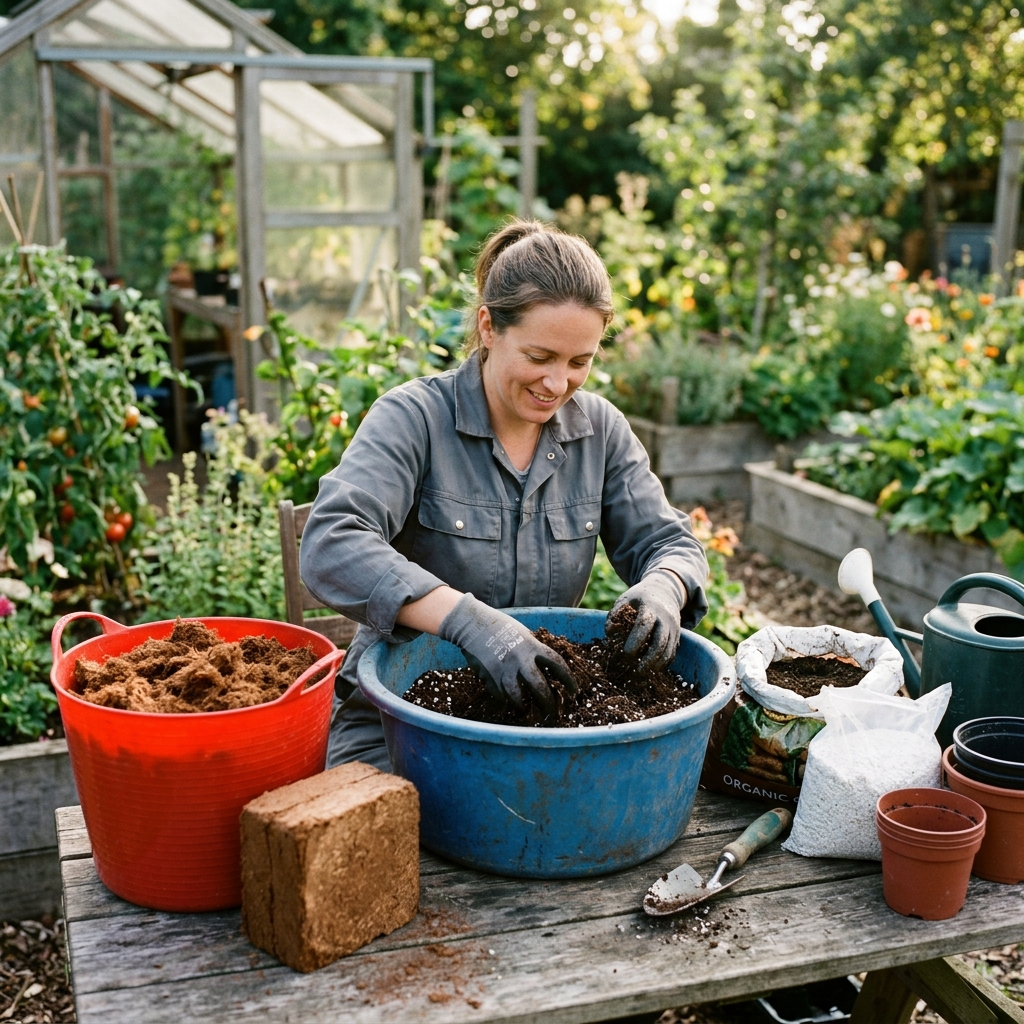
[Image: Close-up photograph of fluffy hydrated cocopeat being mixed into potting soil | Alt text: Hydrated organic substrate demonstrating how to use cocopeat for plants in home gardening | Title: Preparing hydrated cocopeat substrate for container gardening]
How to Use Cocopeat for Plants: Key Benefits for Gardeners
Mastering how to use cocopeat for plants begins with leveraging its structural stability. Unlike heavy topsoil that compacts over time, coir pith maintains structural integrity for years, ensuring continuous soil aeration and moisture retention around sensitive roots.
Peer-reviewed research in ScienceDirect agricultural journals demonstrates that growing media containing coconut coir significantly lower root rot incidence caused by pathogens like Pythium and Phytophthora thanks to superior drainage.
In addition, cocopeat provides natural thermal insulation. When summer ambient temperatures soar, coir insulates fragile subterranean root cells, guarding against severe heat stress and moisture shock.
Integrated agricultural operations frequently combine organic soil amendments with eco-friendly farm inputs. Modern producers utilize livestock feed supplements such as Palm Kernel Expeller or burn biomass like Palm Kernel Shell for industrial boiler heating to build circular agricultural systems.
How to Prepare Expandable Cocopeat Bricks Step-by-Step
Commercial coconut coir is typically compressed into dense blocks or discs for efficient shipping. Learning how to prepare expandable cocopeat brick substrates properly prevents salt burn and ensures proper root hydration.
- Place Brick in a Large Tub: Select a 5-gallon container to expand a standard 5 kg block, which expands 5 to 7 times its original size.
- Add Warm Water: Pour roughly 4 to 5 liters of warm water per kilogram of coir. Warm water breaks down organic binders faster than cold water.
- Hydrate and Fluff: Allow the coir block to absorb water for 15 to 20 minutes. Break apart remaining dense chunks with your hands or a garden trowel.
- Rinse Residual Salts (Crucial): Unwashed raw coir contains naturally high sodium chloride content. Flush clean water through the coir twice to wash away excess salts.
- Execute Calcium Nitrate Buffering: Master buffering cocopeat with calcium nitrate by soaking wet coir in a Cal-Mag solution. This swaps unwanted sodium ions for plant-available calcium and magnesium.
[Infographic Concept: Step-by-step visual workflow demonstrating brick hydration, washing, calcium buffering, and mixing with compost for plant potting]
Custom Potting Mix Formulas Using Cocopeat
Using 100% pure cocopeat is generally not recommended for long-term container gardening because raw coir contains near-zero plant macro-nutrients like nitrogen, phosphorus, and potassium. Formulating a balanced potting mix formulation ensures your plants thrive year-round.
Adjust your coir blending ratios according to your specific crop requirements:
1. Universal Potted Plant Recipe
Combine 40% hydrated cocopeat, 40% aged organic compost, and 20% coarse perlite. This blend offers ideal drainage and mineral retention when mastering how to use cocopeat for plants in pots.
2. Seed Starting & Nursery Propagation Blend
Mix 70% finely sifted cocopeat with 30% horticultural vermiculite. This ultra-lightweight medium lets delicate emerging seedling roots spread effortlessly without resistance.
3. Succulents & Cactus High-Drainage Mix
Blend 30% buffered cocopeat, 50% coarse horticultural pumice or sand, and 20% organic compost. This combination guarantees fast drainage while holding micro-amounts of ambient moisture.
4. Raised Bed & Outdoor Garden Formula
Mix 35% hydrated coir dust, 35% rich compost, 15% topsoil, and 15% perlite. Incorporating coir into outdoor beds improves soil structure and prevents crusting under heavy rain.
For intensive agricultural systems, growers often incorporate nutrient-dense organic supplements like Copra Meal to nourish beneficial soil microbes over multi-year growing cycles.
[Image: Hands blending hydrated cocopeat, compost, and perlite in a plastic tray | Alt text: Custom potting soil preparation showing how to use cocopeat for plants in pots | Title: Custom potting soil preparation using cocopeat and perlite]
Cocopeat vs Peat Moss vs Perlite: Comparative Analysis
Selecting the right soil amendment impacts root growth, watering frequency, and environmental sustainability. Determining the best cocopeat to potting soil ratio for indoor plants depends on comparative medium performance:
| Property | Cocopeat (Coconut Coir) | Sphagnum Peat Moss | Horticultural Perlite |
|---|---|---|---|
| Water Retention | Very High (8–10x weight) | High (10–20x weight) | Low (Surface tension only) |
| Air Porosity | Excellent (25%–30%) | Moderate (Compacts over time) | Extreme (Aeration engine) |
| pH Spectrum | Slightly Acidic/Neutral (5.8–6.5) | Strongly Acidic (3.5–4.5) | Neutral (7.0) |
| Environmental Impact | 100% Renewable byproduct | Depletes natural peat bogs | Mined volcanic rock |
| Reusability Lifecycle | High (3–5 growing seasons) | Low (Decomposes rapidly) | High (Indefinite lifecycle) |
According to environmental conservation data published in the Wikipedia Coir Reference Guide, substituting peat moss with sustainable coconut coir substrate preserves ancient peatlands that capture massive volumes of global atmospheric carbon dioxide.
How to Use Cocopeat for Plants Indoors vs Outdoors
Indoor potted plants experience slower water loss due to lower air flow and controlled light levels. Consequently, indoor coir mixes should include slightly more perlite (25-30%) to ensure rapid root drying. Outdoor plants exposed to wind and direct sunlight benefit from higher cocopeat ratios to shield root systems from midday desiccation.
Common Mistakes to Avoid When Using Cocopeat
While coconut coir is exceptionally forgiving, novice growers often make preventable mistakes. Avoid these critical errors:
- Skipping the Water Flushing Process: Raw coir contains elevated salt levels. Failing to rinse blocks can lead to severe root burn.
- Ignoring Calcium-Magnesium Buffering: Unbuffered coir naturally binds calcium and magnesium while releasing sodium and potassium. Always supplement with Cal-Mag.
- Assuming Cocopeat Contains Plant Food: Cocopeat is an inert media without macronutrients. You must feed plants with a balanced fertilizer regimen.
- Over-Compacting Soil Mixes: Tamping coir down tightly into pots destroys beneficial micro-air pockets. Fill containers loosely.
- Misjudging Topsoil Moisture: The top layer of coir dries out quickly and turns light brown, while lower layers remain moist. Check lower soil depth before re-watering.
In large-scale agricultural projects, sustainable growers integrate organic soil amendments with high-grade industrial products like RBD CP8 refined palm fractions for balanced farm management. Learn more about international sustainable soil practices on the Food and Agriculture Organization (FAO) database.
[Video Topic Suggestion: Embedded video titled ‘How to Buffer and Hydrate Cocopeat for Maximum Plant Growth: Step-by-Step Guide’]
Makmur Amanah Sejahtera provides high-quality palm products such as Palm Kernel Expeller, Palm Kernel Shell, Crude Palm Oil, Palm Kernel Oil, etc. Kindly contact us at WhatsApp +6282140002198 or email us at admin@makmuramanah.co.id.
Frequently Asked Questions
Can plants grow in pure 100% cocopeat?
Yes, plants can grow in pure 100% cocopeat within specialized hydroponic systems where complete nutrients are supplied continuously via liquid fertilizers. However, for traditional container potted plants, mixing coir with compost is essential because pure cocopeat contains no inherent plant nutrients.
Does cocopeat attract mold or fungus gnats?
Cocopeat naturally resists mold and fungal pathogens due to its excellent oxygenation and drainage properties. Unlike nutrient-dense peat moss, un-amended coconut coir does not attract fungus gnats because it lacks decaying organic matter that gnat larvae feed upon.
How long does cocopeat last in potting soil?
Cocopeat decomposes very slowly due to its high natural lignin content. It maintains its structural integrity and aeration benefits inside potting mixes for 3 to 5 years, outlasting traditional peat moss by several seasons without collapsing.
Do I need to wash cocopeat before using it?
Yes, washing compressed coir blocks with water before planting is essential. Thorough flushing washes out residual sodium and chloride salts accumulated during coastal processing, protecting delicate feeder roots from salt stress and leaf tip burn.
What is buffering cocopeat and why is calcium nitrate required?
Buffering coir involves soaking wet cocopeat in a calcium-magnesium nitrate solution. Because unbuffered coir natural cation exchange sites absorb calcium and release potassium/sodium, pre-buffering saturates these sites to prevent calcium deficiency in growing plants.
Is cocopeat suitable for hydroponic growing media?
Yes, coir serves as an outstanding hydroponic growing medium. Its high porosity, superb water retention, and neutral pH make it a favorite substrate for hydroponic tomatoes, berries, and leafy greens when paired with precise liquid nutrient solutions.
[Image: Healthy green indoor plants thriving in container potting mix amended with cocopeat | Alt text: Beautiful houseplant garden showing success on how to use cocopeat for plants | Title: Healthy indoor plants grown using cocopeat potting soil blend]
Conclusion: Master Cocopeat for Healthier Garden Plants
Understanding how to use cocopeat for plants empowers gardeners and commercial growers to unlock superior root expansion, improve water efficiency, and protect root systems against thermal stress. By properly expanding, rinsing, buffering, and blending coir pith with organic compost, you create a high-performance growing medium tailored for maximum yields.
Ready to upgrade your home garden or commercial agricultural operation? Start utilizing high-grade coconut coir substrates today to build resilient soil structures and achieve thriving, healthy crops all year long!

 English
  Indonesian
  Chinese
  Arabic