
جدول المحتويات
- 1. What Exactly is Palm Kernel Meal?
- 2. The 5 Critical Problems of Using Palm Kernel as Animal Feed
- 2.1. Problem 1: Poor Digestibility and Major Nutritional Deficiencies
- 2.2. Problem 2: The Hidden Danger of Mycotoxin Contamination
- 2.3. Problem 3: Grittiness and Poor Palatability
- 2.4. Problem 4: Severe Limitations for Monogastric Animals (Poultry & Swine)
- 2.5. Problem 5: The Unseen Environmental and Ethical Dilemmas
- 3. Are There Ways to Mitigate These Issues?
- 4. The Final Verdict on Using Palm Kernel as Animal Feed
- 5. Your Source for High-Quality Palm Products
The practice of using palm kernel as animal feed is widespread, largely because it’s an abundant and seemingly cheap byproduct of the massive palm oil industry. Farmers and feed manufacturers are often tempted by its low cost, viewing it as a sustainable way to utilize waste. However, beneath the surface of this cost-effective solution lie several significant problems that can impact animal health, productivity, and even the environment. This article uncovers the critical issues you must consider.
1. What Exactly is Palm Kernel Meal?
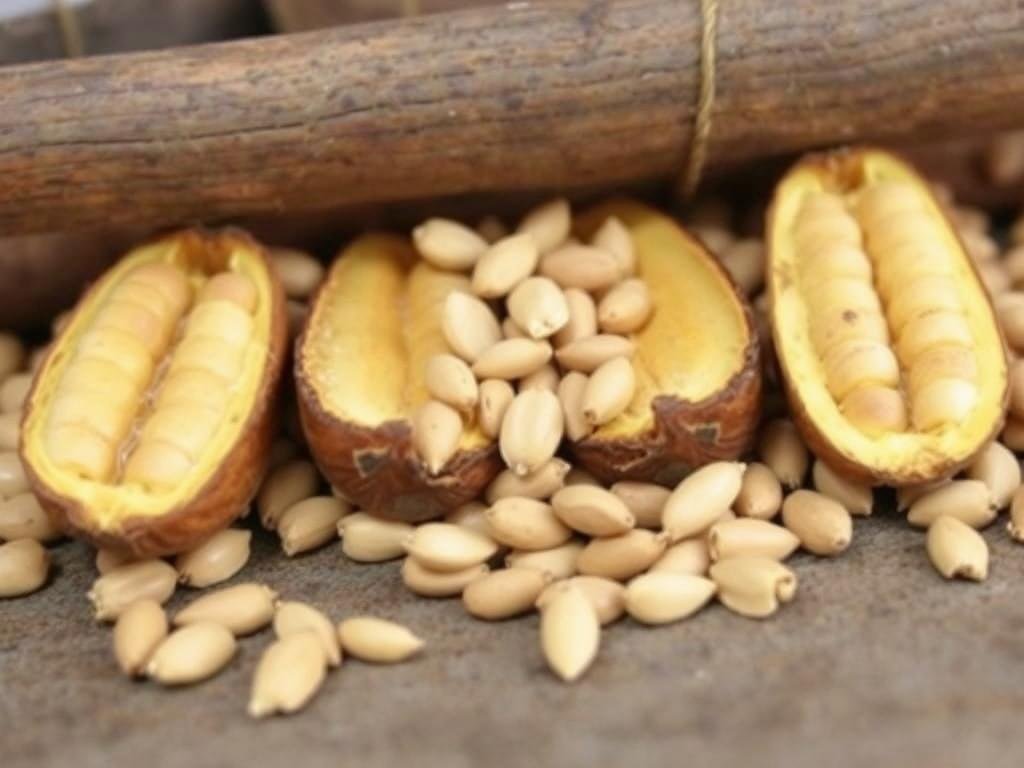
Palm Kernel Meal (PKM) is a byproduct derived from the نواة النخيل after the extraction of زيت نواة النخيل. The most common form, known as معصرة نواة النخيل (PKE), is what remains. It’s primarily composed of fiber, protein, and residual oil. Due to this composition, it has been traditionally incorporated into the diets of livestock, especially ruminants like cattle, sheep, and goats, which are better equipped to digest fibrous materials.
On paper, it looks like a viable ingredient. However, the decision of using palm kernel as animal feed is not as straightforward as it seems. The nutritional quality and safety can vary dramatically depending on the oil extraction process and storage conditions, which is where the problems begin to surface.

2. The 5 Critical Problems of Using Palm Kernel as Animal Feed
While the price point is attractive, the downsides can lead to economic losses that negate the initial savings. Understanding these five core issues is essential for any livestock producer.
2.1. Problem 1: Poor Digestibility and Major Nutritional Deficiencies
The primary issue with PKM is its challenging nutritional profile. It is notoriously high in Non-Starch Polysaccharides (NSPs), particularly mannans. These complex carbohydrates are difficult for many animals to digest, locking away valuable energy and nutrients. For a deep dive into its composition, this research article on ScienceDirect provides a comprehensive analysis.
Furthermore, PKM has a poor amino acid balance. It is critically low in essential amino acids like lysine, methionine, and threonine, which are vital for muscle growth and overall animal development. This makes using palm kernel as animal feed a poor choice as a standalone protein source, especially for high-producing animals.
2.2. Problem 2: The Hidden Danger of Mycotoxin Contamination
The tropical climates where palm is grown are a perfect breeding ground for molds. Palm kernels are highly susceptible to contamination by fungi like الرشاشية الصفراء, which produces aflatoxins. These mycotoxins are potent poisons that can cause severe health problems in livestock, including:
- Liver damage and failure
- Suppressed immune system, leading to higher disease rates
- Reduced growth and poor feed conversion
- Reproductive problems
The Food and Agriculture Organization (FAO) of the United Nations has extensively documented the dangers of aflatoxins in animal feed. The risk of contamination makes relying on PKM a gamble with your animals’ health.
2.3. Problem 3: Grittiness and Poor Palatability
Animals, like people, won’t eat what they don’t like. PKM is known for its coarse, gritty texture, often containing hard, sharp pieces of قشرة نواة النخيل. This makes it unpalatable, leading to reduced feed intake. When animals don’t eat enough, their growth and production suffer directly. This is a simple but critical flaw in the practice of using palm kernel as animal feed.
This issue is particularly pronounced in younger animals and those with more sensitive mouths, like pigs and poultry. Improving the appeal of feed is a constant challenge for farmers, and starting with an unpalatable ingredient is a step in the wrong direction.
2.4. Problem 4: Severe Limitations for Monogastric Animals (Poultry & Swine)
While ruminants can somewhat handle the high fiber in PKM, it’s a disaster for monogastric animals like chickens and pigs. Their simple digestive systems cannot break down the complex NSPs. This leads to a condition known as “viscous digesta” in the gut, which slows down digestion and blocks the absorption of other vital nutrients.
The result is poor growth, wet litter (in poultry), and digestive upset. While special enzymes like mannanase can be added to the feed to help break down the NSPs, they add significant cost. This often negates the initial low price of the PKM, making the strategy of using palm kernel as animal feed for poultry and swine economically unviable without further processing, as detailed in this Poultry World article.
2.5. Problem 5: The Unseen Environmental and Ethical Dilemmas
Finally, you cannot separate a byproduct from its source industry. The production of زيت النخيل الخام من عناقيد ثمار نخيل الزيت is an industry heavily criticized for its role in deforestation, loss of biodiversity, and destruction of habitats for endangered species. By purchasing and using PKM, you are financially supporting this broader supply chain.
Many consumers are increasingly aware of these issues and demand sustainably and ethically sourced animal products. The World Wildlife Fund (WWF) offers extensive information on the environmental impact of palm oil production. Factoring in these ethical concerns is crucial in today’s market, making the choice of using palm kernel as animal feed a potential liability for your brand.

3. Are There Ways to Mitigate These Issues?
Science has offered some solutions to the problems of PKM. As mentioned, enzyme supplementation can improve digestibility for monogastric animals. Additionally, processes like fermentation and pelleting can break down some of the fiber, improve palatability, and potentially reduce mycotoxin loads. However, these interventions require investment, expertise, and strict quality control.
These extra steps add complexity and cost, chipping away at the primary advantage of PKM: its price. For many producers, the effort and risk involved make alternative, more reliable feedstuffs a better long-term investment for their operation.
4. The Final Verdict on Using Palm Kernel as Animal Feed
In conclusion, while the low price of palm kernel meal is tempting, it comes with a host of serious drawbacks. From its poor nutritional profile and digestibility to the risks of mycotoxin contamination, low palatability, and significant environmental baggage, the cons often outweigh the pros.
The decision of using palm kernel as animal feed should not be taken lightly. Without significant processing, enzyme addition, and rigorous quality testing, it can compromise animal health and farm profitability. In 2025 and beyond, farmers would be wise to explore more nutritionally complete, safer, and ethically sound feed alternatives.
5. Your Source for High-Quality Palm Products
هل تبحث عن منتجات النخيل عالية الجودة؟
توفر شركة Makmur Amanah Sejahtera منتجات النخيل عالية الجودة مثل معصرة نواة النخيل, قشرة نواة النخيل, زيت النخيل الخام, زيت نواة النخيل, إلخ. يرجى التواصل معنا عبر واتساب على الرقم +6282140002198 أو مراسلتنا عبر البريد الإلكتروني على admin@makmuramanah.co.id.
 Arabic
  English
  Indonesian
  Chinese