
جدول المحتويات
- 1. ما هو بالضبط مستخلص نواة النخيل (PKE)؟
- 2. Nutritional Profile: Why PKE is a Key Animal Feed Ingredient
- 3. 5 Powerful Uses of Palm Kernel Expeller in Animal Feed
- 4. Key Benefits and Potential Limitations of PKE
- 5. The Future Outlook for PKE in Animal Feed
- 6. Your Trusted Source for Palm Products
- 7. الخاتمة
The global search for sustainable, cost-effective, and reliable animal feed ingredients is a constant challenge for farmers and nutritionists. In this landscape, by-products from other industries offer a treasure trove of potential. This article dives deep into one such ingredient, exploring the primary uses of Palm Kernel Expeller in animal feed. As a major by-product of the palm oil industry, PKE has become a staple in livestock diets around the world, valued for its unique nutritional properties and economic advantages.
1. ما هو بالضبط مستخلص نواة النخيل (PKE)؟
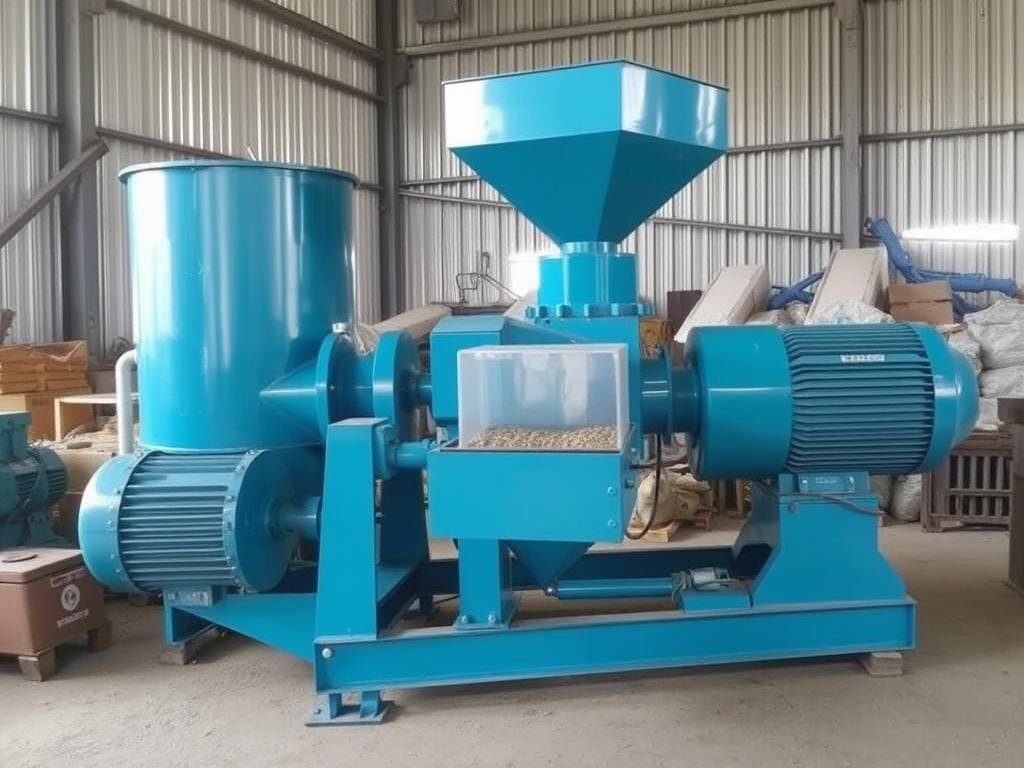
Palm Kernel Expeller, often abbreviated as PKE, is a by-product derived from the mechanical extraction of oil from the kernel of the oil palm fruit. After the عناقيد ثمار نخيل الزيت (Elaeis guineensis) is processed to extract زيت النخيل الخام, the remaining nut is cracked to reveal the نواة النخيل. This kernel is then crushed and pressed in an expeller to release زيت نواة النخيل.
The solid, protein-rich fibrous material left behind is the معصرة نواة النخيل. It’s a valuable feed ingredient, distinct from other by-products like the قشرة نواة النخيل, which is primarily used as a biofuel. PKE’s mechanical processing preserves a higher energy value, making it a unique ingredient that promotes sustainable agriculture.

2. Nutritional Profile: Why PKE is a Key Animal Feed Ingredient
The utility of PKE in animal diets stems from its balanced, albeit unique, nutritional composition. While values can vary slightly based on the oil extraction efficiency, a typical analysis shows why it’s a valuable resource. Understanding this profile is key to its effective use in feed formulations.
تشمل المكونات الغذائية الرئيسية ما يلي:
- البروتين الخام: Typically ranges from 14-18%. This makes it a moderate source of protein, suitable for supplementing other feedstuffs.
- الألياف الخام: High in fiber, often 15-20%. This high fiber content is particularly beneficial for ruminant animals.
- الزيت المتبقي (الدهون): Contains about 8-12% fat, serving as an excellent source of energy for livestock.
- المعادن: A good source of essential minerals like magnesium, iron, and zinc.
However, its high fiber content is due to Non-Starch Polysaccharides (NSPs), which can be difficult for non-ruminant (monogastric) animals to digest. For a deep dive into its composition, this nutritional analysis from ScienceDirect offers comprehensive data.
3. 5 Powerful Uses of Palm Kernel Expeller in Animal Feed
PKE is not a one-size-fits-all ingredient. Its application is highly dependent on the type of animal, its digestive system, and the overall cost-management goals of the feed formulation. The versatility of PKE is a testament to its value in the industry.
3.1. Powering Ruminants (Cattle, Goats, Sheep)
The primary and most effective use of PKE is in the diets of ruminant animals. The high fiber content, which is a limitation for other animals, is a major benefit for cattle, goats, and sheep. The microbes in the rumen can efficiently break down the fibrous material, converting it into energy.
For dairy cattle, PKE provides a cost-effective source of energy and protein that supports milk production and butterfat content. For beef cattle, it’s an excellent ingredient in fattening rations. This makes ruminant nutrition the most common and effective application for PKE. The منظمة الأغذية والزراعة (الفاو) lists it as a key feed ingredient for cattle.
3.2. Formulating Poultry Feed (Broilers and Layers)
Using PKE in poultry diets is possible but requires more careful consideration. The high fiber can hinder nutrient absorption in chickens. Therefore, it is typically included at lower levels (5-10%) in broiler and layer feeds. Anything higher can negatively impact growth rates and egg production.
To overcome this, feed formulators often use feed enzymes (like xylanase and beta-mannanase) to help break down the complex fibers, making the nutrients more available. When managed correctly, PKE serves as an economical partial replacement for more expensive ingredients like soybean meal.
3.3. Supplementing Swine (Pig) Diets
Similar to poultry, pigs are monogastric animals and can struggle with the high fiber in PKE. Its use is generally limited to the diets of growing-finishing pigs and gestating sows, who have a more developed digestive system and lower energy demands compared to young piglets.
The gritty texture can also reduce palatability, so it’s crucial to ensure the feed is well-mixed and balanced. Despite these challenges, its cost advantage makes it a viable component in many swine operations, diversifying the applications for this cost-effective ingredient.
3.4. Innovating in Aquaculture (Fish Feed)
The aquaculture industry is actively seeking sustainable, plant-based protein sources to reduce reliance on fishmeal. PKE is emerging as a promising candidate. Research is ongoing to improve its digestibility and palatability for species like tilapia and carp.
Techniques like fermentation and solid-state processing are being used to break down its fiber and enhance its protein quality, making it more suitable for fish. As these technologies improve, the use of PKE in aquaculture will likely expand significantly. Organizations like The Fish Site often cover such innovations.
3.5. A Cost-Effective Feed Base and Filler
Beyond its specific nutritional role, one of the most significant uses of PKE is as a cost-effective bulk ingredient. In creating least-cost feed formulations, nutritionists use PKE to lower the overall price of feed while still meeting the essential nutritional requirements of the animals.
This economic benefit cannot be overstated. It allows farmers in many parts of the world to maintain profitable operations, especially when the prices of conventional grains like corn and soy are high. This function is a practical and widespread application of PKE.
4. Key Benefits and Potential Limitations of PKE
“PKE is a double-edged sword. Its low cost and high fiber make it perfect for some animals but a challenge for others. The key is smart formulation.” – Animal Nutritionist
فوائد:
- فعال من حيث التكلفة: Significantly cheaper than many traditional protein and energy sources.
- Sustainable: Utilizes a by-product, reducing waste and promoting a circular economy.
- مصدر طاقة جيد: The residual oil provides a high-energy component.
- High Fiber for Ruminants: Ideal for stimulating rumen function.
Limitations:
- انخفاض قابلية الهضم لدى الحيوانات ذات المعدة البسيطة: High NSP fiber content is a major drawback for poultry and swine.
- Gritty Texture: Can lead to lower feed intake if not properly mixed.
- مخاطر السموم الفطرية: If not dried and stored correctly, it can be susceptible to mold and mycotoxin contamination, a risk analyzed in studies like this one on mycotoxins in animal feed.
5. The Future Outlook for PKE in Animal Feed
The future for PKE looks bright and innovative. The focus is on value addition. Research is heavily invested in bioprocessing techniques like fermentation and enzyme treatment to “upgrade” PKE. These methods can break down fiber, reduce anti-nutritional factors, and even increase protein content, making it more suitable for a wider range of animals.
Furthermore, the push for sustainability in agriculture positions by-products like PKE as critical components of future feeding systems. Understanding its role in the circular economy will continue to drive demand and innovation, ensuring that the applications for PKE in animal nutrition will only grow more complex and promising.

6. Your Trusted Source for Palm Products
هل تبحث عن منتجات النخيل عالية الجودة؟
تقدم شركة ماكمور أمانة سجاهتيرا منتجات نخيل عالية الجودة مثل عصارة نواة النخيل، وقشرة نواة النخيل، وزيت النخيل الخام، وزيت نواة النخيل، وغيرها. يرجى التواصل معنا عبر واتساب على الرقم +6282140002198 أو عبر البريد الإلكتروني على admin@makmuramanah.co.id.
7. الخاتمة
So, what is palm kernel expeller used for in animal feed? The answer is multifaceted. It is a versatile and economically vital ingredient in the global animal feed industry. Primarily used as a high-fiber, high-energy source for ruminants, it also finds a strategic place in poultry, swine, and aquaculture diets with careful formulation. Its cost-effectiveness and sustainability ensure it will remain a relevant and important feedstuff for years to come.
By understanding both its benefits and limitations, farmers and nutritionists can effectively leverage PKE to create balanced, affordable, and sustainable diets for their livestock. The continued innovation in processing technology promises to unlock even more potential from this humble yet powerful feed ingredient.

 Arabic
  English
  Indonesian
  Chinese